
a European contract electronics manufacturer serving medical, industrial, and automotive customers
How a Contract Manufacturer Automated a 600-Meter Warehouse Run With Two AMRs
Two AMRs run a 600-meter warehouse-to-production route at a European contract manufacturer, opening doors automatically while staff focus on goods receipt.
- 600 m
- Route
- 2
- AMR fleet
- 100 kg
- Max load
- 3-6 mo
- Layout churn
Based on a documented real-world deployment. Figures are from public reporting; the organization is not named.
Lean Intralogistics With Frequent Layout Changes
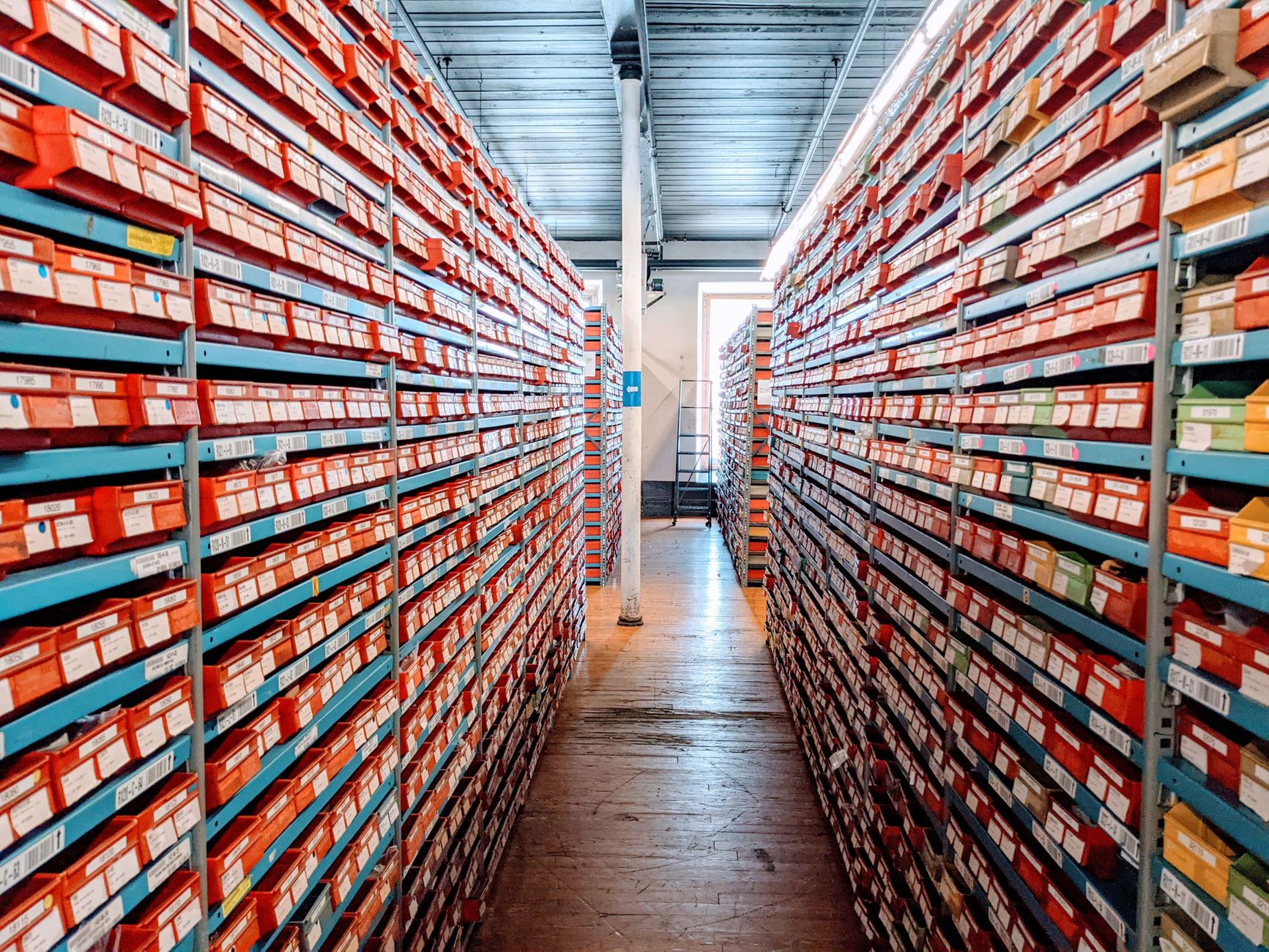
A European contract electronics manufacturer runs design-through-logistics programs for medical, industrial, and automotive clients under a lean operations model. Internal moves spike when many warehouse-to-line runs must happen in a short window, and walking time directly hits margin.
Production layout changes every three to six months. Magnetic-strip guided vehicles were ruled out because each layout refresh would mean reinstalling floor guidance. Leadership wanted affordable mobile transport that could reroute without shutdowns.
- Burst warehouse-to-line demand
- Layout changes several times yearly
- Rejected magnetic strip AGVs
- Monotonous internal goods moves
Two AMRs on a Door-Linked 600-Meter Path
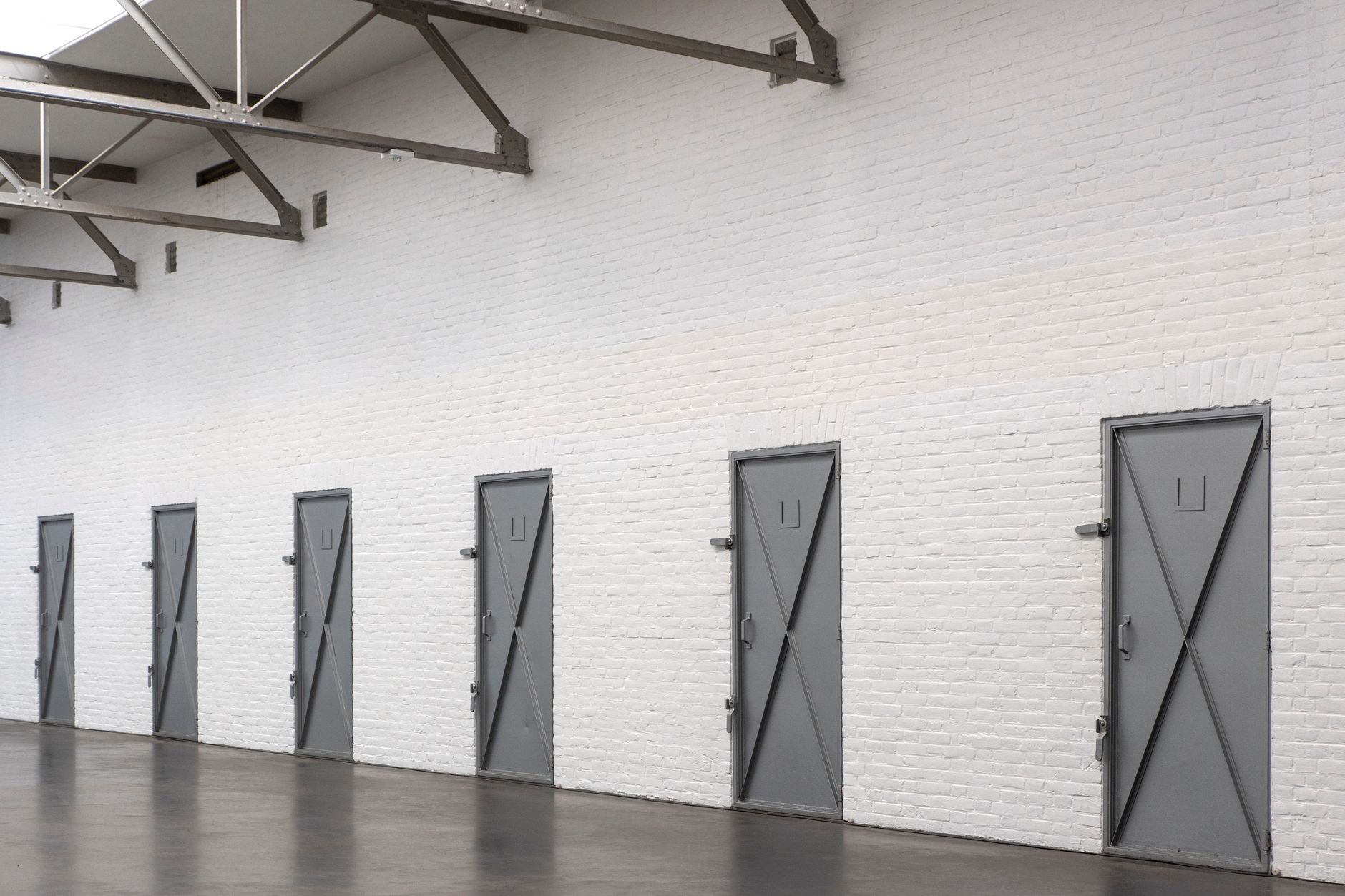
The site bought its first lightweight autonomous mobile robot in 2015 and added a second six months later. Together they cover a 600-meter stretch from the main warehouse to manufacturing with payloads up to 100 kilograms.
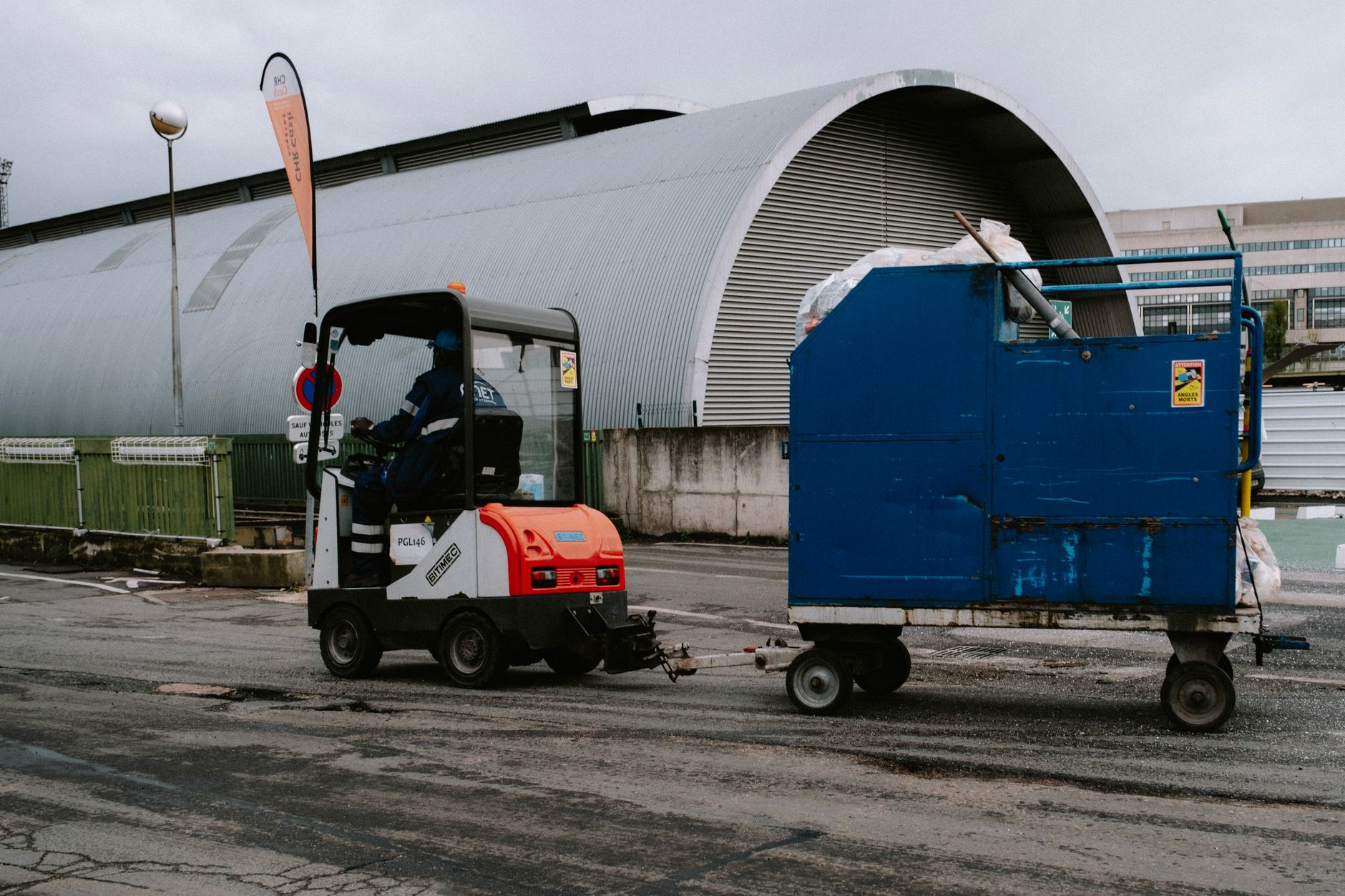
Fleet software talks to high-speed interior doors so robots open them only when needed, which engineering leadership describes as reliable in daily use. Staff shifted from cart pushing to goods receipt, pre-portioning deliveries, and filling fixed warehouse locations.
The next expansion adds a cart-towing module rated for loads up to 300 kilograms to move finished goods toward dispatch.
- Deploy two AMRs on one long warehouse leg
- Integrate door signals with fleet software
- Keep routes editable when cells move
- Shift labor hours into receipt and portioning
- Plan cart towing for finished goods
More Warehouse Time for Portioning and Receipt
Engineering leadership reports transport from point A to point B now runs on robots while employees gained time in the main warehouse for equitable pre-portioning to production. That change improved downstream fairness for production teams according to the published case.
The documented route operates continuously on the 600-meter link with obstacle handling at interior doors. The source does not publish US payback months or total fleet cost beyond describing the robots as affordable for their flexibility needs.
What US Contract Manufacturers Can Study
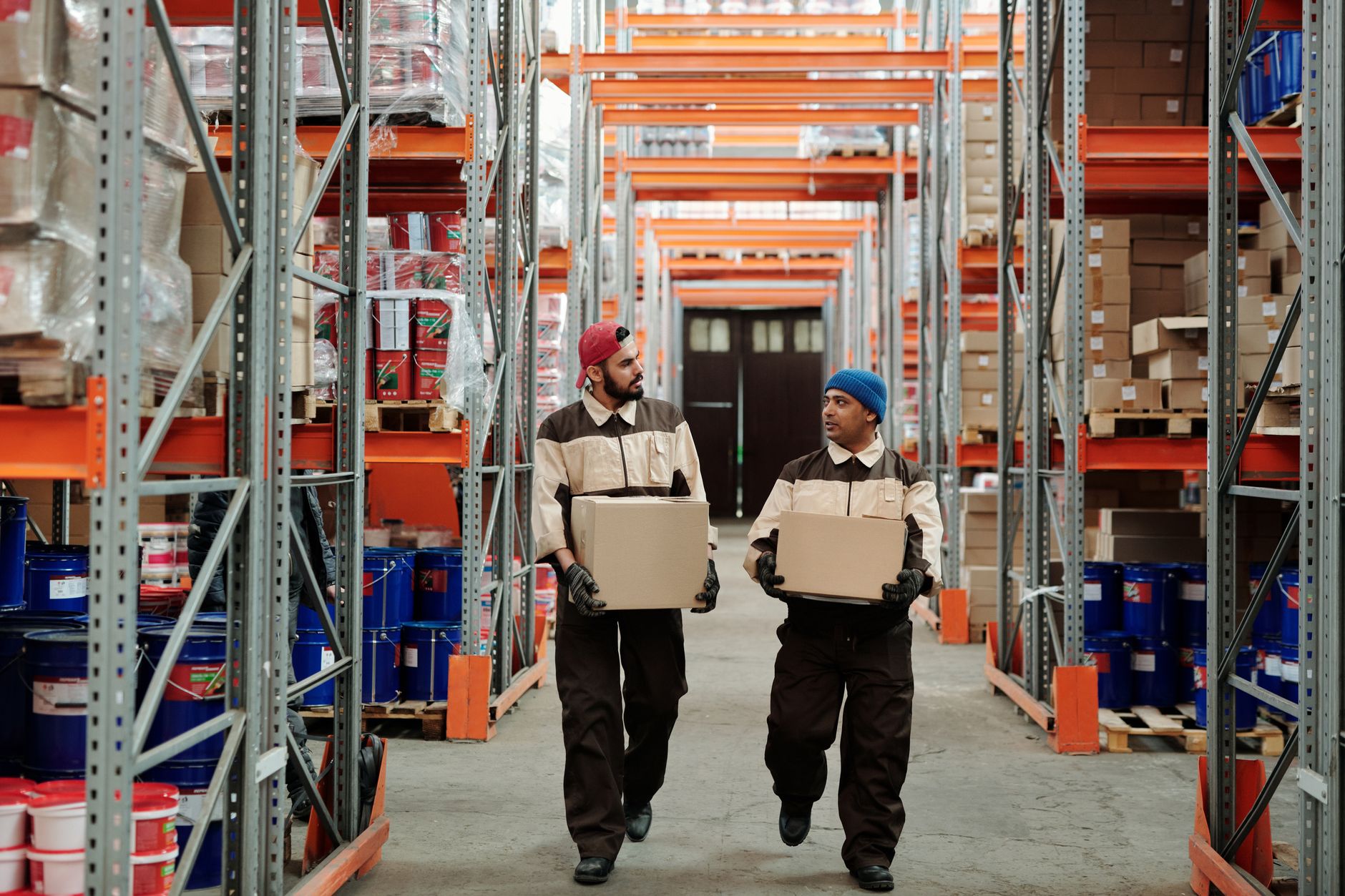
Service Robot Co. did not run this deployment. It shows how a single long warehouse leg can be automated when layouts churn faster than fixed conveyor or tape systems can follow.
Service Robot Co. gives US businesses one partner for selection, financing, deployment, integration, training, and nationwide service across cleaning, delivery, security, and warehouse robots. Door and elevator integrations should be scoped during a site assessment before lease or purchase terms are set.
When layout changes every quarter, mobile warehouse links may beat reinstalling magnetic guidance on each refresh.