
a large e-commerce cosmetics fulfillment warehouse handling delicate small items
Cosmetics E-Commerce Warehouse Raises Pick Rate 46% With AMRs
How a large cosmetics fulfillment site used twenty-three aisle-based AMRs to lift units per hour forty-six percent and cut operating costs about thirty percent in two weeks.
- 46%
- UPH gain
- 30%
- Cost cut
- 23
- AMR fleet
- 108K
- Sq ft
Based on a documented real-world deployment. Figures are from public reporting; the organization is not named.
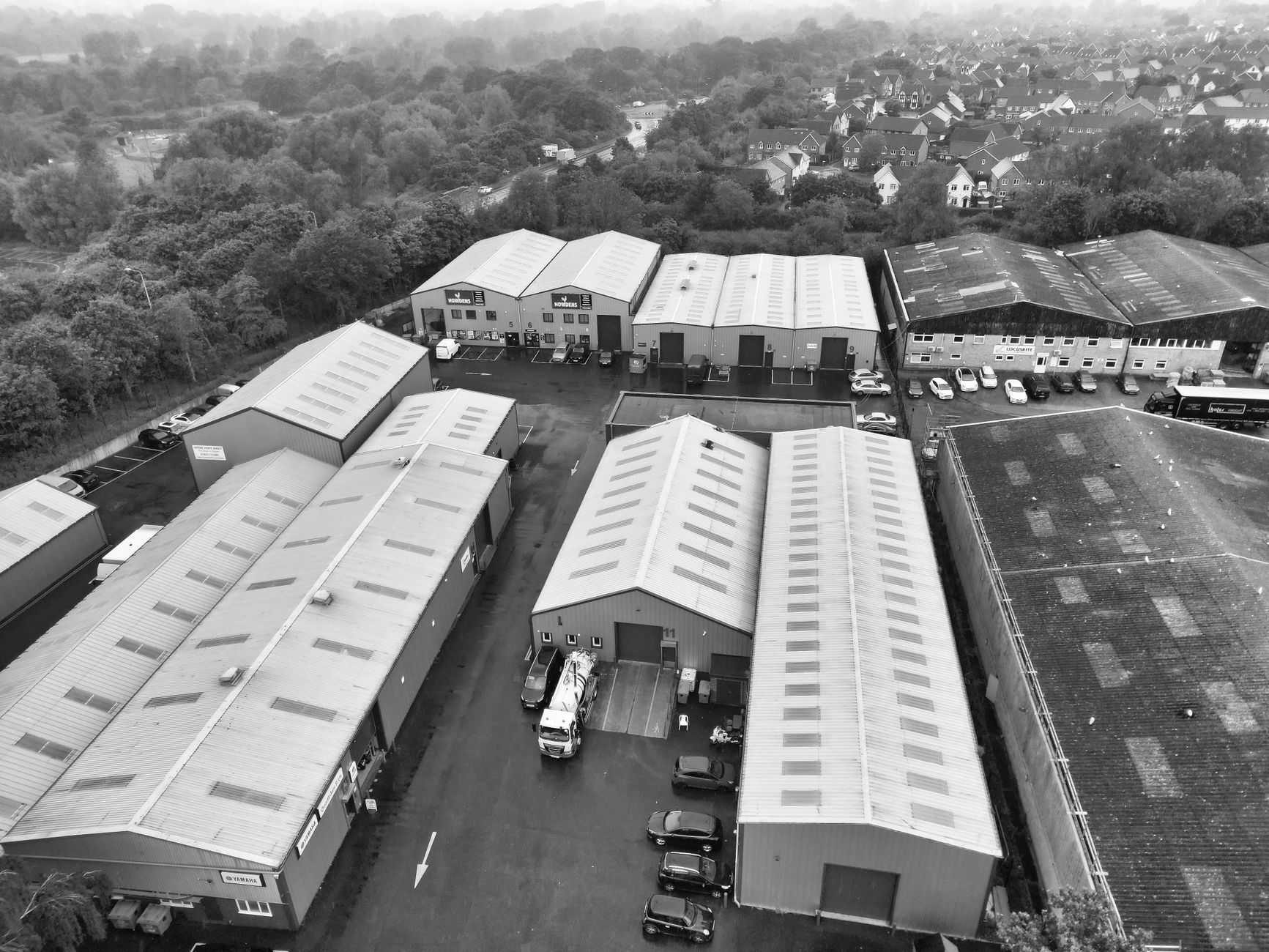
Walk time drowned pick productivity
A large e-commerce cosmetics fulfillment warehouse handling delicate small items moves high volumes of SKUs through a hundred-eight-thousand-square-foot building. Pickers walked long aisles while labor and recruiting costs climbed on repetitive travel.
Leadership needed higher units per hour without shutting down for a full building retrofit.
- Complex small-item picking with accuracy pressure
- High labor spend on non-value walking
- Need to scale throughput without remodeling
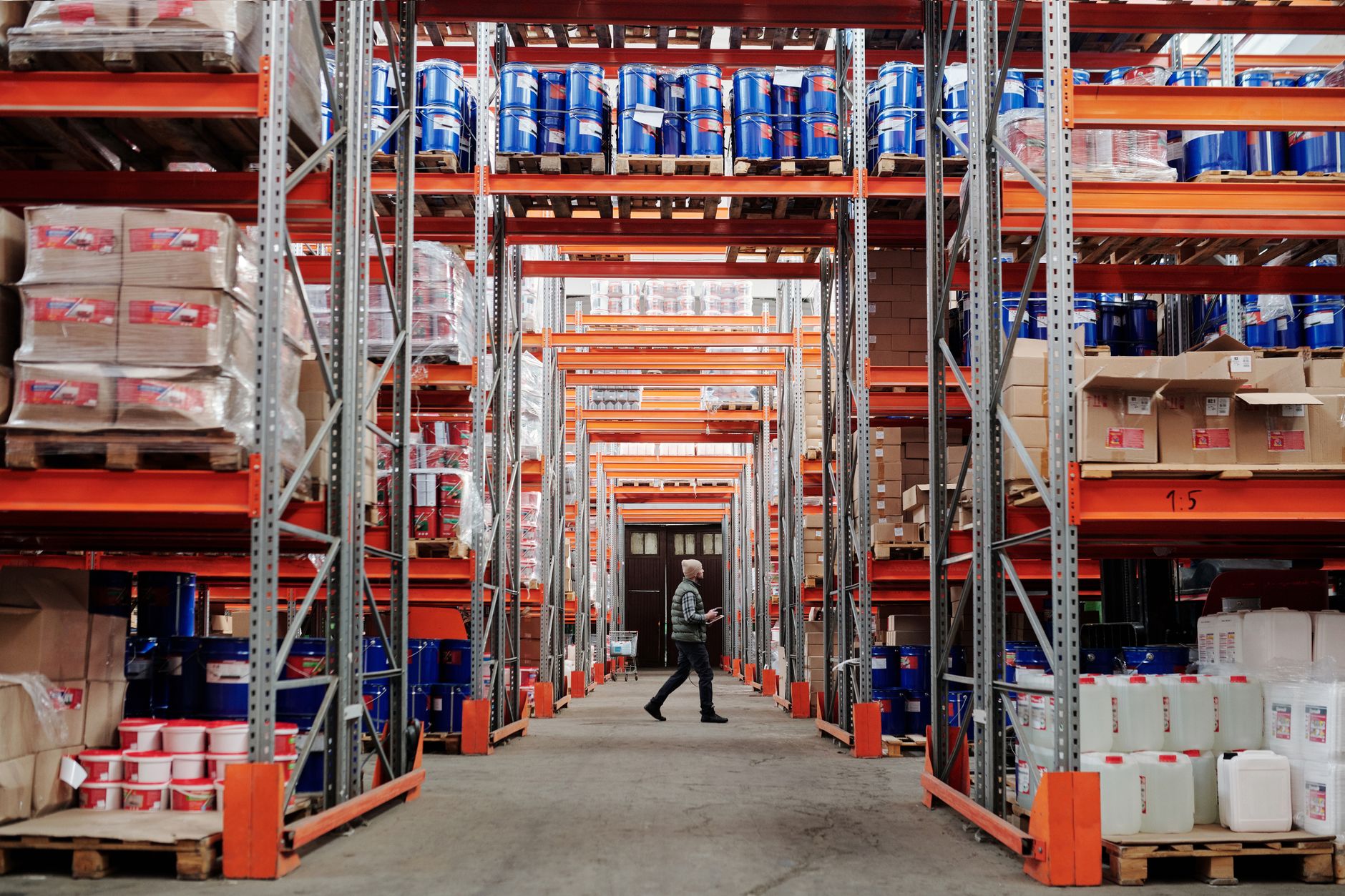
Aisle-zone AMRs with vision navigation
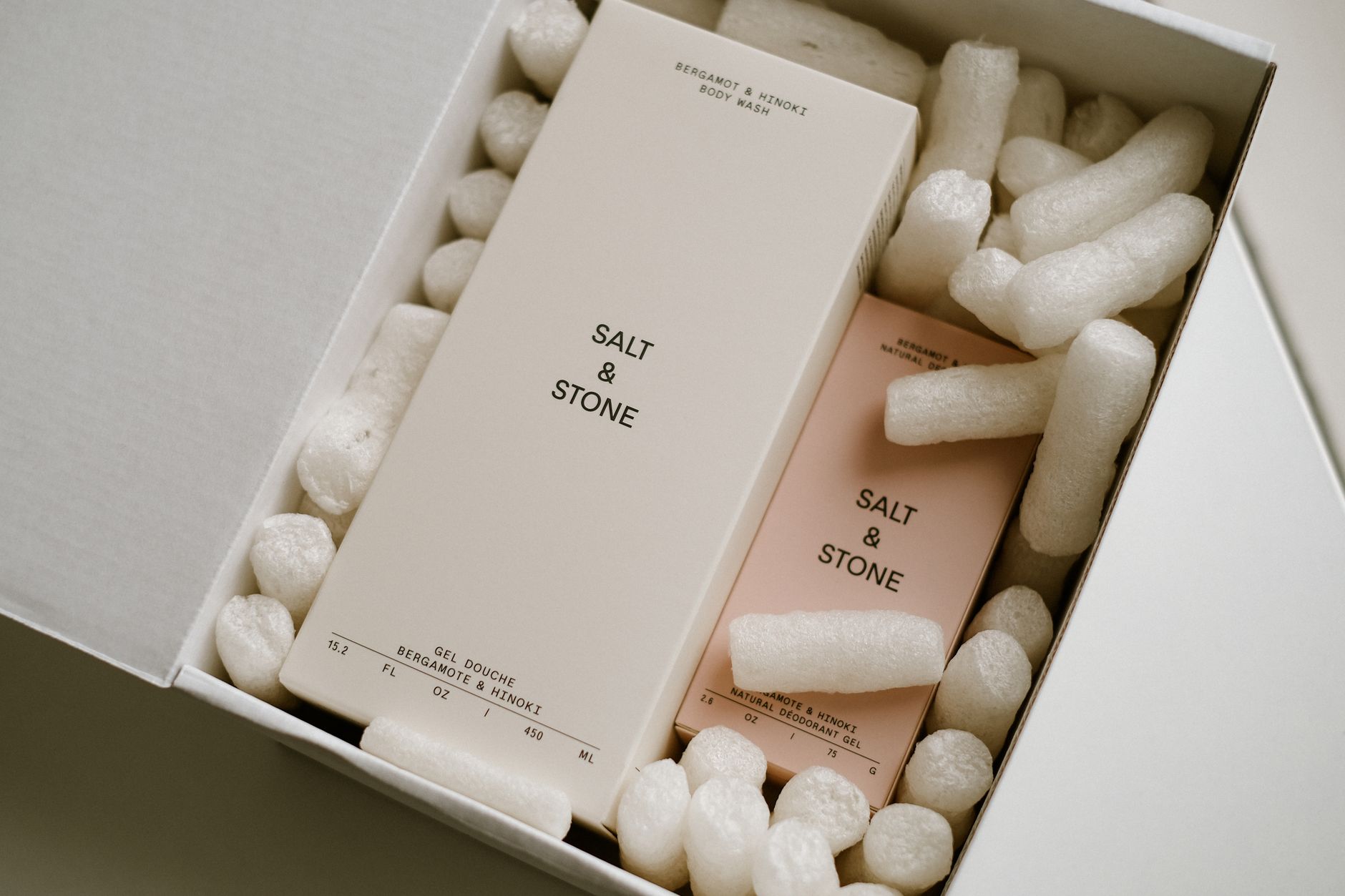
Operations deployed twenty-three autonomous mobile robots integrated with an overhead vision and navigation system so units could run beside associates without rebuilding racks. The warehouse stayed divided into aisle zones where each worker picked while robots met them and carried totes to packing.
Go-live completed in about two weeks because the layout did not require structural changes.
- Map aisle pick zones and handoff points
- Deploy robots to meet pickers in assigned aisles
- Transport completed totes to packing areas
- Train supervisors on fleet monitoring and exceptions
Forty-six percent higher units per hour
The operation reports a forty-six percent increase in units per hour after robots absorbed travel between pick faces and pack stations. Operating costs fell about thirty percent while picking accuracy improved in the published results.
Associates stayed in their aisles instead of walking loaded totes across the building.
What US e-commerce operators can copy
This is a documented cosmetics fulfillment deployment analyzed as an example, not a Service Robot Co. project. It shows how an OEM-neutral integrator can size AMRs when walk time is the bottleneck in a live building.
Buy, lease, or finance the fleet through one partner, pilot one high-walk zone, and keep RoboCare coverage so a down robot during a promo week does not stall SLAs.