
a county-operated pair of public golf courses in southeastern Wisconsin
How a County Golf System Planned to Save 1,900 Fairway Hours
A Wisconsin county pair of public courses tested robotic fairway mowers and projected about 1,900 seasonal labor hours removed with overnight mowing.
- 1,900 hrs
- Seasonal savings
- 68 hrs
- Weekly fairways
- 28 wks
- Mow season
- 8 p.m.
- Night start
Based on a documented real-world deployment. Figures are from public reporting; the organization is not named.
Dawn fairway shifts drained the crew
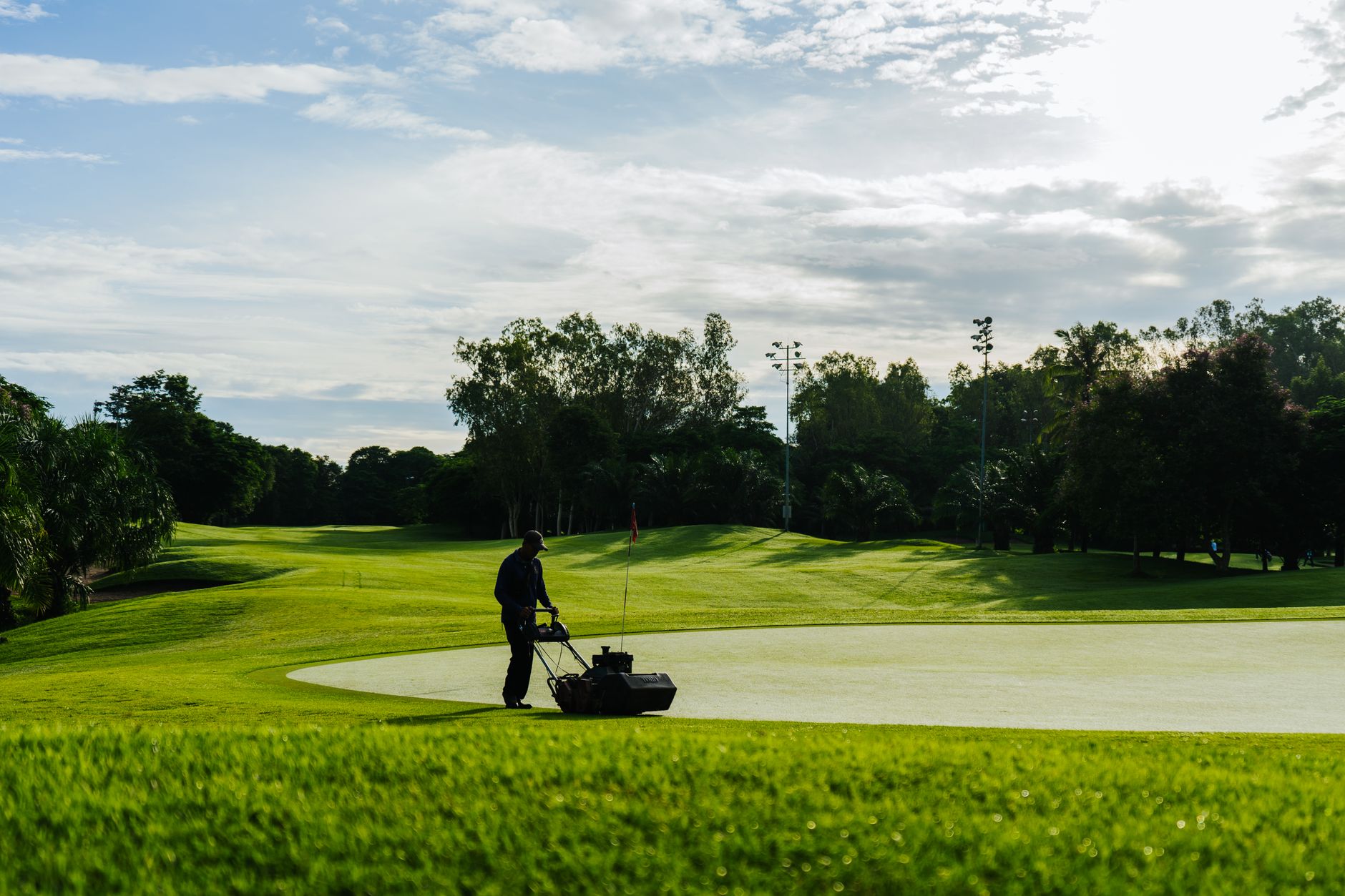
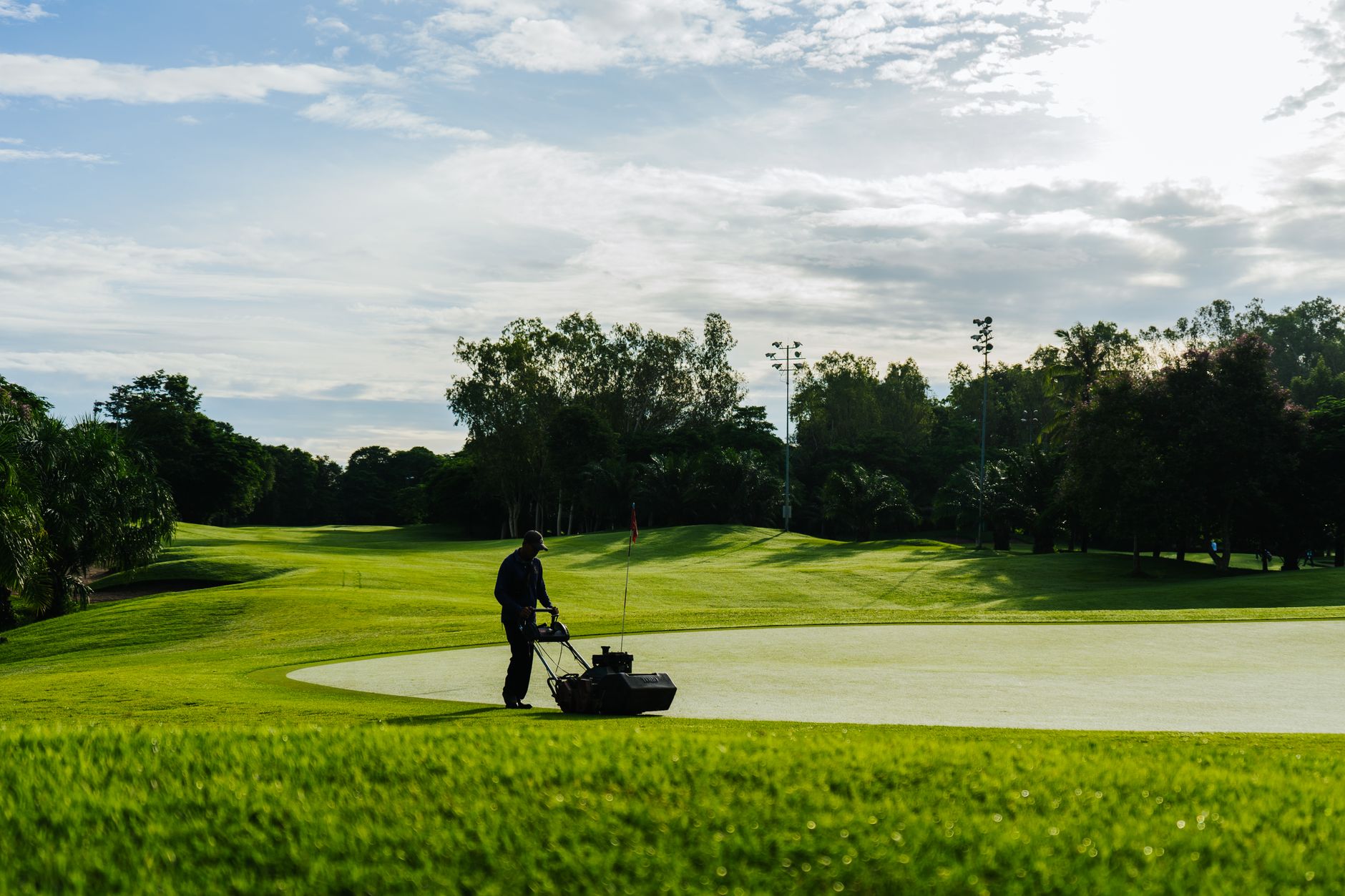
A county-operated pair of public golf courses in southeastern Wisconsin relied on diesel fairway mowers that needed operators in the seat for every pass. Crews were starting fairway work as early as 3 a.m. on Monday, Wednesday, and Friday just to stay ahead of play.
Fairway mowing totaled about 68 hours per week across an average 28-week season. That rhythm burned labor on repetitive loops while bunkers, approaches, and golfer-facing detail competed for the same small staff.
- Early morning fairway shifts before the first tee time
- Aging diesel fairway units nearing replacement cost
- Limited crew hours for presentation work
Overnight robotic fairway coverage
County parks staff ran robotic mower trials for three years, then a three-month live test on portions of both courses. Leadership recommended a larger robotic fleet to mow fairways overnight instead of sending diesel crews out before dawn.
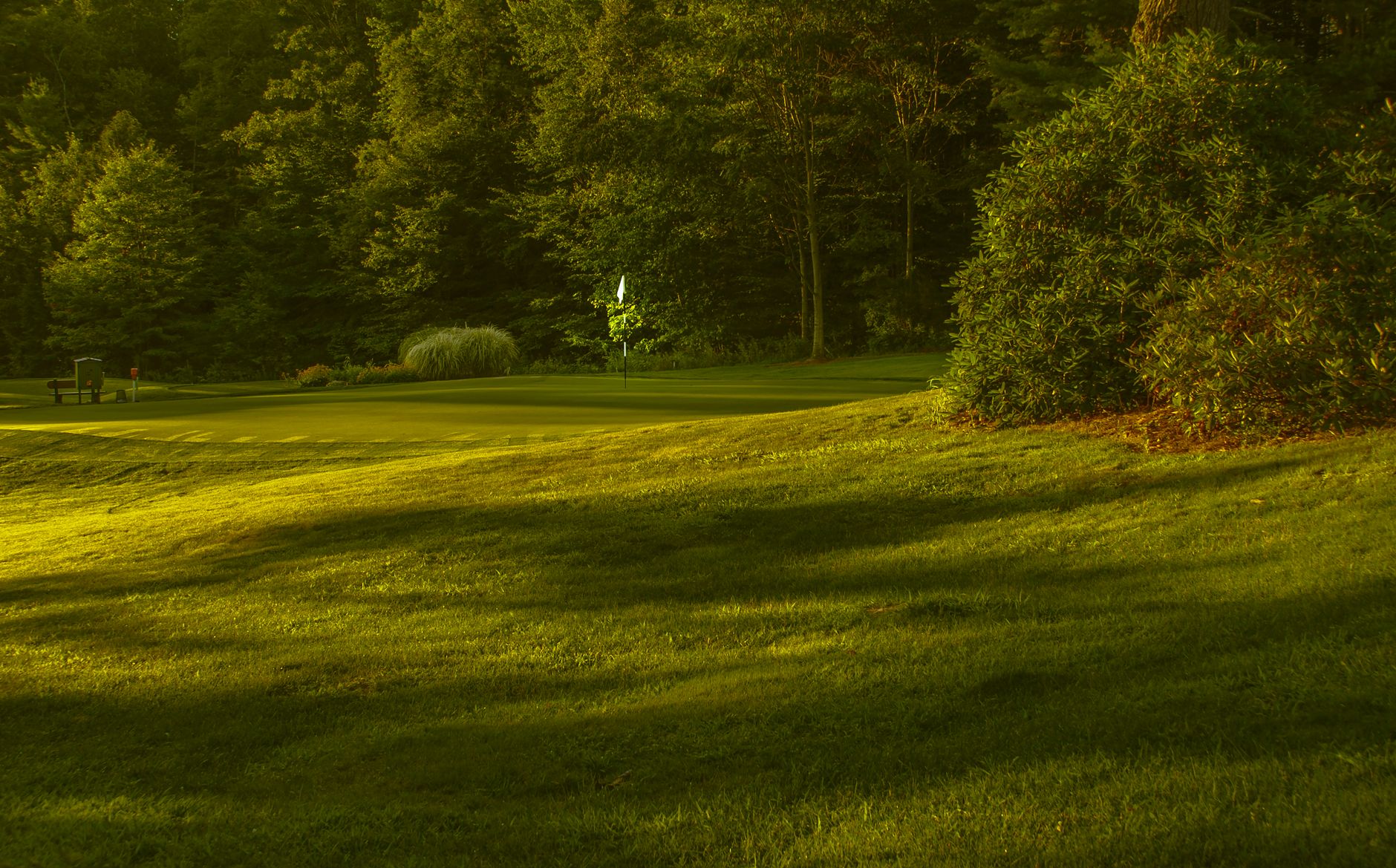
The planned schedule would mow half of each fairway one night and the other half the next, running from 8 p.m. to 8 a.m. Legacy fairway mowers would stay as backup while rough acres were added to the robotic map over time.
- Night routes from 8 p.m. to 8 a.m. on alternating fairway halves
- Three-year trial period before fleet recommendation
- Greens remain hand-mowed while fairways automate first
Projected labor hours back to the crew
County planners told local press in July 2026 that the robotic fleet would eliminate about 1,900 hours of labor every season while fairway mowing still totaled 68 hours per week across 28 weeks.
Leadership cited reduced operating labor alongside healthier turf and similar replacement parts costs once battery replacement was included for the robotic units.
What this means for your municipal system
Public courses with tight tee sheets often burn skilled hours on fairway loops before sunrise. Documented county planning shows how overnight autonomous passes can return those hours to bunkers, approaches, and guest-ready detail.
Service Robot Co. is OEM-neutral. We help superintendents compare autonomous fairway platforms, buy or lease through financing, map each property, train a point person, and support units through RoboCare and a nationwide network of regional service engineers.