
a European drive and motion automation manufacturing and logistics site in northern France
How a Drive-Systems Plant Raised Packing Output 10-15% With a Conveyor AMR
A conveyor-topped AMR at a French drive-systems plant lifts packing productivity 10-15% by moving parcels on five-kilometer daily loops.
- 10-15%
- Output up
- 5 km
- Daily travel
- 2-4 min
- Cycle
- 2 t
- Loads/day
Based on a documented real-world deployment. Figures are from public reporting; the organization is not named.
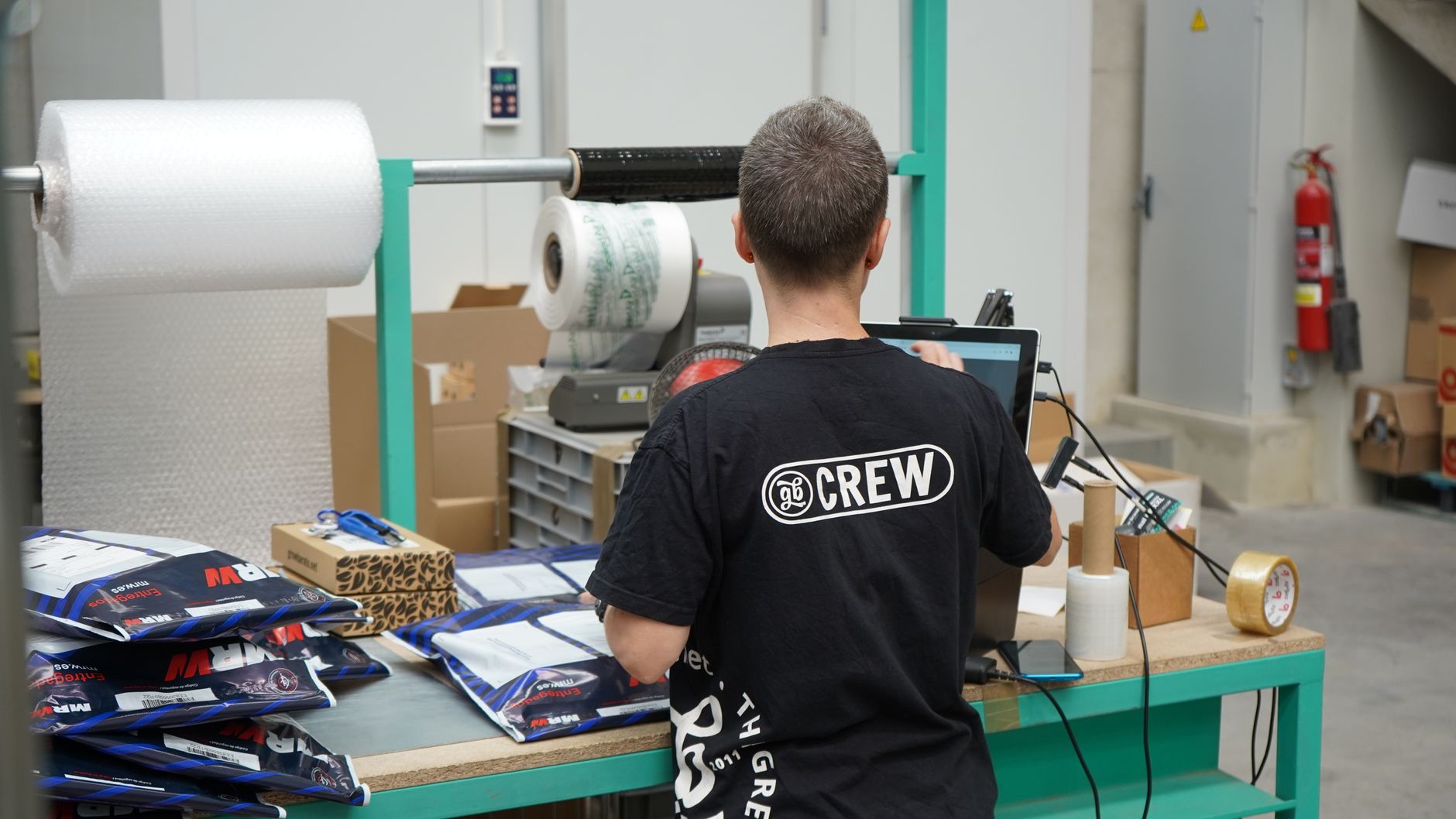
Repeated Parcel Carries at the Small-Parts Pack Station
A European drive and motion automation manufacturing and logistics site in northern France ships frequency converters and geared motors across the Atlantic coast and Maghreb from a showcase factory floor. At the small-parcels packing station, each operator handled about one hundred packages per day, walking each box to a nearby pallet for consolidation.
Those repeated carries added up to roughly two metric tons of daily manual handling and raised ergonomic risk for musculoskeletal strain. Leadership wanted the packer to stay at the station while finished cartons still reached ship staging on time.
- About 100 parcels per operator daily
- Walk every box to a staging pallet
- Roughly two metric tons handled by hand
- Ergonomic strain on pack staff
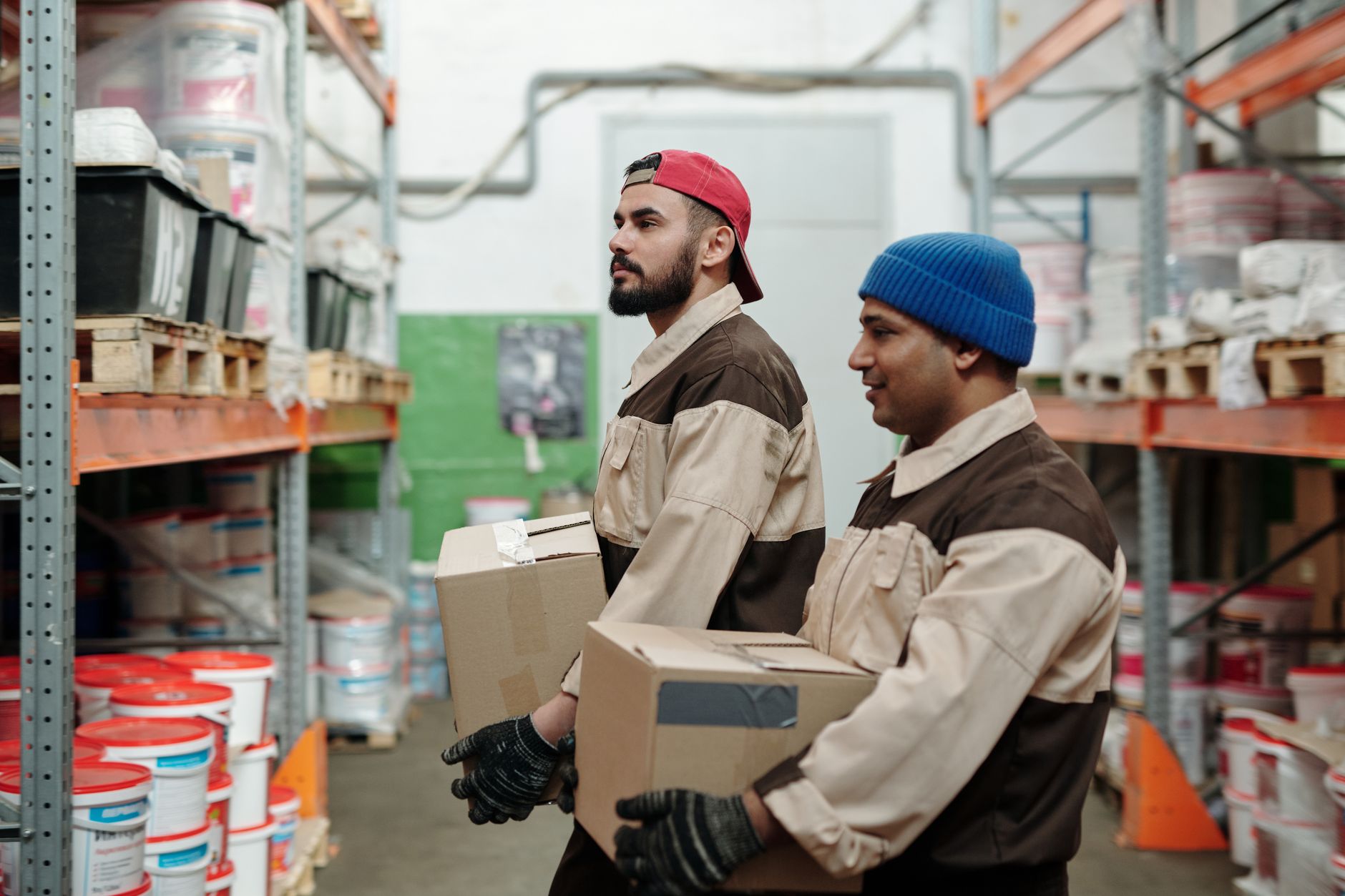
Motorized Conveyor AMR Between Pack and Staging
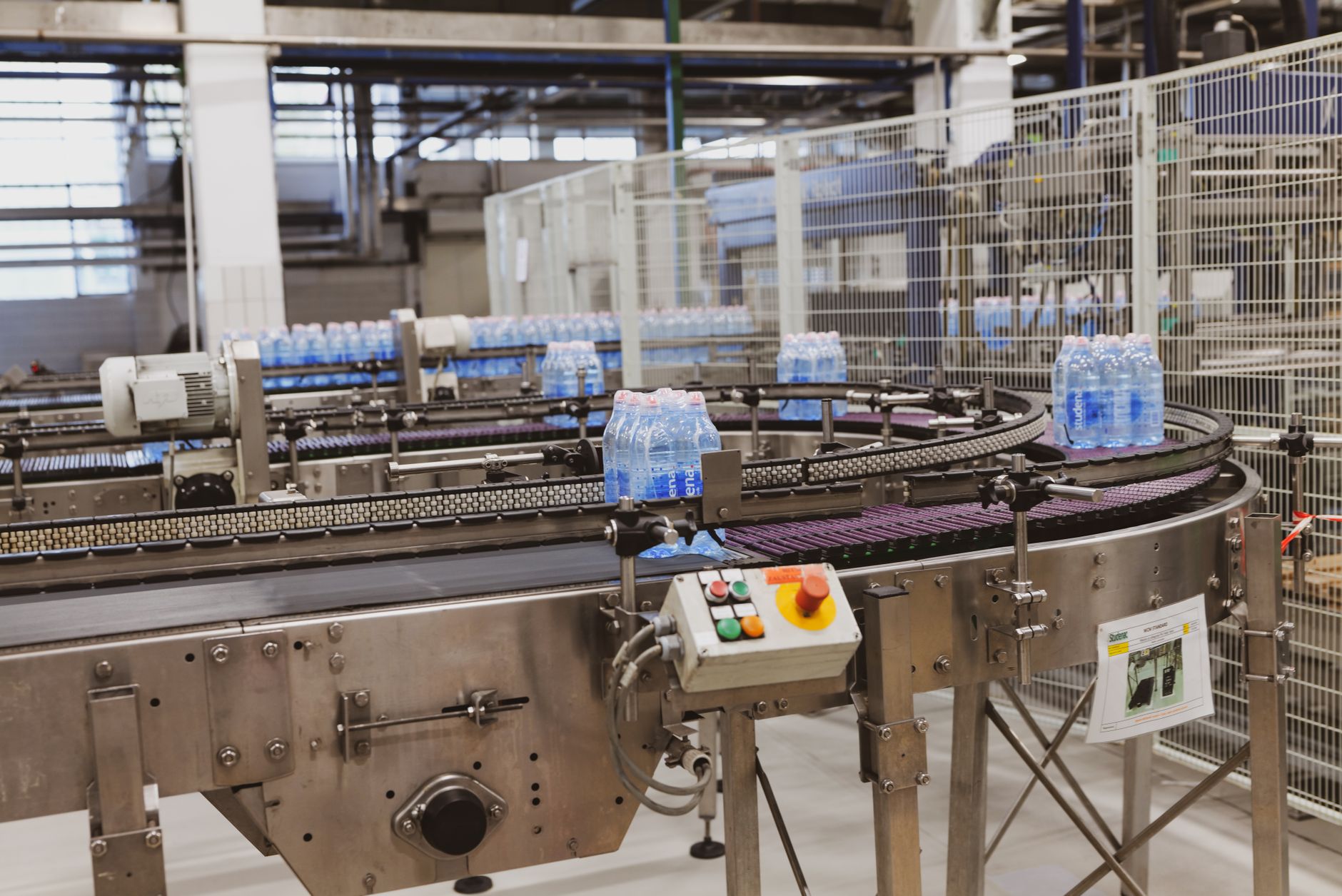
The site integrated one autonomous mobile robot with a motorized conveyor synced to automated pick-up and drop-off stations. When a carton is ready, the fleet receives a signal, drives to the pack station, loads the box by conveyor, and delivers it to consolidation before outbound shipping.
Each full cycle, including travel, sizing checks, and conveyor moves, takes two to four minutes. The robot runs two eight-hour shifts between early morning and evening, averaging about five kilometers of travel per day and about one hundred kilometers per month.
Battery logic sends the unit to charge below thirty percent, with top-ups during breaks so it stays available across both shifts. Onboard sensors let it reroute around people and obstacles instead of following a fixed tape path.
- Trigger robot from pack-ready signals
- Load cartons via synchronized conveyors
- Drop at consolidation before shipment
- Charge during breaks and low battery
- Reroute around foot traffic in shared aisles
Ten to Fifteen Percent Productivity Gain at Pack Posts
Logistics leadership reports about ten to fifteen percent higher productivity at the affected packing positions because operators no longer leave the station for every carton. The same change removed roughly two metric tons of daily manual carrying according to the published case.
Staff acceptance was straightforward because the site already used other autonomous vehicles and basic operator training covered routine issues. The source does not publish US payback months or robot purchase price.
What US Pack-and-Ship Floors Can Study
Service Robot Co. did not run this deployment. It shows how short two-to-four-minute loops add up when each operator moves one hundred parcels by hand every shift.
Service Robot Co. gives US businesses one partner for selection, financing, deployment, integration, training, and nationwide service across cleaning, delivery, security, and warehouse robots. Conveyor handoff stations should be scoped during a site assessment before lease or purchase terms are set.
When daily manual tonnage and walk time stack at a single pack post, a conveyor-topped AMR may beat asking operators to stage every box on a pallet themselves.