
a leading drywall contractor on a Pennsylvania entertainment venue build
Drywall Robots on a Pennsylvania Venue Build: 300% More Sanding, Reported
A leading drywall contractor reports more than 300% higher surface sanding production using finishing robots on a Pennsylvania entertainment venue build.
Deployment at a glance
- 300%+
- Higher surface sanding production, contractor reported
- 2
- Robot types on the job: drywall finishing and painting
- 1
- Pennsylvania experiential entertainment venue build
Based on a documented real-world deployment. Figures are from public reporting; the organization is not named.
Finish work that wears out the crew
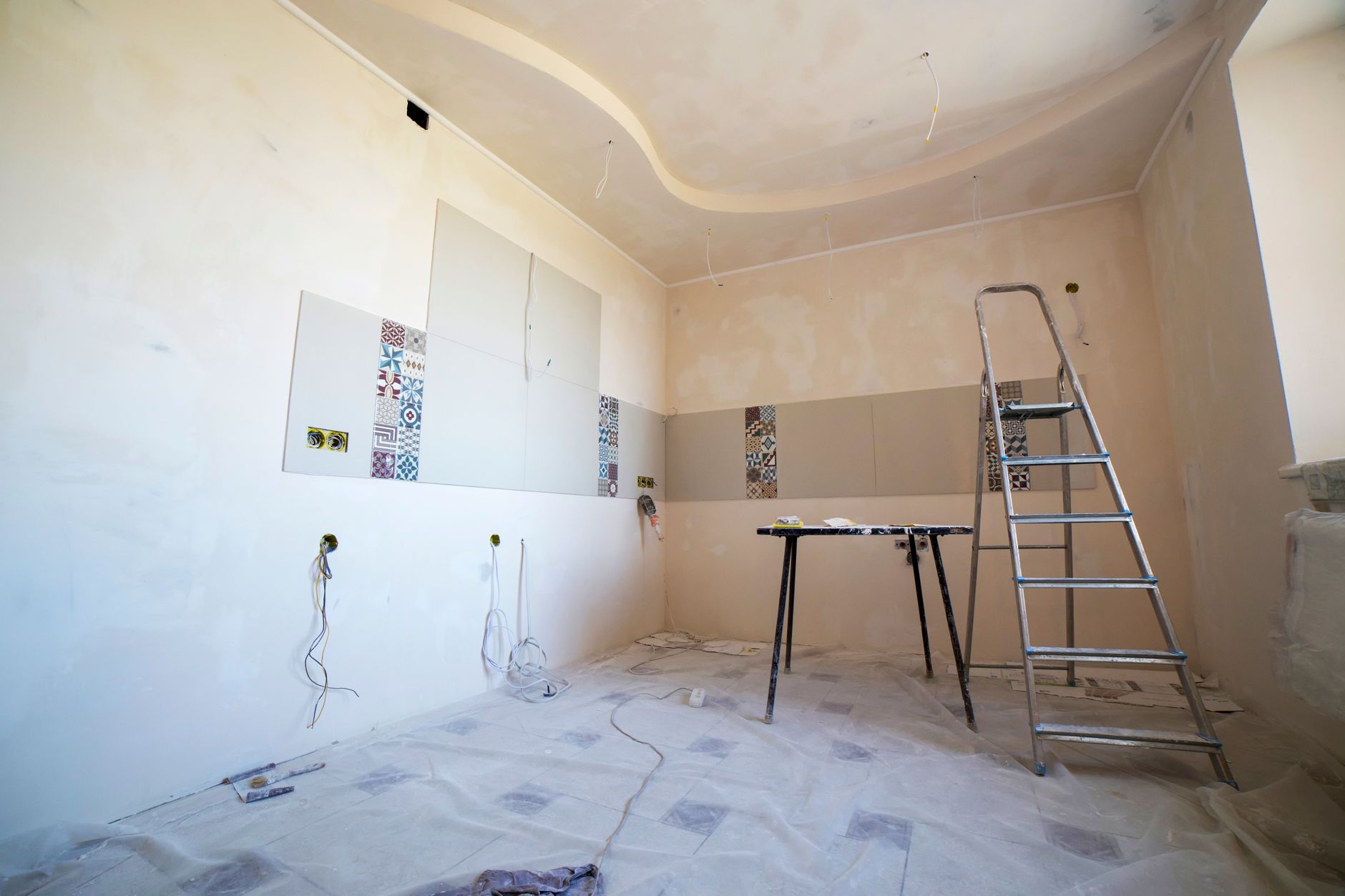
The job was an experiential entertainment venue in Pennsylvania, a build where the drywall finish sets the look of every room before a guest ever sees the signage. Walls and ceilings had to be taped, sanded and painted to a standard that nobody notices when it is right and everybody notices when it is not.
Surface sanding is some of the hardest work in drywall finishing. It is repetitive, dusty and hard on shoulders, arms and backs, and a crew that sands for long stretches tires well before the schedule does. Physical fatigue is a cost that never appears on a bid, but it shows up in pace, in breaks and in who is still on the lift at the end of the day.
The contractor needed more finishing output from the crews it had, on a timeline that left little room for slow passes.
Putting drywall finishing robots into the build
The contractor brought drywall finishing robots from the robot supplier onto the venue job and used them for surface sanding and painting. The robots worked as part of the finish sequence rather than as a demonstration, and the crew kept the detail work around them.
A robot of this kind only pays off on a live site when three things line up: the surfaces it is given, the people who run and watch it, and how quickly a stalled unit gets back to work. Teams planning a similar job should treat the first days on site as a learning period, with a plan for go live support and for the moment a unit needs attention.
What the contractor reported
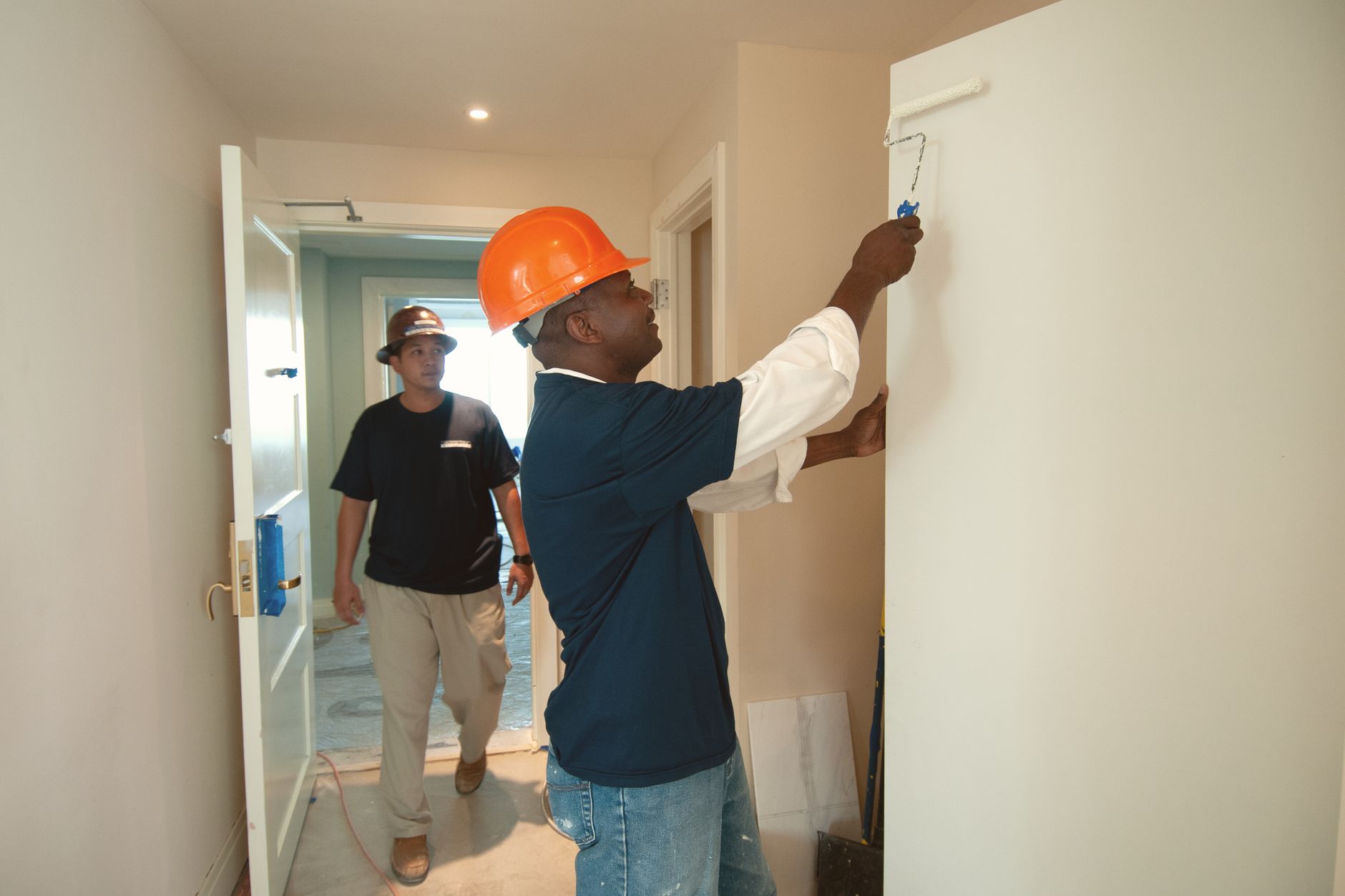
The headline result is a production gain. The contractor reported more than 300% higher surface sanding production on the build, which is a rate of output over time and not a count of hours saved.
Workers also reported a significant reduction in physical fatigue. That effect carries no hour count or percentage, but in a trade where sanding wears out bodies, it matters to the people doing the work and to a schedule that depends on them staying on their feet.
The relationship continued past this job. The robot supplier and the contractor later formed a broader partnership under which additional units were ordered, which suggests the approach held up beyond a single venue.
What this means for a finishing crew weighing robots
This is a documented deployment that we analyze. Service Robot Co. did not run this job, and nothing here implies otherwise. What it shows is the decision a contractor faces: whether robot output fits the schedule, and who keeps the unit working once it is on the floor.
Service Robot Co. is a vendor neutral robot integrator for US businesses. We select robots across manufacturers, then handle financing, deployment and integration, training, and service through a nationwide US engineer network, so one partner answers for the whole lifecycle. Our robots are offered on a lease only, through lease financing programs with a three year term, and the one fixed robot lease payment is quoted after a site assessment.
Whether a finishing robot fits a given job is a question for that site assessment. A sensible first step for a crew like this is a robot pilot program that starts with one leased unit, with on site dispatch and a robot maintenance service plan agreed before go live.
Frequently asked questions
Want a robot working for you?
Tell us the job and the site. We will recommend the robot, quote the lease, and keep it serviced.