
a long-term care facility in Milwaukee
A Milwaukee Long-Term Care Facility Reports 32% Fewer UTIs With a UV Robot
A Milwaukee long-term care facility reported 32% fewer urinary tract infections and 20% fewer respiratory infections after adding a UV disinfection robot.
Deployment at a glance
- 32%
- Fewer urinary tract infections, as reported in the study
- 20%
- Fewer respiratory infections, as reported in the study
- 36 months
- Infection data collected before the robot arrived
- 12 months
- Infection data collected after the robot began work
Based on a documented real-world deployment. Figures are from public reporting; the organization is not named.
Infections that cleaning crews cannot fully outpace
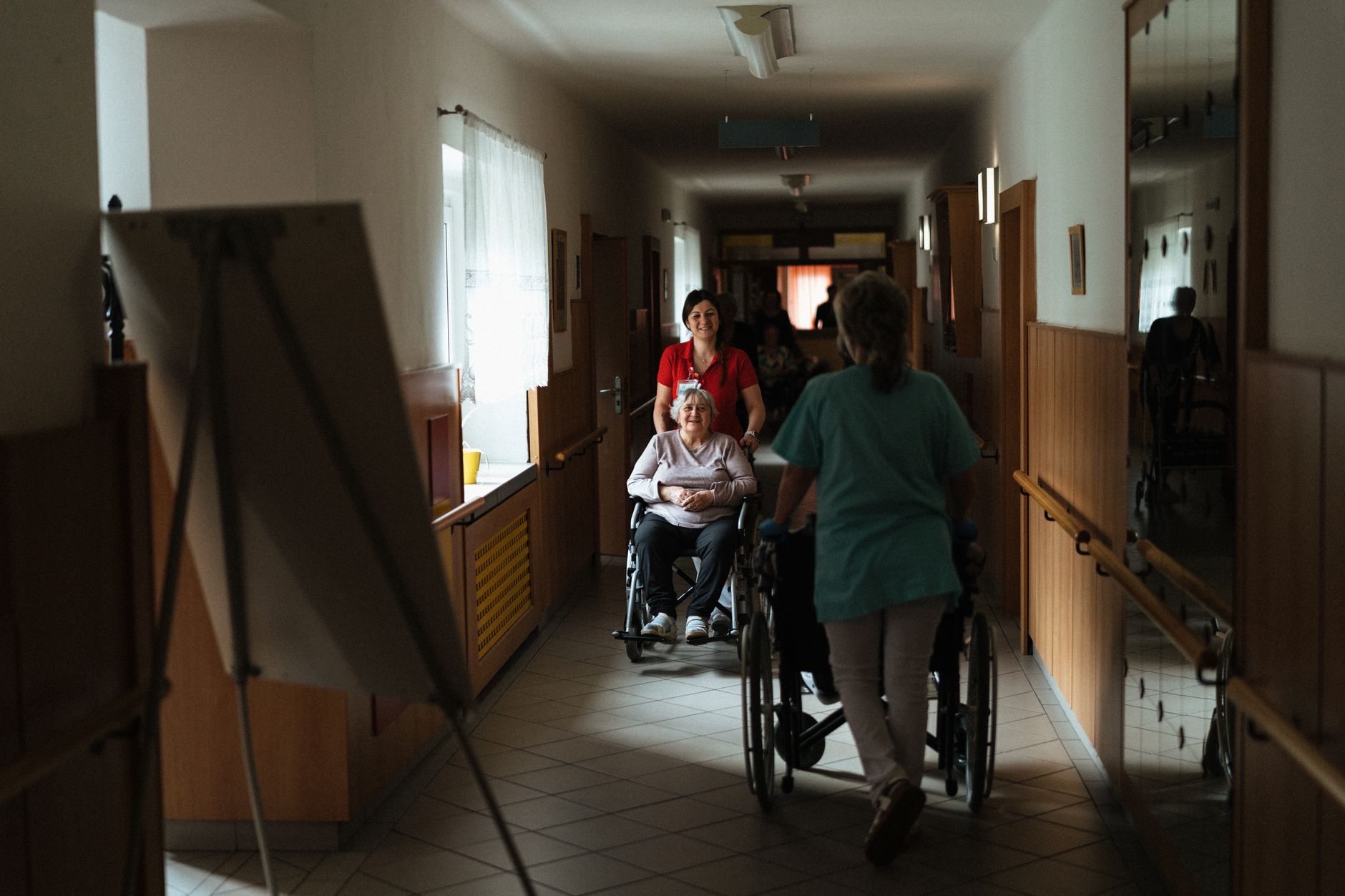
Residents of long-term care facilities live in close quarters, and many carry health conditions that raise their exposure to infection. Urinary tract infections and respiratory infections were the two categories the facility tracked, and each case means a resident who feels worse, a chart that grows, and nurses pulled away from other work.
Hand hygiene and manual cleaning remain the backbone of infection control. Both depend on people finding time between tasks, and high touch surfaces are hard to keep consistently clean when staff are stretched across a full floor.
The leadership question was not whether cleaning mattered. It was whether an added layer of disinfection would show up in the numbers that counted.
A pulsed xenon robot added to daily care
The facility added a pulsed xenon UV disinfection robot to its existing care work. Pulsed xenon units send short, intense bursts of ultraviolet light across room surfaces, reaching areas that a hurried manual pass can miss.
The study was a before and after comparison inside one facility. It gathered 36 months of infection data before the robot arrived and 12 months after, so the same site was compared across two periods.
Introducing a robot like this is more than moving it into a building. The robot supplier's machine had to be placed, scheduled and kept in working order, and each step had to fit how the care team already ran its day.
- Baseline: 36 months of infection data gathered before the robot arrived
- Introduction: a pulsed xenon UV disinfection robot added to the facility
- Follow up: 12 months of infection data gathered after the robot began work
- Comparison: urinary tract and respiratory infection rates across the two periods
What the 12 month period showed
Urinary tract infection rates fell 32 percent and respiratory infection rates fell 20 percent after the robot was introduced, as reported in the study. Both figures compare the period after introduction with the period before it.
This was a single site, before and after comparison rather than a controlled trial, so the figures describe change observed at that facility. Other changes during the observation window cannot be separated out by this design.
For a facility weighing a similar step, the most useful lesson may be the measurement itself. A baseline long enough to show a pattern, and a follow up period long enough to show a change, give any later result something solid to stand on.
What this means for a facility weighing a UV robot
Service Robot Co. is a full service, OEM neutral commercial robot integrator for US businesses. We select the right robots across manufacturers, then finance, deploy, integrate, train and service every unit through a nationwide US engineer network. One partner, one number, for the whole lifecycle.
For a healthcare disinfection robot project, the work begins with a site assessment. We look at the rooms, the traffic and the existing cleaning routine, select a suitable robot, and quote one fixed lease payment on a three year lease. Service Robot Co. leases robots only, so a lease is how a facility gets one of our units.
Treat a study like this as a reason to measure, not a promise. A facility considering a UV disinfection robot for infection control should set a baseline, track the results at its own site, and let those results guide the next decision.
Frequently asked questions
Want a robot working for you?
Tell us the job and the site. We will recommend the robot, quote the lease, and keep it serviced.