
a large US university campus running a campus-wide robot food delivery program
A Large US Campus Food Delivery Robot Program: 600,000 Deliveries
How a large US university campus kept a sidewalk food delivery robot program running, with reported volume and repeat use, plus what it means for leasing.
Deployment at a glance
- 600,000
- Total deliveries reported since January 2019
- 12,000
- Approximate deliveries reported a month
- 91%
- Reorder rate reported for the program
- Jan 2019
- Launch of the campus robot food delivery service
Based on a documented real-world deployment. Figures are from public reporting; the organization is not named.
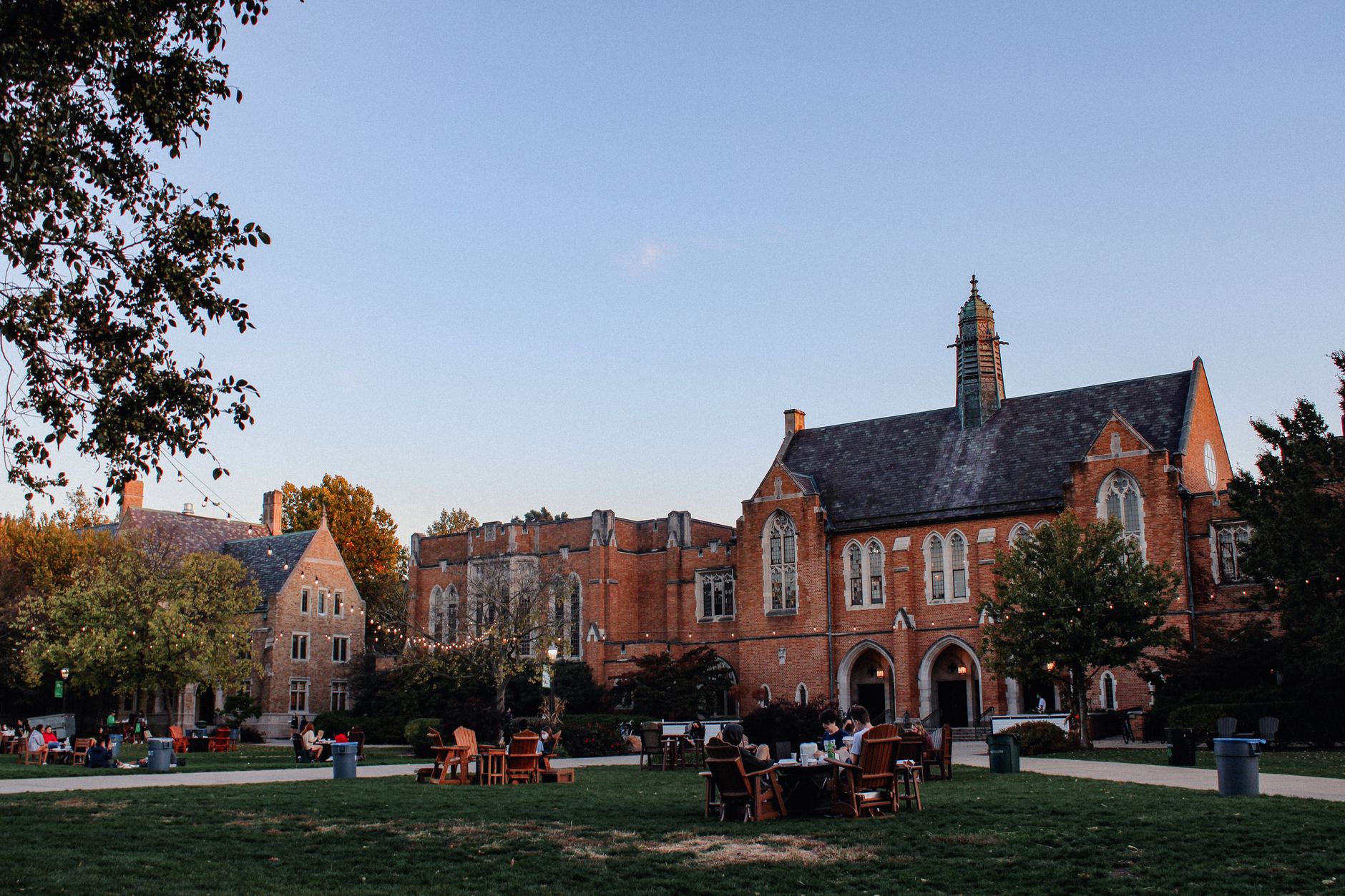
Feeding a campus that never stops moving
A large US university campus feeds a dining population spread across many buildings, class blocks and residence halls. Students often cannot leave a lecture or a study session to collect an order, so food has to travel to them across long and busy paths shared with other foot traffic.
For a dining operation, the question is how to keep orders moving across that distance without adding more walking to shifts that are already full. Each run a person makes across campus is time taken away from the counter and the kitchen.
The campus chose sidewalk delivery robots, a category built for short and repeated trips on pedestrian paths. The real test was never a single demonstration day. It was whether the service would keep getting used after the novelty wore off.
Launching on campus paths and keeping the service running
The program began in January 2019 with sidewalk delivery robots carrying food orders between dining locations and the people who ordered them. The robots work the paths students already walk, so the service fits the existing day instead of asking students to change how they eat.
Running a fleet is an operating job that continues long after launch. Robots need charging, route upkeep, supervision and quick repair when something goes wrong, and the campus depended on the robot supplier to keep the service dependable as use grew. The program was kept running over several years.
Rollouts of this kind usually move through a few stages: route selection, onboarding for staff and customers, a limited start, then wider coverage as the team learns where orders cluster and where paths need attention.
- Map the routes that carry the most food traffic and the trickiest crossings
- Set up ordering and handoff so students and staff know how a robot delivery works
- Start on a defined set of paths, then widen coverage as traffic patterns become clear
- Keep a service contact, charging routine and repair path in place from day one
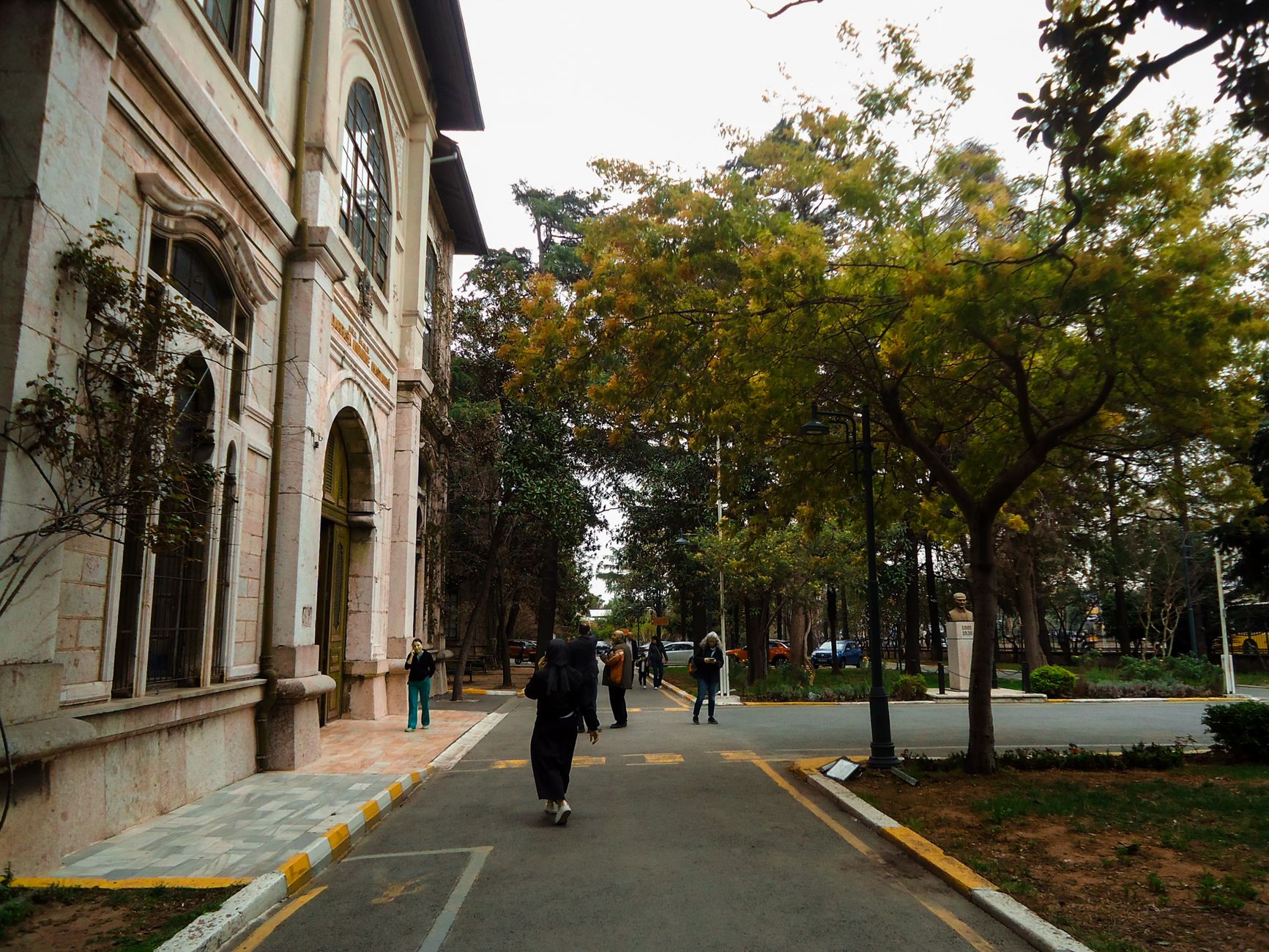
What the reported figures show
The program reports about 600,000 total deliveries since January 2019, averaging roughly 12,000 deliveries a month. Those totals describe sustained usage across the life of the service, which is the evidence a campus needs before a robot program becomes part of normal dining operations.
A reorder rate of 91% is the clearest signal of repeat use in the reported results. It means most people who tried the service came back for more, which measures adoption and habit rather than any change in staffing.
These are usage results. They measure how much the service was used and how often people returned to it, and they do not put a number on labor savings, staff hours or cost. A business weighing a similar program should measure its own staff time and order flow before drawing conclusions about the economics.
What this means for a commercial robot lease
This study is a documented example we analyze, not a deployment we ran. Its practical lesson is that a food delivery robot earns its place through steady use, and steady use depends on sound routes, good onboarding and a service team that responds quickly. Service Robot Co. is a full service, OEM neutral commercial robot integrator for US businesses, selecting the right robot across manufacturers instead of pushing one brand.
We handle the whole lifecycle in one place. That covers site assessment, robot selection, lease financing on a 3 year lease with one fixed payment quoted after the assessment, deployment and integration, staff training, and service through our nationwide US engineer network. A campus, hotel, hospital or restaurant works with one partner and one number from start to finish.
A business that wants to test first can start with one leased unit. A restaurant delivery robot lease, a hotel delivery robot lease or a campus food running program all begin with a site assessment that maps the work before any robot moves.
Frequently asked questions
Want a robot working for you?
Tell us the job and the site. We will recommend the robot, quote the lease, and keep it serviced.