
a tertiary intensive care unit in Taiwan
Delivery Robots Take Over Nurse Transport Runs in a Taiwan ICU
A tertiary ICU in Taiwan assigned delivery robots to nurse transport runs, reporting 81.6 percent less logistics time and 1,505 fewer daily meters walked.
Deployment at a glance
- 81.6%
- Less nurse active logistics time, per the study authors
- 20.43 min
- Daily nurse logistics time, down from 111.34 minutes
- 1,505 m
- Less daily nurse walking distance, reported by the authors
- NT$2,984
- Cost per nursing hour saved, a figure the authors report
Based on a documented real-world deployment. Figures are from public reporting; the organization is not named.
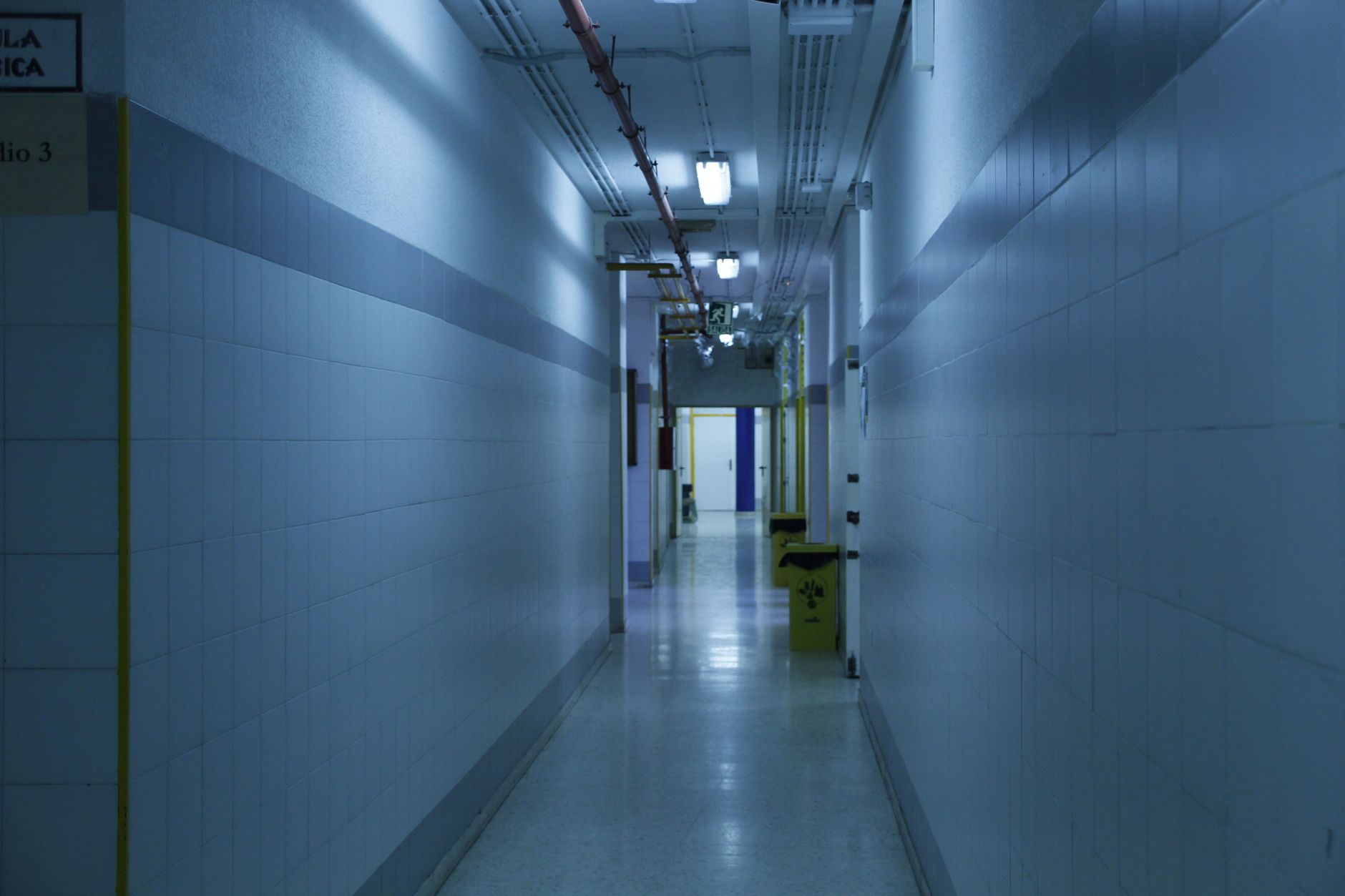
The Transport Burden Inside an ICU
In a tertiary intensive care unit, moving supplies and materials from point to point is work that can be easy to overlook in staffing plans. It still lands on nurses, who must step away from patients to carry it out. The study frames the problem as a nursing transport burden, a phrase that covers both the minutes consumed and the physical strain of repeated walking.
The question the study addresses is practical. How much nurse time goes to logistics each day, and can delivery robots take a meaningful share of those runs without adding friction at the bedside? To answer it, the authors compared manual transport with a robot assisted logistics model in the same intensive care setting.
A Zone Model for Robot Assisted Transport
The study sets two states side by side: manual nurse transport and a robot assisted logistics model. In the robot model, the delivery robots were deployed by zone, and that zone structure is what the authors used to organize the change they measured.
The measurement chain is straightforward. The primary outcome was nursing hours saved. Nurses' active logistics time and daily walking distance were tracked, and program costs were annualized over an assumed seven year equipment lifespan with a 3% discount rate.
- Compare manual nurse transport with a robot assisted logistics model
- Deploy delivery robots by zone across the intensive care unit
- Measure nurse active logistics time before and after the change
- Track daily nurse walking distance as a measure of physical burden
- Set nursing hours saved as the primary outcome
- Annualize program cost over a seven year equipment lifespan at a 3% discount rate
What the Authors Measured
The headline result is an 81.6% reduction in nurses' active logistics time, from 111.34 minutes a day to 20.43 minutes a day. The authors attribute that change to the zone based robot deployment. Daily walking distance fell by 1,505 meters, which puts the physical side of the burden into terms a floor nurse would recognize.
Cost is the harder half of the story. The authors put annualized program cost at NT$1.65 million and the cost per nursing hour saved at NT$2,984. They acknowledge that this exceeded prevailing wage rates, so the case rests on what the freed time can buy, not on wage savings alone.
The authors argue that the released time could support direct patient care and workforce sustainability. That is a judgment about value rather than a line item, and it is worth testing against the staffing realities of each unit before any decision is made.
What This Means for a Hospital Delivery Robot Lease
A hospital delivery robot lease only pays off if the robots keep moving, stay on their routes and return to service quickly when something fails. Those are the parts of a deployment that a spreadsheet cannot settle, and they are the parts we handle.
Service Robot Co. is a full service, OEM neutral commercial robot integrator for US businesses. We select robots across manufacturers, then finance, deploy, integrate, train and service every unit through a nationwide US engineer network. One partner, one number, from site planning through daily upkeep. Robot lease options run on a three year term, with one fixed payment quoted after a site assessment, so the cost is set before the robots arrive.
A facility does not have to commit to a fleet on day one. It can start with one leased unit, run it on its own routes and decide on more from real data. Ask how service is structured, including backup robot program options, spare unit coverage and on site dispatch for your location. The study's cost finding is a good reason to ask for the full picture early.
Frequently asked questions
Want a robot working for you?
Tell us the job and the site. We will recommend the robot, quote the lease, and keep it serviced.