
a large European automotive body and stamping plant producing about 2,000 vehicles per day
How a European Auto Body Plant Freed 40 Man-Hours Daily with Line-Side AMRs
Line-side AMRs at a European auto body plant free up to 40 man-hours per robot daily on spare-parts runs amid forklifts and welding stations.
- 40 hr
- Freed/robot
- 3
- AMR fleet
- 2,000
- Cars/day
- SLAM
- Navigation
Based on a documented real-world deployment. Figures are from public reporting; the organization is not named.
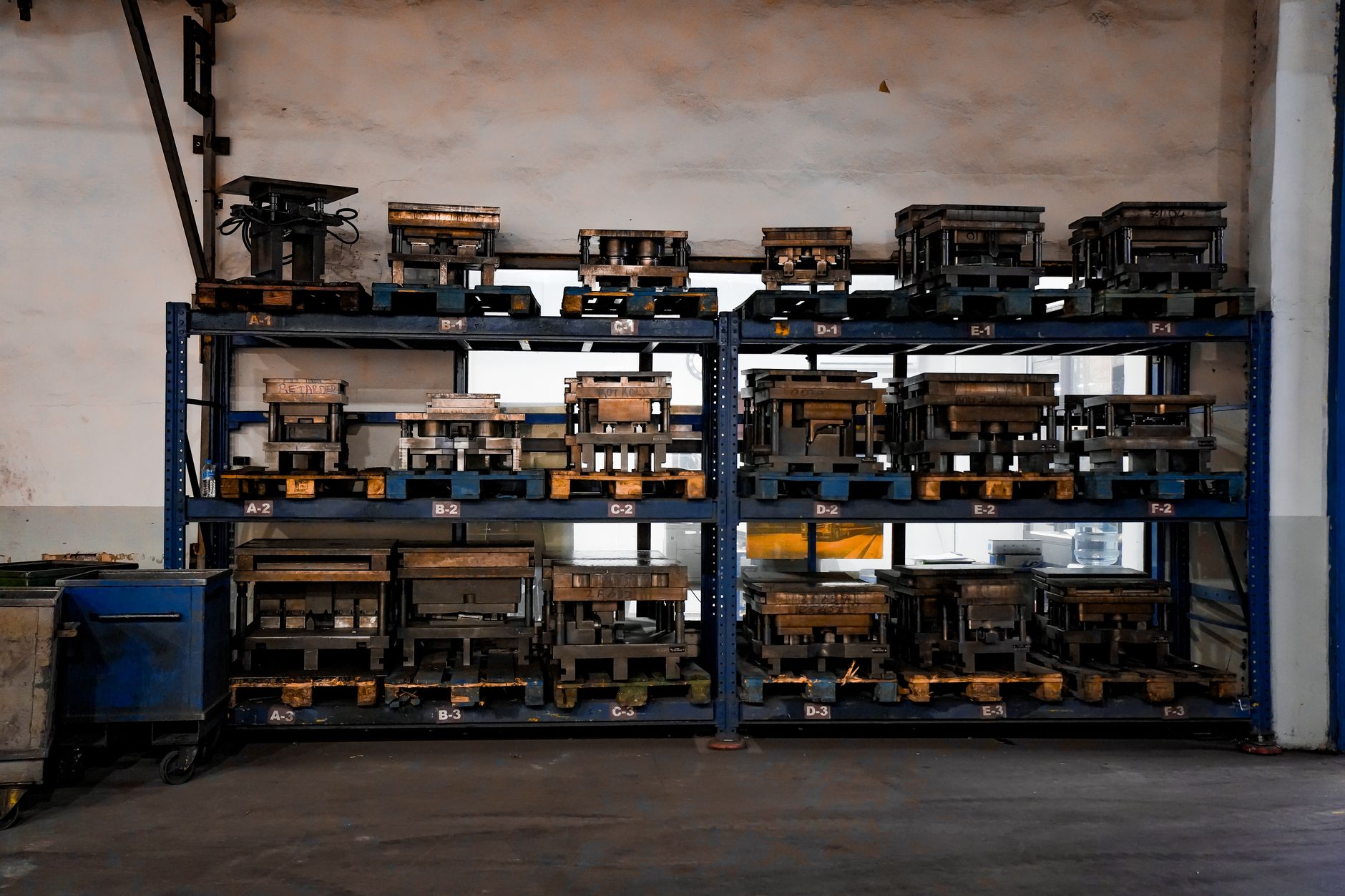
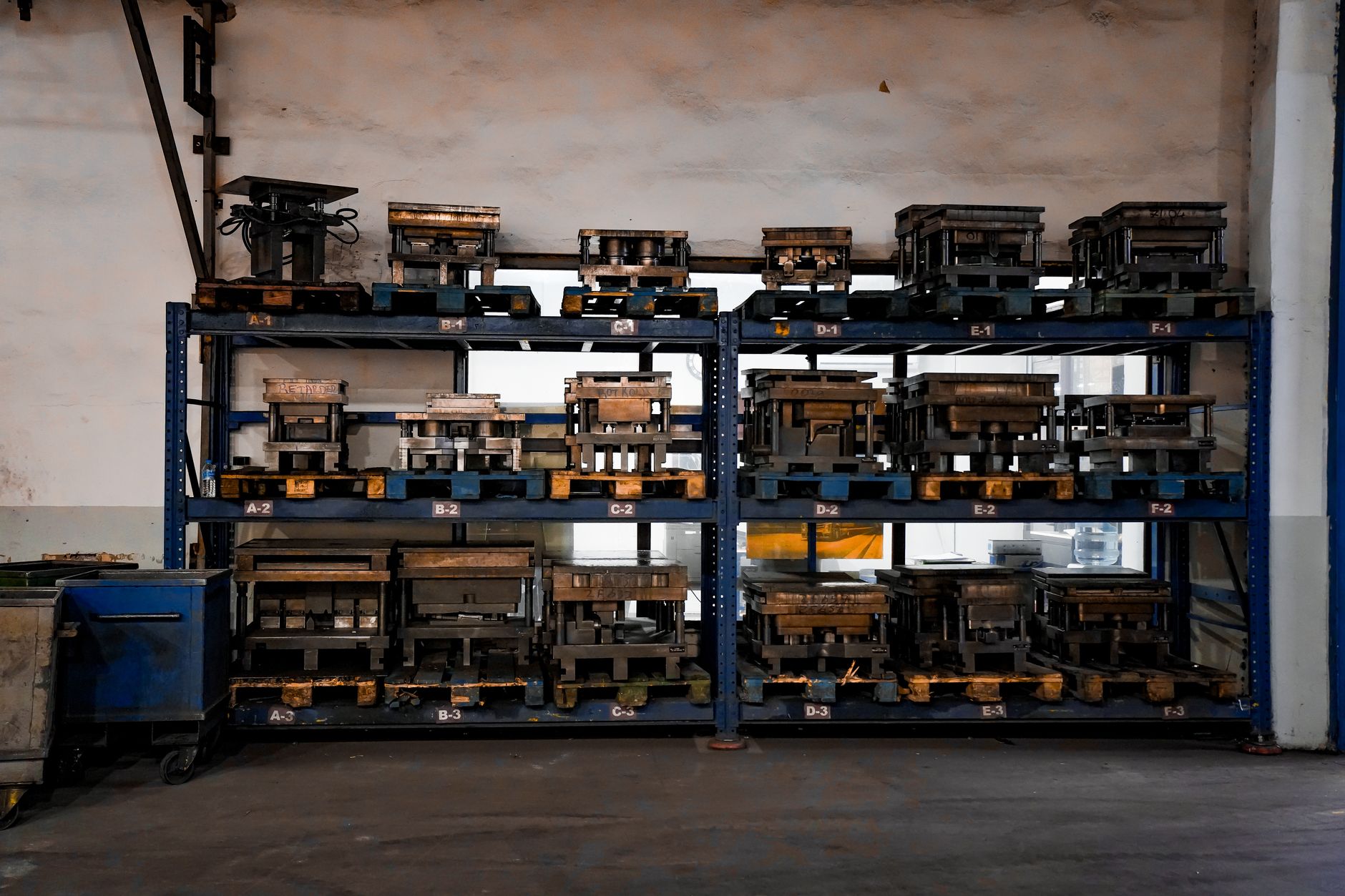
Manual Parts Runs Across a Massive Stamping Floor
A large European automotive body and stamping plant builds about 2,000 vehicles per day across roughly 300,000 square meters. Welding and industrial materials must reach fixed robot stations on time, yet operators were walking repetitive warehouse-to-line routes that added no technical value.
Forklifts, foot traffic, and station changeovers share the same aisles. Leadership wanted line-side delivery without magnetic stripes or floor tape that damages concrete and locks routes when layouts shift.
- Warehouse-to-line spare parts delivery
- Welding material replenishment at stations
- Repetitive walks in mixed forklift traffic
- Rejected tape-guided fixed paths
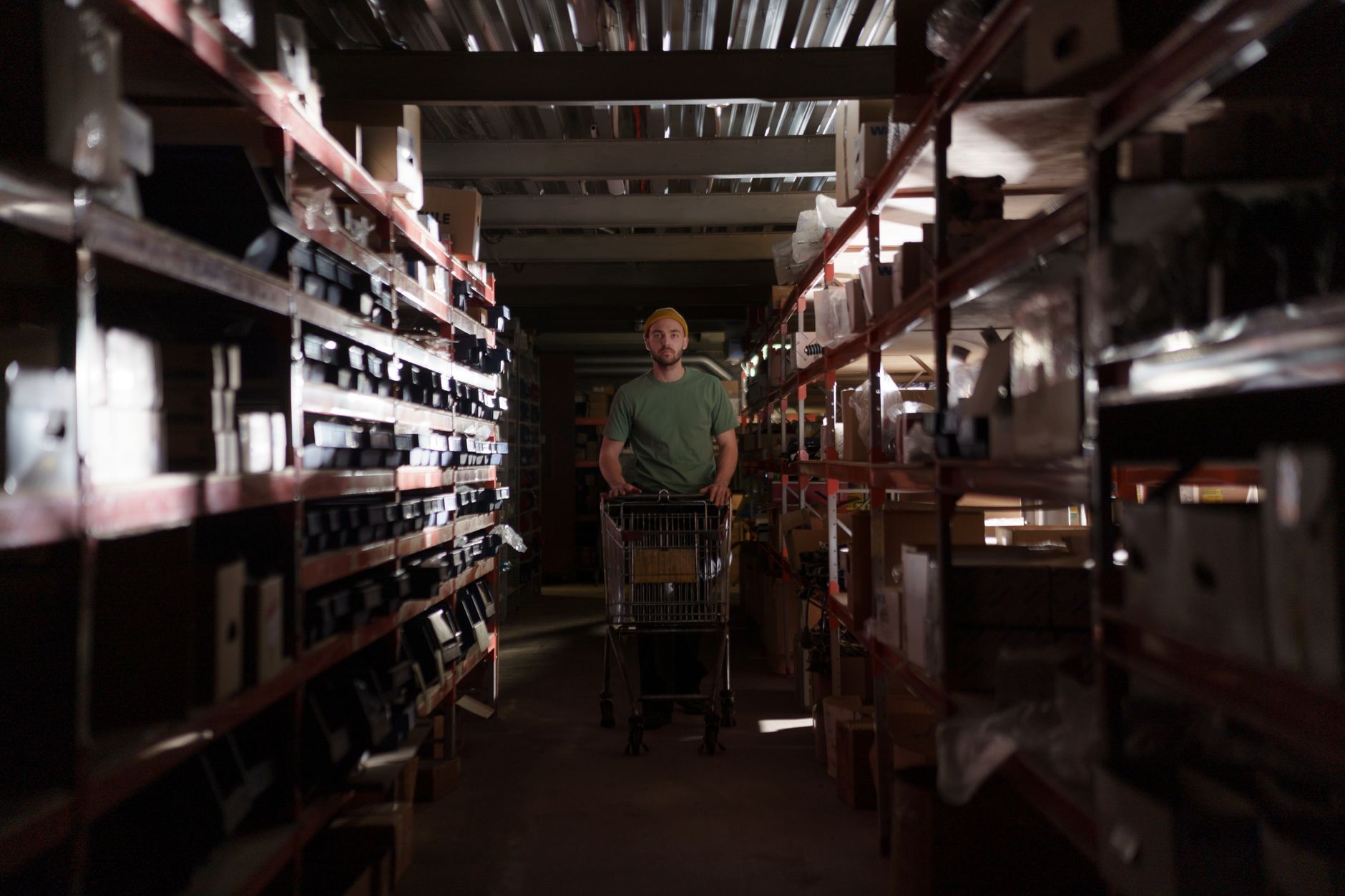
Collaborative AMRs With Mapped Autonomous Routes
The site introduced three medium-payload autonomous mobile robots for spare-parts distribution from warehouse to body and stamping lines. Each unit learned the plant map and navigates with onboard sensors, slowing or stopping for people and vehicles without external beacons.
Engineering staff named the first unit after it survived early trials in a busy stamping environment, then added two more once the route proved reliable. Robots carry an automated shelving system with multiple slots so each station receives only its assigned materials.
Operators who once stared at the first test runs now work around the fleet as a normal shift partner. Routes span the full factory footprint while staying editable when stations move.
- Map the plant once for autonomous navigation
- Start with one AMR on spare-parts milk runs
- Add shelving slots matched to station lists
- Expand to three robots after pilot uptime
- Keep paths editable without floor markers
Up to 40 Man-Hours Back per Robot Each Day
Published plant tests credit one mobile robot alone with freeing up to 40 man-hours per day previously spent on distribution tasks. Staff redirect that time toward production support and more skilled work instead of walking carts.
Three robots now cover the body and stamping area with user-friendly controls so non-specialists can launch missions. The source does not publish fleet payback months or dollar savings, so treat the hour figure as site-reported outcomes from one documented European deployment.
What US Auto Suppliers Can Study
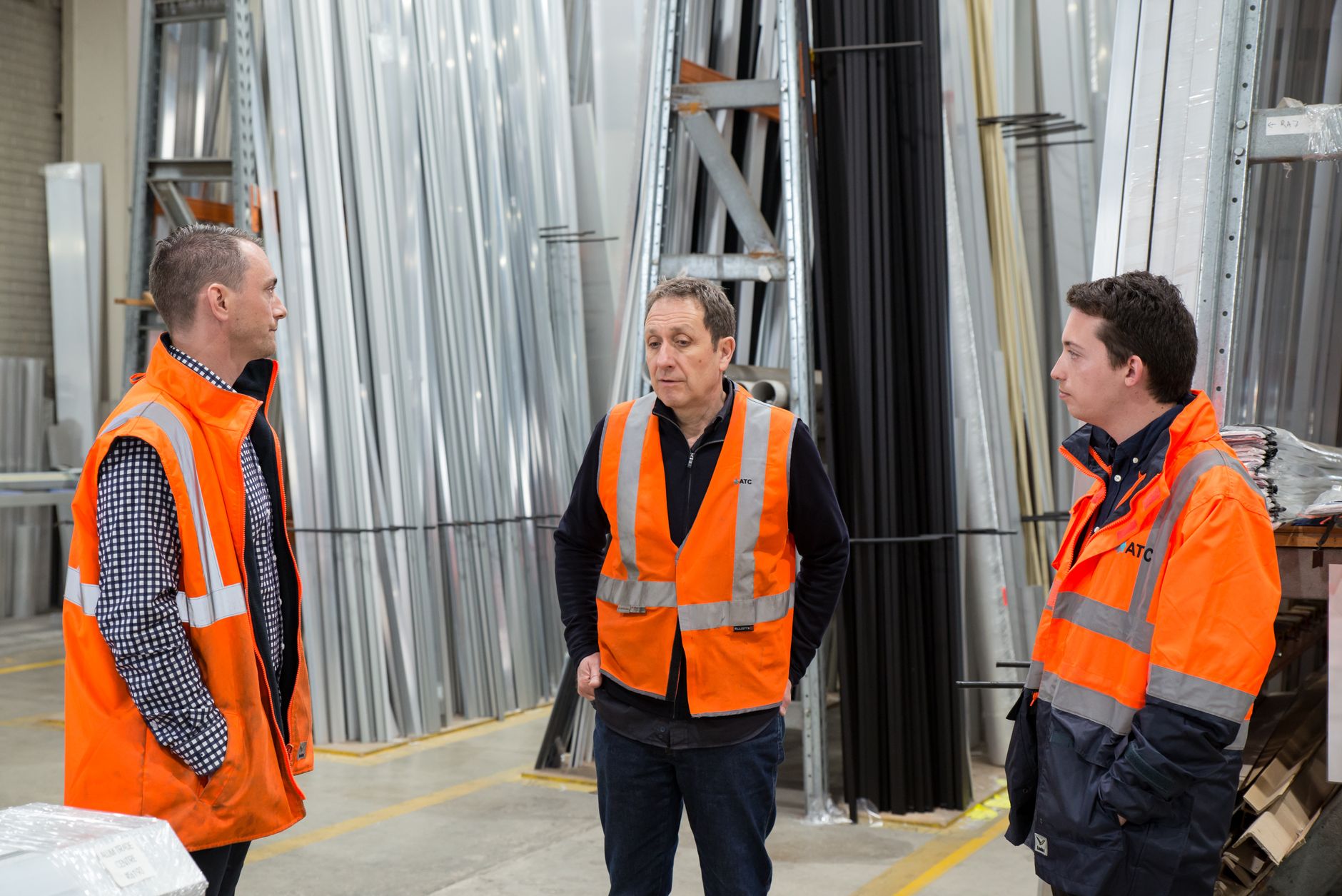
Service Robot Co. did not run this deployment. It shows how man-hours per robot become the honest metric when forklifts already own the aisle and tape-guided AGVs cannot follow line changes.
Service Robot Co. gives US businesses one partner for selection, financing, deployment, integration, training, and nationwide service across cleaning, delivery, security, and warehouse robots. Shared-aisle traffic studies should happen in a site assessment before lease or purchase terms are set.
When spare-parts walks eat a full shift, SLAM-guided AMRs may beat fixed-route tuggers that cannot detour around a parked forklift.