
a food manufacturer running robotic cleaning across four facilities
Cleaning Robot Fleet at a Food Plant: 72% Fewer Incidents, Vendor Reported
How a food manufacturer across four facilities used a fleet of 28 cleaning robots to cut hygiene incidents and labor cost, figures vendor reported.
Deployment at a glance
- 72%
- fewer hygiene incidents, vendor reported
- 44%
- lower cleaning labor cost, vendor reported
- 98.1%
- sanitation score, up from 81.4% over eight months
- 28
- autonomous cleaning robots across four facilities
Based on a documented real-world deployment. Figures are from public reporting; the organization is not named.
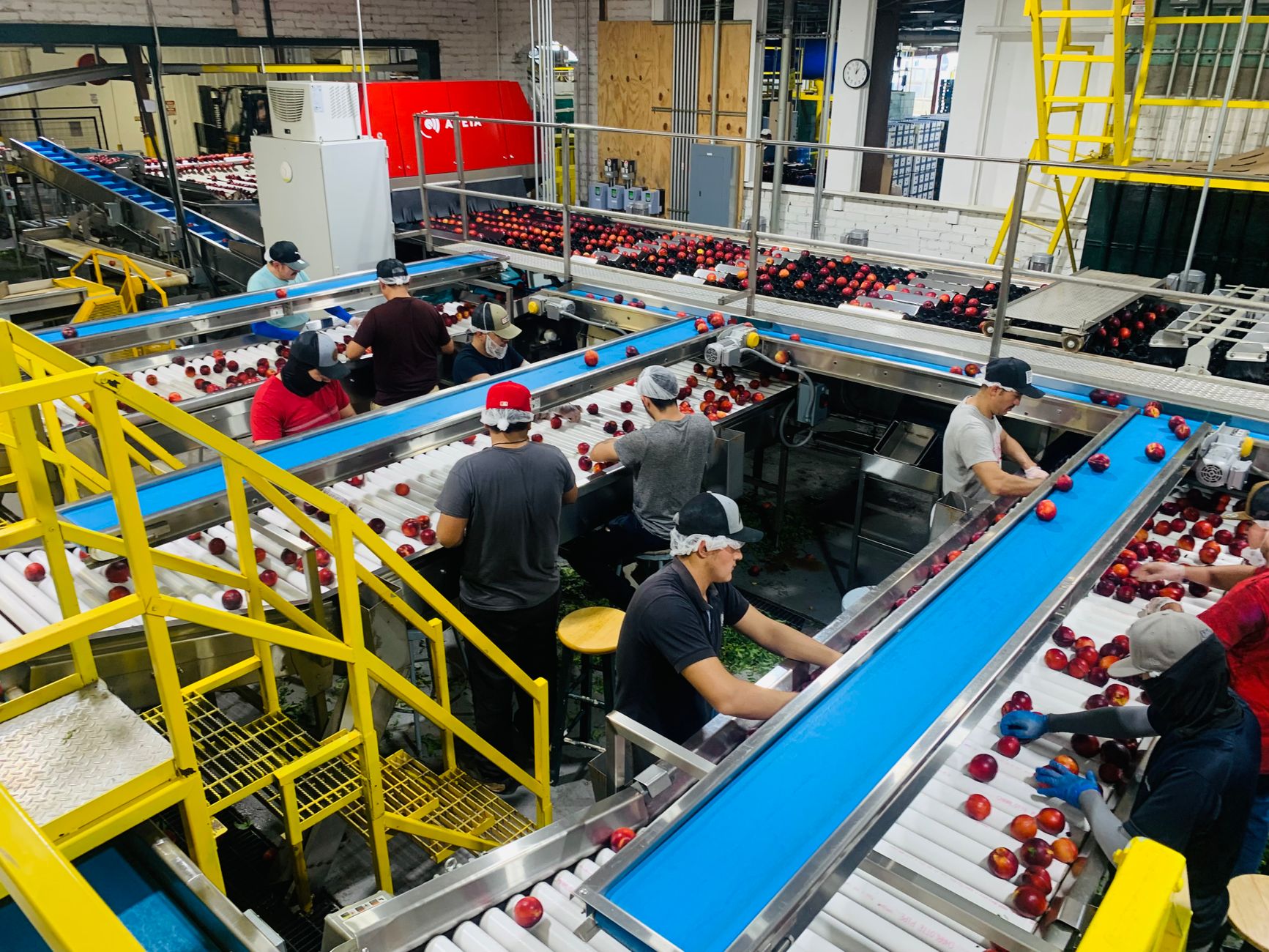
Sanitation that never stops at a food plant
Sanitation in food manufacturing is a standing obligation, not a periodic chore. Floors, drains and processing areas must be cleaned on schedules that fit production, and a missed pass can become a hygiene incident that reaches the product. Running that routine across four facilities multiplies the pressure, because each site needs the same discipline with its own layout and its own crew.
Before the fleet arrived, sanitation quality sat at an 81.4 percent score and cleaning labor was a large, recurring cost. Those two pressures pull against each other. Adding people to raise coverage adds cost, and trimming labor puts the score at risk. A plant in that position wants a way to hold quality steady while the cost line moves down.
Building a fleet across four facilities
The deployment grew to 28 autonomous cleaning robots spread across the four facilities. Spreading a fleet over several sites is mostly a planning exercise, and most of the work happens before the first unit moves. Teams that get it right treat the site survey as the foundation for every decision that follows.
A rollout of this kind generally runs in a recognizable order, and each step gives the plant something to check before the next one begins.
- Map each facility's floors, drains, traffic lanes and production schedule
- Match robot types and cleaning routes to each area
- Train the supervisors who monitor the fleet and clear exceptions
- Roll out across the remaining sites while tracking sanitation scores
- Keep a service channel open for every unit after go live

What the vendor reports
The vendor reports 72 percent fewer hygiene incidents and a 44 percent reduction in cleaning labor cost. These figures are the vendor's account of the deployment and have not been independently audited, so they should be read as reported outcomes rather than a third party benchmark.
Sanitation scores climbed from 81.4 percent to 98.1 percent over eight months. The vendor also reports that the deployment reached full return on investment in the same eight month window. Those are the headline results. A plant weighing a similar project should ask for the incident records, labor figures and scoring method behind each one before drawing its own conclusions.
What this means for a plant planning a fleet
Fleet results depend heavily on setup: which units suit which floors, how the fleet is financed, and who keeps it running once it is live. Service Robot Co. is a full service, OEM neutral commercial robot integrator for US businesses. We select the right robots across manufacturers, then finance, deploy, integrate, train, and service every unit through a nationwide US engineer network, so one partner carries the whole lifecycle.
Our offer is a lease. A lease over three years carries one fixed payment, quoted after a site assessment that maps the facility before anything is committed. For a food manufacturer with several sites, commercial cleaning robot leasing can start with one facility and extend from there, which keeps the capital outlay modest and the scope easy to check. Lease financing programs are arranged alongside deployment and service.
Frequently asked questions
Want a robot working for you?
Tell us the job and the site. We will recommend the robot, quote the lease, and keep it serviced.