
an Indiana wood furniture manufacturer with more than one million square feet of plant space
How a Furniture Plant Replaced Three Full Shifts of Cart Runs With AMRs
Three AMRs carry 1,250-pound loads across a 1.4M sq ft Indiana furniture plant, redeploying three full-time material handling shifts.
- 3
- AMR fleet
- 1,250 lb
- Payload
- 1.4M sf
- Plant
- 3
- Roles freed
Based on a documented real-world deployment. Figures are from public reporting; the organization is not named.
Golf Cart Shuttles Across a Million-Square-Foot Plant
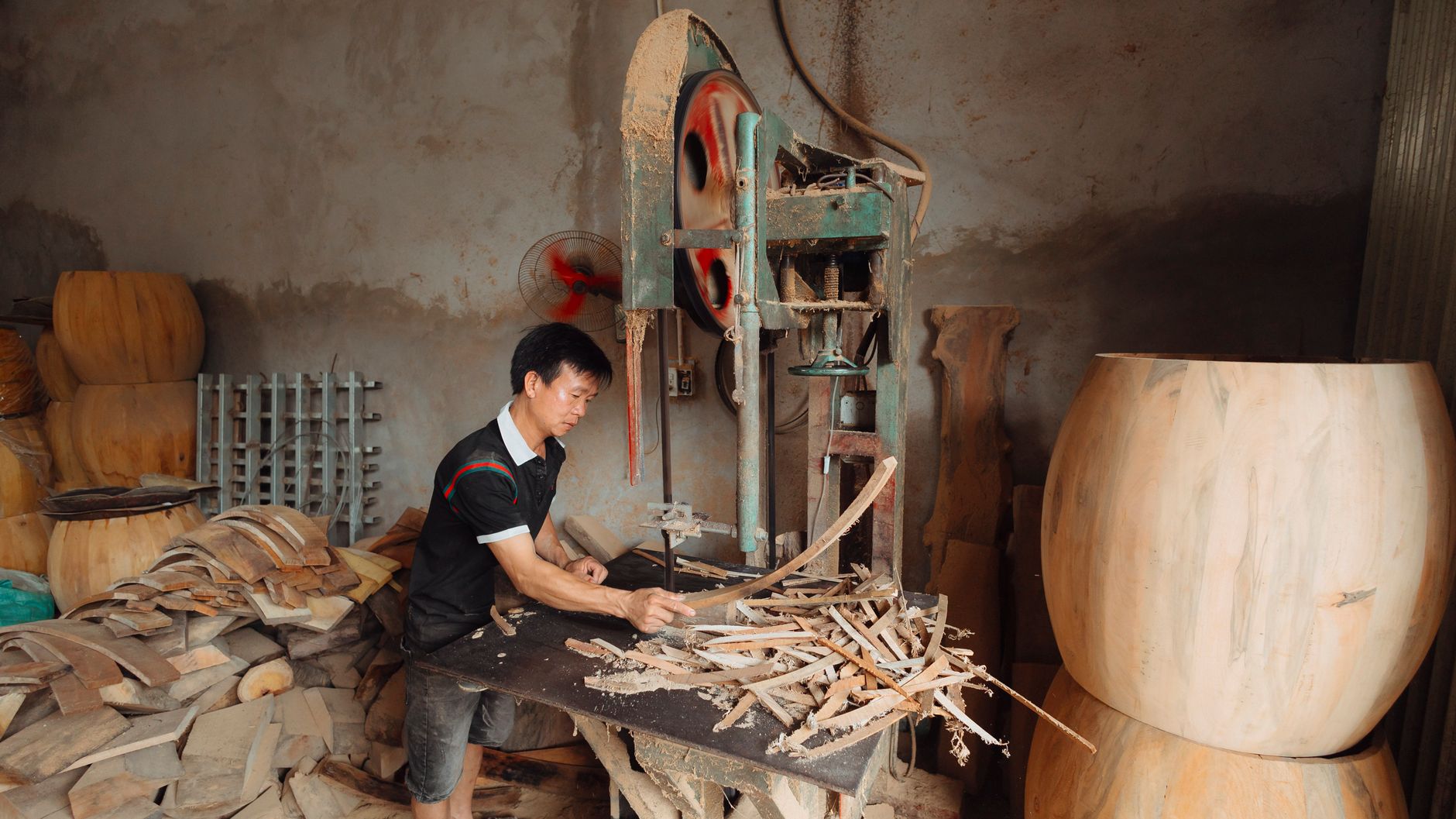
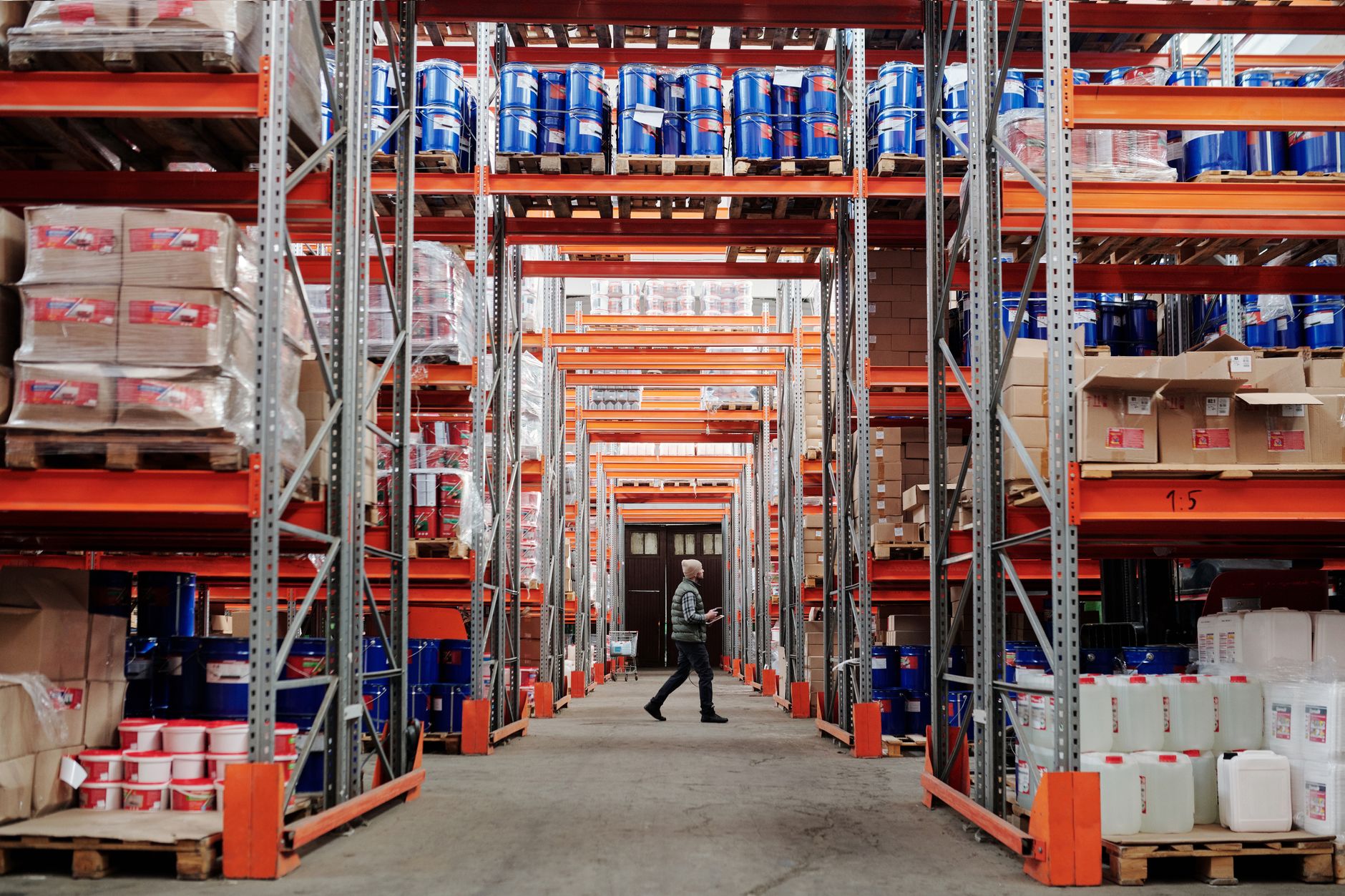
An Indiana wood furniture manufacturer serving education, corporate, dining, and government customers runs production across more than one million square feet. Raw materials had to move from shipping and receiving on one side of a 1.4 million square foot building to lines on the other, often by employees driving golf carts on repeated shuttles.
Leadership described materials arriving late because so much time went to back-and-forth runs. Three people effectively worked full eight-hour days on that handling alone, and the team wanted organized flows without wasting skilled time on shepherding carts.
- Receiving to distant production lines
- Multiple daily cart shuttles
- Three full-time handling roles
- Parts rarely where lines needed them
Three Heavy AMRs on Continuous Loops
The site deployed three heavy-payload autonomous mobile robots with integrator support for hardware, software, and training. Continuous improvement staff mapped routes, built dashboards, and scheduled automated missions after a few weeks of onsite training.
Robots run from shift start through shift end without downtime, moving loaded carts from receiving to production and returning empties. Each unit carries up to 1,250 pounds and reroutes around obstructions in shared aisles.
A third robot joined after the first two proved stable, with plans to serve an upstairs upholstery line next.
- Pilot AMRs on receiving-to-line loops
- Train internal staff to schedule routes
- Use dashboards to track fleet uptime
- Add a third robot after early success
- Extend routes to upstairs production
Three Eight-Hour Handling Jobs Redeployed
Operations leadership states the plant went from three people working eight hours daily on material handling to the same work augmented by AMRs, with those workers redeployed elsewhere in the factory. Management filmed the system after one week to show executives how quickly integration landed.
Employees named the robots and reported less apprehension once they understood repetitive cart runs would disappear while jobs shifted to other departments. The source does not publish dollar ROI or US lease pricing.
What US Furniture Plants Can Study
Service Robot Co. did not run this deployment. It shows how three full shifts of cart time in a sprawling plant can be a clear before metric when receiving and lines sit far apart.
Service Robot Co. gives US businesses one partner for selection, financing, deployment, integration, training, and nationwide service across cleaning, delivery, security, and warehouse robots. Million-square-foot sites should map longest cart legs during a site assessment before lease or purchase terms are set.
When golf cart shuttles eat three eight-hour roles, heavy AMRs on continuous loops may beat hiring more drivers for the same aisles.