
a diesel generator assembly plant in central China
How a Generator Assembly Plant Saved 2.5 Hours per Shift per AMR on Line Feeding
AMRs on a Chinese generator assembly line save at least 2.5 man-hours each on empty returns and replenishment amid forklifts and shared aisles.
- 2.5 hr
- Saved/robot
- SLAM
- Navigation
- Line
- Edge feed
- 0
- Floor tape
Based on a documented real-world deployment. Figures are from public reporting; the organization is not named.
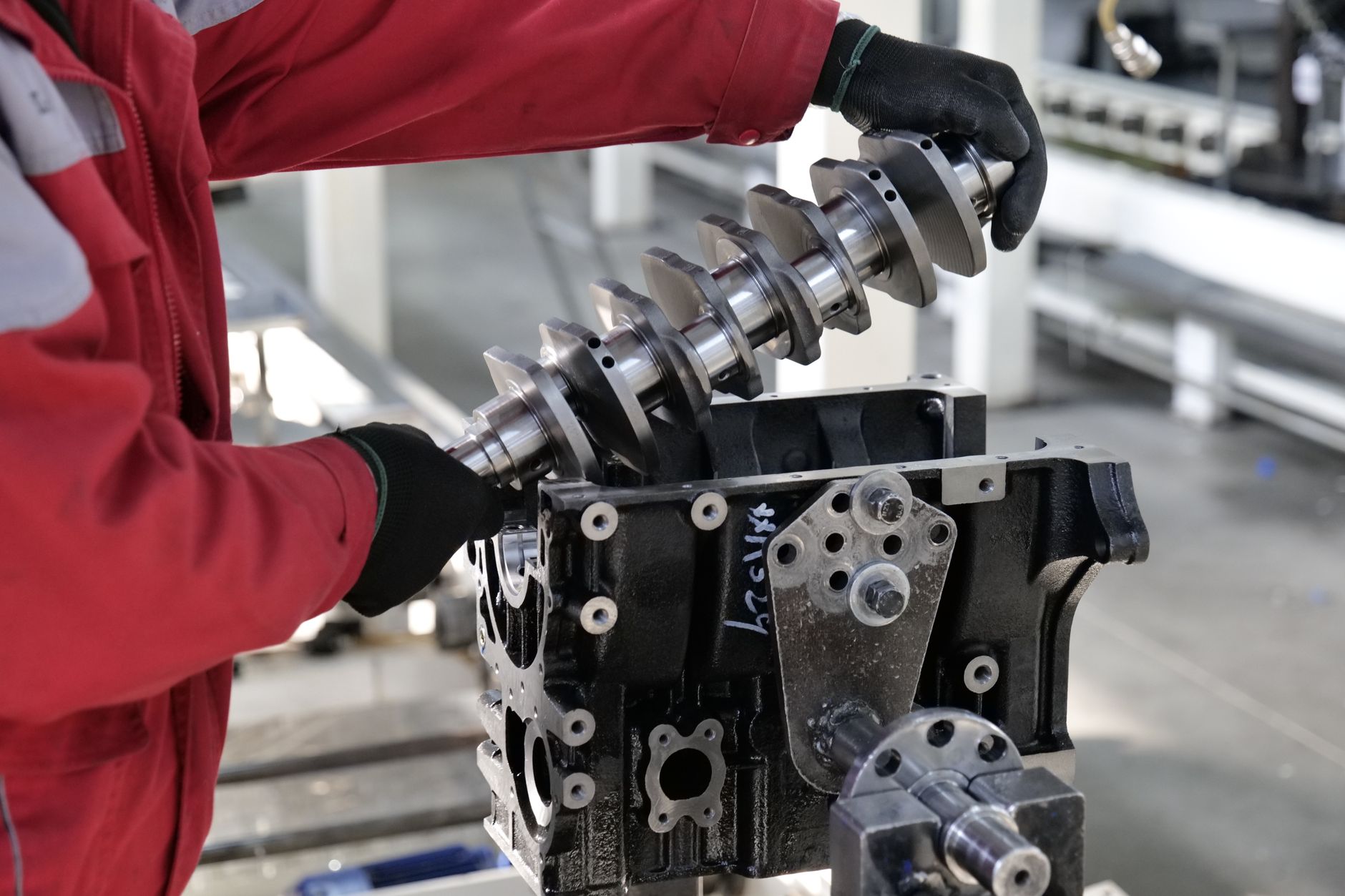
Manual Line Feeding Amid Forklift Traffic
A diesel generator assembly plant in central China builds medium-horsepower and heavy-duty generator sets on lines surrounded by forklifts, pallet trucks, and foot traffic. Operators spent time on empty-container returns and material replenishment that did not add technical value to each unit.
Leadership wanted safer, more predictable line-side feeding without installing magnetic stripes or reflective markers that damage floors and freeze routes when layouts shift.
- Edge feeding and empty-container returns
- Forklifts and people sharing aisles
- Non-technical material moves each shift
- Rejected fixed tape-guided routes
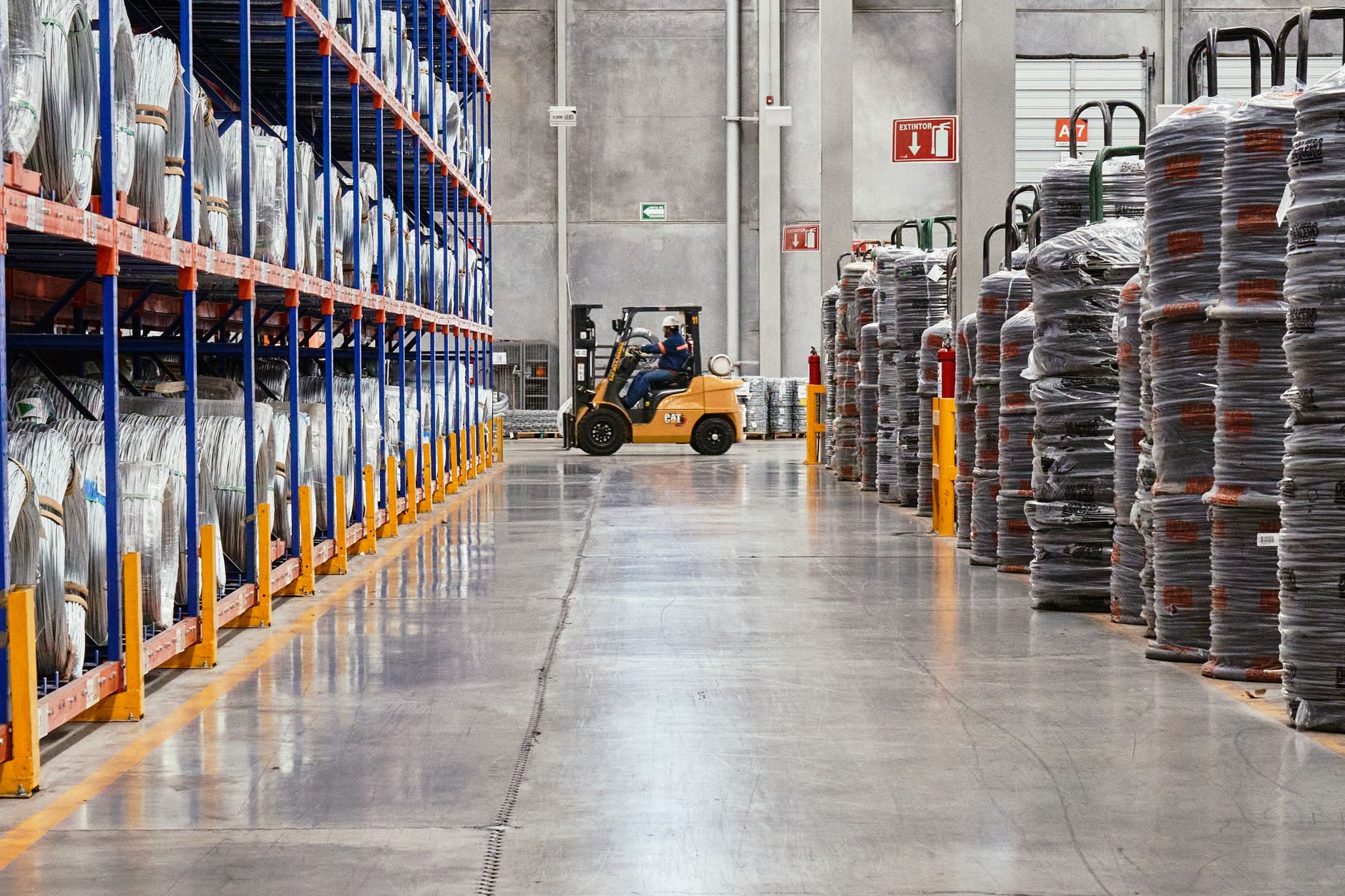
Medium-Payload AMRs With Laser SLAM Navigation
The site deployed medium-payload autonomous mobile robots on the heavy-duty generator assembly line for edge feeding, empty-container return, and transport between stations. Laser SLAM navigation lets teams add or remove stops and adjust paths, frequency, and speed without pegs or floor tape.
Robots detour around obstacles autonomously in a plant where vehicles and pedestrians share space. Leadership plans to extend the same approach to higher-horsepower assembly lines after the first line proves out.
The deployment follows earlier automation work at other global generator plants, but this write-up treats only the documented Wuhan-line outcomes as verified facts.
- Assign AMRs to edge feed and empty returns
- Use SLAM so routes edit without floor damage
- Tune station lists and speeds per line change
- Plan expansion to higher-horsepower lines
At Least 2.5 Man-Hours Back per Robot Daily
Each autonomous mobile robot saves at least two and a half man-hours on manual empty-container return and material replenishment according to the published case. Staff time shifts away from trivial moves toward production work while ergonomic injury risk from repetitive transport is targeted for reduction.
The source does not publish payback months, fleet size totals, or dollar savings for this line. Treat the per-robot hour figure and safety goals as site-reported outcomes from one documented deployment.
What US Assembly Plants Can Study

Service Robot Co. did not run this deployment. It shows how line-side feeding gains can be measured in man-hours per robot when forklifts already dominate the aisle.
Service Robot Co. gives US businesses one partner for selection, financing, deployment, integration, training, and nationwide service across cleaning, delivery, security, and warehouse robots. Shared-aisle traffic studies should happen in a site assessment before lease or purchase terms are set.
When empty returns and replenishment eat hours per shift, SLAM-guided AMRs may beat tape-guided AGVs that cannot follow line changes.