
a German metrology and testing-equipment manufacturer
How a German Metrology Plant Automated 95% of Intralogistics With AMRs
A German metrology manufacturer mapped up to 95% of intralogistics to two shelf-equipped AMRs, saving 1,200+ km of travel and cutting lift waits across floors.
- 95%
- Intralogistics mapped
- 1,200+ km
- Travel saved
- 2
- AMRs deployed
- 90%
- Early process share
Based on a documented real-world deployment. Figures are from public reporting; the organization is not named.
Manual Carts Across Busy Floors
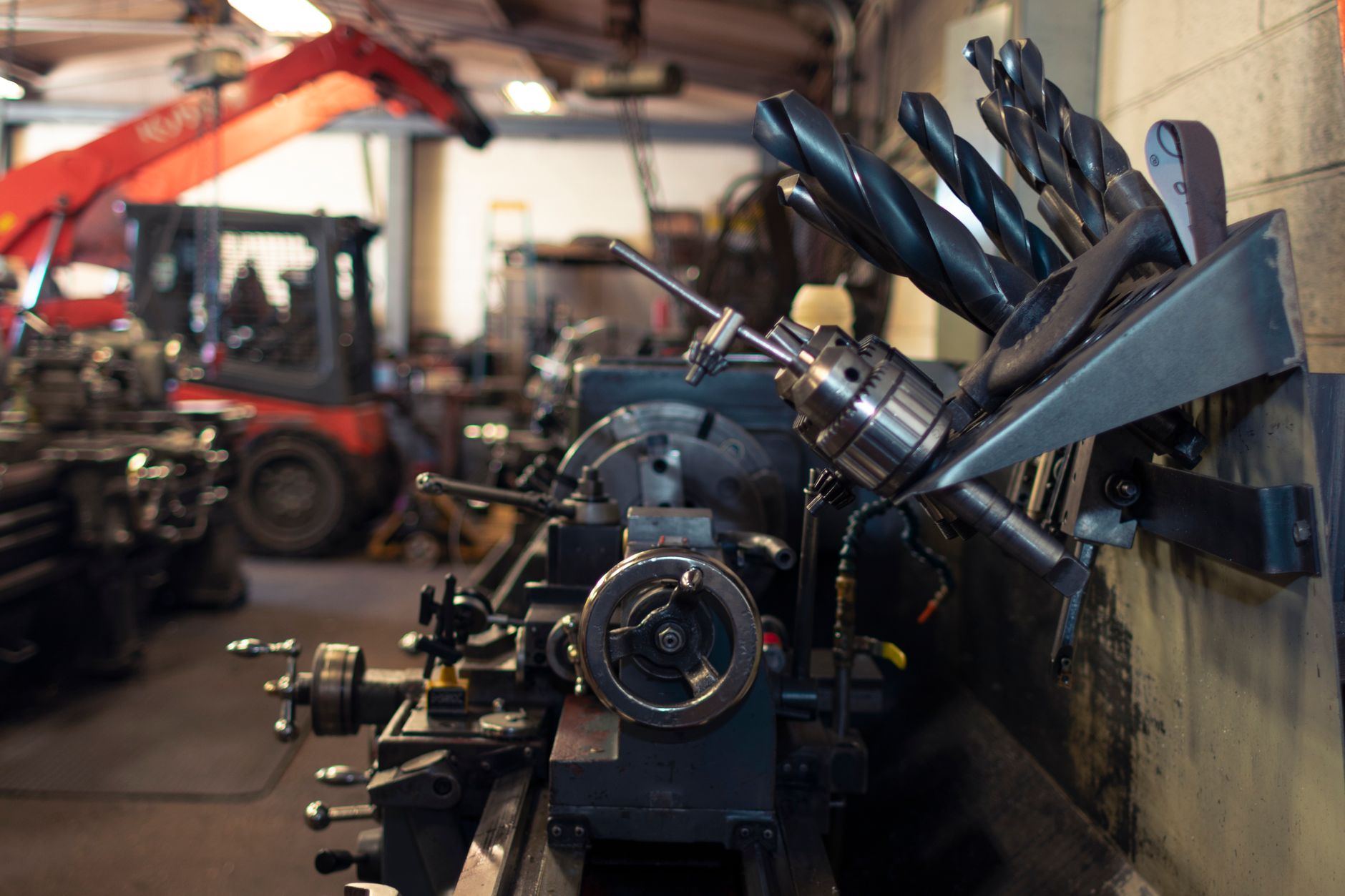
A German metrology and testing-equipment manufacturer saw demand climb as customers pushed for tighter measurement accuracy and more automated machine-tool production. Intralogistics still relied on material and shelf trolleys that employees pushed between stations on multiple floors.
The goal was flexible automation that could grow with a long logistics roadmap without locking the plant into one-piece flow that underused autonomous transport. Routes included lifts, doorways, and production areas where waiting time quietly consumed capacity.
- Rising demand for precision measurement gear
- Multi-floor manual trolley moves
- Lift queues and travel time on every shift
- Need for phased automation, not a full blackout retrofit
Shelf AMRs, Lift Links, and Deliberate Human Triggers

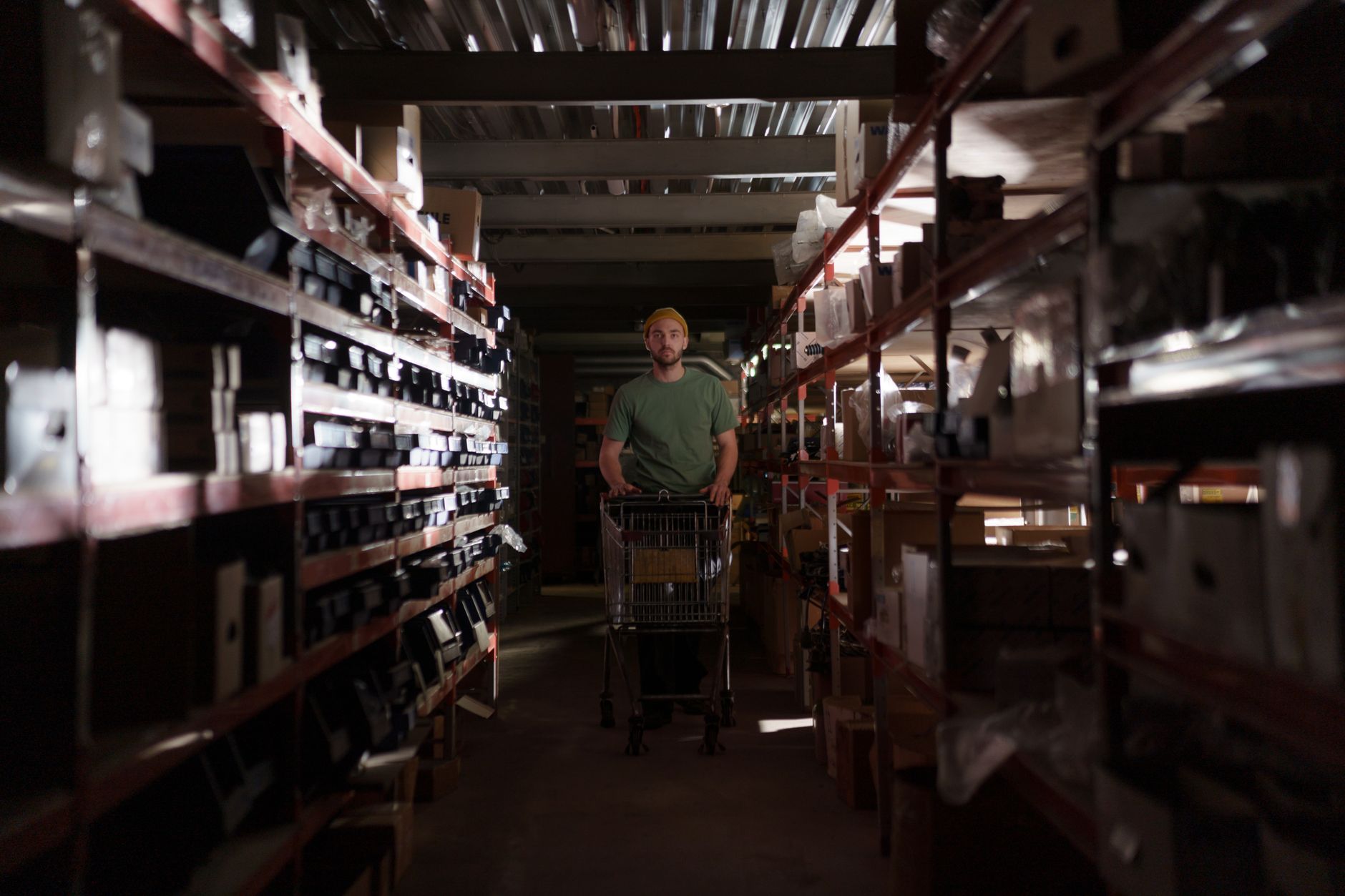
An integration partner tested a prototype shelf trolley off site, then planned two medium-payload autonomous mobile robots with shelf top modules. Layout work mapped sources, sinks, and loading stations before door controls and a lift interface were commissioned.
Fleet software was installed and debugged when lift communications threw sporadic faults. Safety acceptance covered the robots and custom carts built for small load carriers and half-Euro pallet formats. Additional sources and sinks were added iteratively as staff gained confidence.
Leadership kept missions manually triggered so crews treated the AMRs as tools they owned rather than rivals. That choice traded full lights-out transport for faster adoption and room to expand the fleet later.
- Prototype cart validation before go-live
- Cross-floor shelf transport instead of one-piece-only flow
- Lift and door integration with software fixes
- CE safety sign-off on robots and custom carts
- Manual mission starts to anchor operator ownership
Measured Miles Out of People’s Shoes
The fleet initially covered about 90% of intralogistics processes, and the published account later states up to 95% can be mapped through the autonomous transport system. Documented travel savings exceed 1,200 kilometers as of the case publication.
Eliminating walk-and-wait loops freed employee time for higher-value work. Lift lines shortened, logistics steps standardized, and error rates dropped because carts arrived on repeatable paths.
The project is described as quick, efficient, and with a short return on investment, although the source provides no payback months or dollar figures. Leadership framed it as one step in a ten-year logistics automation agenda with room to connect warehouse systems next.
What US Plants Can Copy From the Pattern

Service Robot Co. did not run this deployment. It is a documented example of how a precision manufacturer can automate most internal transport without ripping out aisles or forcing full automation on day one.
Service Robot Co. gives US businesses one accountable partner across selection, financing, deployment, integration, training, and nationwide service for cleaning, delivery, security, and warehouse robots. The lesson here is technical fit first: cart interfaces, lift behavior, traffic rules, and trigger policies matter as much as payload.
For teams comparing autonomous mobile robot leasing or purchase, site assessment mapping should nail cross-floor choke points before monthly payment programs are signed. Phased go-live by zone beats betting everything on a single conveyor retrofit.