
a newly built plant running a fleet of about 50 autonomous mobile robots
A Newly Built Plant Runs About 50 AMRs: 91% Less Manual Handling, Vendor Reported
A newly built plant runs about 50 autonomous mobile robots. Vendor reported: 91% less manual handling, 37% more throughput and a 14 month payback.
Deployment at a glance
- 91%
- reduction in manual material handling, vendor reported
- +37%
- throughput gain, vendor reported
- 14 months
- full ROI payback, vendor reported
- 32 of 36
- forklift operators redeployed to higher value roles
Based on a documented real-world deployment. Figures are from public reporting; the organization is not named.
Designing Around Movement
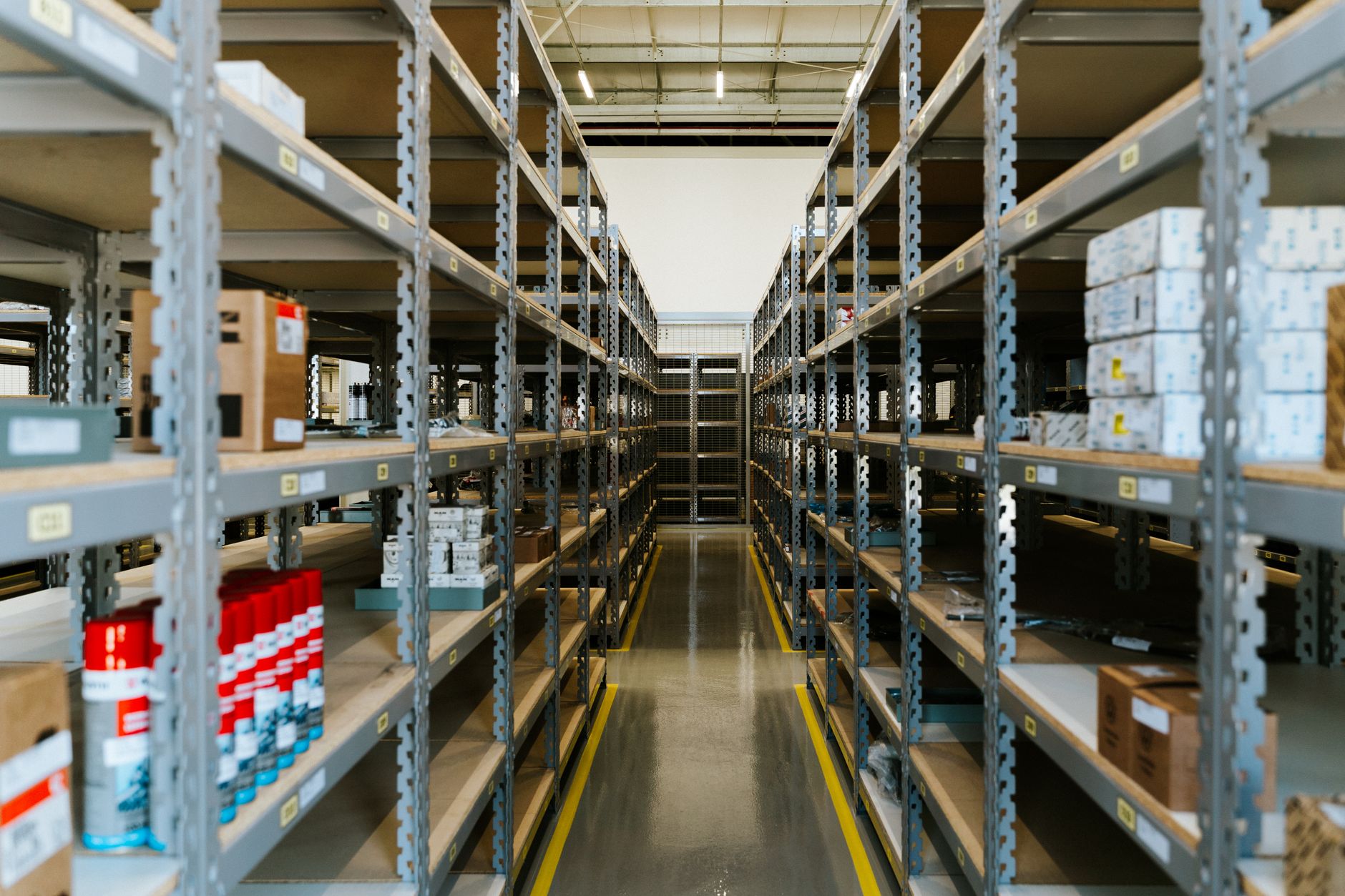
A newly built plant gets a chance most manufacturers never have. Aisles, docks and staging areas are drawn before the first load moves, so material flow can be shaped around the machines that will carry it. For this operation the open question was less about automation itself and more about how much of the lifting, walking and staging could move to a fleet of autonomous mobile robots without disturbing production.
Manual material handling was the friction point. Raw material had to reach the line, work in process had to move between steps, finished goods had to be staged and loads had to reach the shipping dock. Each move depended on people and forklifts, and each one added a little more delay and risk to the shift.
Operations leaders with a staffing concern had a fair question to ask. Automating handling work raises the matter of what happens to the people who did it, and that matter shaped how the change was framed from the start.
A Fleet Designed Into the Floor Plan
The plant was built around a fleet of about 50 autonomous mobile robots rather than having robots added after construction. That choice let the layout, traffic paths and handoff points be set with the fleet in mind from the start.
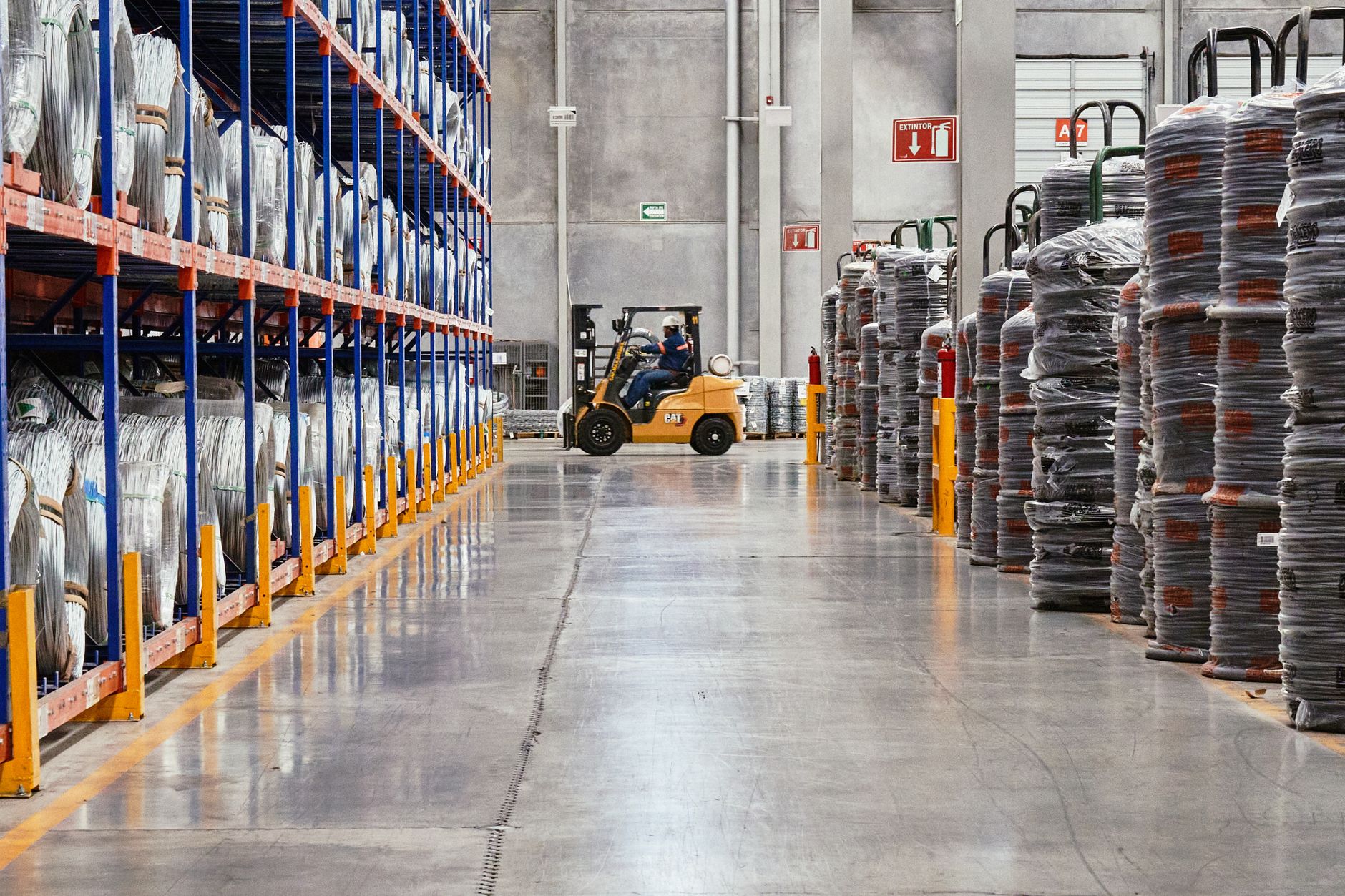
The 50 AMRs ran autonomously across four flows: raw material intake, WIP transfer, finished goods staging and shipping dock loading. Covering the whole chain, rather than a single aisle, is what let the fleet carry material from the receiving door to the truck.
Forklift operators were directly in the path of the change. Of the 36 forklift operators, 32 were redeployed to higher value roles rather than laid off.
- Raw material intake
- WIP transfer between production steps
- Finished goods staging
- Shipping dock loading
Measured Outcomes, Vendor Reported
The headline figure is a 91% reduction in manual material handling. Throughput rose 37%, and the full return on the system came in a 14 month payback. All of these results are vendor reported.
The workforce result may matter as much as the throughput gain. Of the 36 forklift operators, 32 moved into higher value roles, so the fleet did not simply replace the people who had been moving material by hand. Outcomes like these depend on layout, volume and how the fleet is kept running, so any plant manager should test them against the actual floor the fleet would run on.
What This Means for a Plant Like This
Service Robot Co. is a full service, vendor neutral commercial robot integrator for US businesses. We select the right robots across manufacturers, then finance, deploy, set up the integration, train and service every unit through a nationwide US engineer network. One partner and one number cover the whole lifecycle, so a plant does not have to coordinate a stack of suppliers to get an AMR fleet running.
We lease robots only, through lease financing programs on a three year lease with one fixed lease payment. That payment is quoted after a site assessment that maps the floor and the work, which matters because a fleet like this one depends on routes, docks and handoffs that fit the building. This study is a documented real world example we analyze. Service Robot Co. did not run this deployment.
Frequently asked questions
Want a robot working for you?
Tell us the job and the site. We will recommend the robot, quote the lease, and keep it serviced.