
a large home-appliance assembly plant in Central Europe producing dryers and cookers
How a Home-Appliance Plant Hit Under-Two-Year ROI With Three AMRs on a 130-Meter Loop
A Central European appliance plant moved dryer doors on three AMRs over a 130-meter loop, replacing tug routes and targeting payback within two years.
- ≤2 yr
- ROI target
- 3
- AMRs deployed
- 130m
- Loop length
- 12
- Doors per trip
Based on a documented real-world deployment. Figures are from public reporting; the organization is not named.
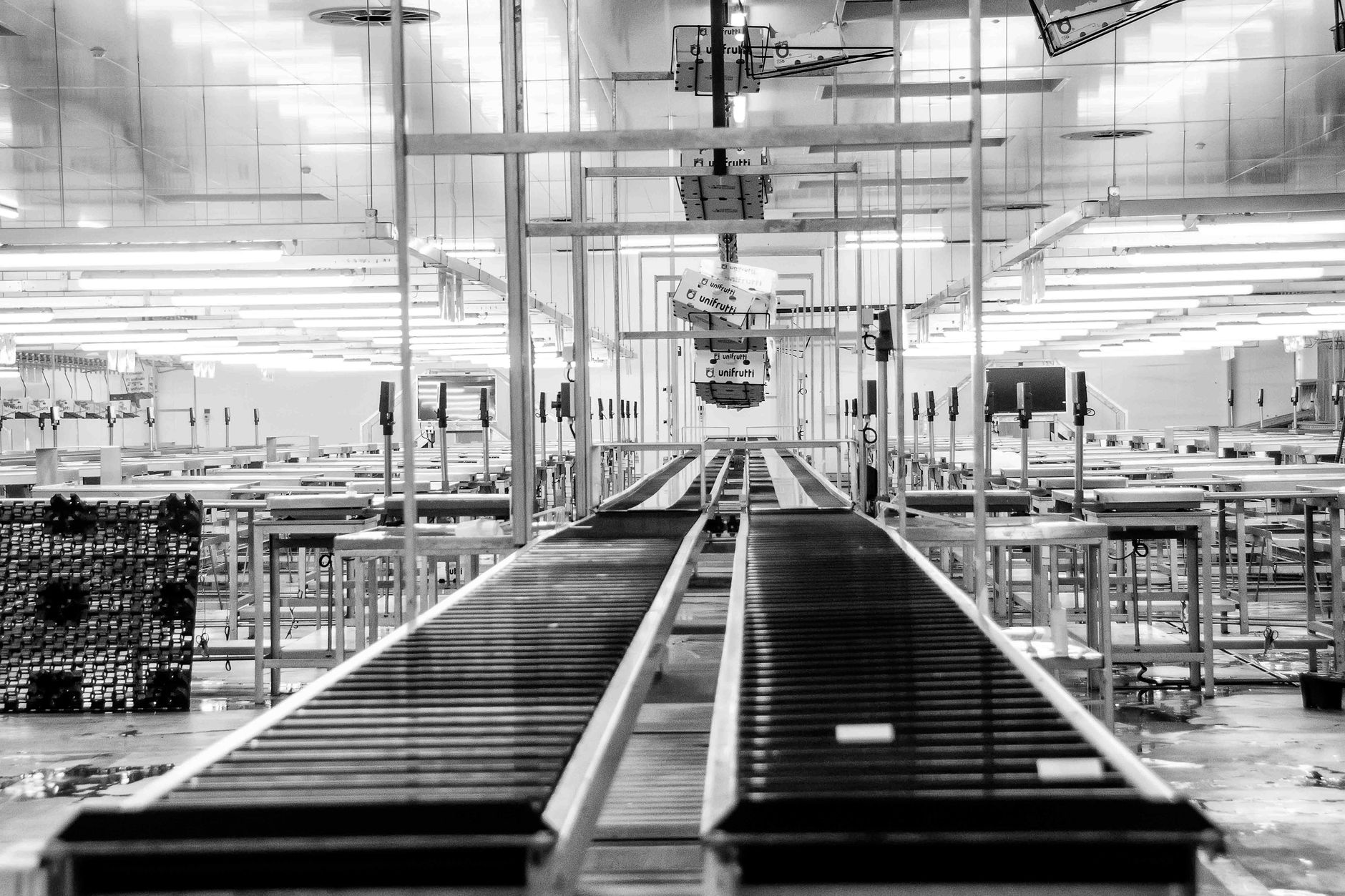
High-Cadence Lines Needed Safer Component Moves
A large home-appliance assembly plant in Central Europe producing dryers and cookers runs a line cadence where a finished dryer leaves about every fifteen seconds. That pace demands a steady stream of components between preassembly and final assembly without stacking forklifts and tuggers in narrow aisles.
Leadership wanted internal transport that limited human driving on the loop, met cost and safety targets, and could follow layout changes as production zones shifted. Operator-driven tuggers handled the route before automation, which tied trained drivers to repetitive miles.
- Fifteen-second finished-goods cadence on the dryer line
- Component moves between preassembly and assembly
- Forklift and tug traffic near foot traffic
- Need for layout flexibility without long retraining
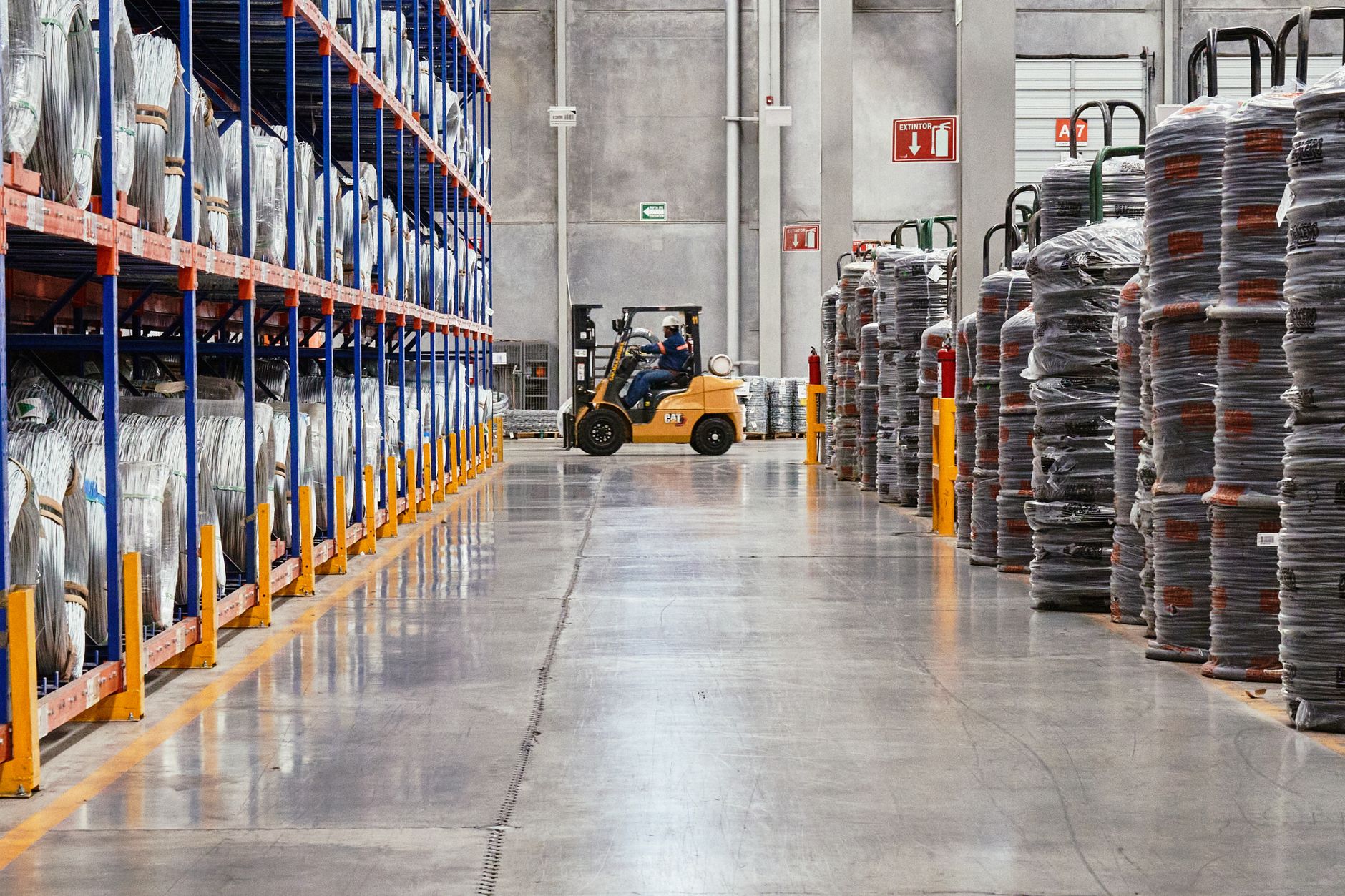
Phased AMR Rollout With Fleet Charging Backup
The plant tested one autonomous mobile robot in late 2018, then added two more after results looked solid. Three medium-payload units now share the loop while fleet software queues line requests and swaps a charging spare so two robots run and one docks.
Each trip carries twelve dryer doors from preassembly to assembly on a route of about one hundred thirty meters. The robot drives under a loaded cart, hooks it, delivers to the line, and returns empty packaging on gravity-fed slides before starting the next cycle.
Sensors let units detour around forklifts, tuggers, and people. Programming is point-to-point, so when the floor layout changed several times the team adjusted routes without a full engineering project.
- Pilot one AMR, then scale to a three-robot fleet
- Use fleet management for queueing and battery swaps
- Map routes away from heavy foot traffic
- Train floor staff without deep programming skills
Tug Routes Replaced With a Sub-Two-Year Payback Target
Published figures put the full loop at about three minutes and fifty seconds per cycle while two robots haul loads and a third stays on backup charge. Twelve doors move per trip, matching the high cadence on the dryer line.
Leadership states that three autonomous mobile robots can replace one operator-driven tug or forklift on this corridor, freeing those drivers for higher-value work on the plant floor. They cite a maximum two-year return on investment for the fleet at this site.
The source does not publish dollar savings or exact headcount reductions. Treat the ROI window, loop timing, and replacement ratio as site-reported outcomes from one documented deployment.
What US Appliance and Assembly Plants Can Study
Service Robot Co. did not run this deployment. It shows how a short, repetitive loop between two lines can be a strong first AMR project when tuggers are the bottleneck.
Service Robot Co. gives US businesses one partner for selection, financing, deployment, integration, training, and nationwide service across cleaning, delivery, security, and warehouse robots. A site walk should map cart hookups, charging bays, and tug overlap before lease or purchase terms are set.
When payback inside two years matters more than exotic automation, three AMRs with a charging spare may beat adding another licensed tug route on the same distance.