a multi-state home improvement retailer
Shelf-Scanning Case Study: 92% Fewer Pricing Errors
A multi-state home improvement retailer cut pricing errors 92%, reduced out-of-stocks 58%, and shortened annual audits to under a day.
- 92%
- pricing errors reduced
- 58%
- controllable out-of-stocks reduced
- <1%
- total out-of-stocks
- <1 day
- annual audits completed
Based on a documented real-world deployment. Figures are from public reporting; the organization is not named.
The Operational Strain on the Aisle
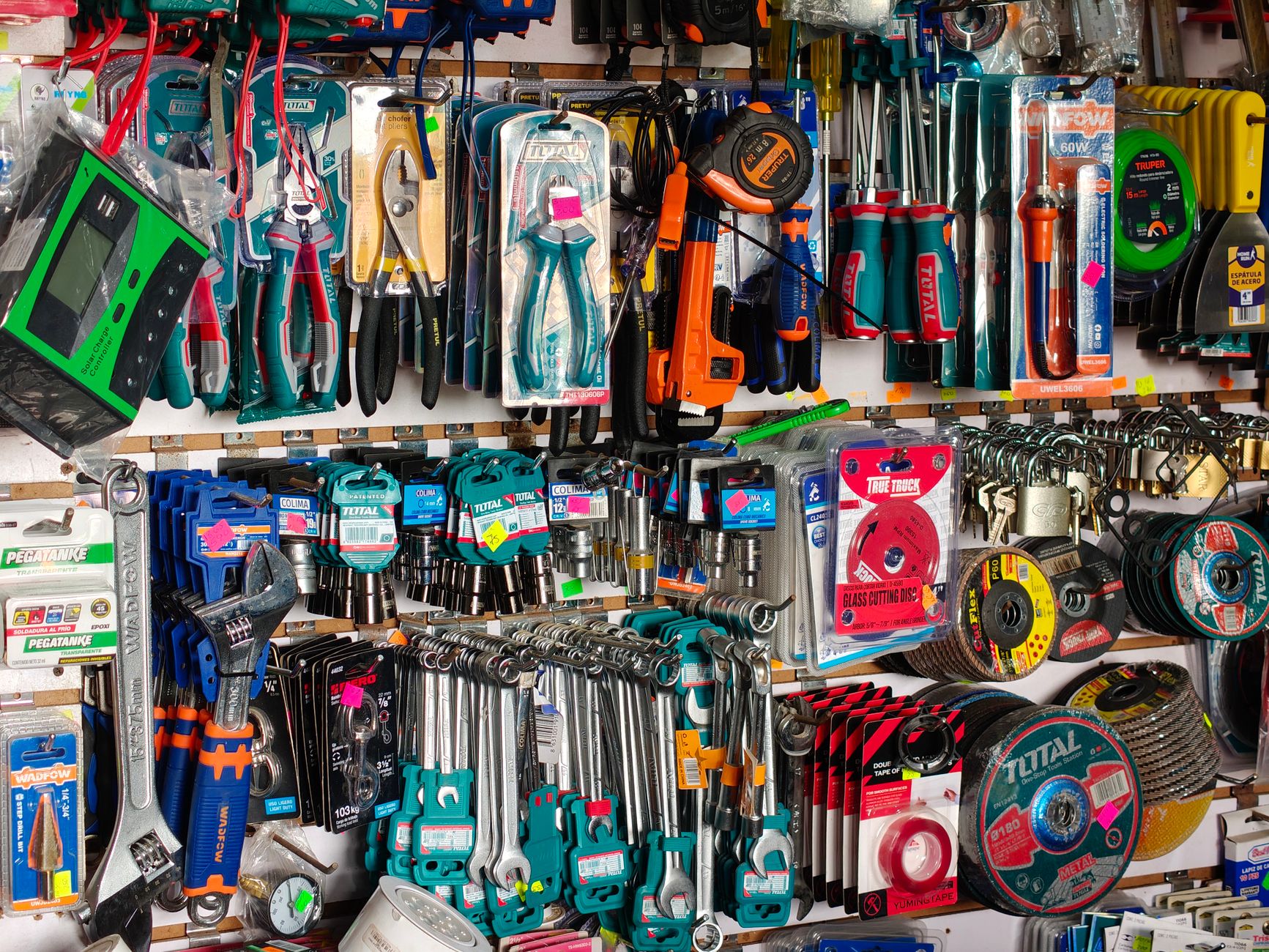
A multi-state home improvement retailer was running large-format stores with the usual shelf-execution drag: dense assortments, constant tag changes, phantom inventory, and empty selling positions that were not always obvious until shoppers hit them first. Even capable store teams were stuck in a reactive loop.
Before shelf scanning, the work depended on manual aisle walks. Teams checked pricing and on-shelf availability by hand, but coverage varied by day and by store. That left pricing discrepancies, out-of-stocks, and inventory mismatches lingering longer than they should.
The retailer did not need more busywork. It needed a steadier way to see what was happening on the shelf, then push stores toward the right fixes without asking associates to spend entire days hunting for problems.
- Manual shelf checks produced inconsistent coverage
- Pricing discrepancies were often found after they affected the shopper experience
- Phantom inventory and missing shelf stock obscured true store conditions
- Store teams needed clearer daily priorities, not more aisle walking
A Controlled Start, Then Fast Expansion
The retailer began with a proof of technology in two stores using a shelf-scanning robot tied to real-time shelf intelligence. The early goal was narrow and practical: improve pricing accuracy, expose out-of-stocks, and give store teams a live view of shelf conditions they were missing with manual audits.
What changed the trajectory was not the machine alone. Leadership treated store execution as an internal operating discipline, set clear expectations across locations, and required teams to work the reports daily. The result was a tighter rhythm: issues surfaced faster, tasks were easier to prioritize, and duplicate effort fell away.
Adoption moved quickly once stores saw the value in front of them. The chain expanded from two stores to all eight locations within three months, backed by deliberate change management and day-to-day accountability at store level.
- Started with a two-store proof of technology
- Focused first on pricing accuracy and on-shelf availability
- Leadership communicated the why and held stores to daily execution
- Reports were tracked and shared across locations
- The rollout expanded from two stores to all eight locations within three months
Measured Gains in Accuracy, Availability, and Audit Time
The headline result was a 92% reduction in pricing errors. For a home improvement retailer, that matters beyond ticket accuracy. It reduces margin leakage, cuts shopper friction, and gives store teams a cleaner base to work from every morning.
The program also reduced controllable out-of-stocks by 58%, while total out-of-stocks fell to below 1%. That points to better shelf visibility and faster recovery on items that were in the building but not on the shelf where customers expected them.
Operationally, the impact reached well past daily aisle checks. Annual physical inventory audits dropped from three days to less than 24 hours, reflecting stronger inventory accuracy in the normal course of store operations rather than a frantic cleanup at audit time.
The source story also notes that many stores saw meaningful gains within weeks, and some locations improved on-shelf availability in days. The pace matters. This was not a long, theoretical payoff. It showed up quickly once the operating model took hold.
What This Means for Service Robot Co. Buyers
This example is useful because it shows what shelf-scanning robots are actually good at in the field. They do not replace store judgment. They sharpen it. The real value comes from pairing better shelf visibility with a rollout that covers selection, integration, training, service, and the store-level habits needed to act on the data.
That is the lane Service Robot Co. is built for. Service Robot Co. is a full-service, OEM-neutral commercial robot integrator for U.S. businesses. We help buyers choose the right robot across manufacturers, then finance, deploy, integrate, train, and service each unit through a nationwide U.S. engineer network, with one vendor across the full lifecycle.
For a retailer evaluating robot leasing for business, robot as a service, or a pilot before broader rollout, the lesson is plain. The robot has to fit the floor, the workflows, and the adoption model. One partner, one number, and turnkey robot deployment matter just as much as the hardware when the goal is chainwide consistency.