a large Western U.S. specialty-crop grower operating thousands of acres of leafy greens
Leafy Greens Grower Cuts Weeding Costs 39% With Field Robotics
An anonymized agriculture case study on a Western U.S. leafy greens grower that cut weeding costs 39% and saved $822,500 a year per machine.
- 39%
- Lower weeding cost
- $822.5K
- Annual savings
- 4,700 ac
- Total acreage covered
- 12-15 min
- Follow-up hand weeding
Based on a documented real-world deployment. Figures are from public reporting; the organization is not named.
Acreage, weeds, and a labor bill that kept climbing
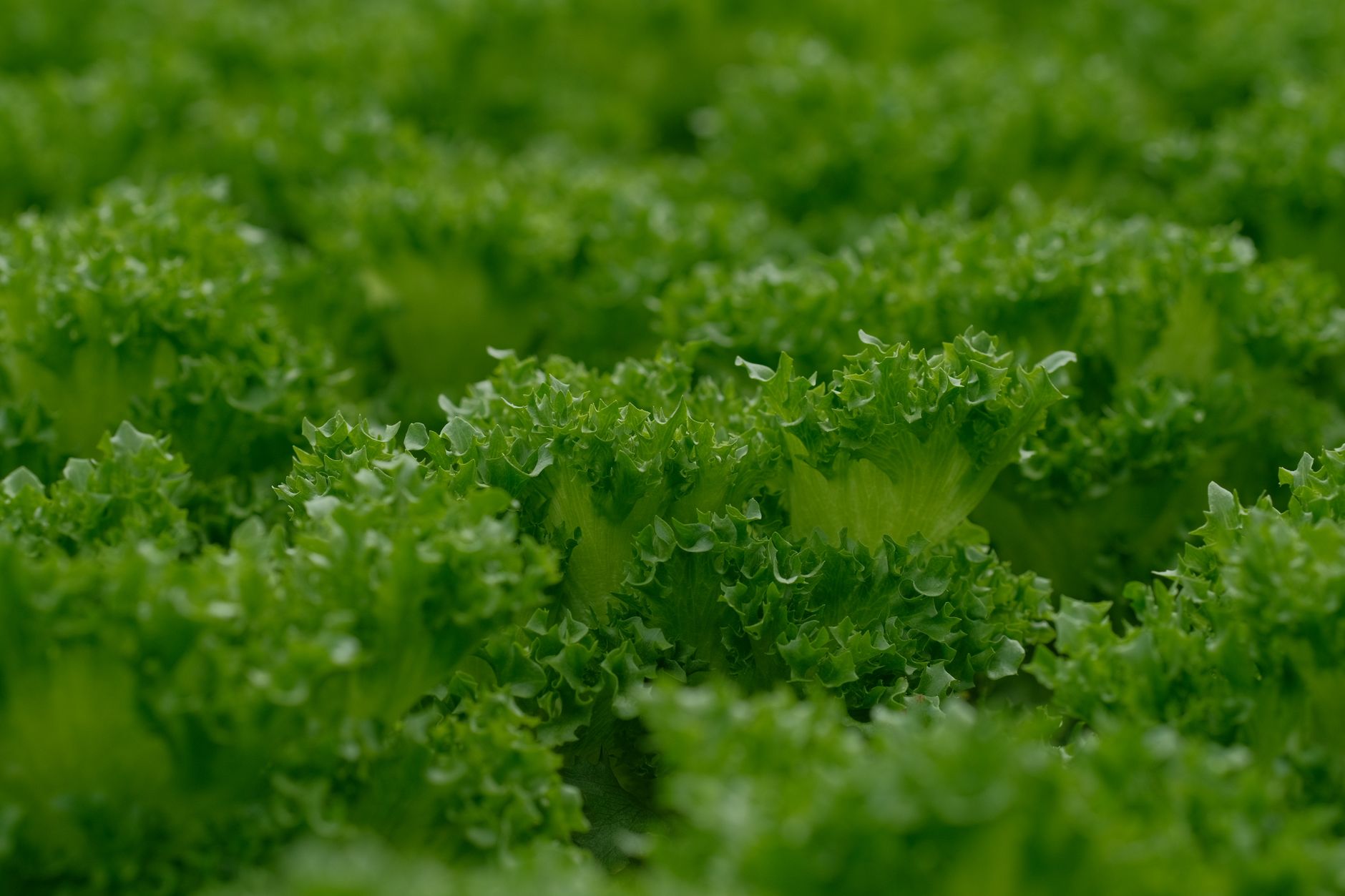
This grower was managing organic baby leaf production at serious scale, with weeding done entirely by hand before robotic field work entered the picture. Across high-density crops, that meant three crews of 25 employees and an average 90 minutes of hand weeding per acre at an average cost of $900 per acre.
The pressure was not abstract. Hand weeding is slow, repetitive field labor, and the source case notes that finding enough people to do it was getting harder every year. For a grower operating thousands of acres of leafy greens, that kind of bottleneck does not stay contained. It ripples through planting windows, harvest readiness, and operating margin.
- Three crews of 25 employees handled hand weeding before deployment
- Average hand weeding time was 90 minutes per acre
- Average hand weeding cost was $900 per acre
- The operation needed a workable option for high-density organic crops
A phased field rollout built around real operating conditions
The operation began with trials, then put two laser weeding robots into production across 4,700 acres, or 2,350 acres per machine, covering spinach, cilantro, arugula, swiss chard, baby kale, red and green spring mixes, and mizuna. The machines were run an average 18 hours a day, 6 days a week, covering about 0.8 acres per hour.
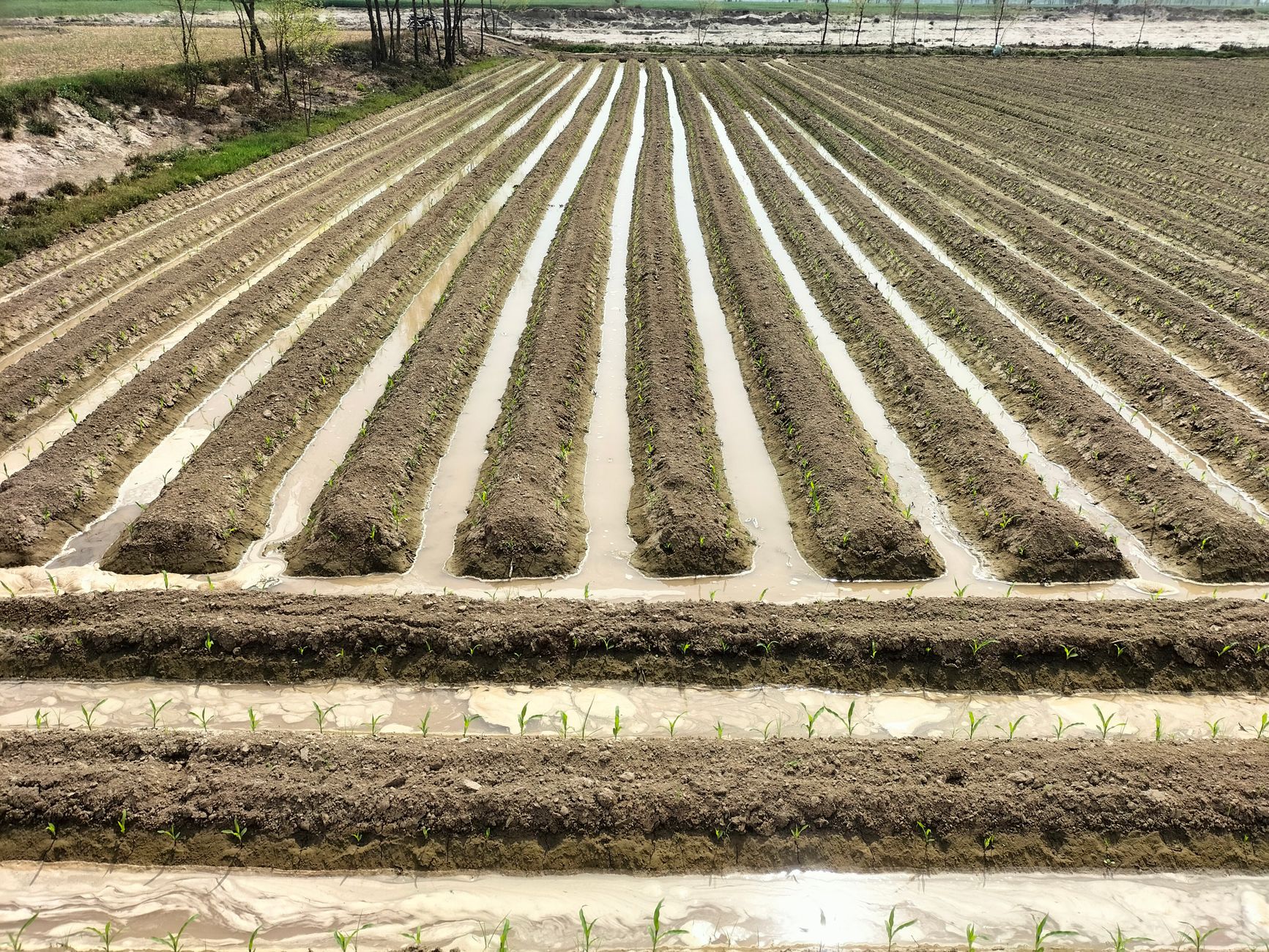
The rollout was not just about dropping hardware into the field. Management had to adjust timing and field readiness, with the source noting that getting into the field 7 to 10 days after germination was ideal. Planting was staggered so the robots could reach acres at the right moment, and field preparation shifted earlier so furrows were firm enough to handle the equipment.
The learning curve was practical, not theoretical. One arugula recognition issue was corrected with a model update in about a day and a half, and the case study describes ongoing support that helped the operation keep moving. That is the part many growers care about most: robot deployment and integration only matters when it holds up under real crop variability and real field schedules.
- Started with field trials before broader deployment
- Expanded to two units across 4,700 acres
- Adjusted planting cadence to match robot timing
- Moved some field prep earlier to support machine weight and access
The economics moved fast, and the labor picture changed with them
After the robotic pass, the grower still used follow-up hand weeding, but at a much lighter level. Crews dropped from three teams of 25 to three teams of 18, which let the farm reallocate 21 employees to other critical work such as harvest. Hand-weeding crews also sped up sharply, moving from 90 minutes per acre before deployment to 12 to 15 minutes per acre, or 4 to 5 acres per hour, after the robot pass.
Those operational changes showed up clearly in the numbers. Per-acre hand-weeding cost fell to $282.28. With robot operating cost at $267.72 per acre, the total combined weeding cost landed at $550 per acre, creating per-acre net savings of $350 versus hand weeding alone.
Across 2,350 acres, one machine produced annual weeding cost savings of $822,500, equal to a 39% reduction over hand weeding alone. The source also notes later software gains, with the farming team reporting a doubling in speed and acres covered after the V1.16 update.
What this means for growers evaluating Service Robot Co.

This case is valuable because it shows what buyers actually need from field automation: measurable unit economics, not a demo-day headline. The lesson is not that one machine fits every farm. It is that a grower needs disciplined vendor neutral robot integrator work, clear robot deployment and integration planning, operator training, service coverage, and a rollout shape that matches crop cadence, labor reality, and acreage concentration.
That is where Service Robot Co. fits. We are a full-service, OEM-neutral commercial robot integrator for U.S. businesses, including agricultural operations that need one partner for selection, financing, deployment, integration, training, and service. For growers, that means turnkey robot deployment with one partner one number, phased deployment no shutdown, and a practical path to lease rental or sale when the goal is to match automation to the farm instead of forcing the farm to match a single vendor.