
a life safety and emergency communications manufacturing plant in western Romania
How a Life-Safety Plant Cut 40 Kilometers of Daily Walks with Four AMRs
Four AMRs at a life-safety plant replace up to 40 km of daily walking on component and finished-goods moves across 45 assembly lines.
- 40 km
- Walks cut
- 4
- AMR fleet
- 45
- Lines fed
- 6 day
- Schedule
Based on a documented real-world deployment. Figures are from public reporting; the organization is not named.
Staffing Pressure and Endless Floor Walks
A life safety and emergency communications manufacturing plant in western Romania needed components at assembly lines and finished goods picked up without tying skilled staff to cart pushes all day. Managers used manual forklifts for much of the work, yet people still walked long aisles between warehouse racks and production stations.
Leadership wanted to shift employees toward complex assembly and quality work while cutting transport cost and fatigue. They also needed collision-safe autonomous driving without rails or floor modifications in an active workshop.
- Component delivery to assembly lines
- Finished goods collection from lines
- Manual forklift and foot traffic mixed
- Staffing gaps on repetitive moves
Phased AMR Fleet With RFID Line Calls
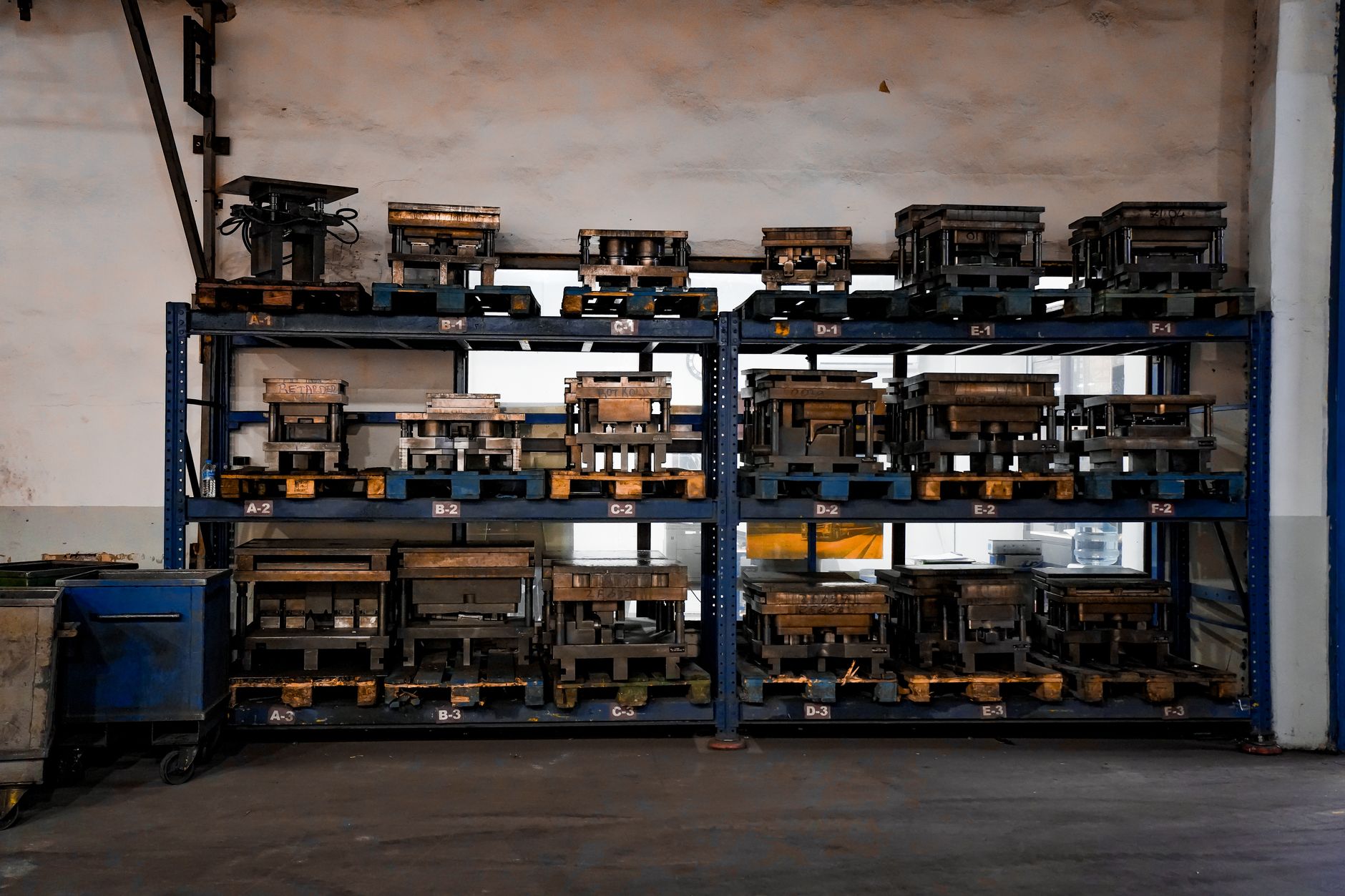
The site deployed four autonomous mobile robots in two payload classes, starting with lighter units in 2019 and adding heavier carriers in 2022. A fifth unit is planned for a new surface-mount technology area where controlled-environment transport matters.
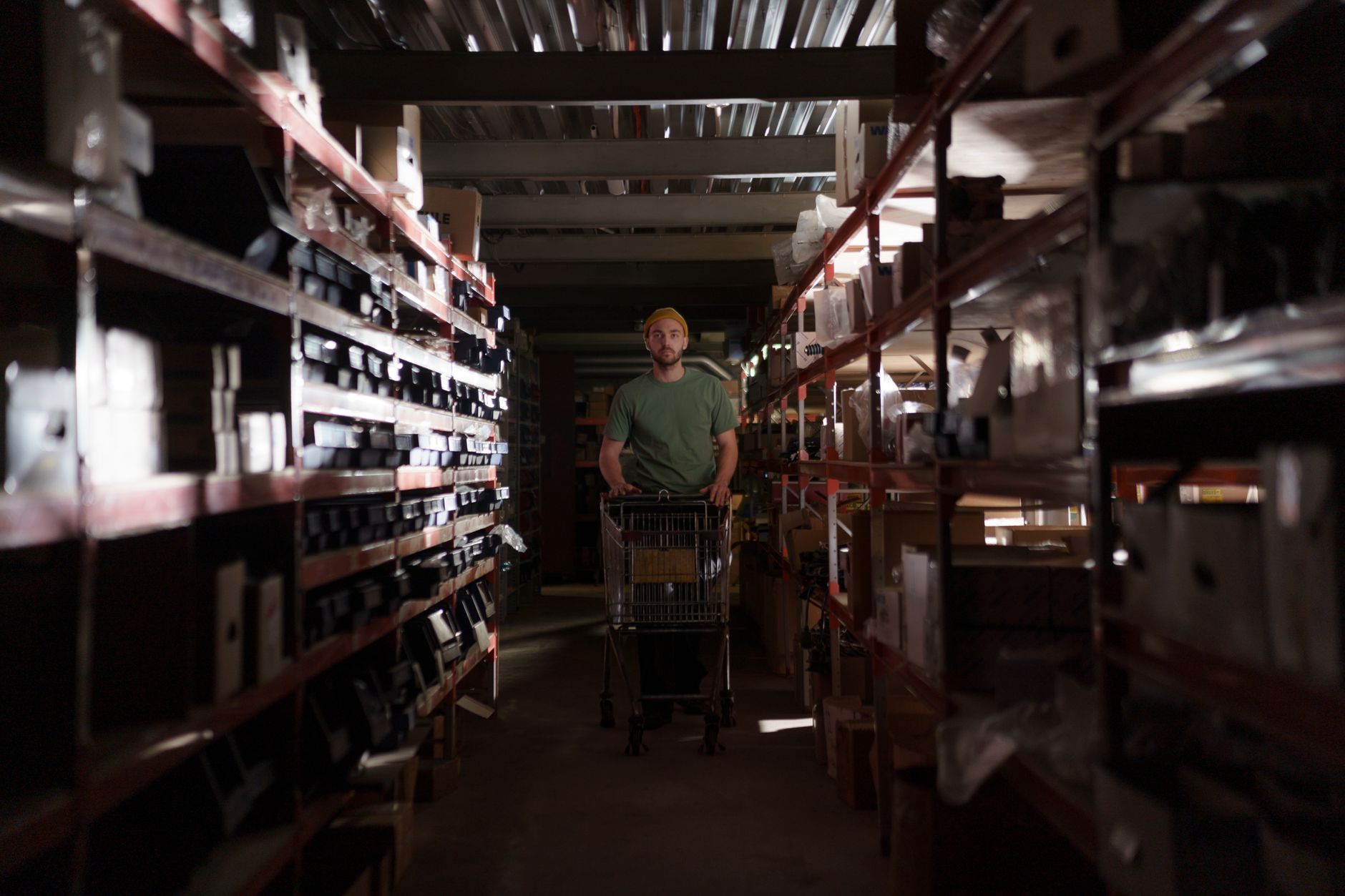
Robots serve 45 production lines and numerous Kanban locations across two shifts, six days a week. An employee presses an RFID button to release a mission when material is needed. Heavier units pick pallets at standardized docking alleys while lighter units carry replenishment after warehouse staff load racks.
Docking racks use presence sensors so robots only place pallets in empty slots. The plant improved wireless coverage so fleet software stays connected across the shop floor.
- Start with two lighter AMRs on line feed
- Add two heavier units for pallet moves
- Trigger missions from RFID buttons at lines
- Standardize pick-up alleys for finished goods
- Use rack sensors to block double stacking
Up to 40 Kilometers of Walking Removed Daily
Published route data shows humans previously walked 37 to 40 kilometers per day on the same transport tasks the fleet now covers. Heavier robots move more than 100 pallets daily on missions of 120 to 150 meters each, totaling about 12 to 15 kilometers of driving. Lighter units run roughly 150 missions and about 25 kilometers per day.
Line staff report more time controlling assembly and less time chasing carts. Engineering leadership cites autonomous navigation, payload capacity for stacked product, and simple operator interfaces as reasons the fleet stayed. The source does not publish dollar payback or US pricing.
What US Manufacturers Can Study
Service Robot Co. did not run this deployment. It shows how daily kilometers walked become a clear before metric when assembly lines outnumber available forklift operators.
Service Robot Co. gives US businesses one partner for selection, financing, deployment, integration, training, and nationwide service across cleaning, delivery, security, and warehouse robots. Kanban-heavy plants should map RFID or button triggers during a site assessment before lease or purchase terms are set.
When walk distance hits marathon lengths each shift, autonomous pallet and tote AMRs may beat asking assemblers to push carts between every replenishment call.