
a regional hospital and clinic campus in the Upper Midwest
How a Midwest Hospital Campus Lifted Floor-Cleaning Productivity 50% with Two Autonomous Scrubbers
A documented Upper Midwest hospital campus reported 50% higher floor-cleaning productivity and about 20 hours back each week after deploying two autonomous scrubbers.
- 50%
- Productivity up
- 20 hrs
- Weekly time back
- 2 units
- Scrubber fleet
- 8-10 hr
- Daily runtime
Based on a documented real-world deployment. Figures are from public reporting; the organization is not named.
Open Floor-Tech Roles and Growing Square Footage
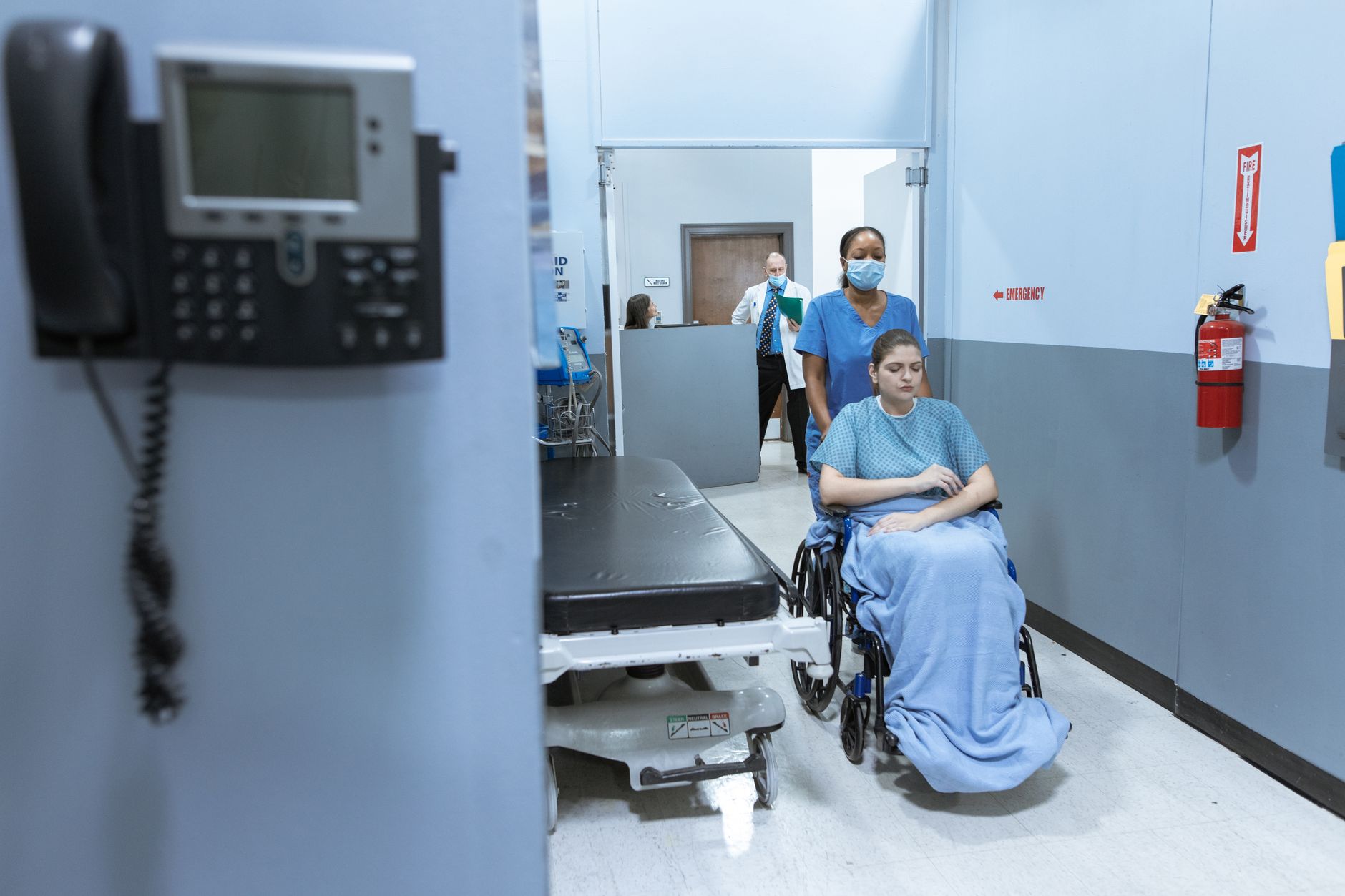
A regional hospital and clinic campus in the Upper Midwest needed every hard floor touched at least once per day across a footprint that kept growing while environmental services hiring lagged.
Published interviews say a floor technician opening sat unfilled for six to eight months, and leadership averaged one vacant floor-tech slot over several years. That gap collided with clinic hallways, patient corridors, and public areas that still had to look clinical-grade.
Manual scrubbing on long ceramic routes tied supervisors to repetitive loops instead of projects that improve patient-facing spaces.
- Cover all floors daily without adding headcount
- Fill gaps left by long-open technician roles
- Keep clinic tile routes on a predictable schedule
Two Autonomous Scrubbers on Mapped Routes
Environmental services brought in two compact autonomous scrubbers and trained a site champion to own mapping, daily starts, and basic upkeep.
Leaders split an eight-thousand-square-foot clinic hallway into three sequential routes, starting a unit on one loop and returning on roughly forty-five minute intervals to launch the next while staff handled other work.
Units typically run eight to ten hours per day across the campus, with supervisors checking machines during short maintenance windows described as about fifteen minutes per unit.
- Name an on-site automation champion for mapping and starts
- Break long clinic corridors into timed route segments
- Run units through a full shift while staff handle detail tasks
Fifty Percent More Productivity on the Floor
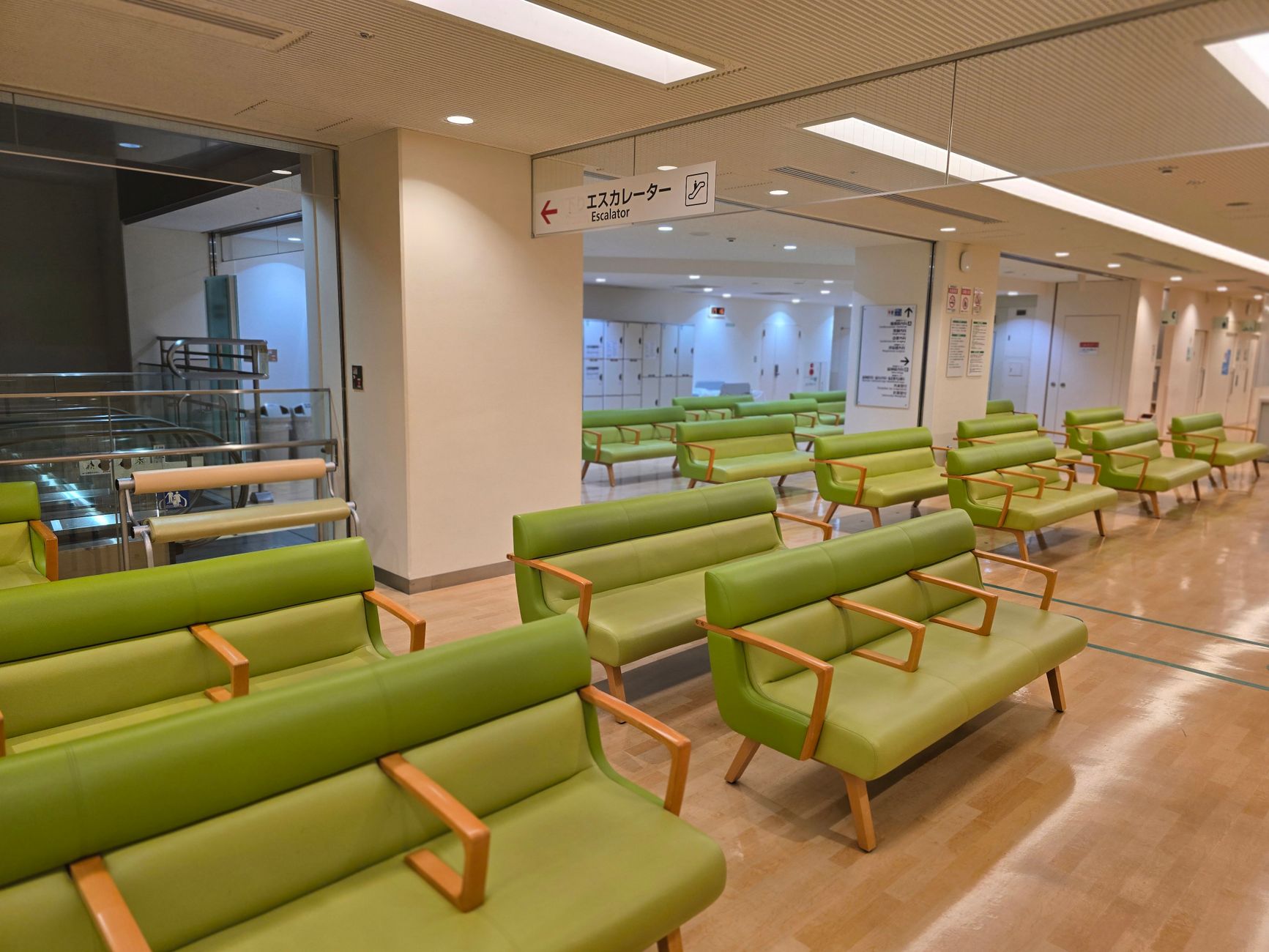
The campus reported about a fifty percent increase in cleaning productivity after the scrubbers joined daily routines, with leadership citing roughly twenty hours returned to the team each week.
Supervisors said they see more square footage cleaned per hour compared with manual work, noting they were approaching double a commonly cited housekeeping benchmark for feet per hour on observed routes.
Staff morale improved in published comments because techs spent less time on repetitive scrubbing and more on work that required judgment, while patients still saw consistently polished corridors.
What Hospital EVS Leaders Should Ask
This is a documented real-world example, not a Service Robot Co. deployment. It shows how two autonomous scrubbers can close hiring gaps on a community hospital campus without dropping cleanliness standards.
Service Robot Co. maps clinical routes with your infection-control team, stays vendor neutral, and packages buy or lease financing with RoboCare service so environmental services gets one partner from pilot through multi-unit expansion.