
a one-million-square-foot third-party logistics returns facility in the Midwest handling retailer and wholesale returns
How a Midwest Returns DC Raised Putaway Lines from 124 to 285 per Hour
A documented Midwest 3PL returns site paired collaborative AMRs with returns software and reported putaway rising from 124 to 285 lines per hour.
- 285 LPH
- After rate
- 124 LPH
- Before
- 130%
- Gain cited
- ~1M/mo
- Units put away
Based on a documented real-world deployment. Figures are from public reporting; the organization is not named.
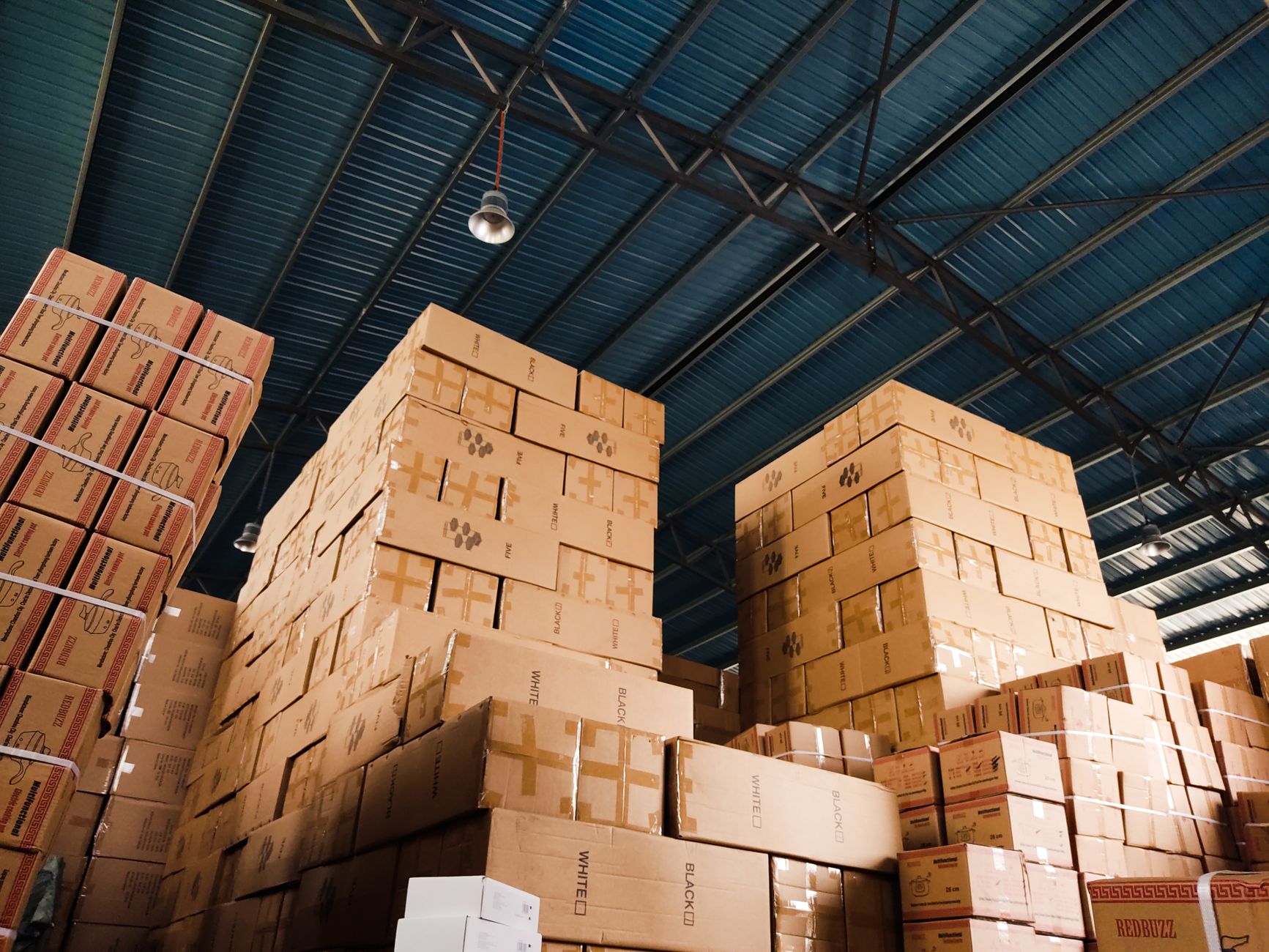
Returns putaway was a cart-pushing grind
A one-million-square-foot third-party logistics returns facility in the Midwest handling retailer and wholesale returns processed heavy reverse-logistics volume across a dedicated putaway zone.
Associates pushed loaded baker carts across roughly thirty thousand square feet to more than five hundred gaylord locations. Traffic, fatigue, and bump risk rose with every shift as returned goods piled up.
- Manual cart pushes across a wide returns zone
- Hundreds of gaylord putaway locations
- Congestion between walkers and forklifts
- Accuracy pressure on high-volume returns
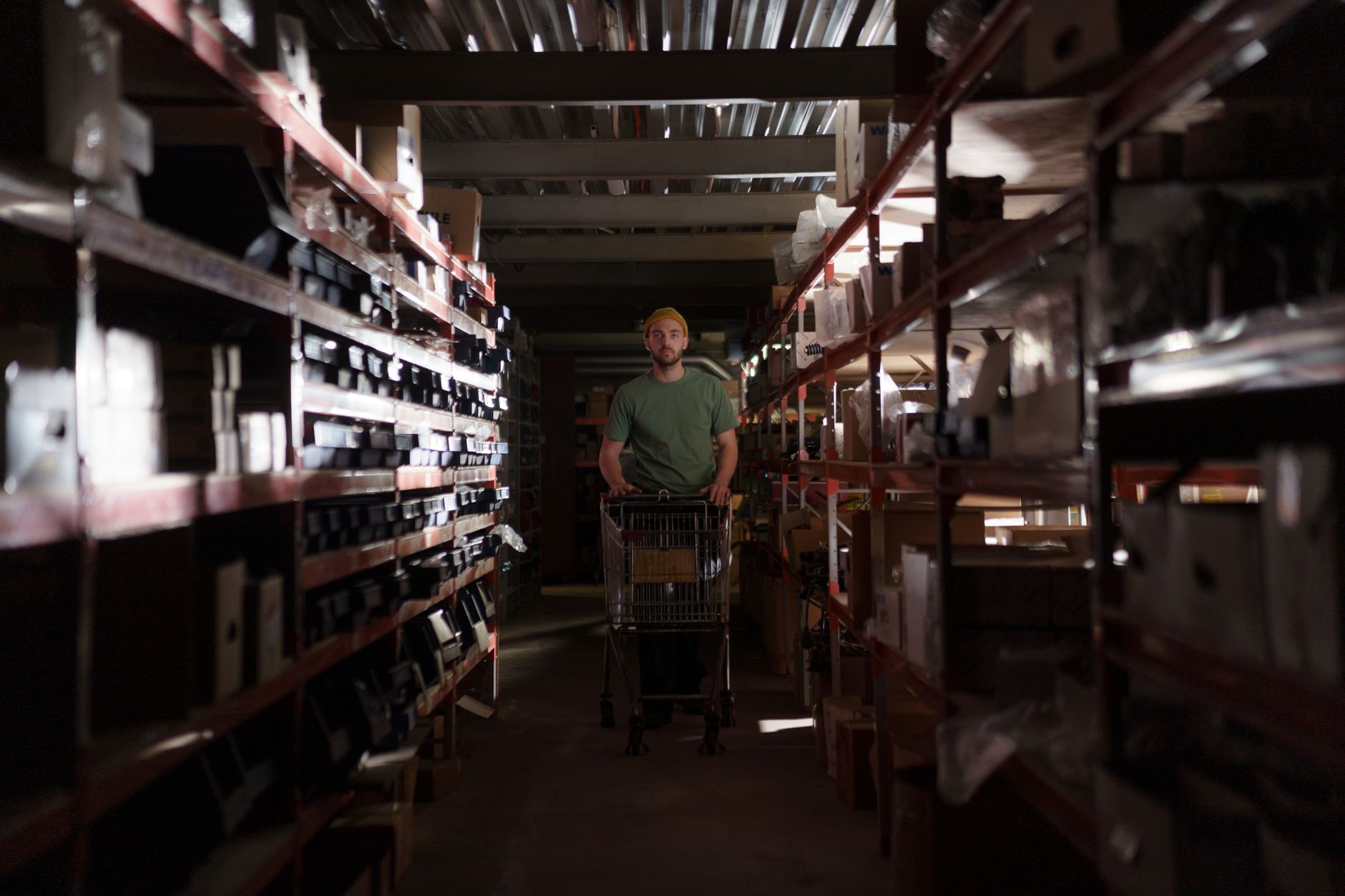
Collaborative AMRs tied to returns workflows
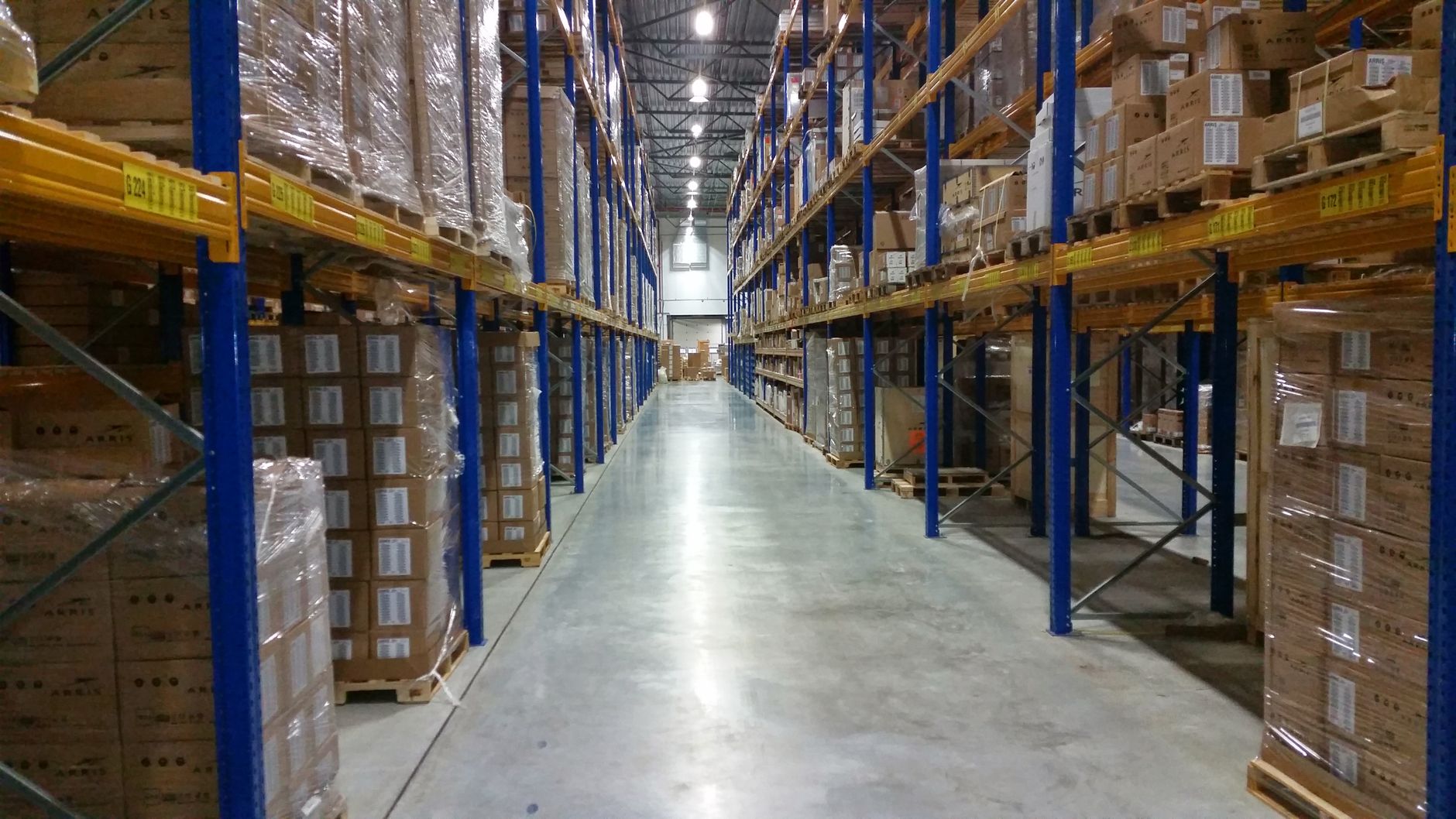
Leadership selected collaborative warehouse AMRs that could integrate with an existing returns optimization platform so disposition data flowed straight into putaway tasks.
The rollout targeted the returns putaway lane rather than the full million-square-foot building, keeping associates on value-added handling while robots carried carts between zones.
- Map cart paths and meet points in the returns area
- Integrate AMR tasks with returns software
- Train associates on handoff and exception handling
- Phase traffic rules before peak return weeks
Measured putaway rates and safety
Published results cite a baseline of about one hundred twenty-four lines per hour before AMRs and an average near two hundred eighty-five lines per hour afterward, described as about one hundred thirty percent higher productivity.
The site also reported putting away close to one million returned units monthly, with fewer errors and more than a year without an OSHA reportable incident after the change.

What US 3PL and retail returns teams can borrow
This is a documented industry example, not a Service Robot Co. customer claim. It still shows how reverse-logistics putaway can gain rate without adding cart pushers when AMRs and returns software share one workflow.
Service Robot Co. selects OEM-neutral warehouse AMRs, then finances, deploys, integrates, trains, and services units through a nationwide engineer network. A free site assessment maps cart weights, aisle traffic, and phased go-live before your next returns surge.