
a multistory conveyor equipment manufacturing plant in Switzerland
How a Multistory Plant Ran an AMR 22 Hours Daily Across Elevators
A conveyor-topped AMR at a Swiss multistory plant averages 22.3 hours and 106 km daily, linking floors and lines without manual cart moves.
- 22.3 hr
- Daily uptime
- 106 km
- Distance
- 1
- AMR fleet
- Multi
- Floor ops
Based on a documented real-world deployment. Figures are from public reporting; the organization is not named.
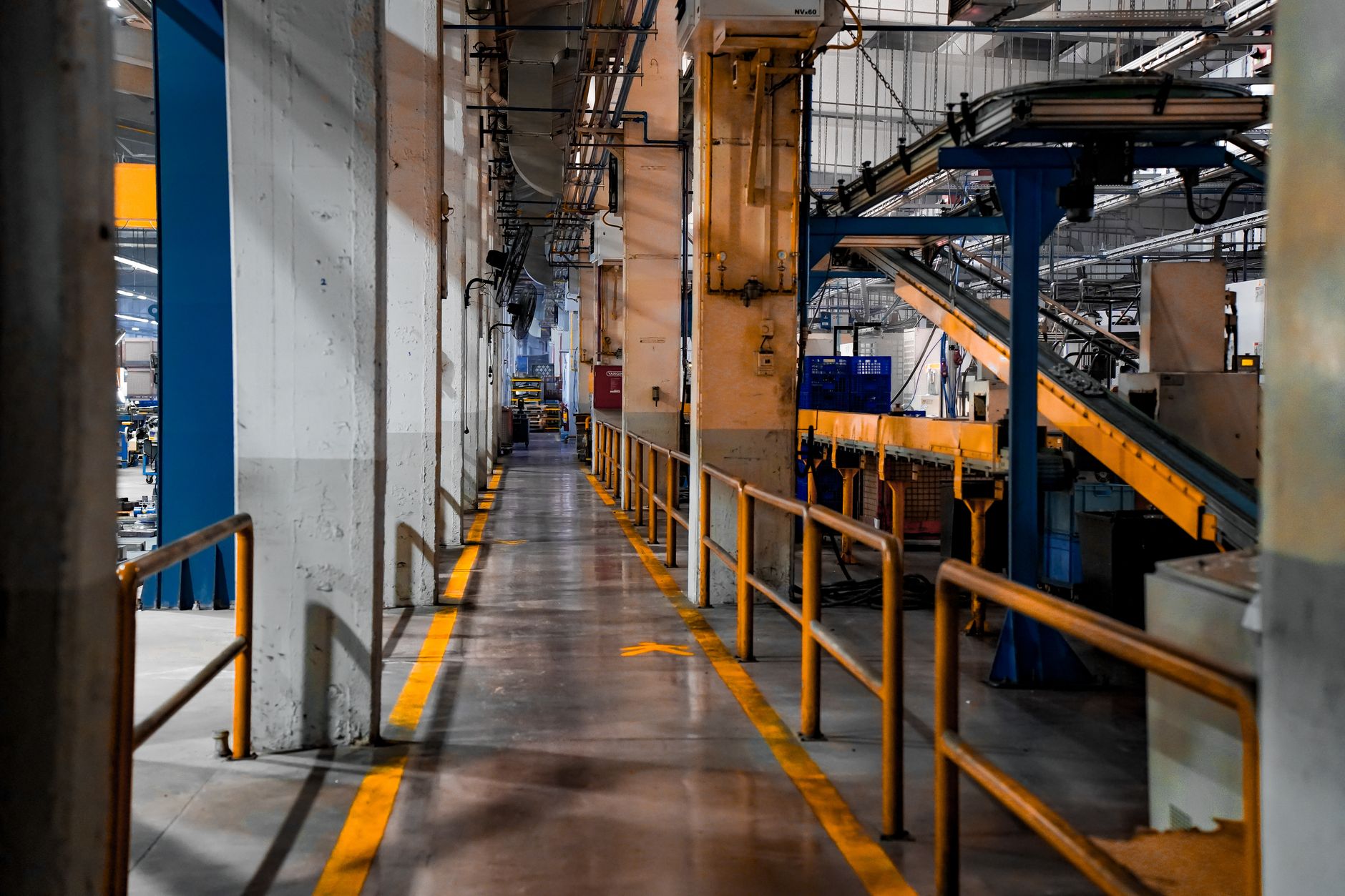
Manual Moves Could Not Span Multiple Floors
A multistory conveyor equipment manufacturing plant in Switzerland molds techno-polymer parts on several floors while logistics sits in a separate area. People had to move materials between production and storage because fixed automation could not flex when layouts and foot traffic changed daily.
Leadership wanted a fully automated link that improved safety in shared aisles without installing rails or rebuilding the workshop. Elevator travel between floors was a hard requirement for any viable design.
- Production on multiple floors
- Manual logistics between areas
- Dynamic foot and equipment traffic
- No flexible fixed conveyor path
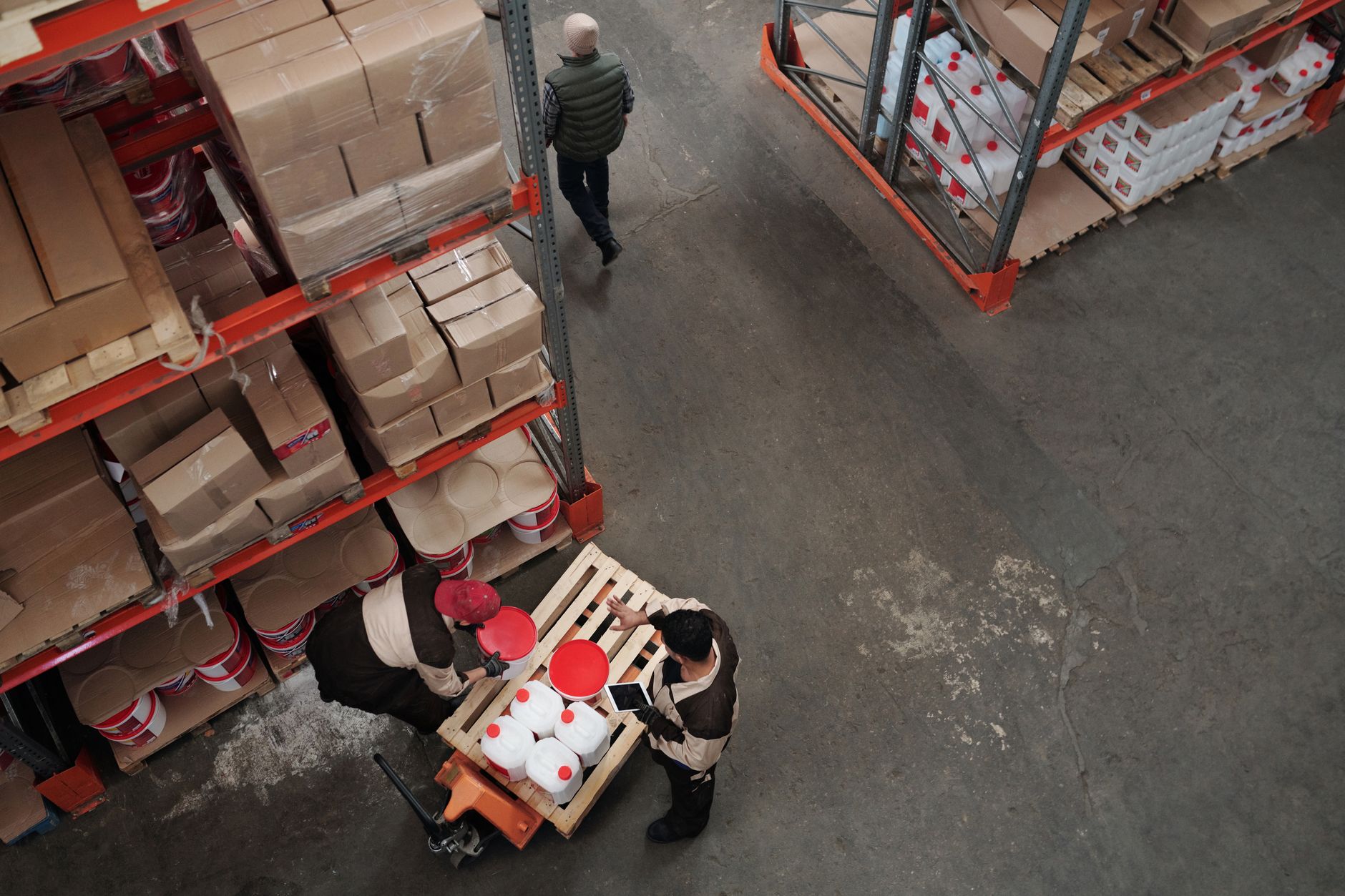
Conveyor-Topped AMR With Elevator Integration
The site paired one lightweight autonomous mobile robot with a conveyor top module designed to mate with existing line stations. The unit navigates autonomously across floors, including coordinated elevator use, and hands off totes at fixed conveyor endpoints.
Cloud analytics software tracks fleet key performance indicators so engineers spot mission bottlenecks and tune flows. Since adopting those insights, the robot averages 22.3 operating hours per day and has covered 106 kilometers within the plant.
- Mount a conveyor module on one AMR
- Integrate elevator calls with fleet software
- Connect to fixed conveyor stations
- Use cloud KPIs to refine missions
- Keep aisles shared with people and forklifts
Twenty-Two Hours of Daily Uptime and 106 Kilometers
The published case cites 22.3 hours of average daily operation and 106 kilometers traveled after analytics-driven tuning. Manual handling between floors dropped while staff focus on work that needs human judgment.
Leadership anticipates cost savings and positive return from reduced transport time, though the source does not publish US dollar payback or lease pricing. Safety improved through precise navigation in dynamic aisles according to site statements.
What US Multistory Plants Can Study
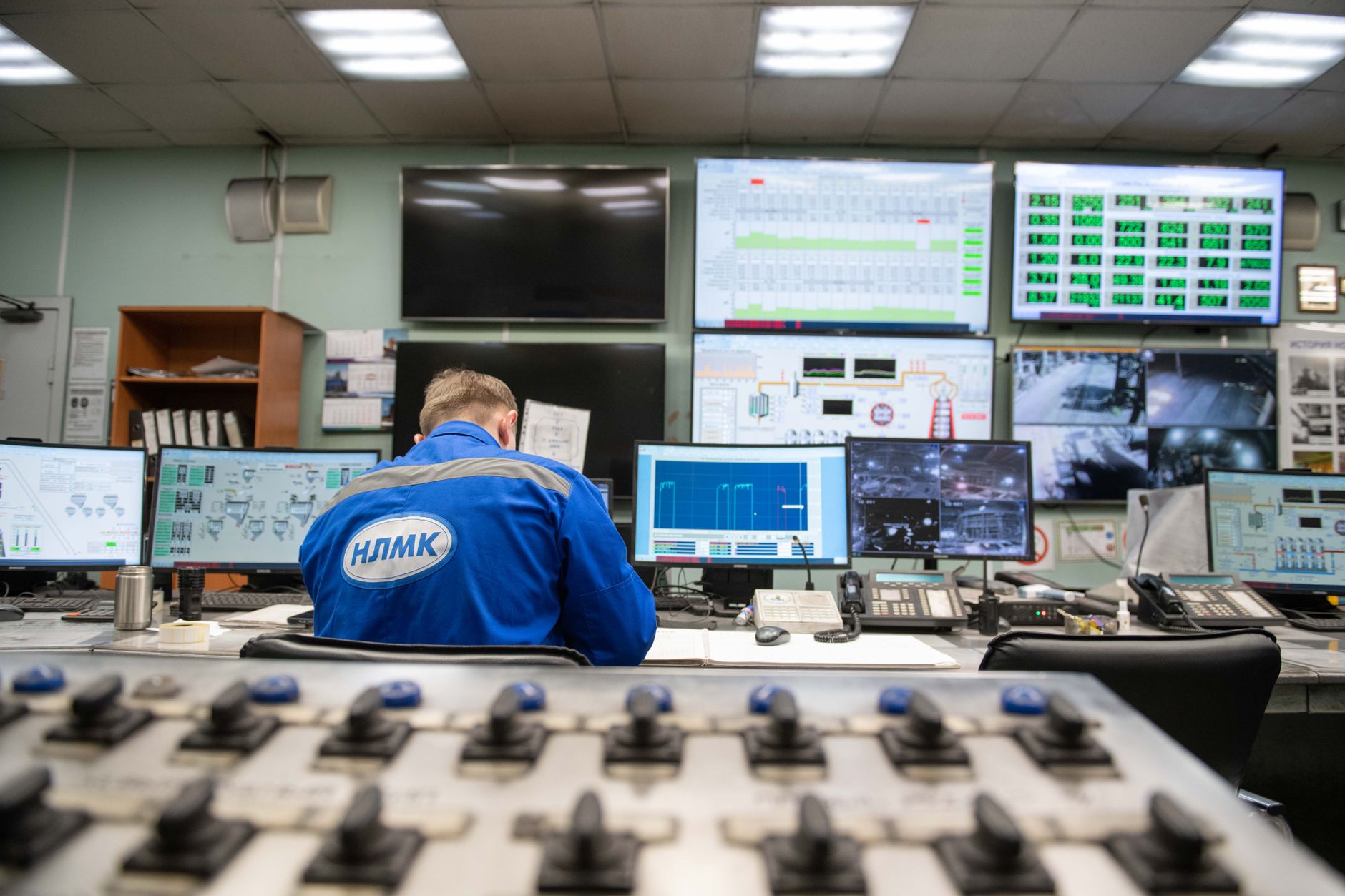
Service Robot Co. did not run this deployment. It shows how elevator-linked AMRs can serve as the flexible bridge when belts cannot follow every layout change.
Service Robot Co. gives US businesses one partner for selection, financing, deployment, integration, training, and nationwide service across cleaning, delivery, security, and warehouse robots. Multifloor sites should validate elevator interfaces during a site assessment before lease or purchase terms are set.
When one robot can run more than twenty-two hours daily across a campus, uptime analytics matter as much as the hardware spec.