
a national consumer electronics and home appliance retailer in France with a central distribution center supplying more than two hundred stores
How a National Electronics Retailer Doubled DC Picking to 250+ Units per Hour
A French electronics retailer’s central DC integrated warehouse AMRs with its WMS and lifted picking from about 120 to more than 250 units per hour in six weeks.
- 250+ UPH
- Pick rate
- 120 UPH
- Starting rate
- 6 weeks
- To double
- 200+
- Stores fed
Based on a documented real-world deployment. Figures are from public reporting; the organization is not named.
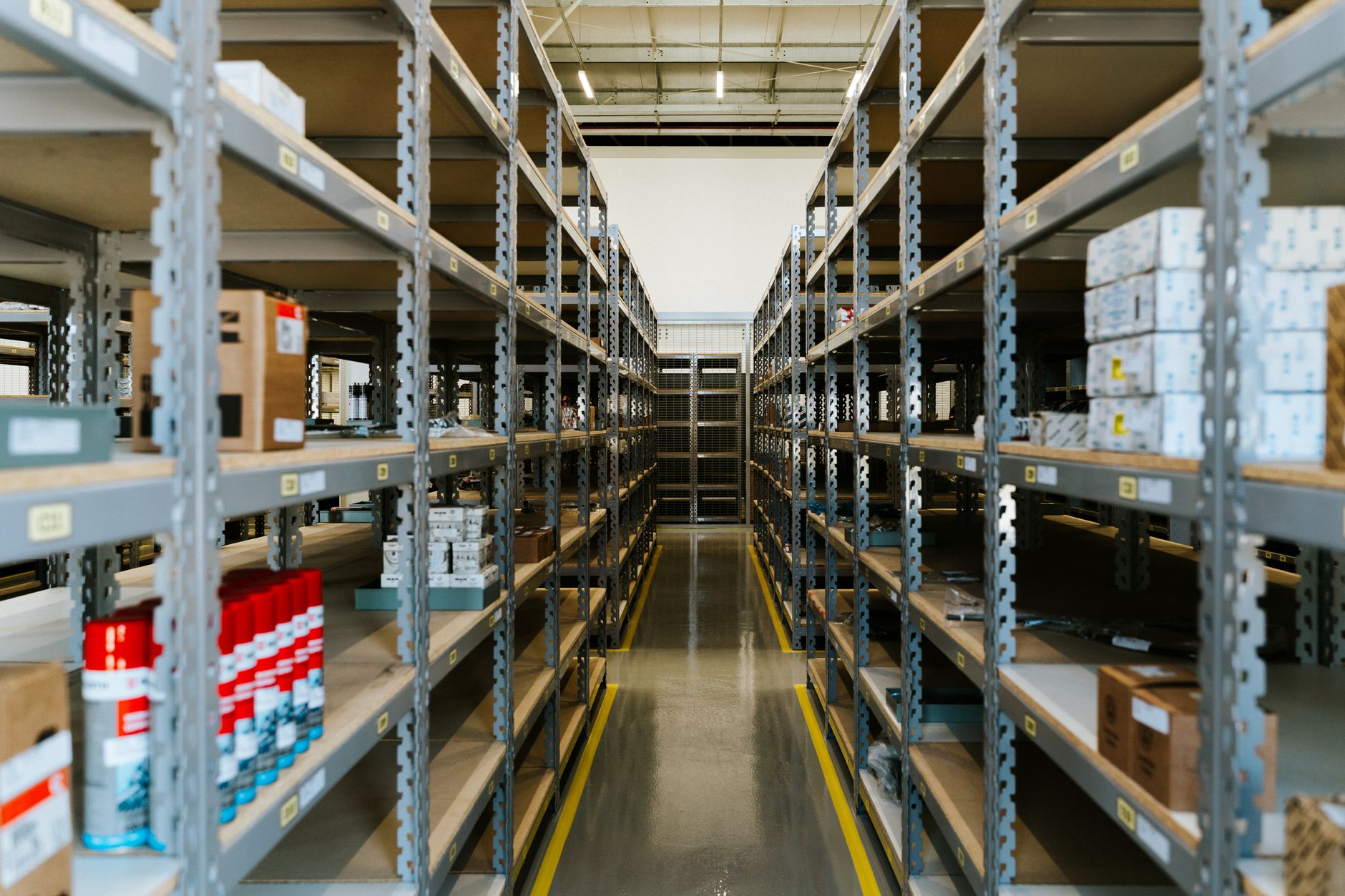
Manual picking could not keep pace with store and online demand
A national consumer electronics and home appliance retailer in France with a central distribution center supplying more than two hundred stores runs a high-mix catalog through one central hub. Walk-and-pick labor tied pickers to carts while order profiles shifted between e-commerce and store replenishment.
Leadership wanted higher units per hour without a multi-year fixed conveyor project. They also needed a fleet that could flex when campaigns or weather drove sudden volume spikes.
- Long walk paths between fast-moving SKUs
- Manual pick rates near 120 units per hour
- Store network above two hundred locations
- Pressure to scale without rebuilding the building
Collaborative AMRs layered onto the existing WMS
The operation deployed collaborative warehouse AMRs at its central distribution facility, integrated with the existing warehouse management system and material handling equipment. Published reports describe full implementation in less than five months, with the platform live in about four months at the site.
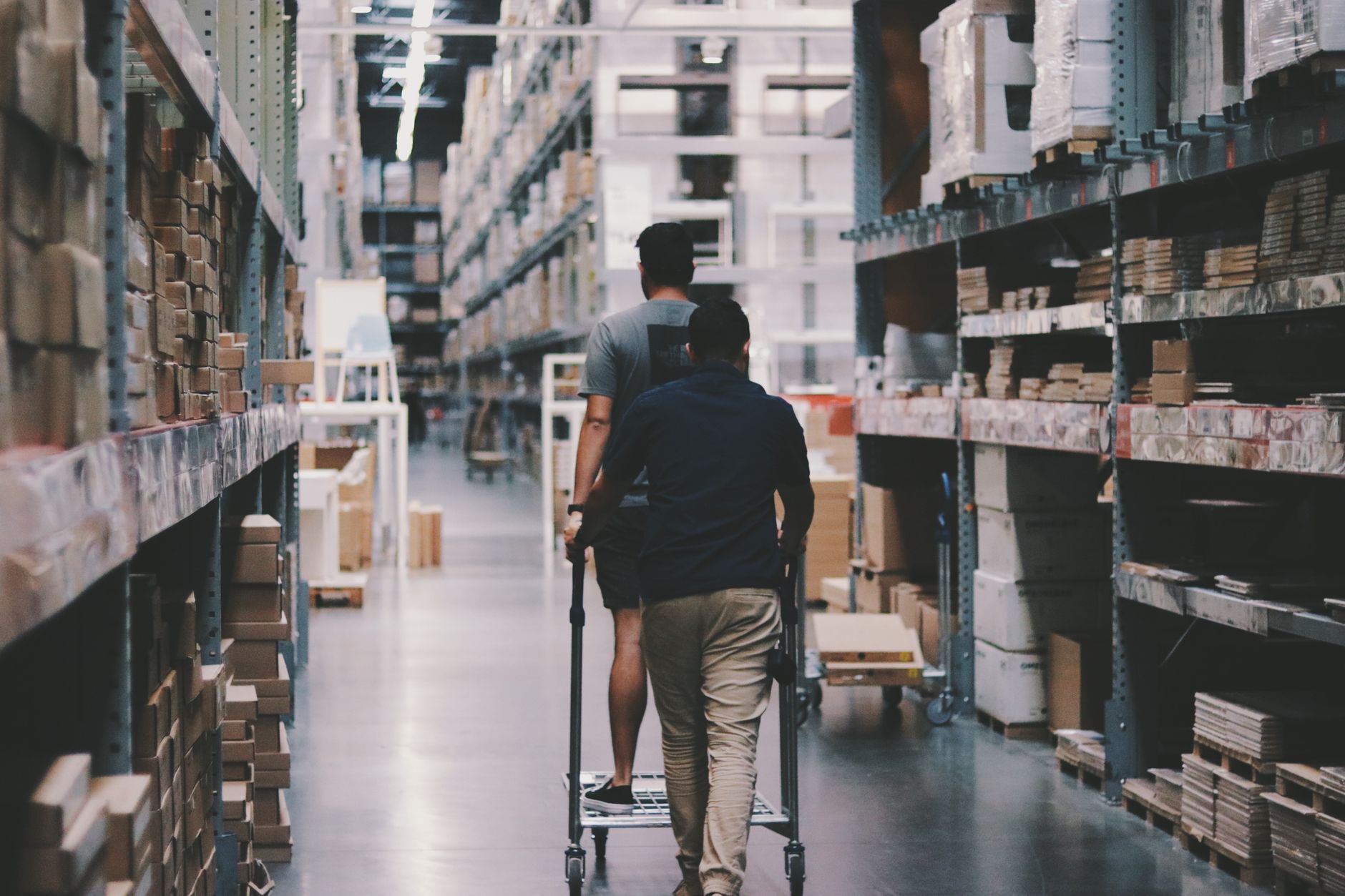
Associates picked to robots that carried totes along mapped aisles while the WMS directed work. Training focused on daily starts, exception handling, and keeping pick faces clear during peak waves.
- Map aisles and pick zones without major construction
- Integrate AMRs to the live WMS
- Run parallel manual and robotic picks during cutover
- Train leads on fleet health checks and charge routines
Measured pick rates and fleet elasticity
Within six weeks of operation, picking productivity more than doubled from about 120 units per hour to more than 250, according to the public deployment report.
When order volume jumped about thirty percent unexpectedly, the retailer expanded the autonomous mobile robot fleet by about thirty percent within days to absorb the spike. In under a year the site processed nearly nine million units through the new workflow while continuing to supply more than two hundred stores nationwide.
What US retailers can take from this pattern
This story is a documented example, not a Service Robot Co. customer claim. It still shows why US retailers compare flexible AMR fleets to fixed automation when volumes swing between stores and e-commerce.
Service Robot Co. selects OEM-neutral warehouse AMRs, then finances, deploys, integrates, trains, and services units through a nationwide engineer network. A free site assessment maps pick paths, WMS hooks, and phased go-live so leadership sees rate and labor data before scaling fleet size.