a leading national grocery retailer piloting autonomous shelf scanning across dozens of stores
Autonomous Shelf Scanning Lifts Grocery Sales by $200K+ Per Store
A documented grocery pilot shows how autonomous shelf scanning raised on-shelf availability by about 30% and delivered $200K+ in annual sales lift per store.
- $200K+
- annual sales lift per store
- ~30%
- increase in on-shelf availability
- 35%
- reduction in controllable out-of-stocks
- 99%
- daily task completion by store teams
Based on a documented real-world deployment. Figures are from public reporting; the organization is not named.
Where Store Profit Was Slipping Away
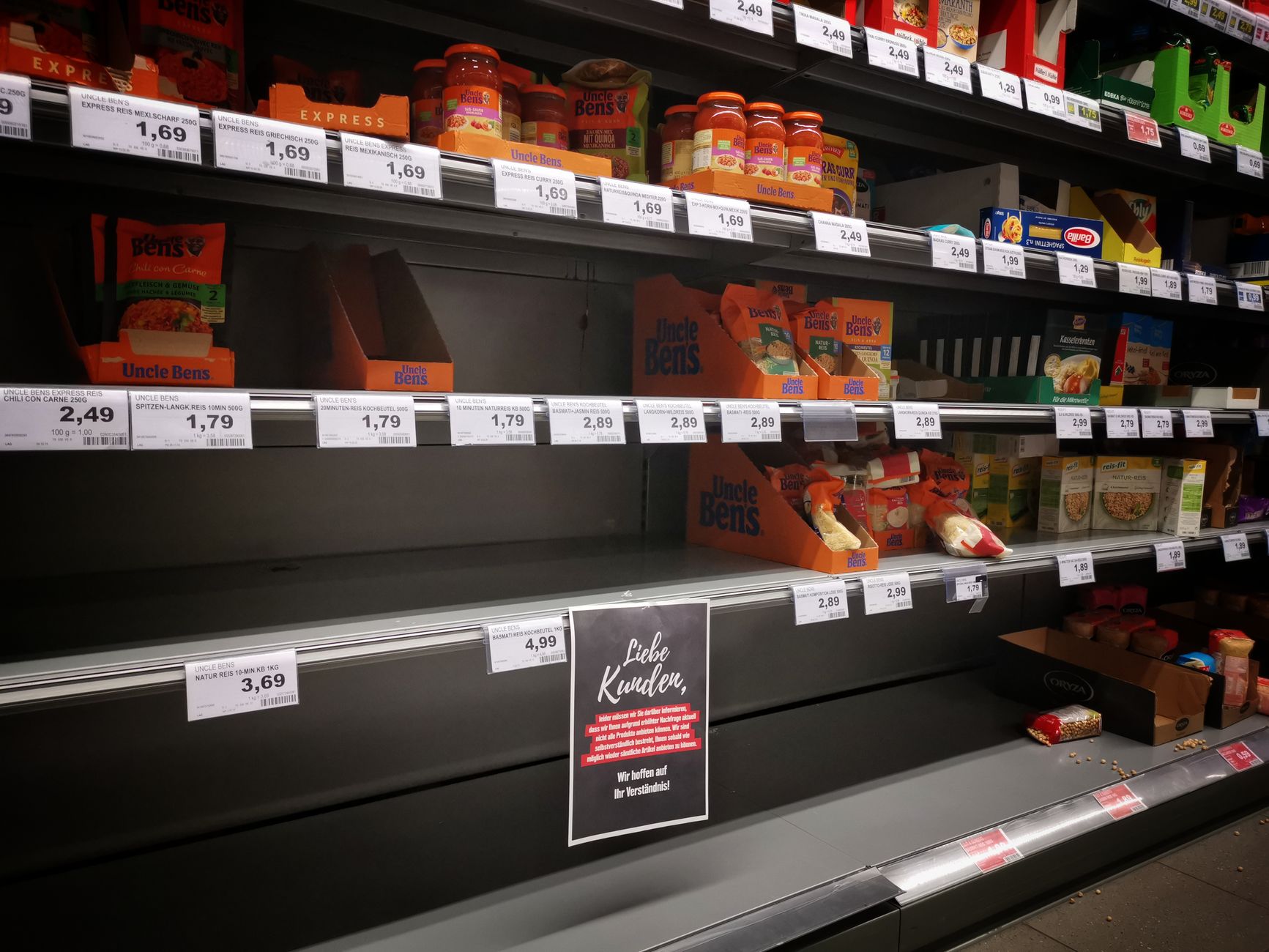
A leading national grocery retailer piloting autonomous shelf scanning across dozens of stores set out to fix a familiar but costly pattern. Shelf outs, phantom inventory, face-overs, misplaced items, and weak replenishment execution were chipping away at sales while leaving store teams to work from partial visibility.
The retailer was not looking for a novelty project. It wanted a hard operational read on what actually improved on-shelf availability, tightened inventory accuracy, and produced measurable store-level payoff in live conditions.
- Lost sales tied to out-of-stocks and weak shelf conditions
- Phantom inventory that made replenishment harder to trust
- Incorrect product placement and face-overs on the shelf
- A need to judge ROI in real stores, not lab conditions
How The Pilot Was Structured
The rollout started with a four-store pilot designed to compare shelf scanning methods in real operations. Autonomous robots were measured against mobile devices and fixed cameras, with the robotics approach posting 98% precision, compared with 85% for mobile and 80% for fixed camera alternatives.
After that first phase, the retailer expanded the pilot to 35 additional stores to test financial and operational impact at broader scale. The robots scanned shelves throughout the day, and out-of-stock detections were routed into the retailer's existing systems and workflows so store teams could act on them quickly.
That progression matters. It shows a disciplined robot pilot program, first proving technical accuracy, then proving store economics and execution quality before any wider expansion discussion.
- Phase 1 across 4 stores to compare shelf scanning methods
- Phase 2 across 35 additional stores to measure live operational and financial impact
- Daily autonomous shelf scans tied into existing store workflows
- Store teams working from task lists generated by detected shelf issues
What Changed In Store Performance
The documented gains were substantial and unusually clean. Stores in the pilot outperformed the control group with more than $200K in annual sales lift per store, alongside an approximately 30% increase in on-shelf availability.
Execution also improved at the shelf and team level. The retailer recorded a 35% reduction in controllable out-of-stocks and 99% daily task completion by store teams, indicating that the alerts were not just accurate, but usable in the rhythm of store operations.
The workforce response is part of the story, not a side note. Associates rated the program 4.1 out of 5, while 92% said store conditions improved and 89% reported better stocking efficiency. For operators, that is the difference between data that sits in a dashboard and data that changes behavior on the floor.
What This Means For Grocery Operators And For Service Robot Co.
This case study is a documented market example, not a Service Robot Co. client deployment. Its value is that it shows what an inventory robot can do when the pilot is scoped correctly, tied to daily replenishment work, and judged on revenue and shelf execution rather than novelty.
For grocers exploring robotics for retail, the practical challenge is usually not finding a machine. It is selecting the right fit, structuring a phased pilot, connecting alerts to store workflows, training teams, and keeping the fleet serviceable after go live. That is where Service Robot Co. fits as a vendor neutral robot integrator and one partner one number operator for robot deployment and integration.
Service Robot Co. works across manufacturers, then handles site assessment mapping, turnkey robot deployment, training, financing, and nationwide service. For buyers weighing robot leasing for business, monthly payment programs, or a try before you buy robot pilot program, the takeaway is simple: the economics improve when one party owns the rollout and the service life, not just the hardware handoff.