
a large independent school district in the Dallas-Fort Worth metro operating dozens of campuses
North Texas School District Saves Five Labor Hours Every Night With Robotic Scrubbers
How a Dallas-Fort Worth area district used autonomous scrubbers in two high schools to clean 115,000 sq ft nightly and reclaim five labor hours for detail work.
- 5 hrs
- Saved nightly
- 115K
- Sq ft nightly
- 5 hrs
- Autonomous run
- 2 sites
- High schools
Based on a documented real-world deployment. Figures are from public reporting; the organization is not named.
Labor gaps across a huge campus footprint
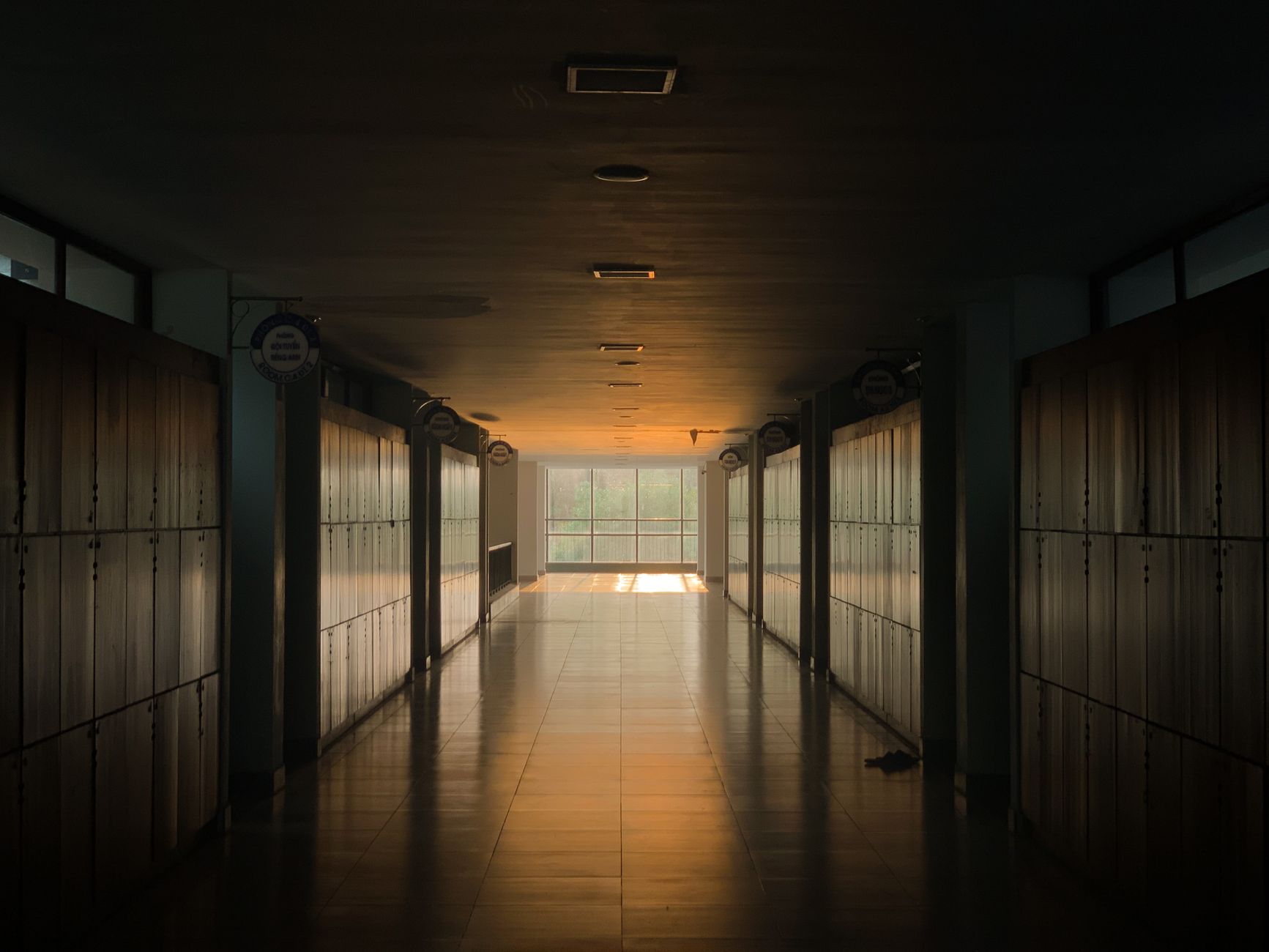
A large independent school district in the Dallas-Fort Worth metro operating dozens of campuses serves more than twenty-four thousand students across sixty-eight facilities totaling over four million square feet. Keeping gyms, cafeterias, and corridors ready for the next school day is relentless work, and facilities teams face the same hiring pressure as other employers.
Leaders needed hard-floor care that did not pull custodians away from restrooms, classrooms, and touchpoint disinfection. They wanted overnight coverage without adding night shifts they could not fill.
- Persistent custodial staffing shortages
- Large nightly hard-floor mileage in active schools
- Parents and staff expect visible sanitation confidence
Phased scrubbers with a facilities partner
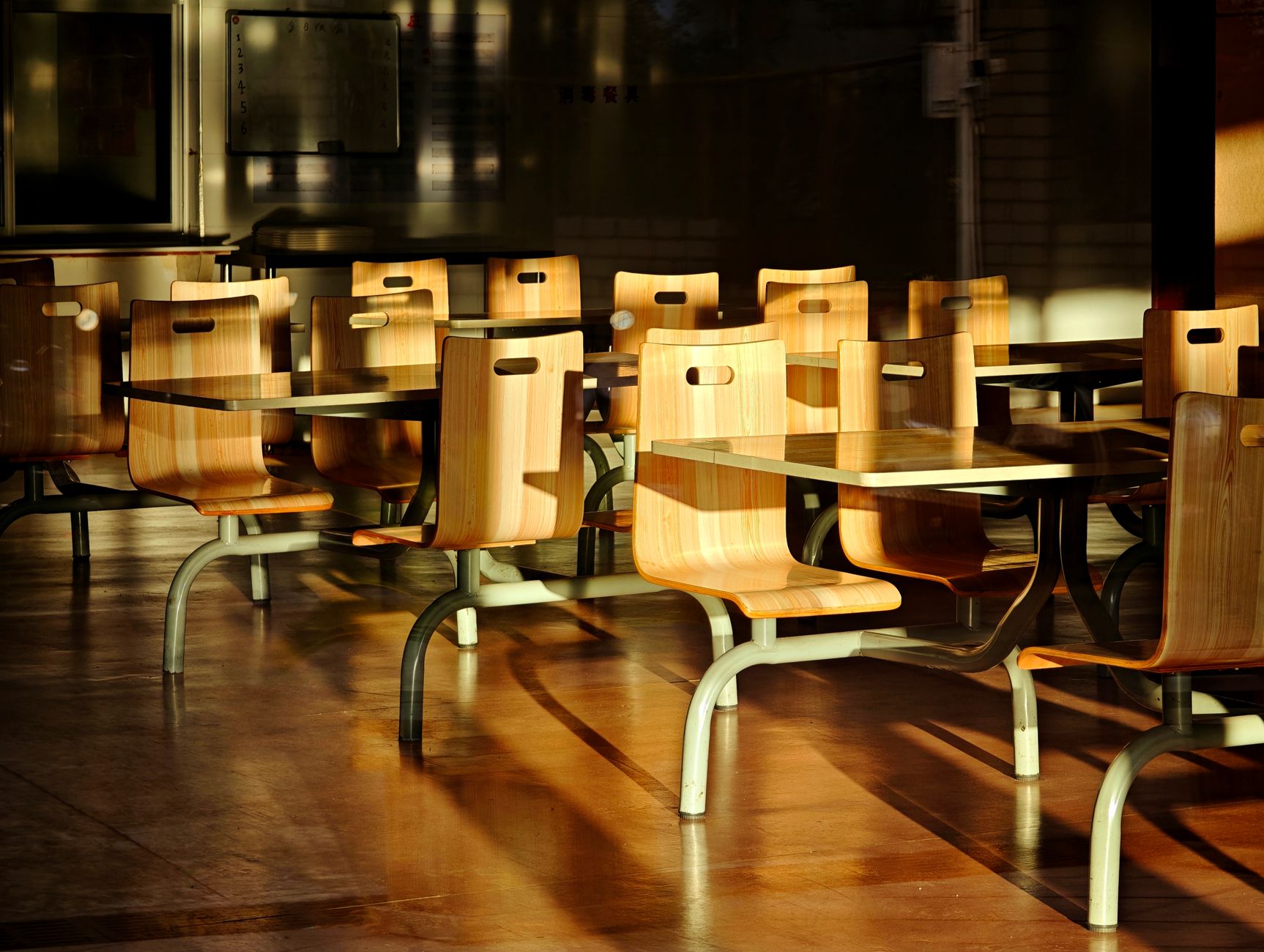
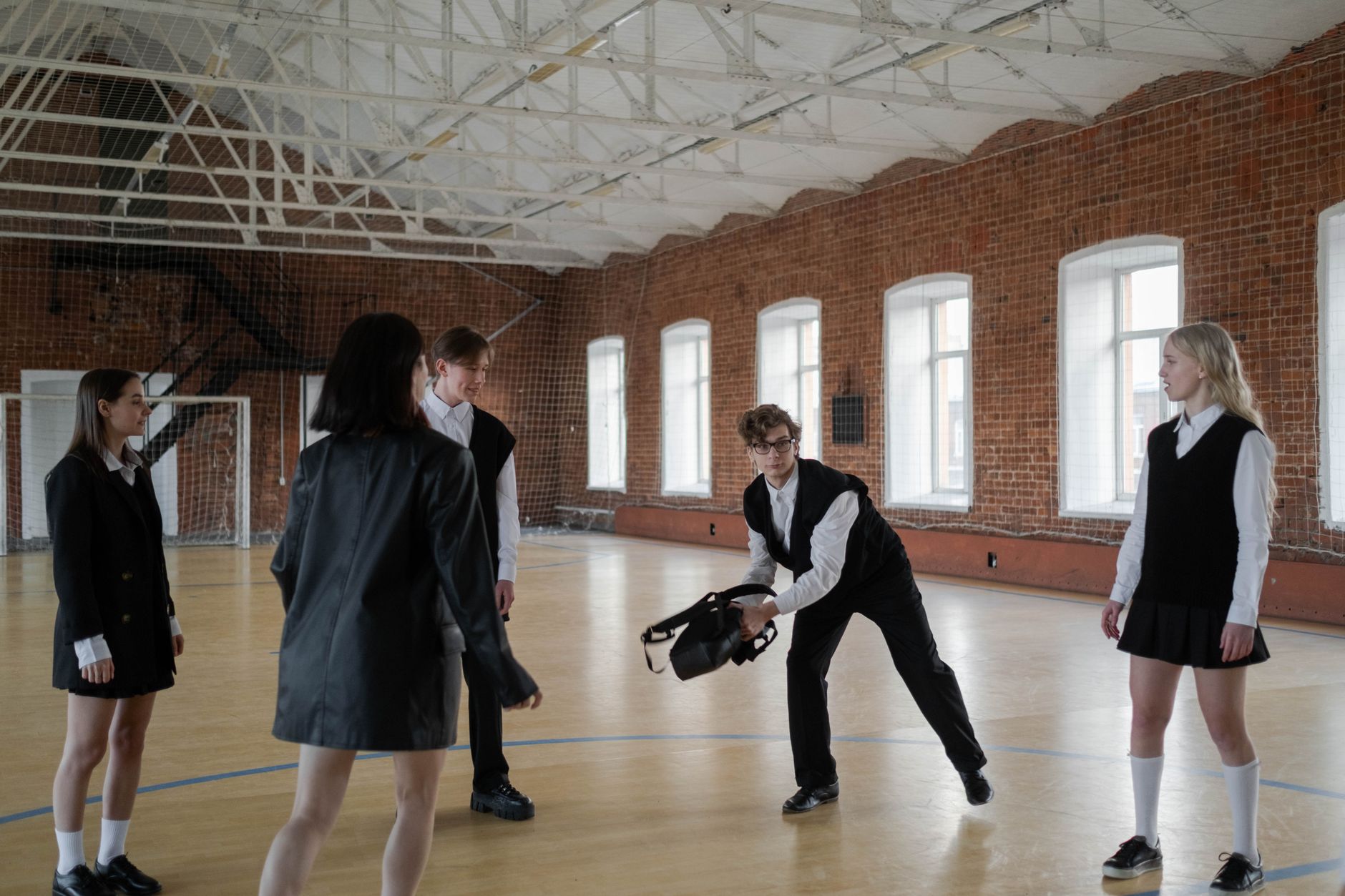
District operations worked with their contracted facilities management partner to invest in autonomous floor scrubbers equipped with integrated UV-C disinfection. Units went live in two high schools first, cleaning gymnasiums, cafeterias, and corridors on a mapped night route.
The robots run about five hours each night on their own while custodians handle higher-detail tasks. Training focused on mapping, daily starts, and when to escalate service so the night crew treats the machines as tools, not toys.
- Pilot two high schools before wider rollout
- Map gyms, cafeterias, and corridors for autonomous passes
- Pair scrubbing with UV-C passes for added pathogen control
- Keep custodians on detail work while robots cover open hard floors
Five labor hours back every night
The district reports five labor hours saved per night after the scrubbers took over the repetitive gym, cafeteria, and corridor passes. That time shifts to more detailed cleaning projects instead of pushing a manual scrubber across the same loops.
Coverage spans about one hundred fifteen thousand square feet nightly across the two high schools. Leaders cite more consistent cleaning performance, better task prioritization for staff, improved sanitation confidence, and lower cost per square foot cleaned.
A pattern K-12 operators can copy with one integrator
This is a publicly documented school deployment analyzed as an example, not a Service Robot Co. client project. It shows how an OEM-neutral partner can match autonomous scrubbers to your busiest hard-floor zones when hiring stalls but standards do not.
Lease, rental, or purchase paths with maintenance included let you pilot campus cleaning robots on month-to-month terms where programs allow, then scale fleet-wide with one number for mapping, training, and on-site service.