a high-mix personal-care products manufacturer
Personal-Care Assembly Case Study: 80% Faster Changeovers
A high-mix personal-care products manufacturer cut changeover time 80% with collaborative screw fastening, reducing retraining drag and stabilizing output.
- 80%
- changeover reduction
- SMED
- single-minute swaps
- Minutes
- new setups programmed
- High-mix
- multiple formats handled
Based on a documented real-world deployment. Figures are from public reporting; the organization is not named.

Frequent Swaps Were Eating the Shift
This plant was not fighting a raw speed problem. It was fighting interruption. Regular product swaps on an electric shaver assembly line meant manual tool changes, repeated fixture adjustment, and long retraining cycles every time a new variant came through.
The damage showed up in lost production hours and uneven output. Skilled operators were spending too much of the shift checking screw fastening, tuning the setup, and guarding against mistakes that become more likely when a high-mix line changes over constantly.
For a consumer goods manufacturer, that pattern is expensive in a very specific way. Throughput gets capped not by the line's rated pace, but by the friction between one SKU and the next.
- Frequent product changeovers required manual tool swaps
- Lengthy retraining delayed each new setup
- Fixture adjustments and fastening checks consumed skilled labor
- Variant-to-variant changeovers increased downtime risk and human error exposure
A Collaborative Cell Replaced Manual Setup Guesswork
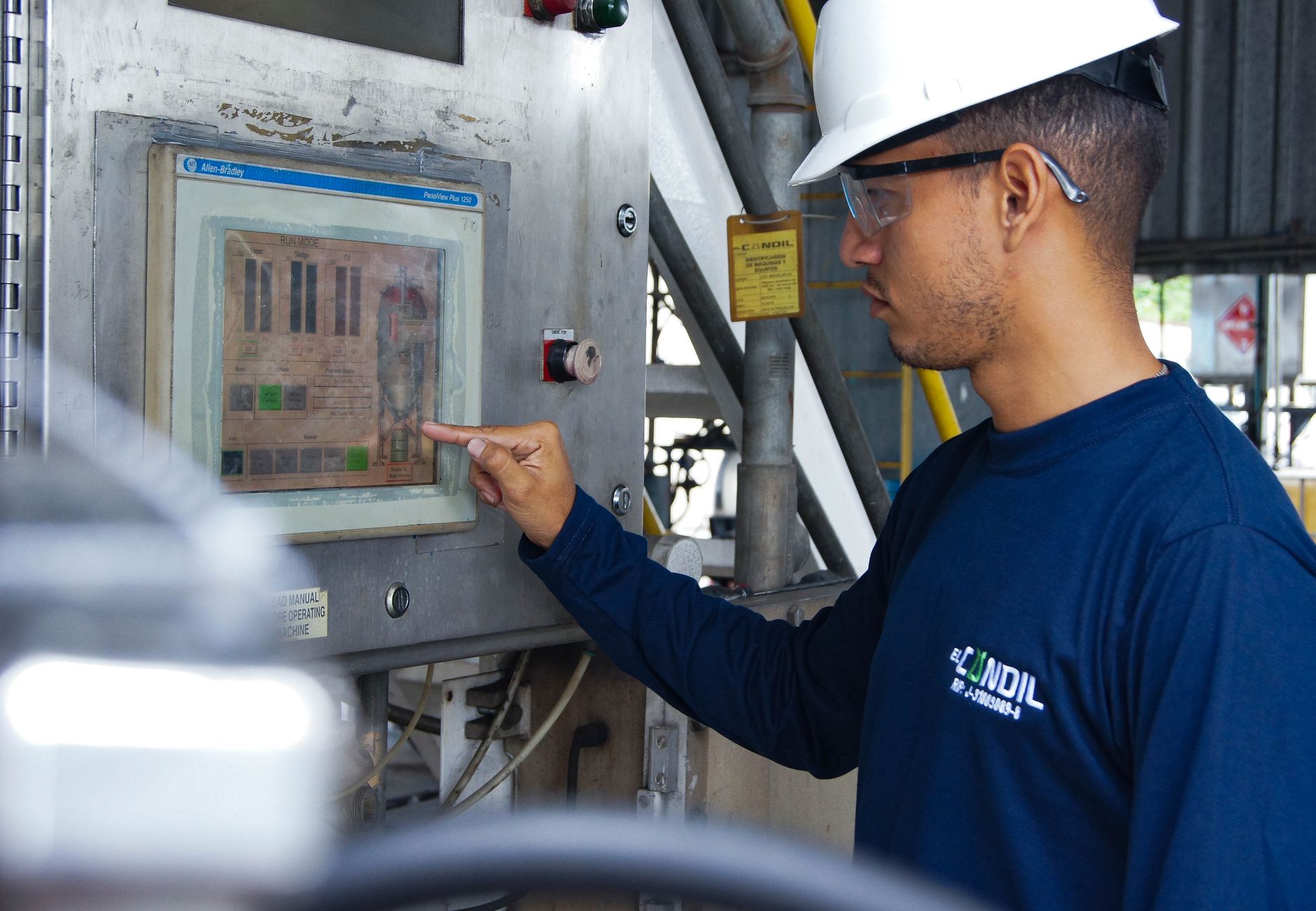
The manufacturer introduced a collaborative robot for screw fastening so the fastening step would behave the same way from one product type to the next. Instead of leaning on operator memory and manual tweaks, the process moved to a repeatable programmed routine that could adapt across multiple formats.
Just as important, the cell was made approachable for the people already running the line. Operators could set up new product types in minutes through an intuitive interface, which removed the need for specialized programming expertise and made fast changeovers practical on the shop floor.
That is the pattern Service Robot Co. is built around. As a vendor neutral robot integrator, we help U.S. manufacturers choose the right collaborative robot arm rental, cobot rental for manufacturing, or lease rental or sale path, then handle robot deployment and integration, training, financing, and service through one lifecycle partner.
- Standardize screw fastening with a collaborative robot
- Program the cell to adapt across multiple product formats
- Enable operators to launch new product types in minutes
- Use phased deployment no shutdown planning, training, and ongoing service to keep adoption practical
Downtime Fell and Changeovers Became Manageable
The verified headline result is clear. Changeover time dropped by 80%. For a high-mix line, that is not a marginal gain. It changes how often the plant can switch models without paying a heavy penalty in lost output.
The source also reports broader operating benefits, including more consistent assembly quality, less rework, safer handling, and faster operator onboarding. Those gains matter because they stabilize the process around every swap, not just during long steady-state runs.
Just as notable, single-minute exchange of dies became standard practice. The line could move from one product type to another quickly, while the robot handled routine fastening work with repeatable execution.

Why This Matters for U.S. Manufacturers Evaluating Cobots
This example is useful because it shows where collaborative automation earns its keep. In many plants, the real bottleneck is not machine speed. It is changeover drag, retraining churn, and the inconsistency that creeps in when teams are asked to reset a process again and again.
That is where Service Robot Co. fits. We are a full-service, OEM-neutral commercial robot integrator for U.S. businesses. We select the right robot across manufacturers, then finance, deploy, integrate, train, and service it through a nationwide engineer network. One partner, one number, and one operating model from pilot to long-run support.
For buyers weighing robot leasing for business, robot as a service, monthly payment programs, or a lease purchase program, the point is practical. A cobot project works better when the hardware choice, rollout plan, service coverage, and maintenance included model are handled together instead of split across separate vendors.