
a temperature-controlled pharmaceutical distribution center audited for medicine handling compliance
Pharma Distribution Center Doubles Cleaning Frequency With No Added Labor
How a temperature-controlled medicines warehouse used a daily autonomous scrubber route to more than double floor cleaning frequency while staff stayed on pick and pack.
- 2x+
- Clean freq
- 60 min
- Daily run
- 13K sqm
- Facility
- 0
- Added labor
Based on a documented real-world deployment. Figures are from public reporting; the organization is not named.
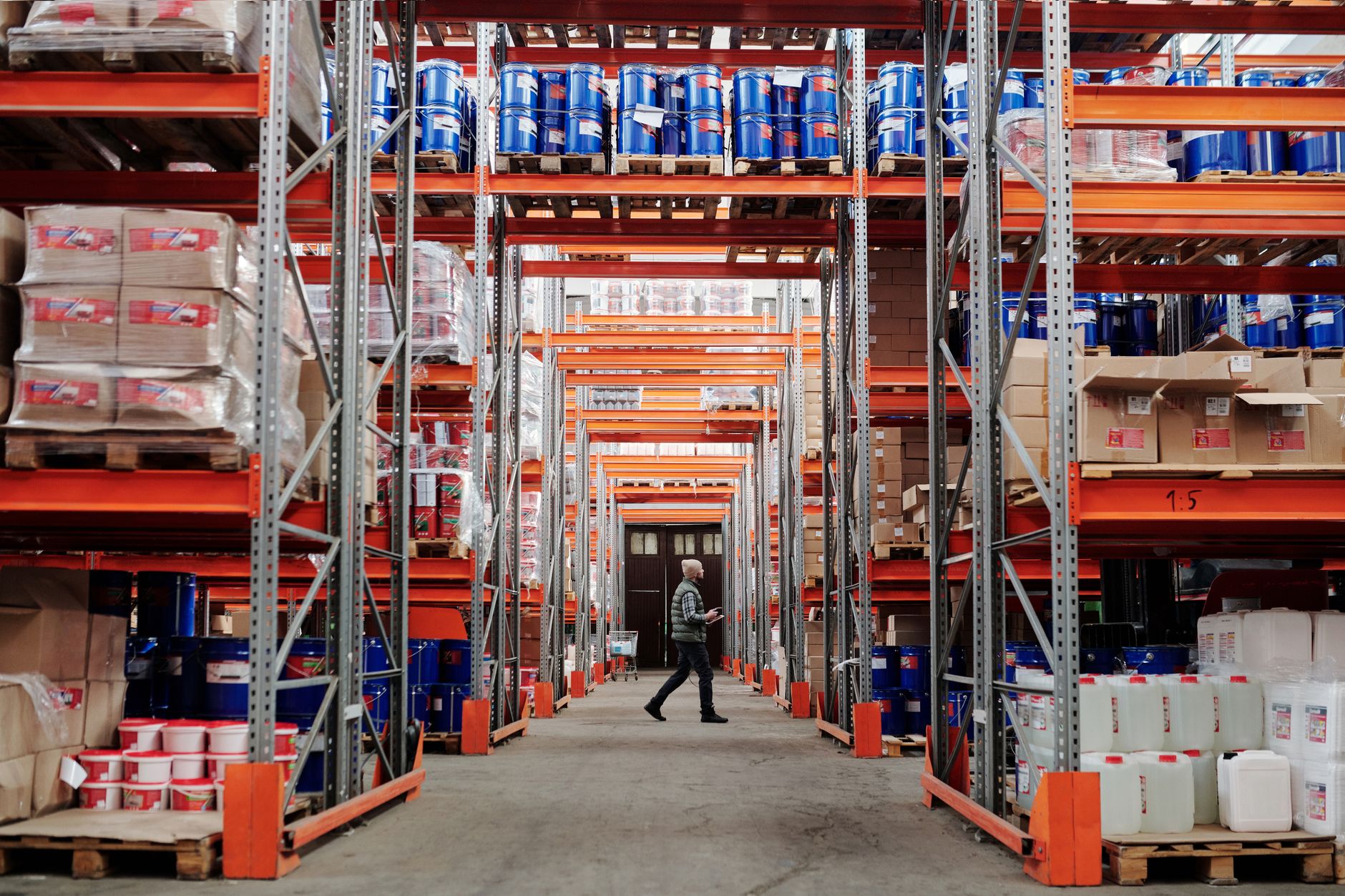
Audits demanded proof manual cleaning could not keep pace
A temperature-controlled pharmaceutical distribution center audited for medicine handling compliance runs about thirteen thousand square meters of floor where cold-chain product moves daily. Regulators, customers, and principals all expect spotless hygiene records, yet manual scrubbing pulled teammates off picking, packing, and distribution.
Signed paper logs were not enough when leadership needed to show exactly which aisles were cleaned and when.
- Medicine handling rules with frequent external audits
- Time-sensitive floor care competing with outbound volume
- Limited staff hours for repetitive scrubbing loops
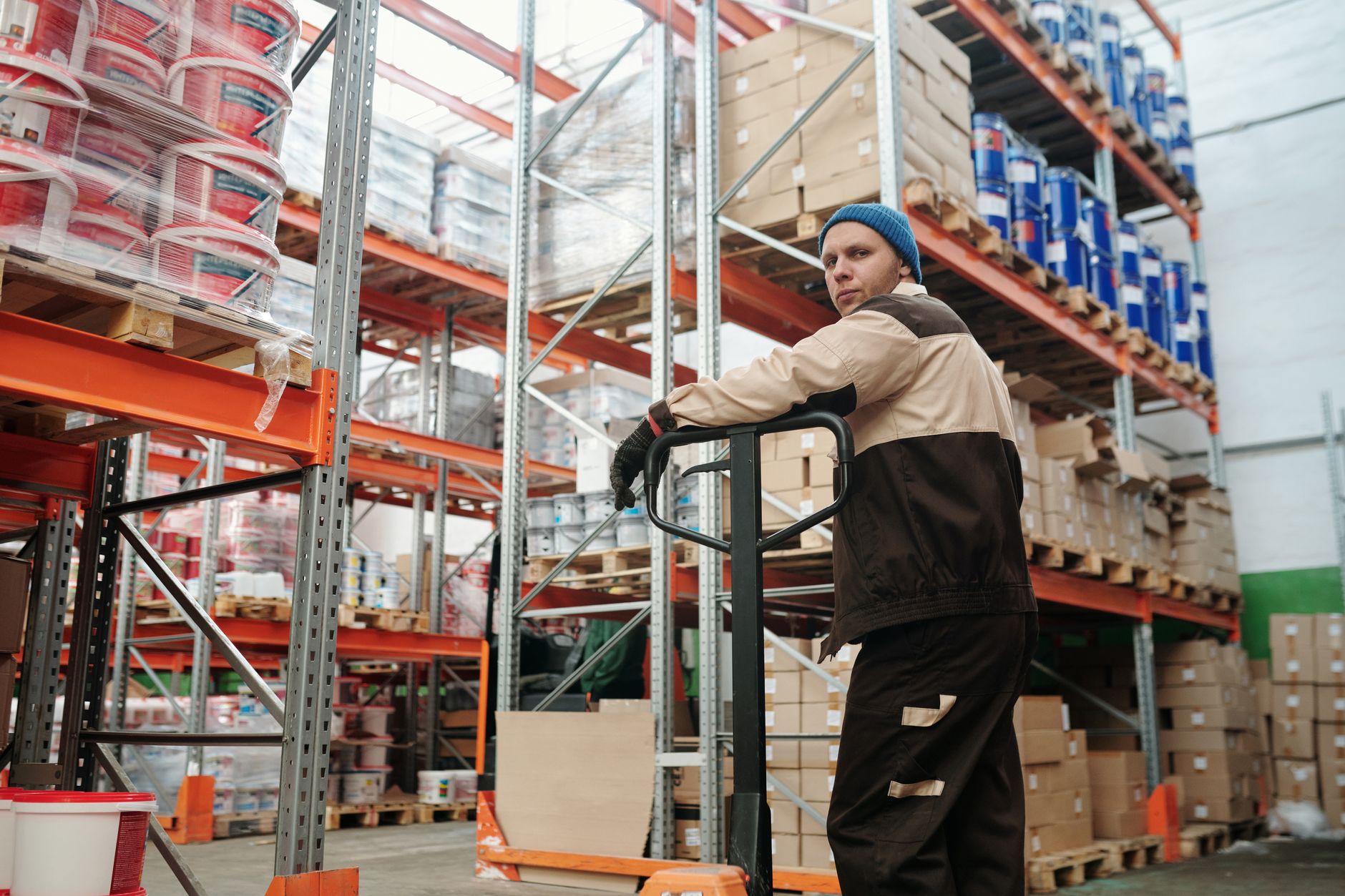
Daily autonomous scrubber with map-based reporting
Operations deployed an autonomous scrubber-dryer engineered as an integrated robotic system rather than a retrofitted manual machine. The unit self-launches, navigates with laser sensing, and handles draining, rinsing, refilling, and recharging without tying up a floor tech.
A sixty-minute daily route runs while logistics work continues, and a private portal stores map-based reports leaders can open during audits.
- Pilot route through high-traffic pick paths
- Set a fixed sixty-minute daily autonomous window
- Train supervisors to read digital cleaning trails
- Keep manual teams on touchpoints and spill response
More than double the cleaning cycles, same headcount
Leadership reports cleaning frequency more than doubled without increased labor costs after the robot took over the scheduled scrubbing pass. Compliance records moved from handwritten sign-offs to timestamped maps that show what was cleaned.
Teammates returned focus to picking, packing, and distribution while the scrubber covered open floor on its own.
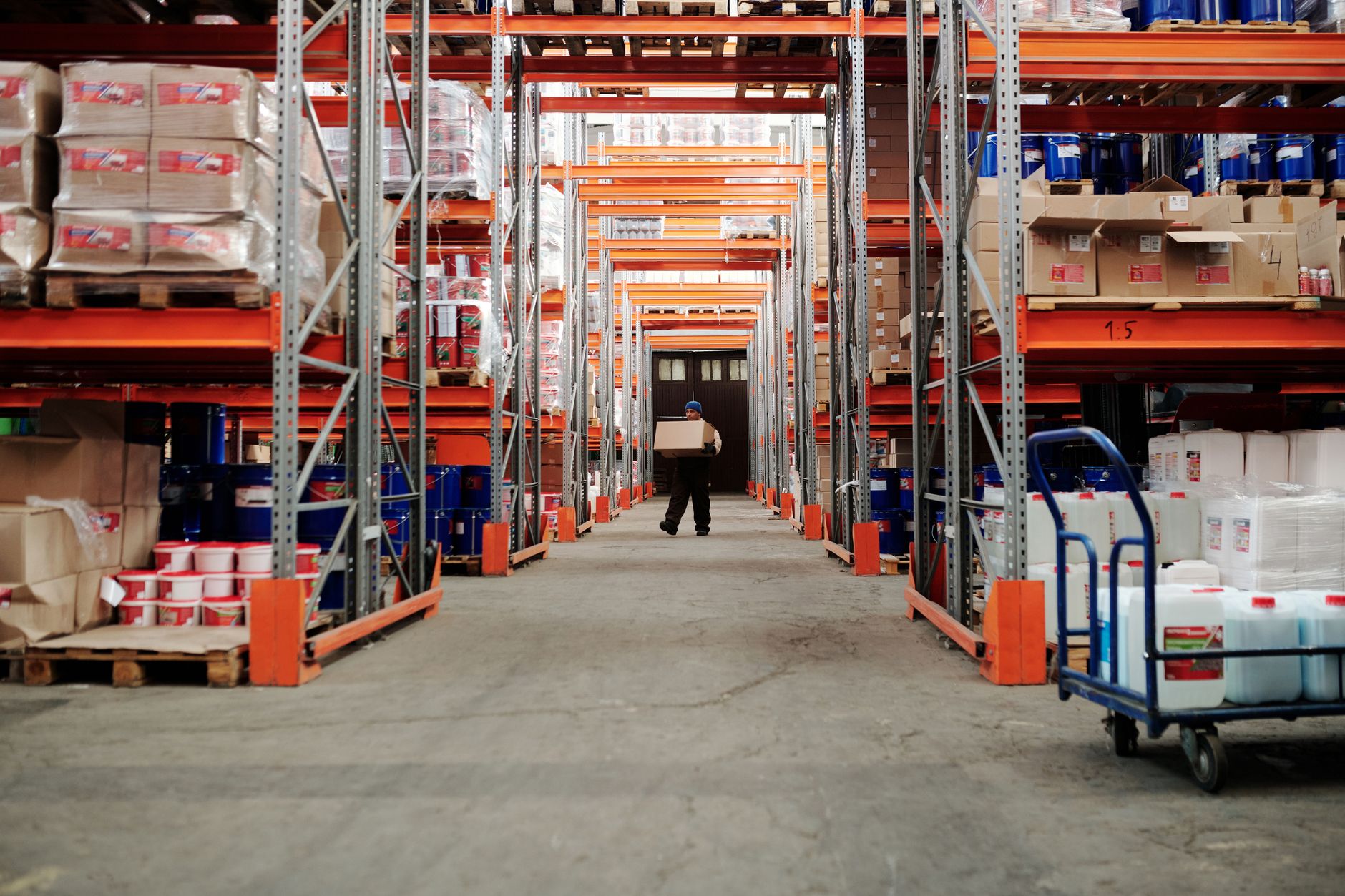
What US healthcare logistics operators can copy
This is a documented distribution deployment analyzed as an example, not a Service Robot Co. project. It shows how an OEM-neutral integrator can match autonomous scrubbers when audit trails matter as much as shiny floors.
Buy, lease, or finance the fleet through one partner, map routes around pick schedules, and keep RoboCare coverage so a failed nightly pass does not stall morning outbound waves.