
a Danish refrigeration and freezer equipment manufacturer with about 200 employees
How a Refrigeration Factory Shifted 80% of Internal Transport to Five AMRs
A Danish refrigeration manufacturer replaced about 50 daily walking kilometers with five AMRs, moving 80% of internal transport from warehouse to production lines.
- 80%
- Factory transport
- 50 km
- Daily walks before
- 5
- AMRs deployed
- 200
- Units per 8 hrs
Based on a documented real-world deployment. Figures are from public reporting; the organization is not named.
Warehouse Miles Ate Production Time
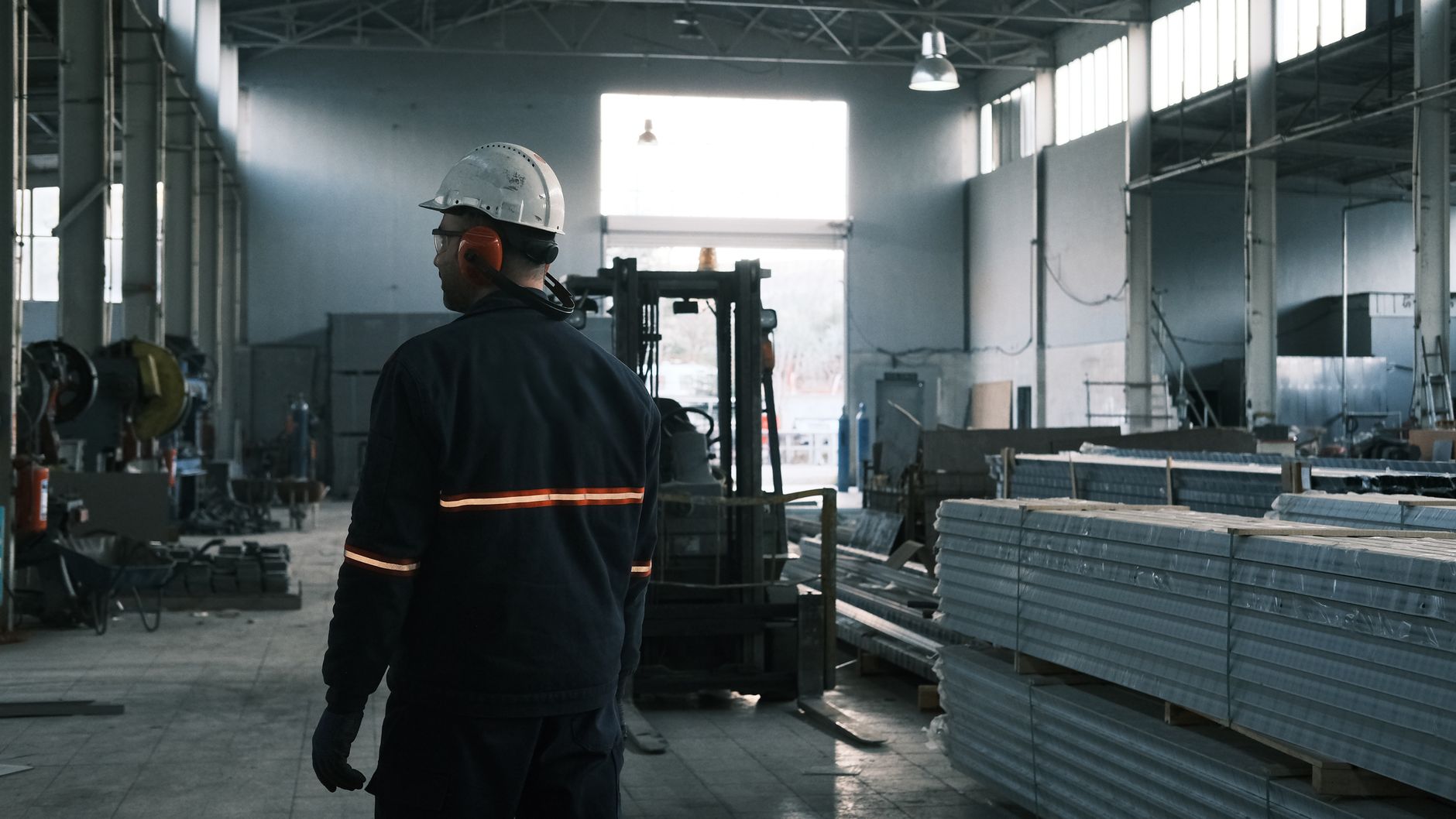
A Danish refrigeration and freezer equipment manufacturer with about 200 employees builds units for pharmaceutical and food customers on a steady daily cadence. Before automation, people on foot covered about 50 kilometers each day moving goods from warehouse to production.
That walking load tied skilled hands to transport instead of assembly and quality work. Manned forklift traffic also added safety and congestion pressure along the same paths.
- About 50 kilometers of daily internal walking
- Warehouse-to-line moves on every shift
- Forklift traffic in shared aisles
- Target output of 200 units in eight hours
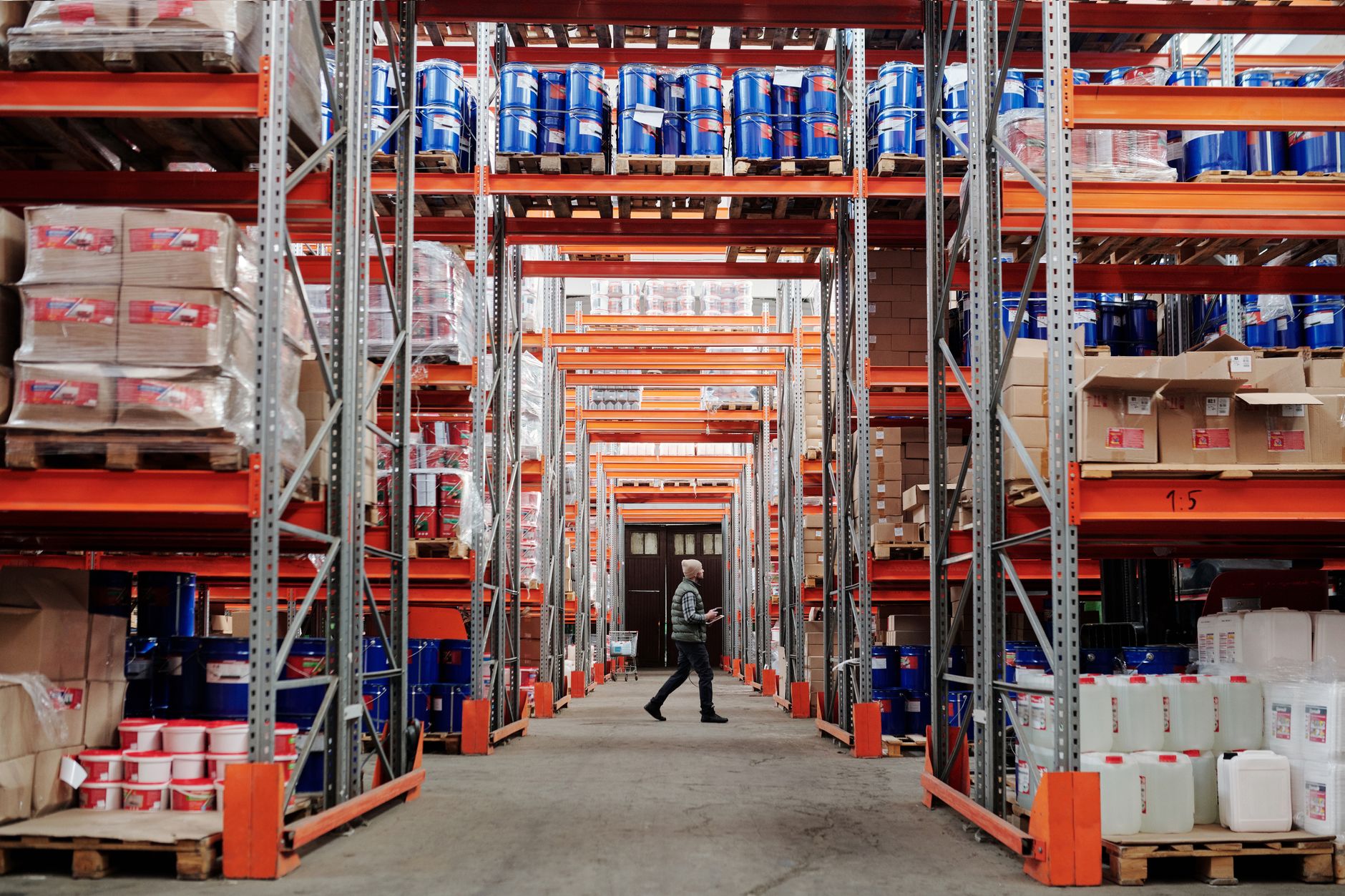
Pick in the Warehouse, Let AMRs Carry
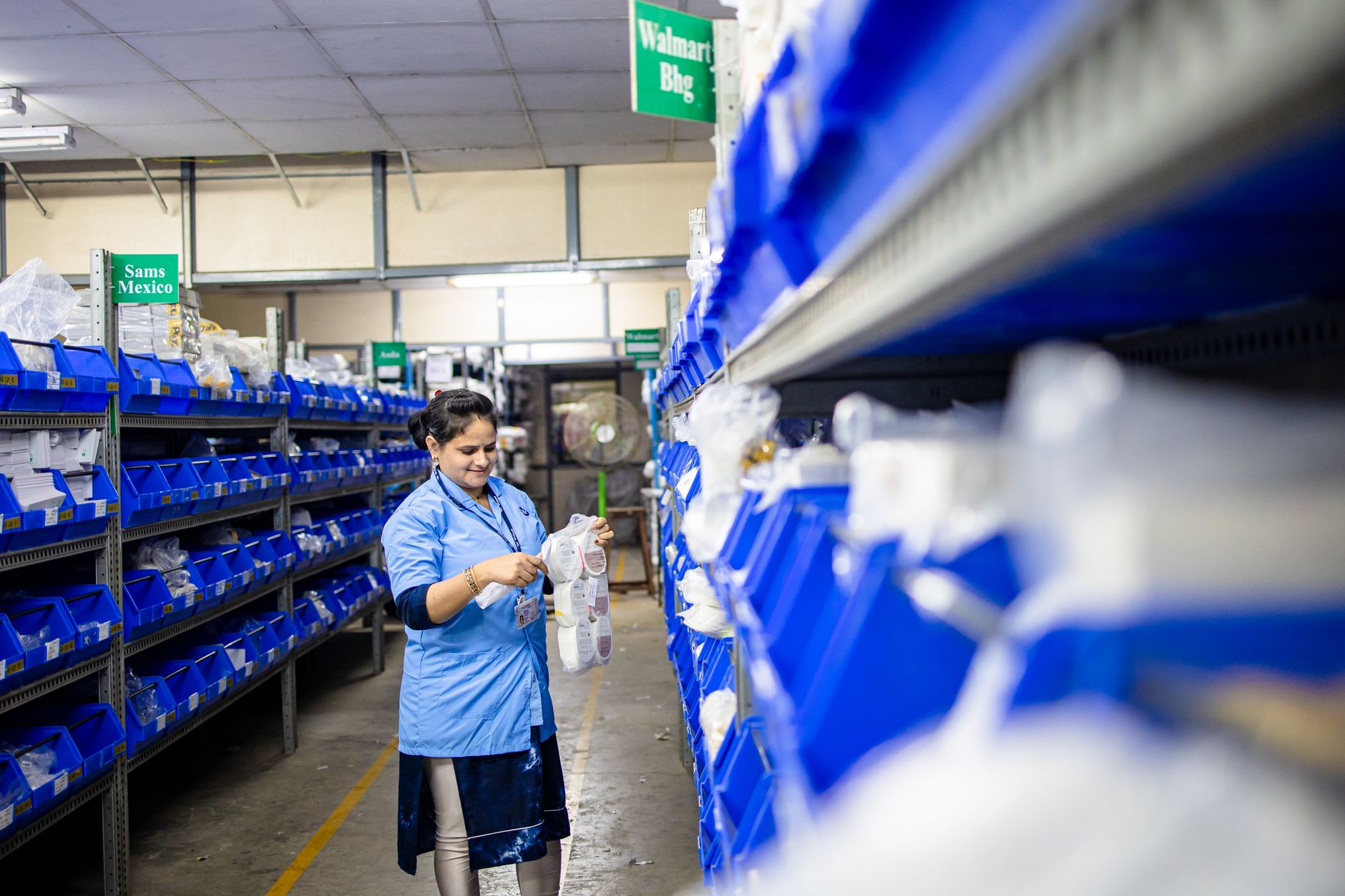
The plant deployed five autonomous mobile robots, including hook-equipped units, to move picked goods from warehouse staging to production. Workers prepare orders for the robots instead of walking the full distance themselves.
The fleet integrated into existing flow without replacing every manual step on day one. Leadership treated the robots as a way to improve production flow and the working environment, not as a headcount cut.
The published account describes several years of use after the first robot, with expansion to a five-unit fleet as confidence grew.
- Stage picks at the warehouse for robot pickup
- Use hook and shelf configurations for varied loads
- Keep humans on value-added station work
- Expand fleet after first routes proved stable
Most Moves Now Ride on AMRs
The robots now handle about 80% of all transport inside the factory according to the documented case. The daily 50-kilometer walking burden shifted off employees while production still targets 200 units across an eight-hour shift.
Management reported fewer manned forklift movements, which improved safety and the shop floor environment. Employee time moved toward more efficient workflows rather than disappearing from the plant entirely.
The source highlights environmental and safety gains alongside efficiency. It does not provide payback months, software stack details, or dollar savings figures.
What US Manufacturers Can Take From the Pattern
Service Robot Co. did not run this deployment. It shows how a mid-sized factory can attack walking waste between warehouse and line without a full conveyor rebuild.
Service Robot Co. gives US businesses one partner for selection, financing, deployment, integration, training, and nationwide service across cleaning, delivery, security, and warehouse robots. Hook and shelf top modules still need a site assessment before lease or purchase terms are set.
For buyers comparing warehouse robot leasing or AMR leasing, measure warehouse-to-line loops first. When foot travel stacks to dozens of kilometers per day, a five-robot fleet can be enough to move the majority of internal transport.