
a regional university hospital in Denmark serving five clinical departments from a central sterile supply center
How a Regional Hospital Runs 10+ km Weekly on Sterile Supply AMR Routes
A Danish university hospital replaced weekly sterile supply walks with daily AMR deliveries to five departments, covering more than 10 km per week with sealed carts.
- 10+ km
- Weekly travel
- 5
- Departments
- Daily
- Deliveries
- 100 kg
- Load capacity
Based on a documented real-world deployment. Figures are from public reporting; the organization is not named.

Weekly sterile runs strained staff and storage
A regional university hospital in Denmark supplied sterile disposable equipment and instruments from a central sterilization center. Service assistants delivered by hand on a weekly rhythm, which meant heavy lifting, awkward twisting, and department stockrooms sized for bulk storage.
Leadership wanted more frequent, predictable deliveries without adding porters or rebuilding corridors for fixed conveyor systems.
- Manual weekly cart deliveries to multiple departments
- Heavy lifting at the sterilization center
- Risk of shortages between scheduled runs
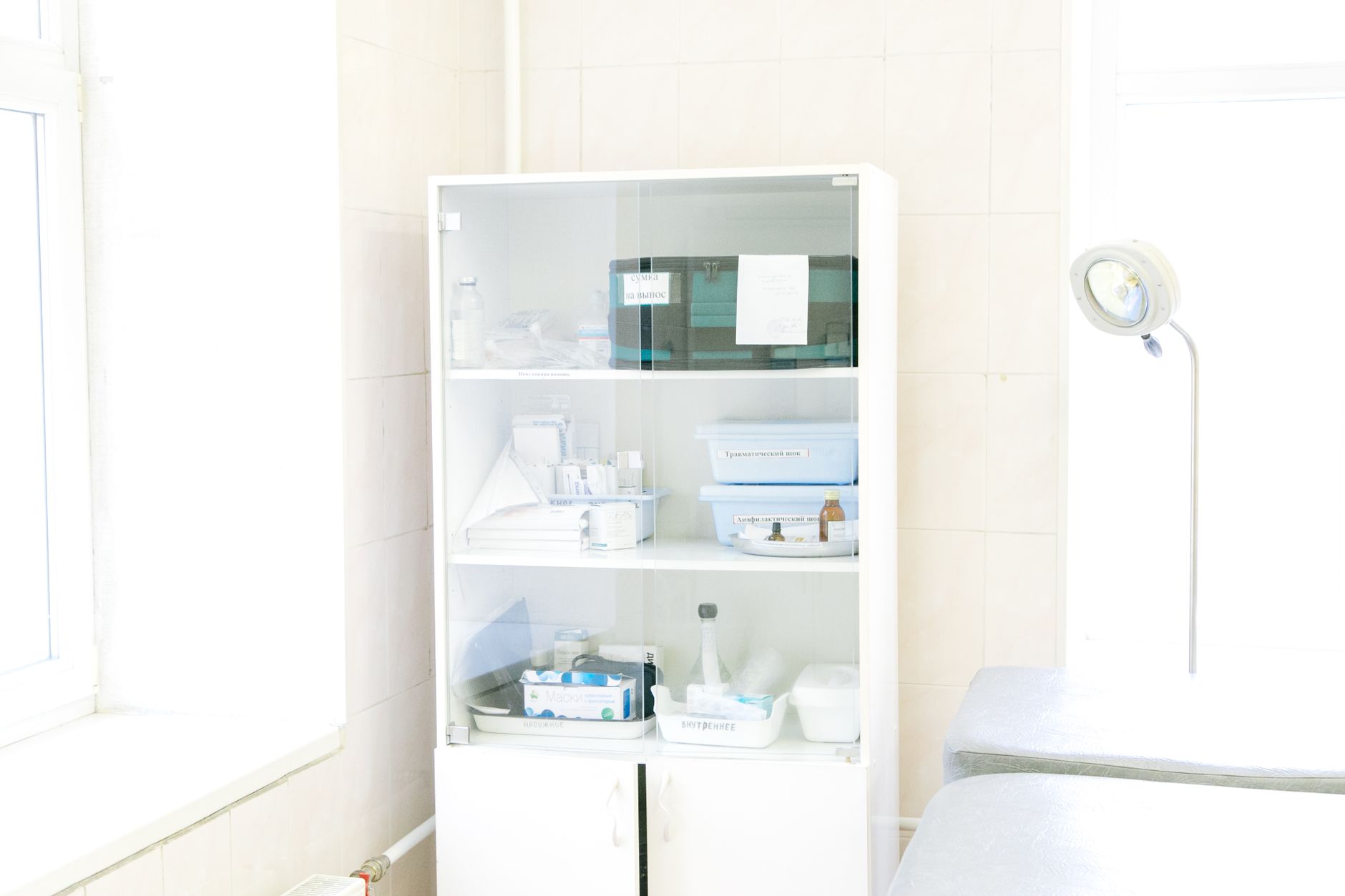
One AMR with sealed carts on a daily loop
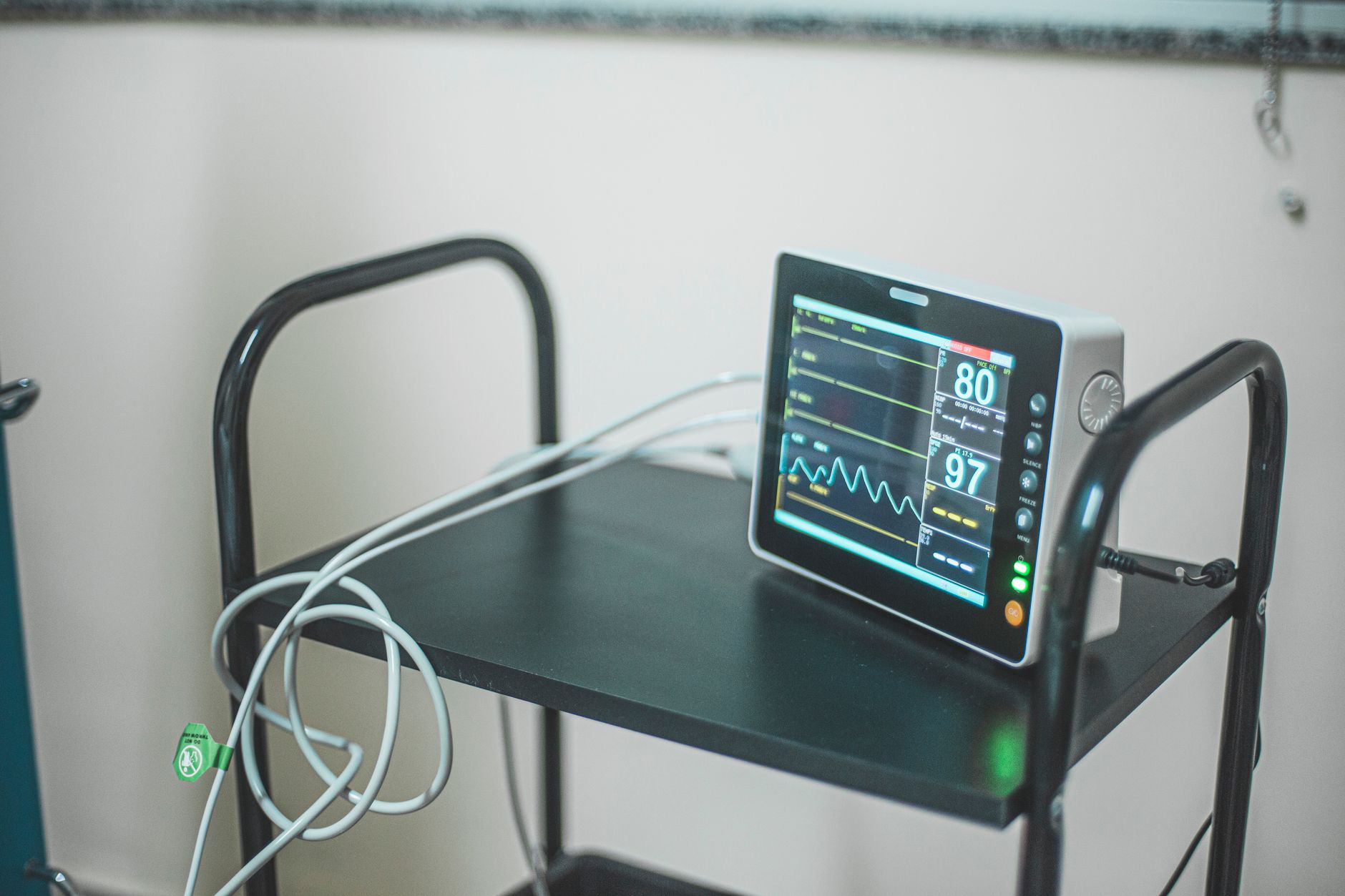
The hospital deployed an autonomous mobile robot with a cart and sealed cabinet module rated for roughly one hundred kilograms of payload. Staff load disposables and sterile tools at sterilization, then the unit travels autonomously among multiple hospital stops while service assistants unload at each department.
Navigation required no magnetic tape or major infrastructure changes, which mattered in live corridors shared with clinicians and visitors.
- Sealed cabinets packed at sterilization
- Autonomous routing among clinical stops
- Cart coupling module for quick turnarounds
More than ten kilometers weekly with daily service
After go live, the robot covered more than ten kilometers per week on sterilization loops while shifting departments from weekly bulk drops to daily replenishment. Hospitals reported less floor space tied up in departmental depots and fewer shortages between runs.
Staff redirected time from transport to patient-facing service work, and the pilot informed plans for broader automated logistics as the campus expanded.
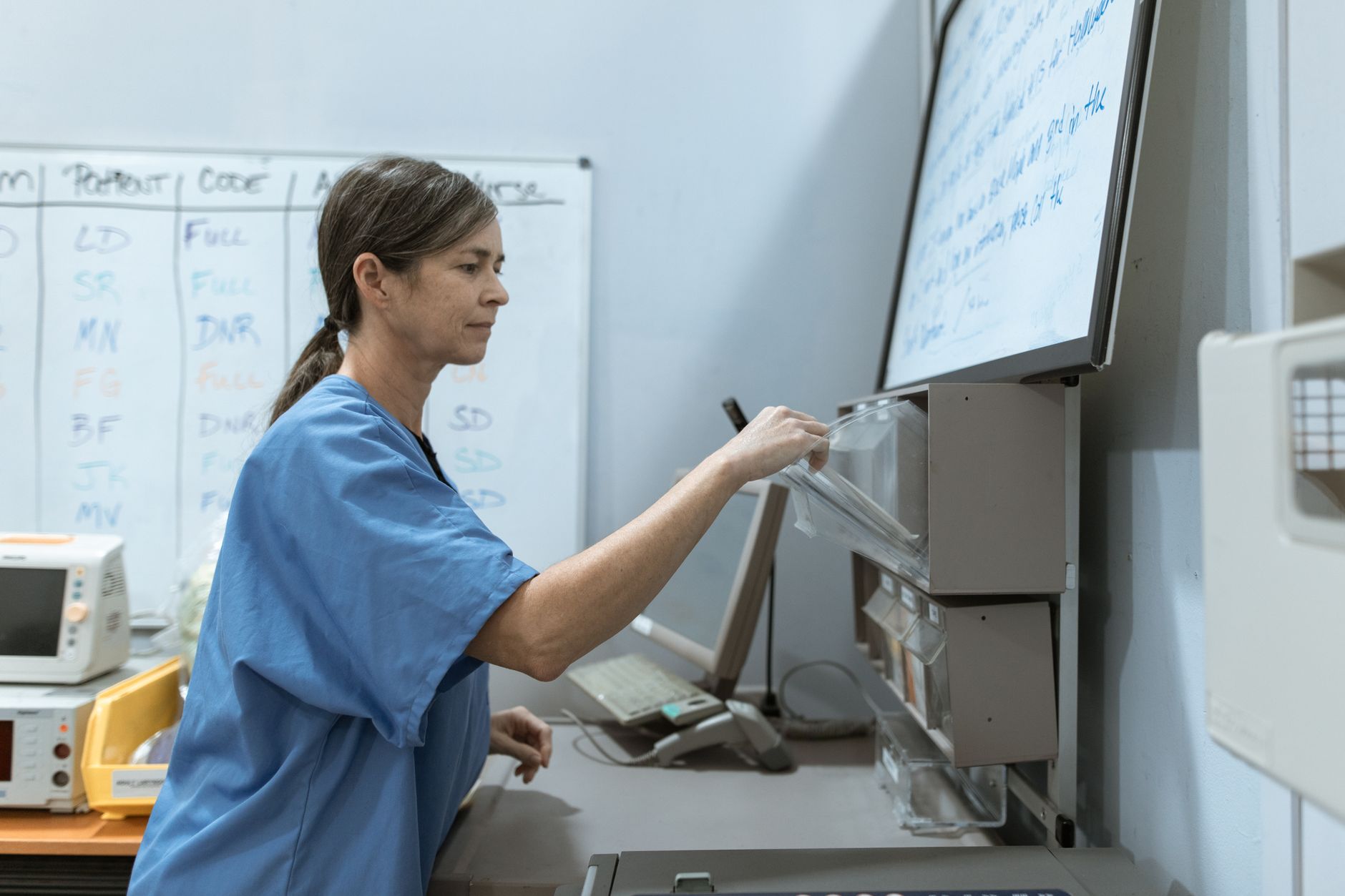
What US hospitals can learn
Service Robot Co. helps US health systems start with one high-volume sterile or pharmacy loop before scaling fleet-wide, the same phased pattern this hospital used.
Buy or lease through financing, integrate carts and elevators during deployment, and keep service on RoboCare nationwide. Vendor-neutral selection matters when cabinet size, payload, and infection-control rules vary by unit.