
a European manufacturer of intelligent electricity, water, and heat meters
How a Smart-Meter Plant Doubled Output Using AMRs Instead of Conveyors
AMRs link robotic cells 24/5 at a smart-meter plant, doubling production volume while avoiding conveyor downtime during a high-mix automation rollout.
- 2x
- Volume
- 24/5
- AMR runs
- High
- Mix/volume
- 0
- Belt downtime
Based on a documented real-world deployment. Figures are from public reporting; the organization is not named.
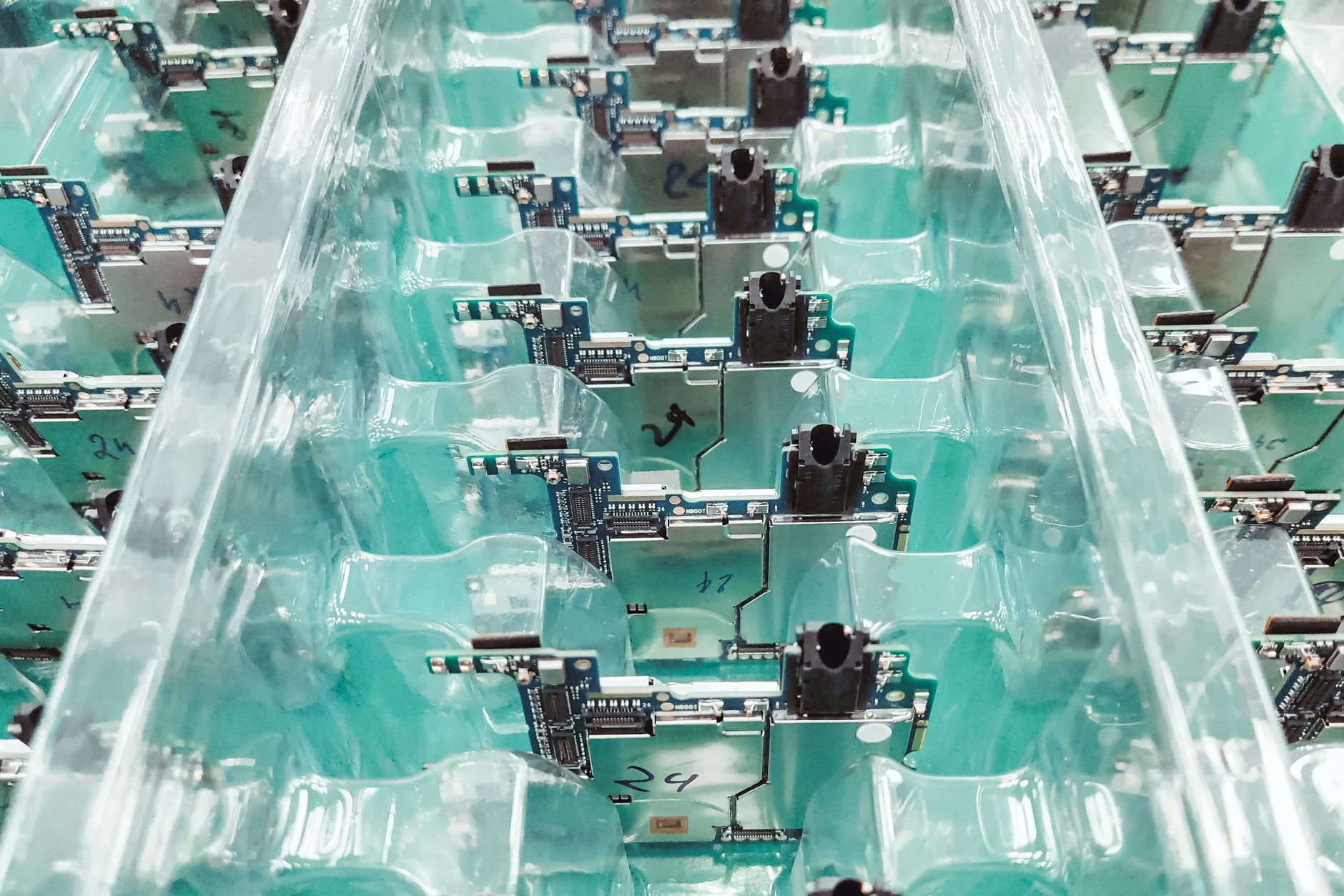
High-Mix Growth Without Fixed Conveyor Lines
A European manufacturer of intelligent electricity, water, and heat meters faced booming demand for energy-efficiency products. Semi-finished and finished items had to move between production lines and robotic cells in a layout that changes as new SKUs launch.
Traditional conveyor belts cost less upfront than mobile robots, yet they lock routes and force costly shutdowns when cells move. Leadership needed flexible automation that could plug into an existing hall while production kept running.
- Cell-to-cell moves for semi-finished goods
- High-mix, high-volume meter production
- Conveyor inflexibility on layout changes
- Growth without long production stops
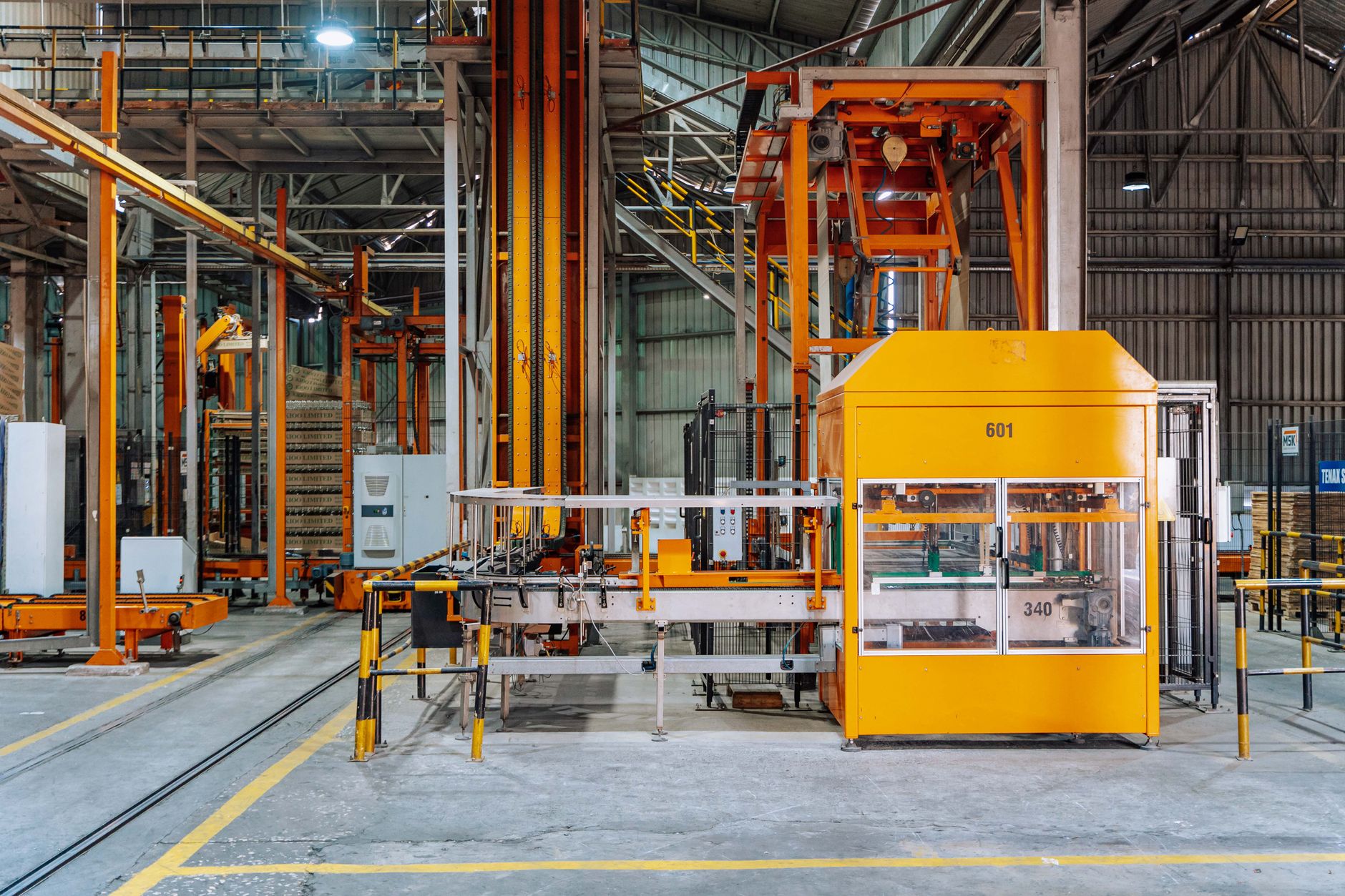
AMR Fleet With Conveyor Top Modules
The site deployed autonomous mobile robots as the adaptable link between robotic cells. Conveyor top modules let each unit automatically deliver and receive items at stations without fixed belt infrastructure.
Robots run non-stop twenty-four hours a day, five days a week, maximizing utilization of cells already on the floor. Engineers integrated the fleet into existing production alongside other automation investments worth millions in local currency.
A second production hall planned another seven to ten mobile robots for the same inter-process role as capacity expands.
- Replace fixed belts with AMR cell links
- Mount conveyor modules for auto handoff
- Run five-day, around-the-clock missions
- Integrate into live lines without shutdown
- Scale fleet in a new production hall
Production Volume Doubled During Integration
Production leadership states volume doubled while more than thirty million in local currency of new automation was woven into the existing layout, an outcome they describe as unusual without downtime. Mobile robots were chosen after side-by-side trials with another supplier, with the selected fleet performing best on flexibility and integration speed.
The case cites lower upfront cost for belts but higher total value from AMR flexibility when layouts evolve. It does not publish US dollar payback months or fleet counts for the first hall beyond the planned expansion range.
What US Electronics Plants Can Study
Service Robot Co. did not run this deployment. It shows how doubling throughput during automation spend is possible when inter-cell transport stays re-routable instead of cast in concrete conveyors.
Service Robot Co. gives US businesses one partner for selection, financing, deployment, integration, training, and nationwide service across cleaning, delivery, security, and warehouse robots. High-mix plants should compare AMR handoff modules during a site assessment before lease or purchase terms are set.
When every new SKU reshuffles cells, mobile links may beat belt lines that demand shutdowns to relocate.