
a 300-acre championship golf club in Southern California
How a Southern California Championship Club Saved 2,000 Fairway Hours a Year
A 300-acre championship golf club in Southern California used three autonomous fairway mowers to cut mowing time to 4.5 hours and reclaim 2,000 labor hours yearly.
- 2,000
- Labor hours saved yearly
- 6x
- Weekly fairway cuts
- 4.5 hrs
- Full fairway cycle
- 3
- Autonomous mowers
Based on a documented real-world deployment. Figures are from public reporting; the organization is not named.
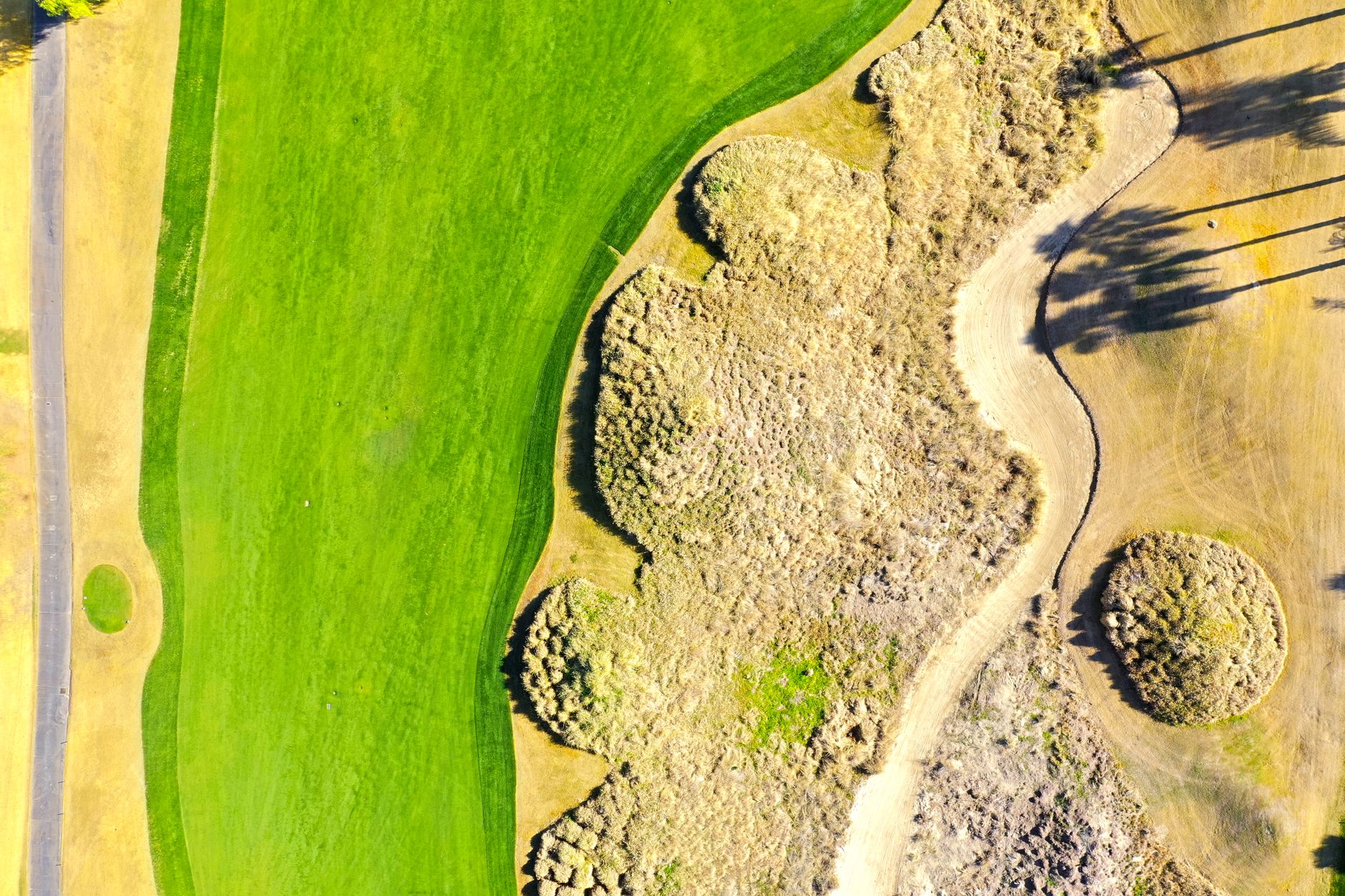
Fairway labor could not keep pace with member expectations
A 300-acre championship golf club in Southern California faced the same pressures many high-end properties see: rising equipment costs, a tight labor market, and members who expect firm, consistent fairways without slow play.
Diesel fairway units required skilled operators on long loops two to three times per week. That rhythm pulled crew hours away from bunkers, approaches, and the presentation details golfers notice first.
Leadership also wanted quieter early-morning operations near surrounding homes and a path to cut fuel use without sacrificing cut frequency.
- Fairways mowed only two to three times weekly before automation
- Crew time consumed by repetitive fairway loops
- Early-morning noise and fuel costs from diesel fairway units
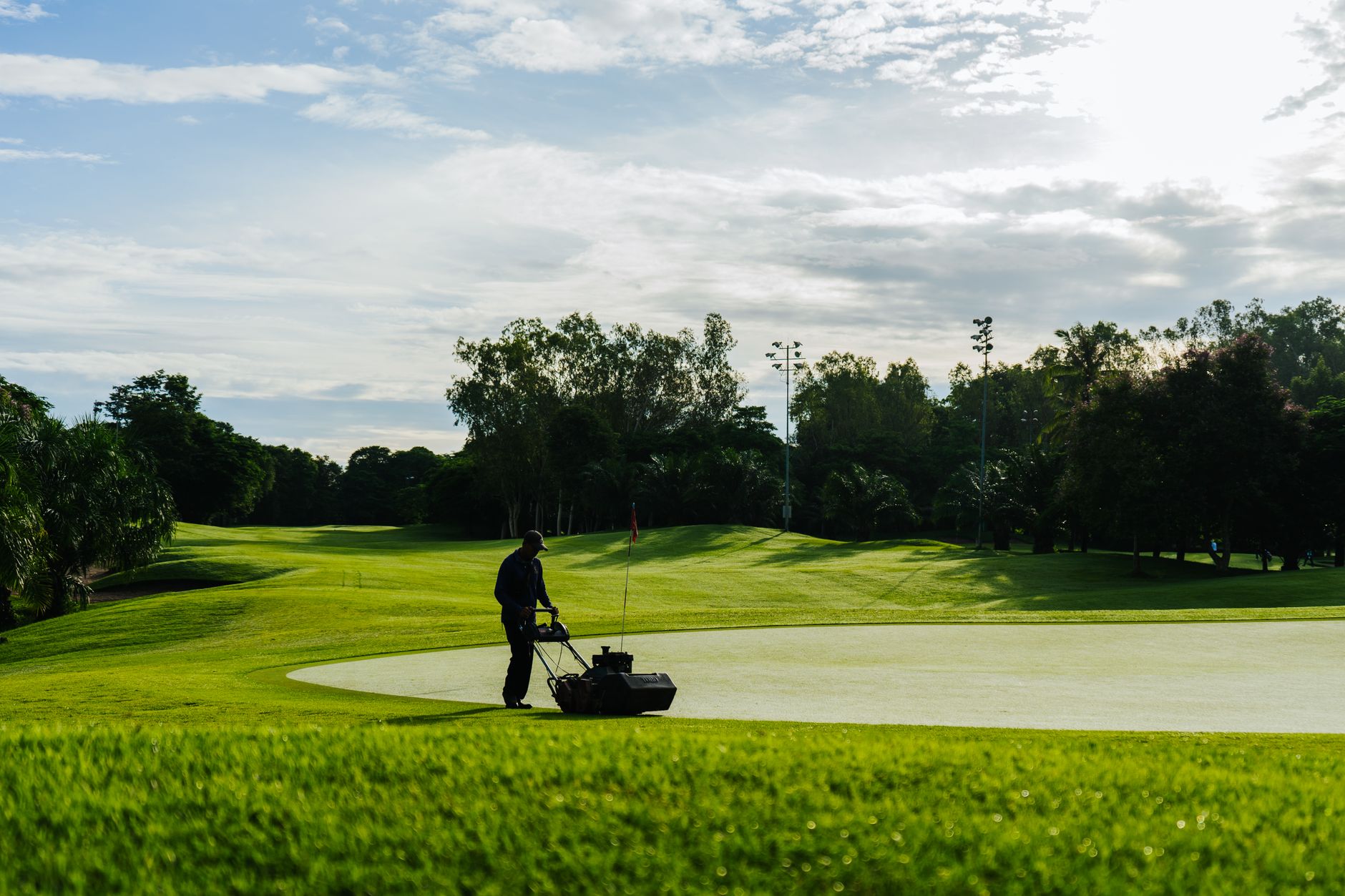
Mapped autonomous fairways with a phased crew redeployment
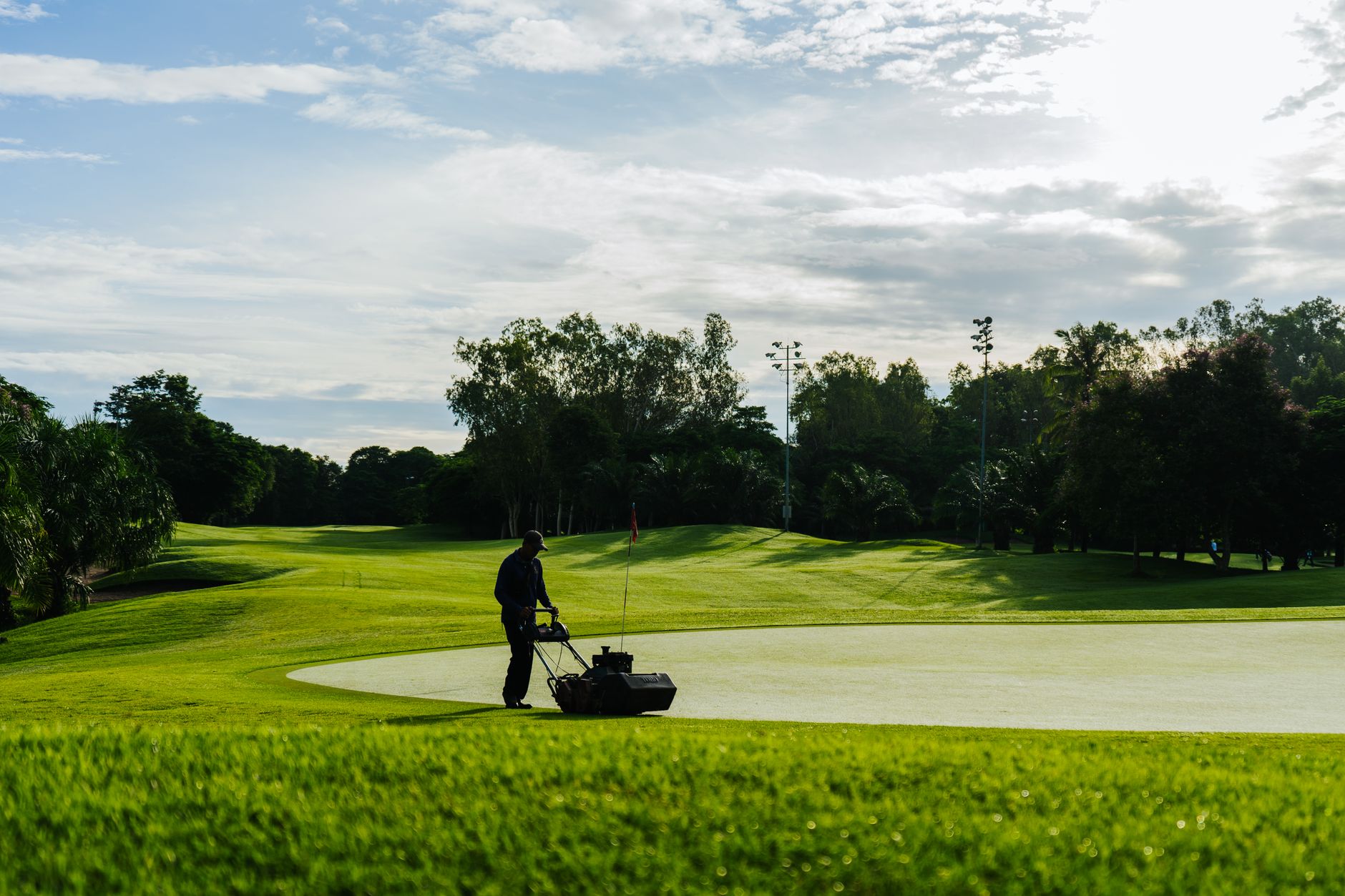
The club evaluated all-electric autonomous fairway mowers from the robot supplier, then mapped each fairway and set cutting patterns from a tablet interface after an on-course walk.
Three autonomous units now finish every fairway in about four to four and a half hours, often using a skip-row pattern that covers a wider swath each pass than a single traditional strip.
Greens, tees, and bunkers stayed with the hand crew while fairway and rough loops moved to overnight and early-morning autonomous schedules ahead of the first tee.
- Fairway mapping and pattern selection before the first season
- Skip-row cutting to widen each autonomous pass
- Crew starts near 5 a.m. to finish before peak play
More fairway cuts with roughly 2,000 hours returned to the crew
Agronomy leadership reported moving from two or three fairway mows per week to six while the three autonomous mowers complete the full fairway set in about four to four and a half hours.
The supplier case study attributes about 2,000 labor hours saved per year to that shift, with crew members redeployed to hand mowing, bunker work, and presentation tasks while the autonomous units run their loops.
Quieter electric runs reduced early-morning noise for nearby residents, and the club cited lower fuel spend alongside the labor hour gains in the published results.

What this pattern means for US golf operators
This documented example is not a Service Robot Co. deployment. It shows how a championship-scale property can trade seat time on fairway units for higher cut frequency and more skilled work on greens and bunkers.
Service Robot Co. helps US courses evaluate vendor-neutral autonomous mowers, map fairways and rough, set schedules around play, and lease equipment through financing with one quoted payment after a free site assessment.
RoboCare support keeps triage, regional engineers, and planned check visits behind the same partner that handled mapping and staff training.