
a German galvanic surface finishing shop with about 40 employees
How a Surface-Finishing Plant Raised Efficiency 11% With Dust-Rated AMRs
Dust-rated AMRs at a German finishing plant run 300 daily missions, cut handling losses, and lifted operational efficiency about 11 percent after one year.
- 11%
- Efficiency
- 300
- Missions/day
- 12 km
- Daily travel
- IP52
- Dust rating
Based on a documented real-world deployment. Figures are from public reporting; the organization is not named.
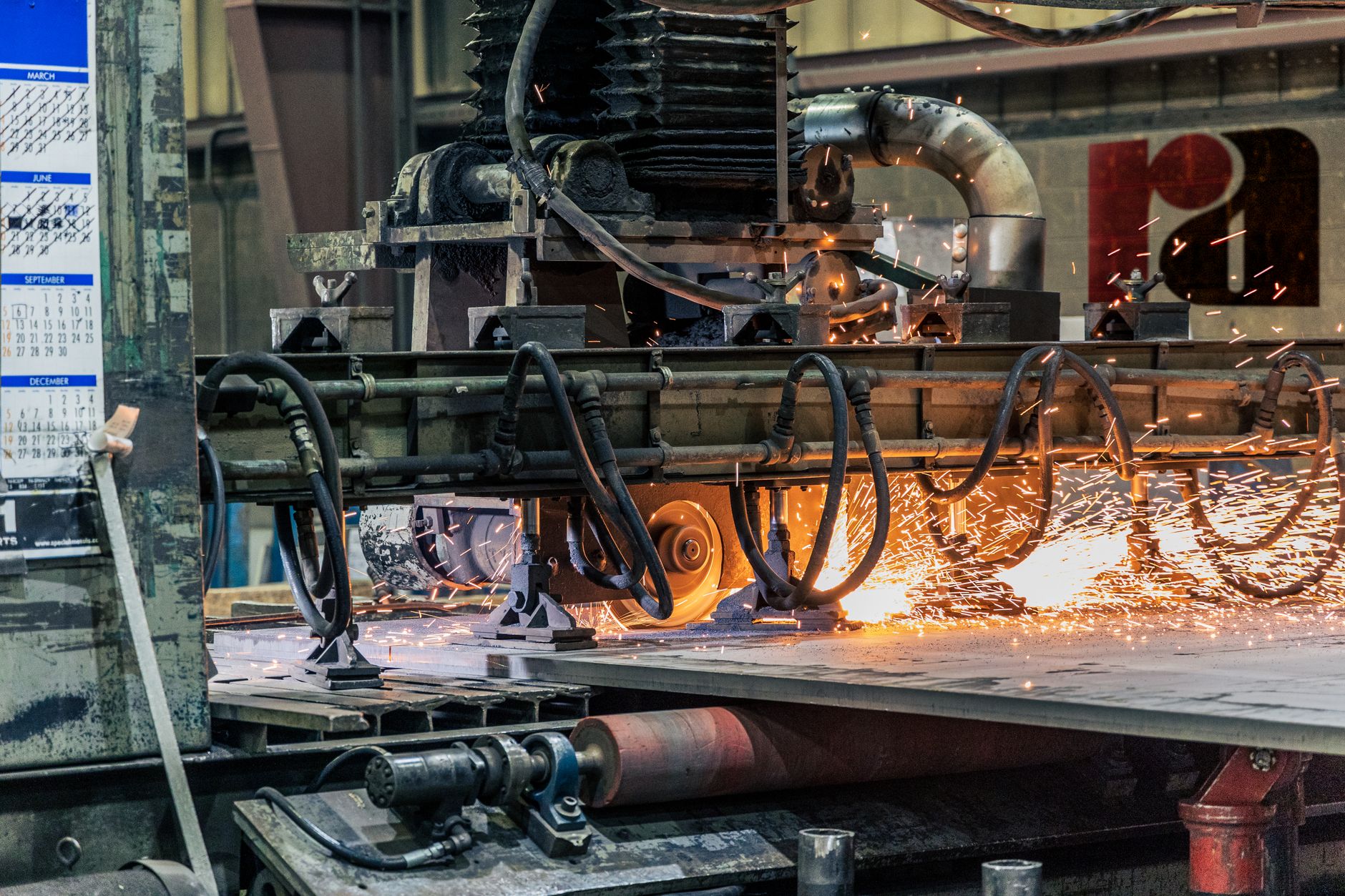
Manual Moves in Dusty, Confined Plating Floors
A German galvanic surface finishing shop with about forty employees plates zinc die-cast and other metal parts for automotive, electrical, and medical customers. Many steps still depend on people preparing surfaces and loading product carriers in tight, heavily trafficked aisles.
Leadership used a generational transition to modernize internal logistics. Physically strenuous material moves between plating lines, racks, and prep areas needed relief without rebuilding the whole conveyor network.
- Confined dusty production aisles
- Manual loading of product carriers
- Frequent layout adjustments
- Risk of part damage in transit

Three AMRs Tied to Plant and ERP Software
The site deployed three autonomous mobile robots in two payload classes rated for dusty environments with laser and camera safety systems. Fleet software and the plant galvanizing control system schedule about three hundred missions per day across roughly twelve kilometers of travel.
Robots integrate through a REST interface so rack machines, attachments, and line releases coordinate without floor-mounted guidance loops. Data also flows to the company ERP for traceability of orders and components.
Employees joined early in rollout, learning troubleshooting and robot operation while shifting toward higher-value tasks beside automated transport.
- Select dust-rated AMRs for plating floors
- Link fleet software to line control
- Use REST APIs for rack coordination
- Sync mission data with ERP records
- Train staff on operation and recovery
Eleven Percent Efficiency Gain and Fewer Damaged Parts
More than a year after startup, leadership reports about an eleven percent increase in operational efficiency alongside reduced physical strain on staff. Careful automated moves cut component losses and place parts in defined locations that improve traceability.
The documented fleet covers about twelve kilometers daily and two hundred fifty kilometers monthly while carrying between two hundred and eleven hundred kilograms depending on unit. The source does not publish US payback months or purchase price.
What US Finishing Shops Can Study
Service Robot Co. did not run this deployment. It shows how dusty, confined finishing floors can still adopt AMRs when ingress protection and fleet scheduling match the environment.
Service Robot Co. gives US businesses one partner for selection, financing, deployment, integration, training, and nationwide service across cleaning, delivery, security, and warehouse robots. Plating and coating sites should validate IP ratings and API handoffs during a site assessment before lease or purchase terms are set.
When three hundred daily missions stack up in tight aisles, dust-rated AMRs with ERP-linked traceability may beat more manual cart pushes that damage parts.