
a North American automotive powertrain component plant in Tennessee on an 800,000-square-foot campus
How a Tennessee Powertrain Plant Freed Six Workers After 12-Mile Daily Cart Walks
Six AMRs at a Tennessee powertrain plant cut 12-mile daily cart walks, redeployed six workers within six months, and reached payback within one year.
- 6
- AMRs live
- 12 mi
- Walks before
- <1 yr
- ROI
- 500k+
- Missions
Based on a documented real-world deployment. Figures are from public reporting; the organization is not named.
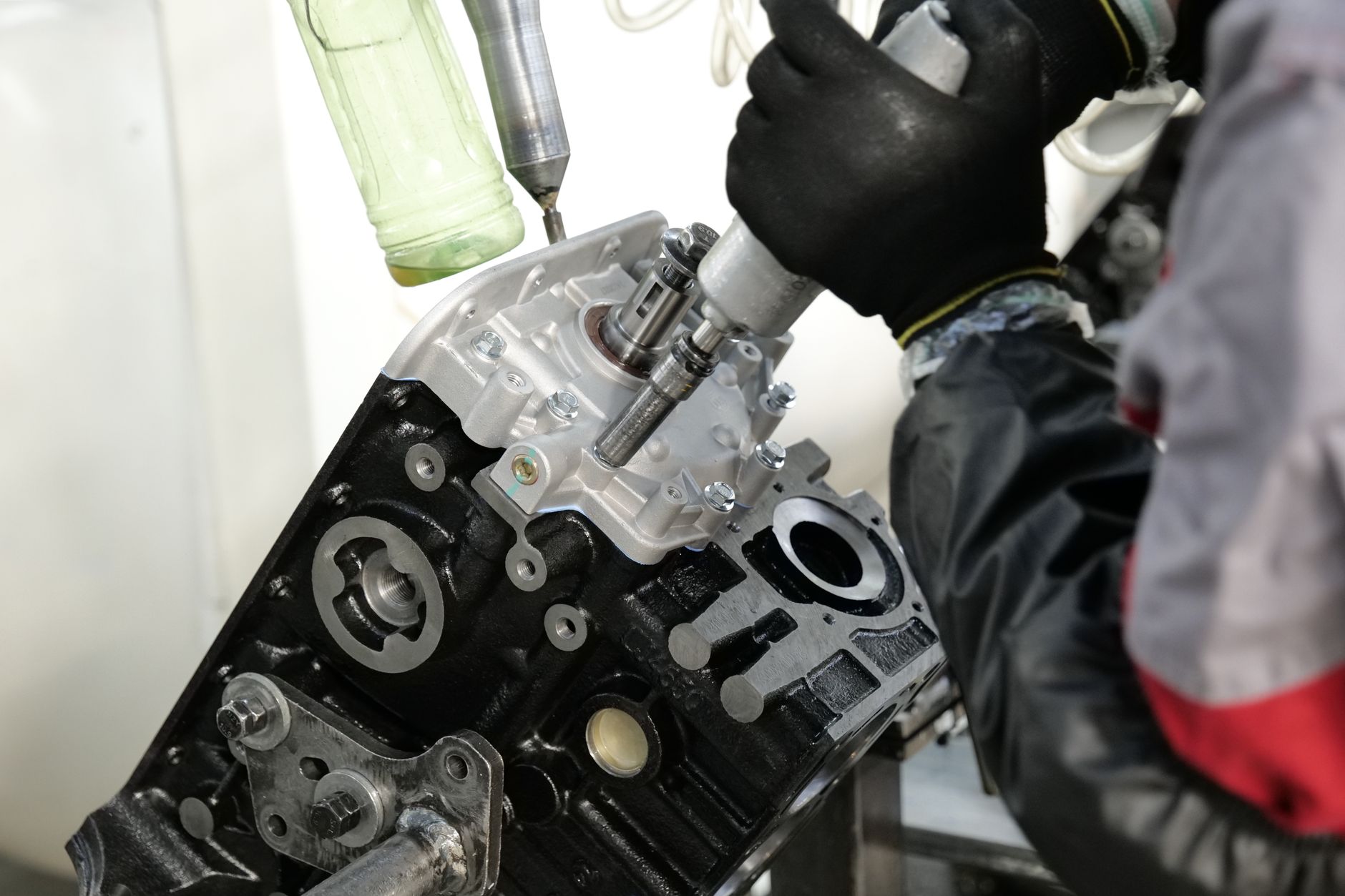
Cart Miles Ate Value-Added Time
A North American automotive powertrain component plant in Tennessee on an eight-hundred-thousand-square-foot campus needed more ignition parts moving from warehouse to line without paying people mainly to push carts.
Associates walked up to twelve miles per day between production and the warehouse, spending about sixty percent of their time on conveyance. Fixed guided vehicles looked too rigid for aisles that change and metal parts that need two-hundred-fifty-kilogram-class payloads.
- Up to twelve miles walked per day
- About sixty percent of time pushing carts
- Narrow aisles and heavy metal parts
- Dynamic routes ruled out tape-guided AGVs
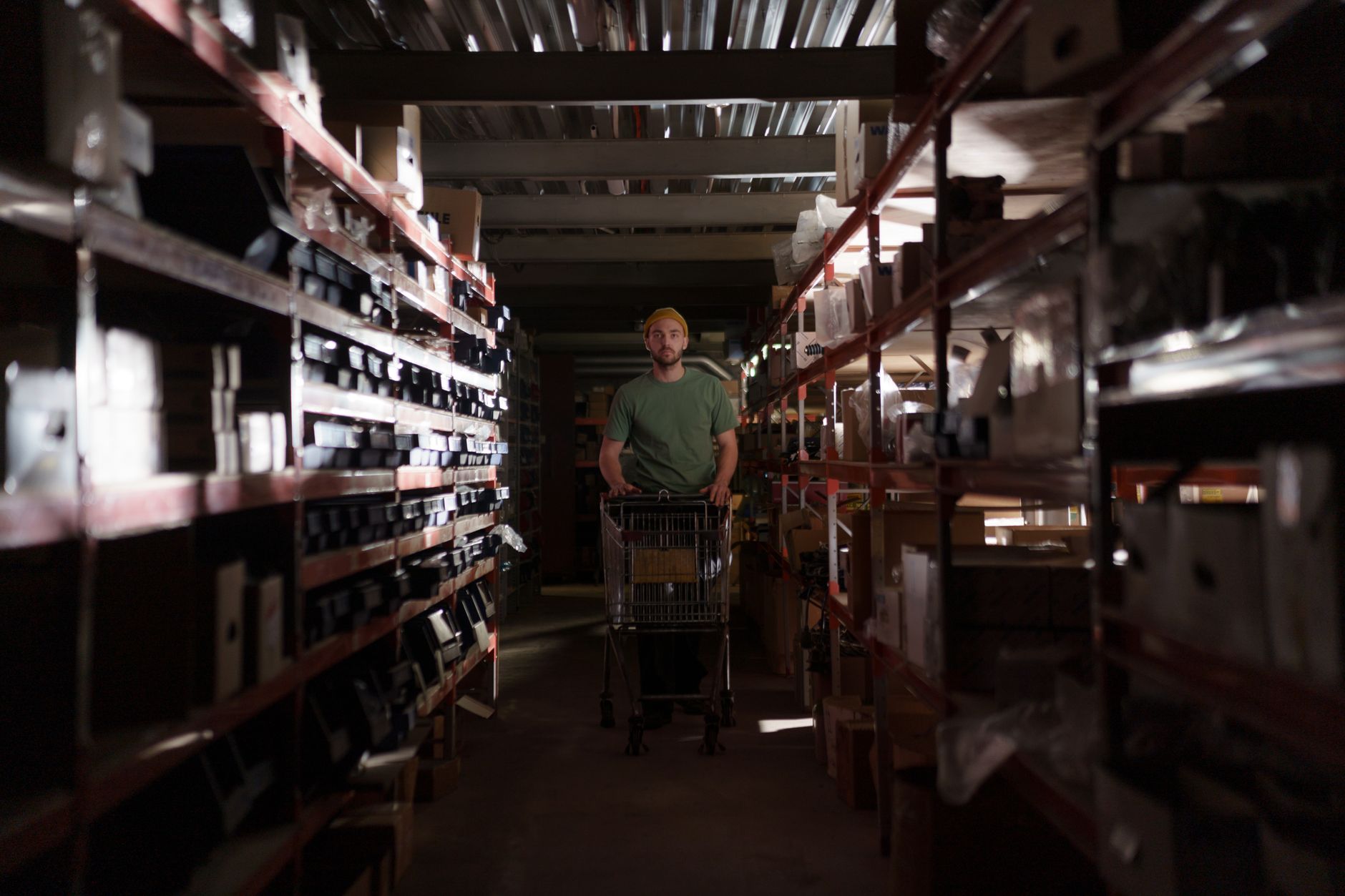
Six AMRs With API-Linked Fleet Control
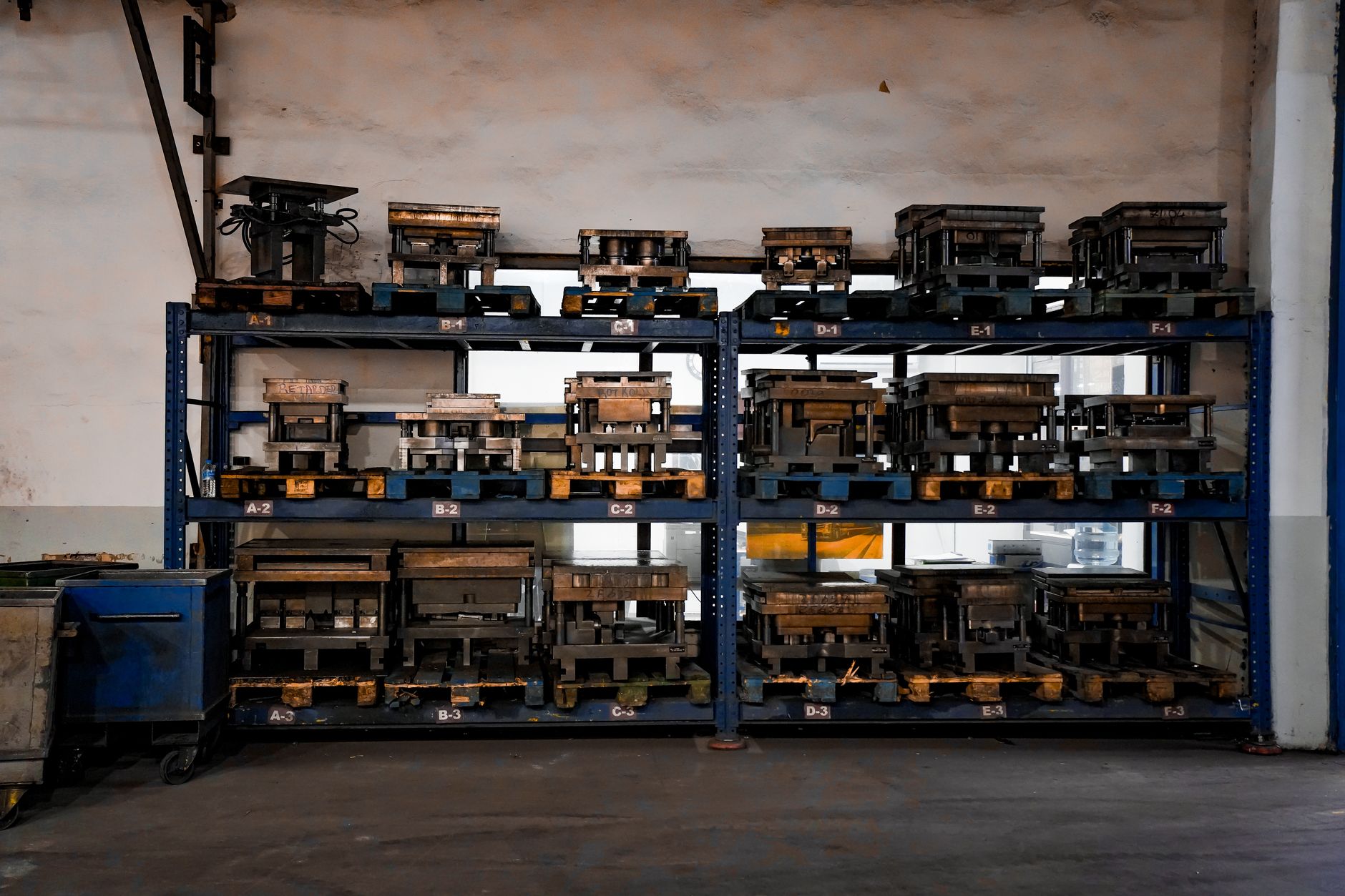
Engineering piloted autonomous mobile robots between warehouse and production, then expanded line-side delivery for just-in-time feeding. Six medium-payload units now share the floor with shelf-lifter and cart setups standardized so new areas can reuse the same bases.
REST API links support on-time deliveries, charging priorities, proximity cues, and floor calls from associates. Wireless I/O modules trigger roll-up doors into a clean-room zone without manual door work.
Partner-led setup took about a day for initial mapping and roughly a week of testing before production use. Internal super-users now handle most new deployments after academy training.
- Pilot warehouse-to-production, then line-side
- Standardize cart bases for fast area expansion
- Integrate doors and REST APIs to fleet software
- Train super-users for ongoing mission changes
Six Roles Redeployed With Sub-Year Payback
Within six months of launch the plant covered ignition lines with the fleet and moved six workers from cart pushing to value-added production work. Indirect conveyance savings hit return on investment in a year or less against a typical under-two-year target.
Since operations began in late 2020 the site reports more than half a million successful missions without a sick day from the robots. Morale and ergonomics improved while line design now plans component delivery at the start of new layouts.
What US Manufacturers Can Copy
Service Robot Co. did not run this deployment. It shows how a U.S. plant can redeploy six people when cart miles and API-friendly fleet software matter more than another forklift hire.
Service Robot Co. gives US businesses one partner for selection, financing, deployment, integration, training, and nationwide service across cleaning, delivery, security, and warehouse robots. Door interfaces and clean-room crossings should be scoped in a site assessment before lease or purchase terms are set.
When handlers walk double-digit miles per shift, six AMRs with reusable cart standards may beat tape-guided AGVs that cannot follow layout changes.