
a Brazilian textile dyeing plant with a five-story warehouse integrated with elevators
How a Textile Dyeing Plant Raised Daily Fabric Moves 122% With Five AMRs
Five one-ton AMRs at a Brazilian dyeing plant lift daily fabric moves from 90 to 200 tons through a five-floor warehouse with elevators and RFID cages.
- 122%
- Tons moved
- 5
- AMR fleet
- 1 t
- Per robot
- 5 floor
- Warehouse
Based on a documented real-world deployment. Figures are from public reporting; the organization is not named.
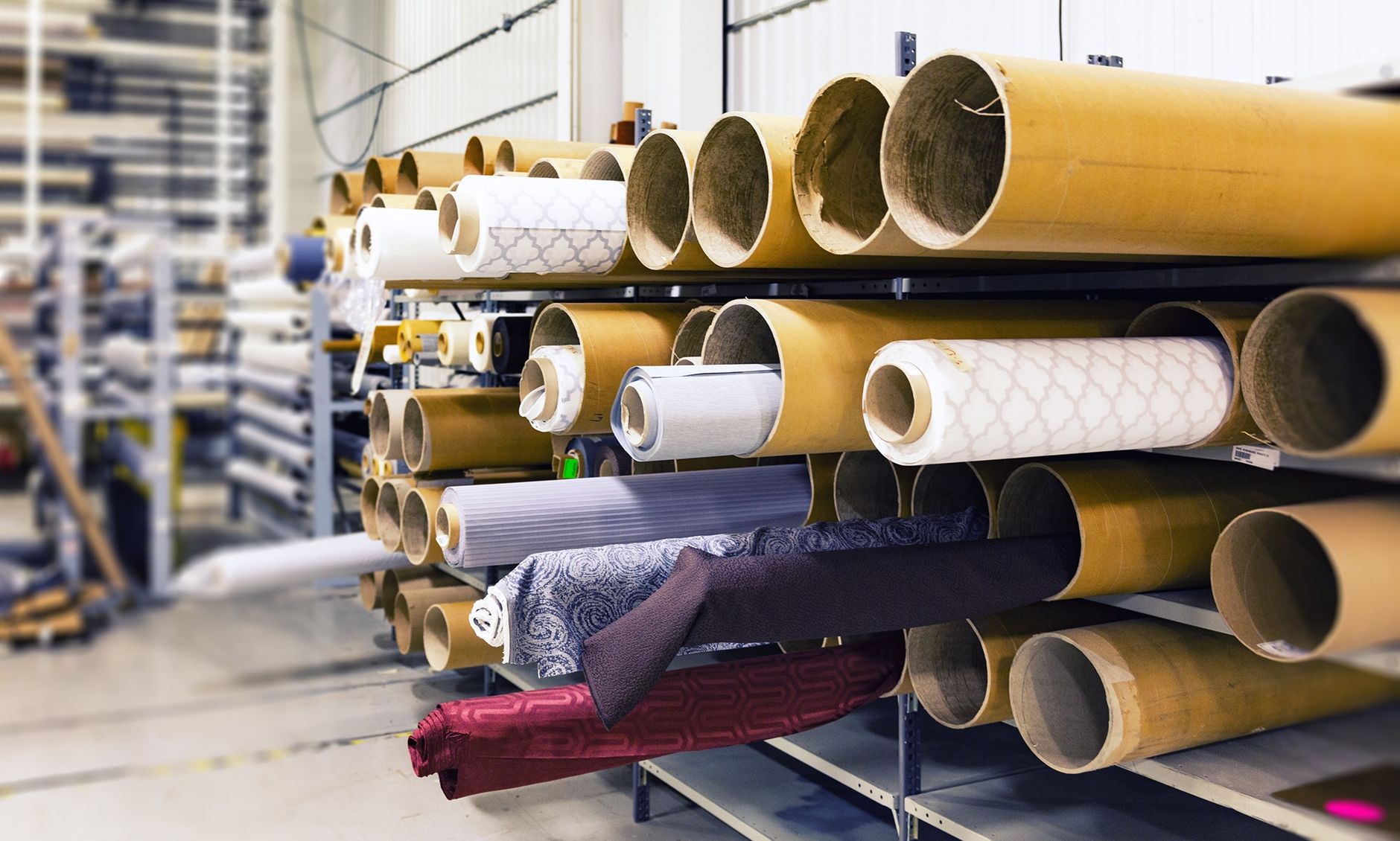
Forklift Bottlenecks on Long Warehouse Routes
A Brazilian textile dyeing plant that tints natural and artificial fibers relied on forklifts to move fabric from a multi-story warehouse to production floors. On busy days, deliveries stretched for hours across long distances with crowded intersections along the route.
Leadership targeted transport as the heaviest internal logistics task and sought automation that could scale dye output without the losses and rework tied to manual input and output flows.
- About ninety tons moved per day by forklift
- Long routes with busy plant crossings
- Peak-day delivery delays
- Goal to raise dyeing throughput
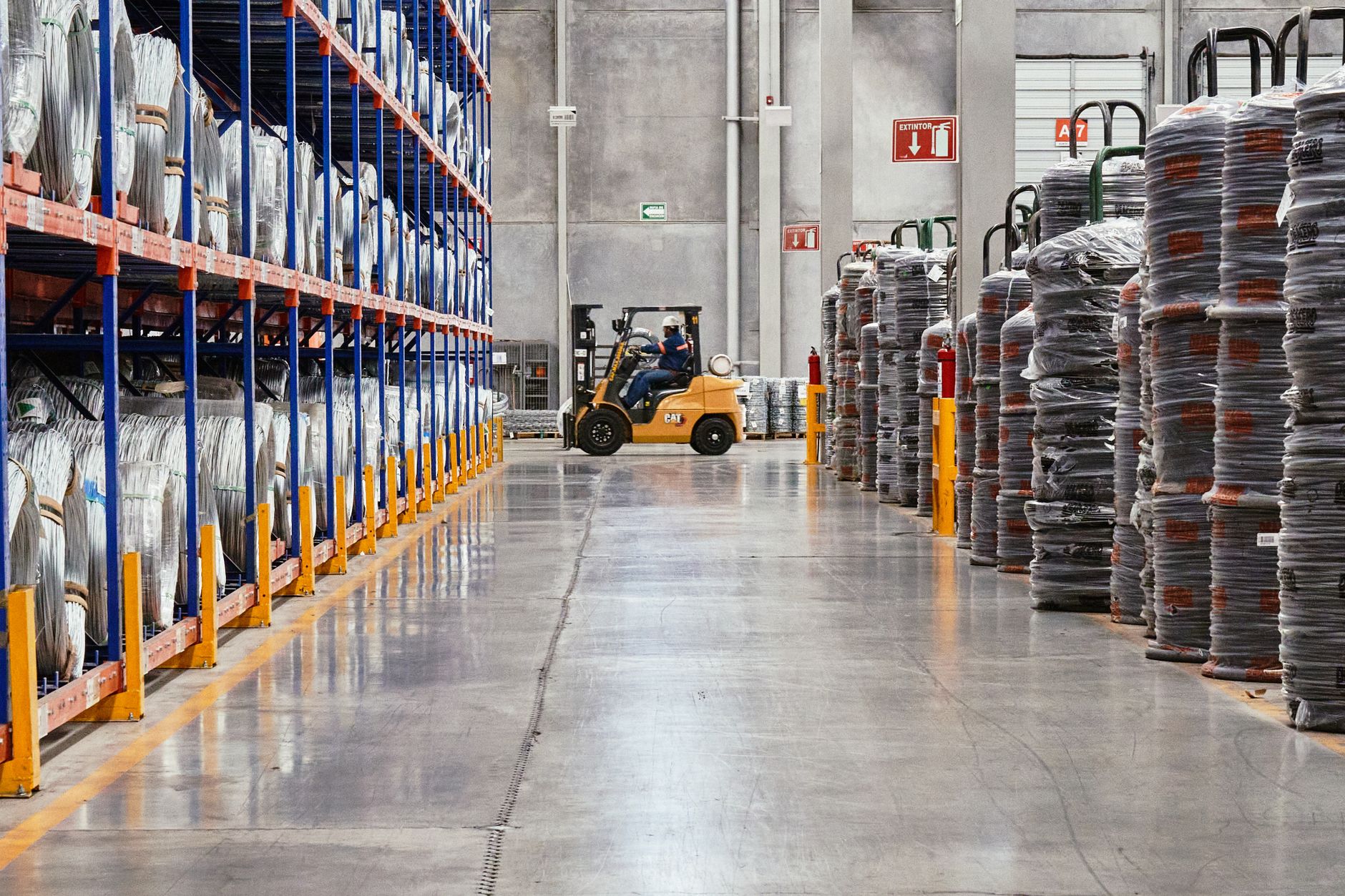
Five One-Ton AMRs With Elevators and RFID Cages
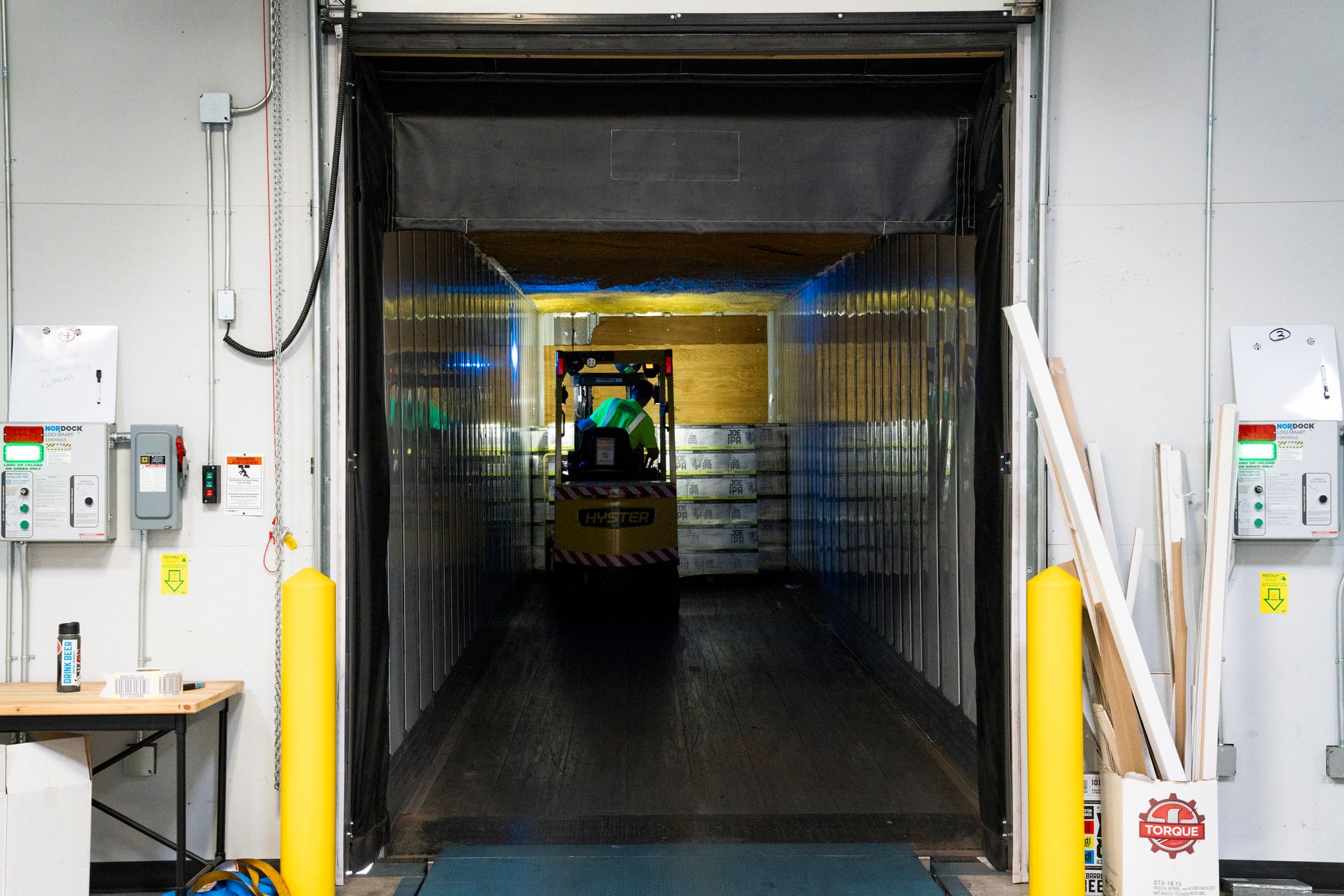
The site deployed five heavy autonomous mobile robots, each rated for one metric ton, managed by centralized fleet software connected to ERP and warehouse systems. The five-story warehouse integrates four elevators and RFID fabric cages with hundreds of receiving positions and thousands of storage slots.
Laser and camera sensing gives a wide field of view for fabric cages and floor obstacles in shared aisles. Operators trigger missions from one interface while algorithms group work to cut unnecessary walking and prioritize urgent moves.
Integrator support handled deployment while internal staff developed skills to run and improve the automated flow.
- Deploy five one-ton AMRs with fleet software
- Link ERP and warehouse control systems
- Use RFID cages across five warehouse floors
- Coordinate four elevators on robot routes
- Train associates on the mission interface
Daily Moves Rose From 90 to 200 Tons
The project initially aimed to grow from about ninety to one hundred sixty tons per day. After go-live, the plant reached about two hundred tons daily, a one hundred twenty-two percent increase over the original project target according to the published case.
Leadership cites fewer operational errors, better traceability, and uninterrupted robot operation that removed bottlenecks during busy windows. The source does not publish US dollar ROI or lease pricing.
What US Textile and DC Sites Can Study
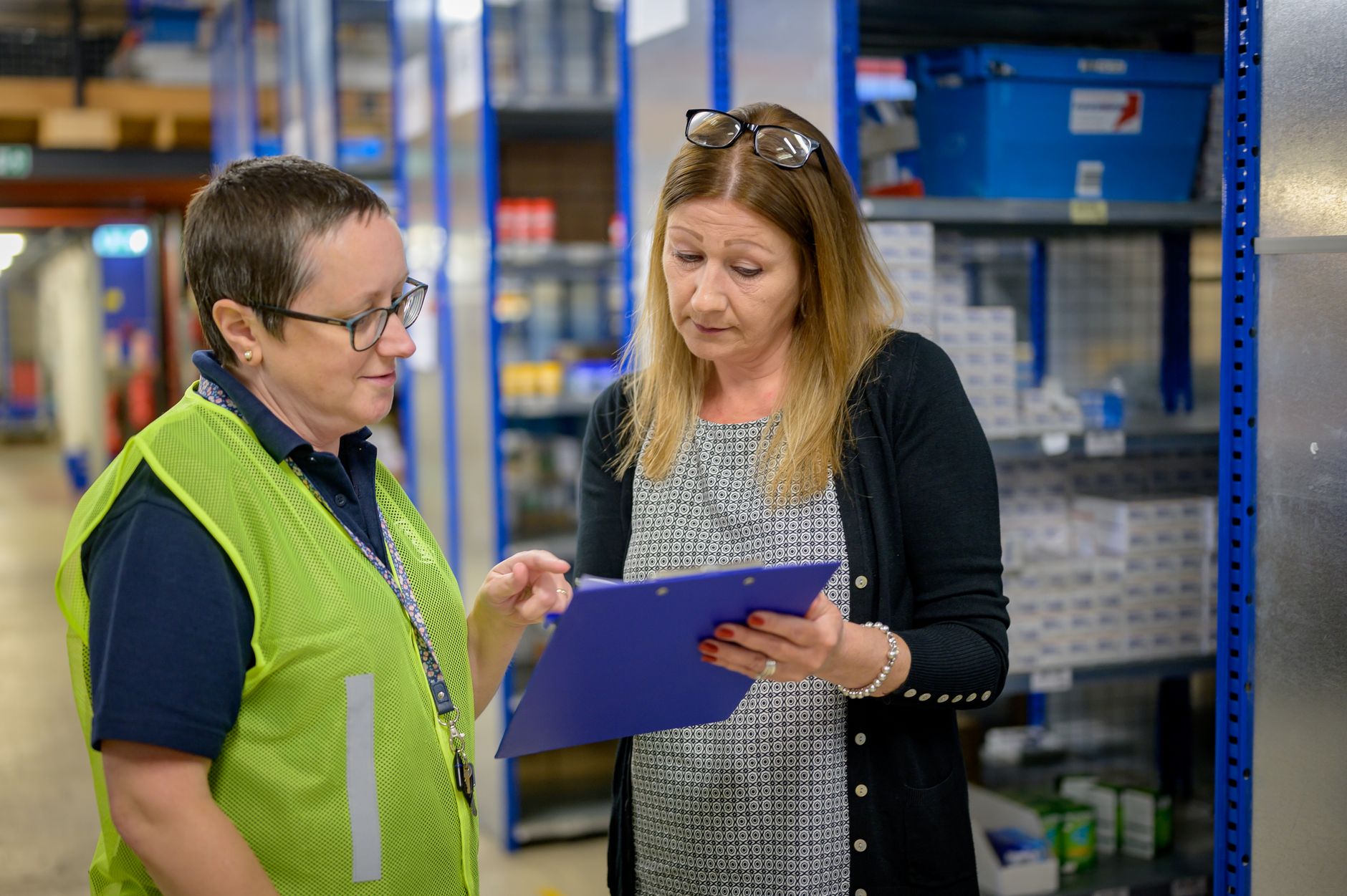
Service Robot Co. did not run this deployment. It shows how multistory warehouses with elevators can pair with heavy AMRs when forklift queues cap throughput.
Service Robot Co. gives US businesses one partner for selection, financing, deployment, integration, training, and nationwide service across cleaning, delivery, security, and warehouse robots. High-bay sites should validate elevator and WMS interfaces during a site assessment before lease or purchase terms are set.
When daily tonnage stalls below plan, five coordinated one-ton robots may beat adding more forklift drivers on the same long routes.