a 31,000-student public university campus in the Southeast
How Sidewalk Delivery Added $300,000 for Campus Dining
A 31,000-student public university campus in the Southeast used sidewalk delivery robots to open late-night service and add $300,000 in dining revenue.
- $300,000
- incremental dining revenue
- 5,000
- monthly deliveries
- 36%
- monthly delivery growth
- 84%
- reorder rate
Based on a documented real-world deployment. Figures are from public reporting; the organization is not named.
Extending Service Without Expanding the Footprint
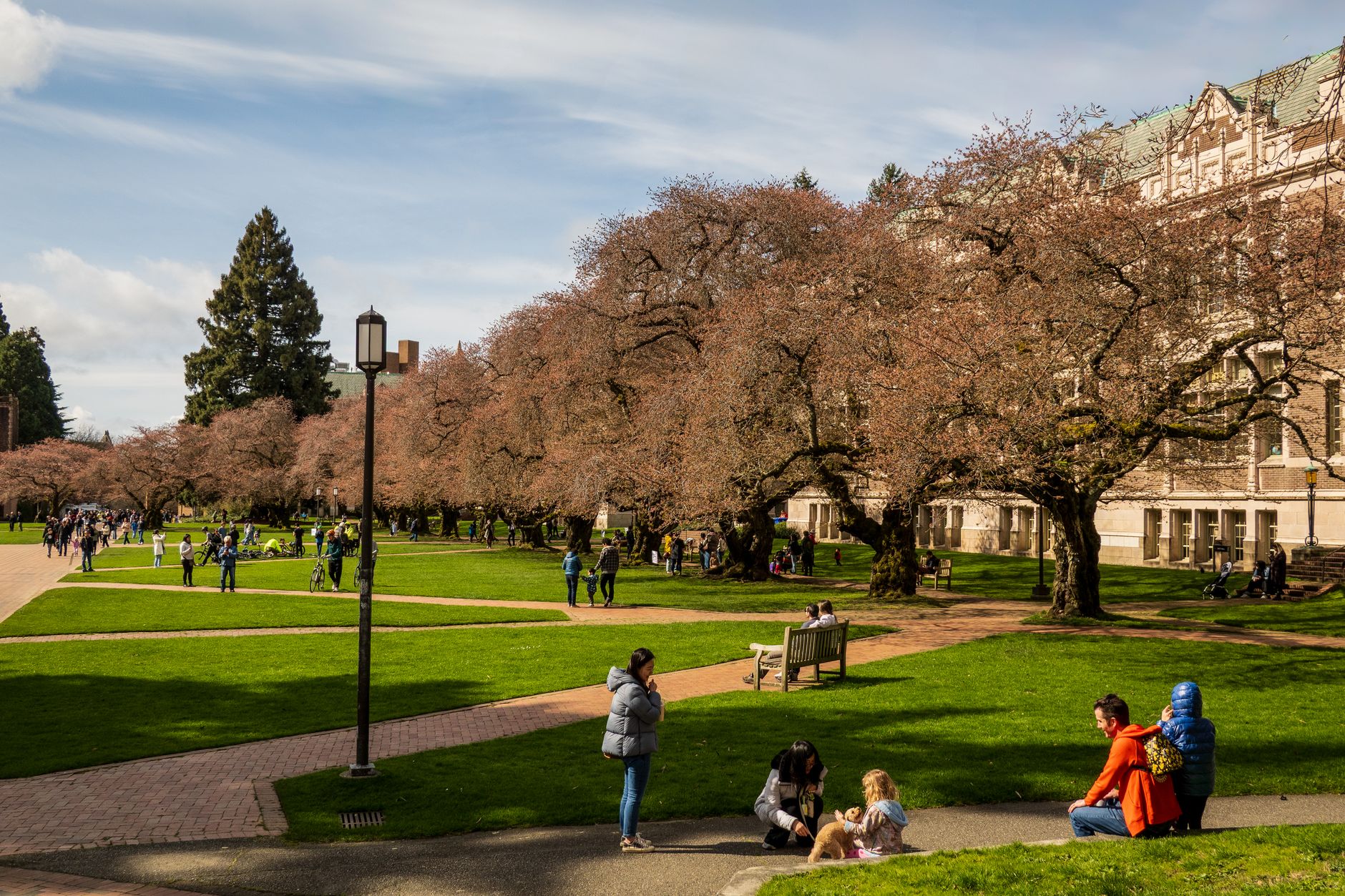
Campus dining was trying to serve a large, fast-moving population without adding more physical capacity. Peak periods created line pressure, and late-night demand was difficult to capture with the existing retail footprint alone.
The campus also had the familiar geography problem of higher education dining. Students were spread across residence halls, study spaces, and academic buildings, which made convenience part of the operating model, not a perk. The cited case study says dining leaders wanted to improve access, reduce congestion, and create new revenue without building more locations.
- Large campus population of 31,091 students
- Existing dining network of 19 locations
- Need to relieve congestion during busy periods
- Need to serve late-night demand without new brick-and-mortar capacity
A Delivery Layer Built Around Campus Demand
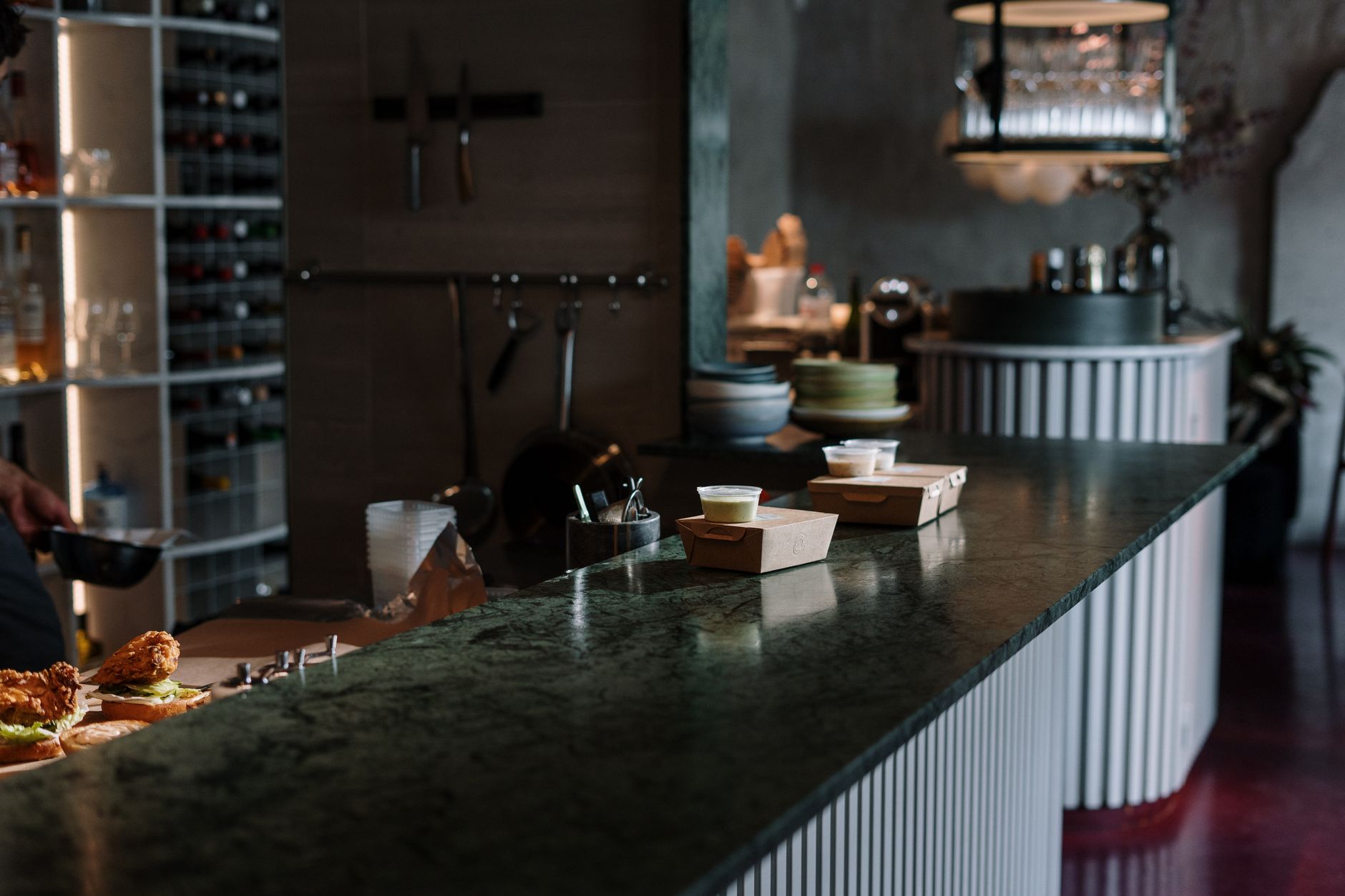
The campus introduced sidewalk delivery robots in spring 2023 and tied them into mobile ordering for on-campus merchants. The rollout began with a smaller initial footprint and then expanded, reaching 46 robots and 19 dining locations in the cited case study.
That delivery layer created room for a late-night ghost kitchen instead of another physical outlet. In practice, the robots became a campus logistics channel, moving meals to residence halls and study areas while the dining team extended hours and widened access through software and fleet capacity rather than construction.
- Launch robot delivery from on-campus dining merchants
- Start with an initial fleet and limited merchant set
- Expand fleet and merchant coverage as demand proves out
- Use delivery to support a late-night ghost kitchen model
- Serve students across the campus through app-based ordering
Measured Revenue and Usage Gains
The headline result is plain. The late-night ghost kitchen generated $300,000 in incremental dining revenue, according to the cited case study. That matters because the added sales came from extended service, not from building more storefront capacity.
Usage also scaled in a way that suggests the program became routine, not novelty. The case study reports 5,000 monthly deliveries, 36% growth in monthly delivery volume since 2023, and an 84% reorder rate. Together, those figures point to repeat behavior and stronger utilization of the campus dining network.
What This Means for Operators Considering Service Robot Co.
This example is useful because it shows what sidewalk delivery can do in a contained, multi-building environment. For a large campus, stadium district, medical complex, or mixed-use property, the real win is not novelty. It is added coverage, better throughput, and a credible path to new revenue when kitchens already exist but access is the bottleneck.
That is where Service Robot Co. fits. We are a full-service, OEM-neutral commercial robot integrator for U.S. businesses, which means one partner can handle robot deployment and integration, financing, training, and service across the full lifecycle. For buyers comparing robot as a service, monthly payment programs, or lease rental or sale models, the value is simple: one partner, one number, and a vendor neutral robot integrator that matches the machine and support model to the site instead of forcing the site to fit the machine.