
an academic hospital outpatient clinic network adding UV-C after manual cleaning
How an Academic Hospital Raised Outpatient Surface Decontamination to 96.9% With a UV-C Robot
An academic hospital added UV-C robots after manual cleaning, decontaminating 96.9% of outpatient surfaces versus 50% with manual steps alone in 20 to 25 minute cycles.
- 96.9%
- Surfaces clean
- 50%
- Manual only
- 20-25 min
- UV-C cycle
- 2 areas
- Outpatient sites
Based on a documented real-world deployment. Figures are from public reporting; the organization is not named.
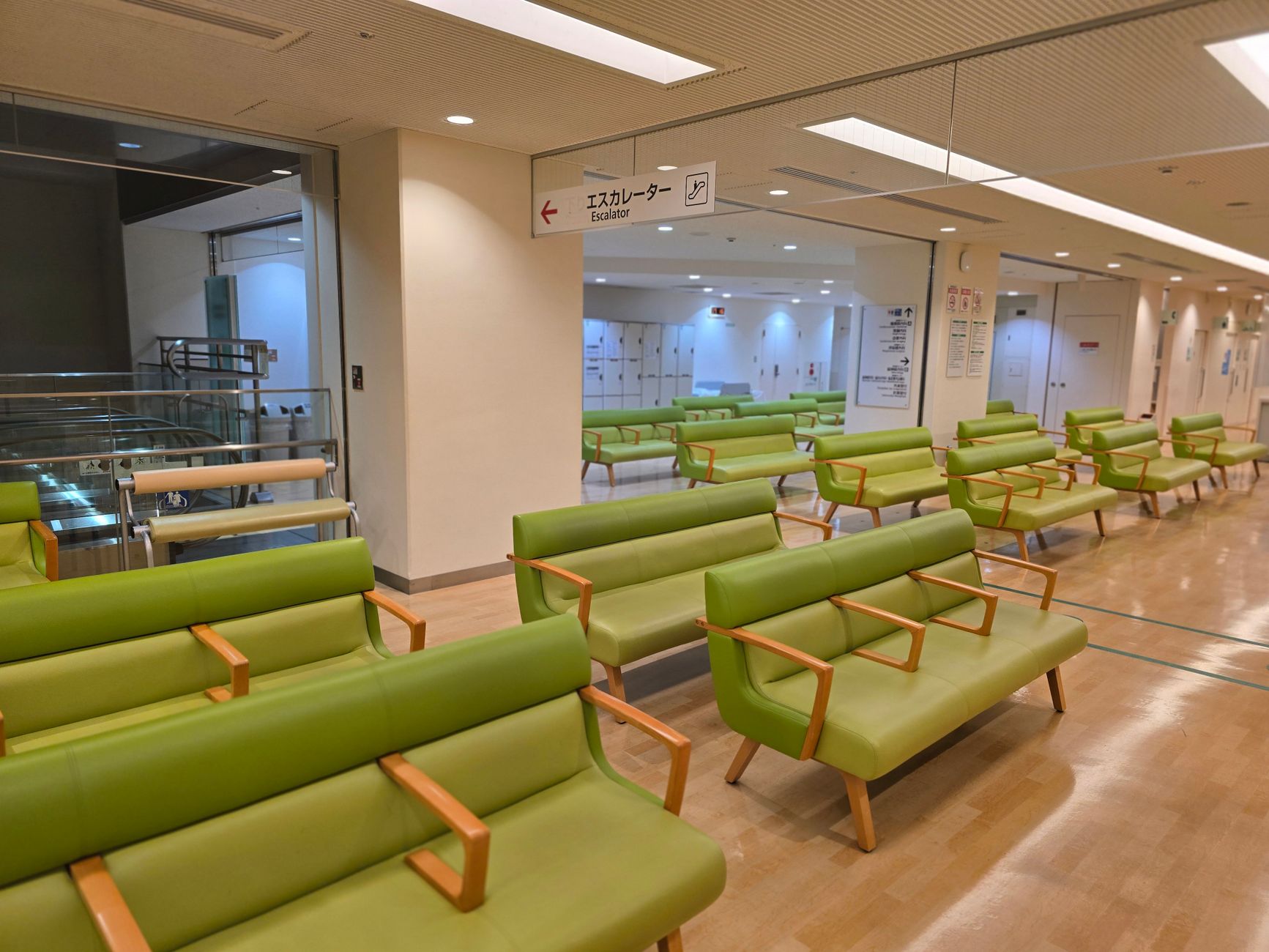
Manual terminal cleans left bioburden behind
An academic hospital outpatient clinic network relied on standard manual cleaning and disinfection before rooms reopened. Environmental sampling still found pathogens on high-touch surfaces, including concerns around organisms resistant to routine disinfectants.
Infection prevention needed an add-on step that fit real clinic turnover without asking staff to extend room downtime unpredictably.
- Manual terminal cleans decontaminated only half of sampled surfaces in the study
- High-touch outpatient zones see continuous patient traffic
- Staff needed remote start once manual cleaning finished
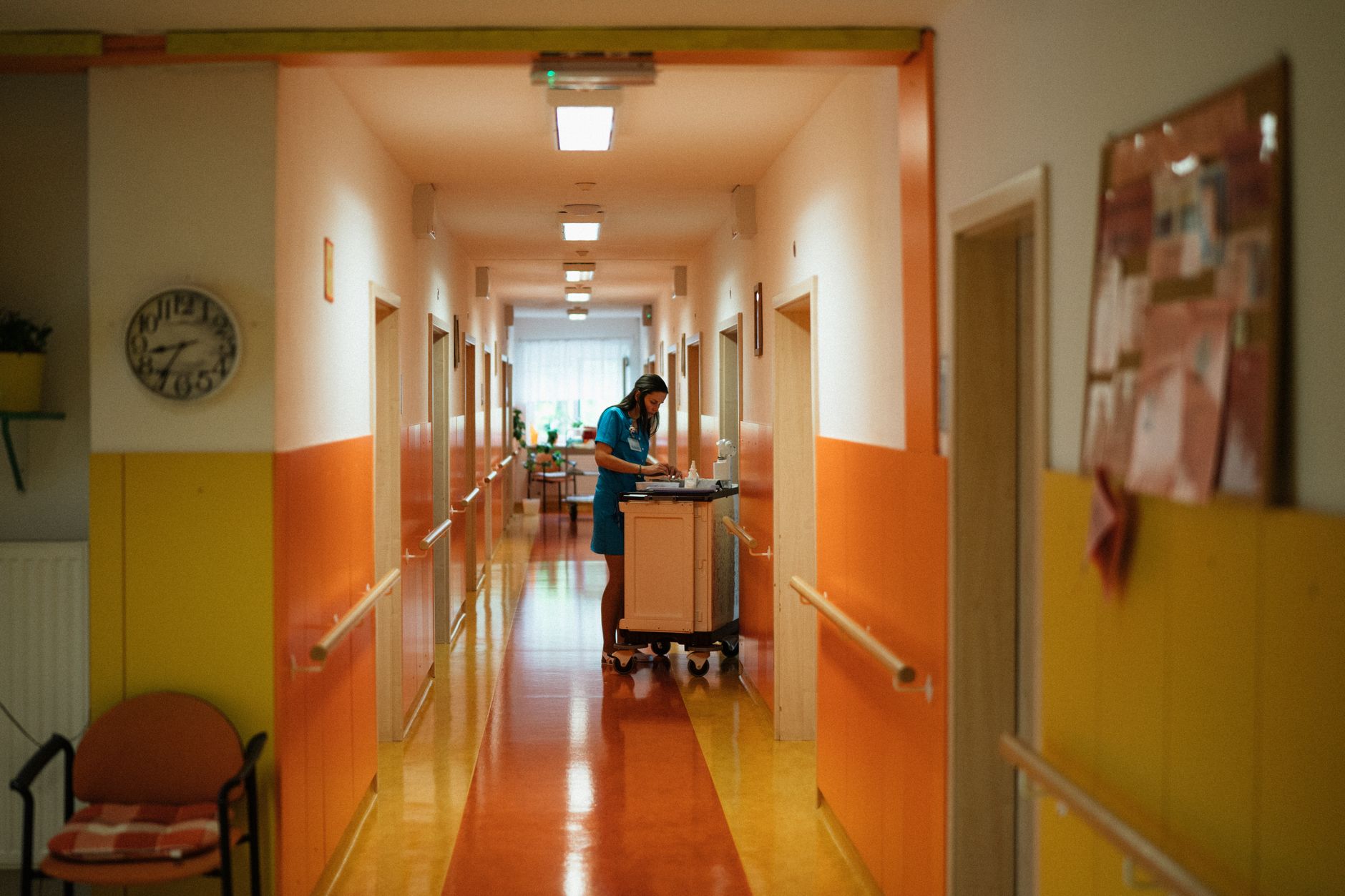
UV-C robot after standard operating procedure cleans
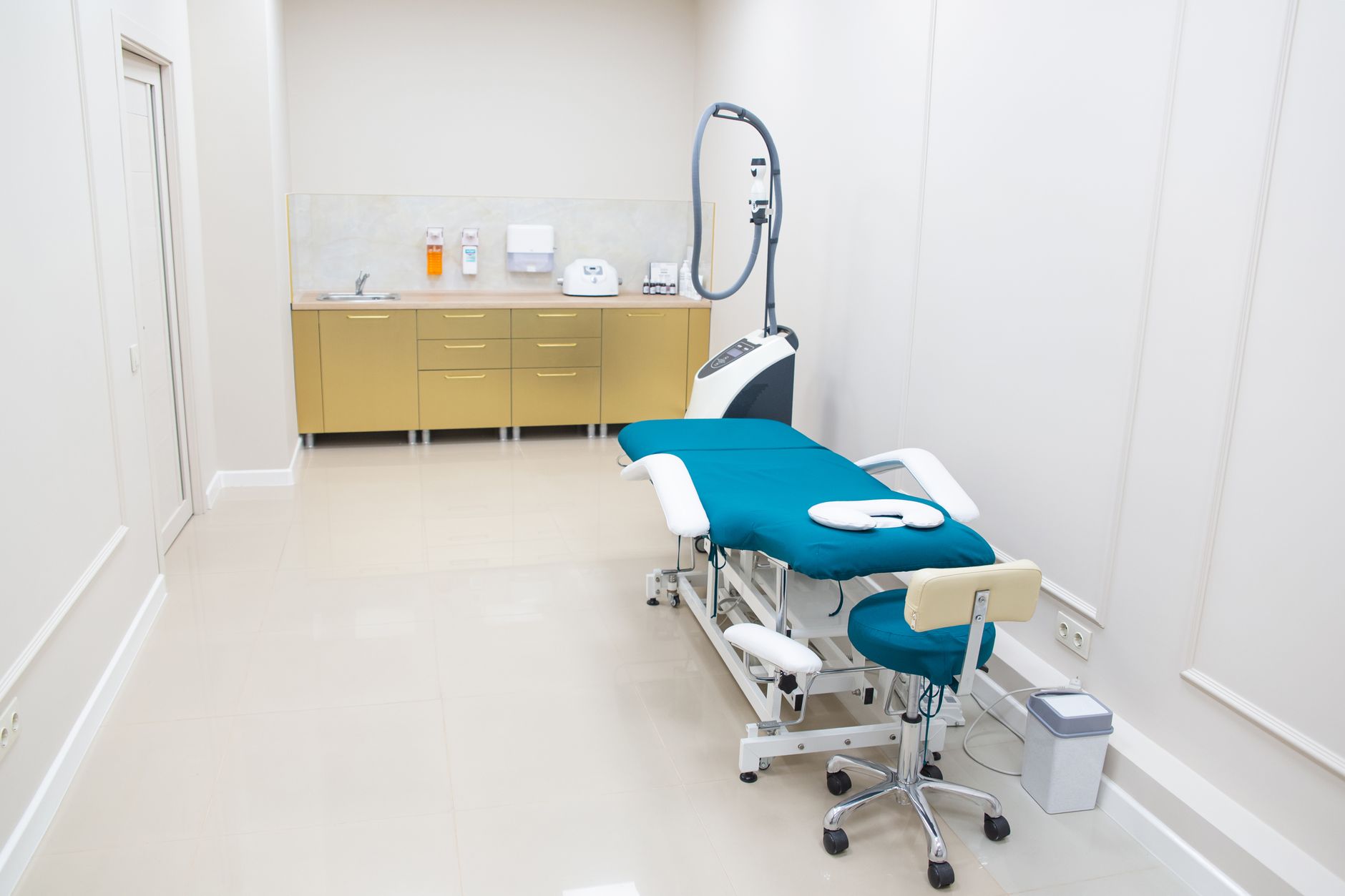
The hospital added an autonomous UV-C disinfection robot as a terminal step after rooms were manually cleaned and disinfected per protocol. Staff closed doors, then started cycles remotely once areas were vacant.
Each outpatient setting received a 20 to 25 minute UV-C cycle. Researchers sampled ENT and oncology outpatient waiting and treatment areas before and after the combined workflow.
- Manual clean and disinfection completed first per hospital SOP
- Remote robot activation after doors were secured
- Environmental sampling tracked colony-forming units on fixed touch points
Measured surface decontamination gains
With manual cleaning and disinfection alone, 50 percent of sampled surfaces met decontamination criteria. Adding the UV-C robot raised that result to 96.9 percent of surfaces across the outpatient areas studied.
Median colony-forming unit counts dropped significantly in both outpatient zones compared with manual steps alone, supporting the robot as an add-on rather than a replacement for baseline cleaning.
What clinic operators should validate before UV-C fleets
Outpatient networks win when UV-C cycles match real room geometry and door control. Shadowed surfaces still need manual attention, so the robot is a terminal amplifier, not a substitute for EVS protocols.
Service Robot Co. helps US operators compare OEM-neutral UV disinfection platforms, structure financing, deploy with local engineers, and align service coverage with infection-prevention documentation needs. The target is higher surface decontamination without unpredictable room downtime.