
a Danish agricultural machinery manufacturer with about 500 employees on a 55,000-square-meter factory campus
How an Ag Machinery Plant Handles 100,000 Pallets a Year With Fewer Indoor Trucks
A Danish ag equipment plant uses AMRs to cut indoor truck traffic while 500 staff handle 100,000 inbound pallets yearly across 55,000 square meters.
- 100k
- Pallets/year
- 500
- Employees
- 55k m²
- Factory
- AMRs
- Indoor moves
Based on a documented real-world deployment. Figures are from public reporting; the organization is not named.
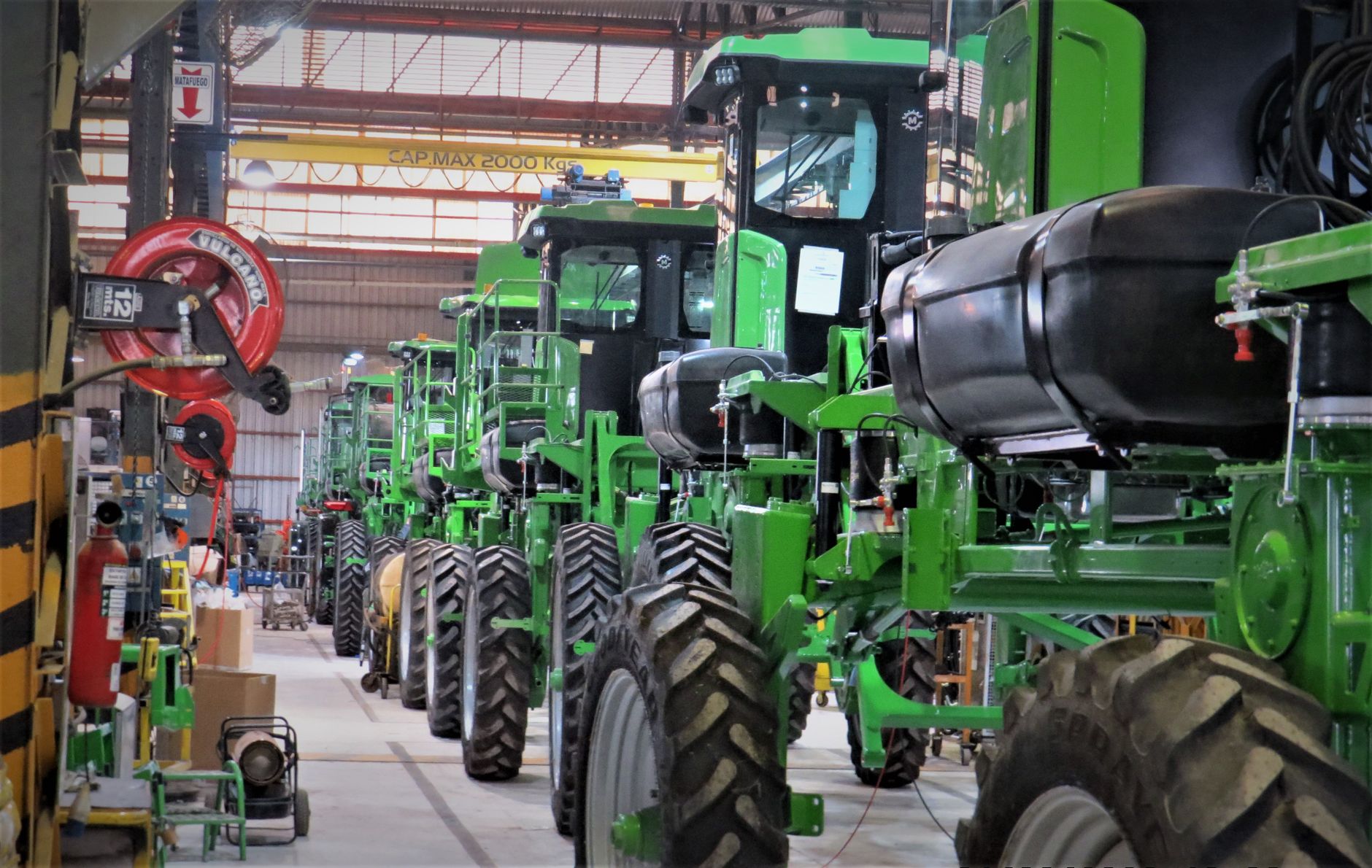
Powered Trucks and People Shared Tight Aisles
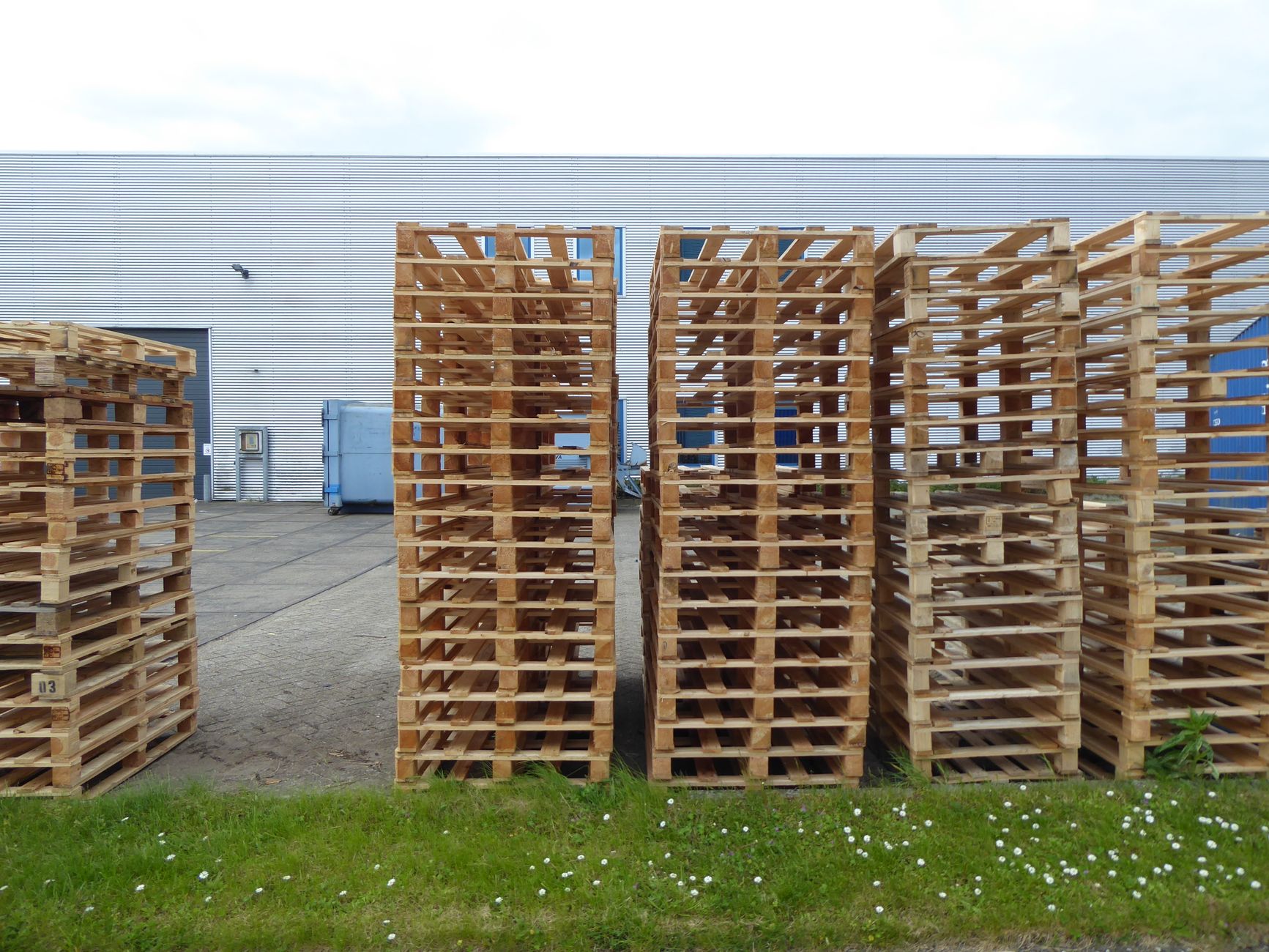
A Danish agricultural machinery manufacturer with about five hundred employees machines and assembles components across roughly fifty-five thousand square meters of factory space, about five hundred ninety-two thousand square feet. Every year about one hundred thousand pallets of materials and components arrive for processing before finished machinery ships in containers.
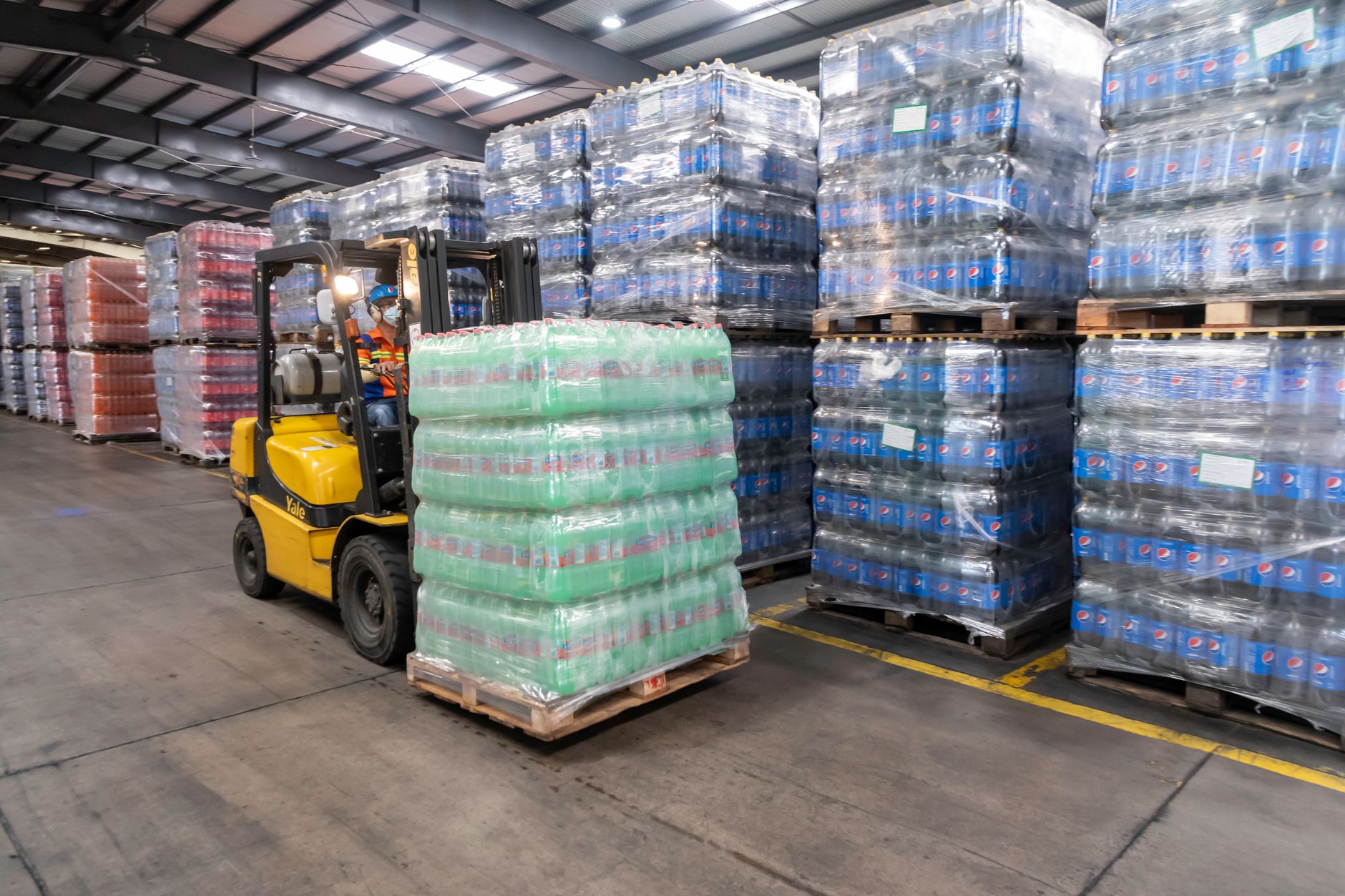
Powered pallet trucks and lifters constantly crossed the production site alongside foot traffic. Leadership wanted to cut indoor truck driving to improve the working environment and productivity in a layout that changes with seasonal product mix.
- One hundred thousand inbound pallets per year
- Five hundred people on a large single-site plant
- Powered trucks moving through production aisles
- Need safer sharing of floor space
Collaborative AMRs Join a Busy Intralogistics Floor
The site introduced collaborative autonomous mobile robots, including heavier-payload units, to take over selected internal transport so fewer powered trucks weave through assembly areas. The robots navigate autonomously rather than following fixed floor tape, which fits a dynamic factory where routes shift with production needs.
Finished agricultural machinery still leaves through the warehouse in containers while components move from receipt through machining and fitting. AMRs handle repetitive pallet moves so people can focus on value-added work away from congested aisles.
Leadership positions the fleet as a way to reduce indoor truck traffic without freezing the floor layout. The public case emphasizes safety and productivity gains rather than a specific payback month.
- Deploy collaborative AMRs beside existing truck fleet
- Use autonomous navigation without magnetic guidance
- Target high-traffic pallet corridors first
- Keep container shipping workflow unchanged
Less Indoor Truck Driving on a High-Volume Site
The documented deployment processes about one hundred thousand pallets per year while autonomous mobile robots reduce how often powered trucks and lifters cross paths with assembly staff on the fifty-five thousand square meter campus.
The source does not publish headcount reductions, accident rates, or dollar savings. Treat the pallet volume, site size, employee count, and safety-focused truck reduction as site-reported outcomes from one published case.
What US Equipment Makers Can Study
Service Robot Co. did not run this deployment. It shows how a high pallet-count plant can start lowering indoor truck miles without waiting for a full AGV rebuild.
Service Robot Co. gives US businesses one partner for selection, financing, deployment, integration, training, and nationwide service across cleaning, delivery, security, and warehouse robots. Traffic studies and slow zones should be mapped in a site assessment before lease or purchase terms are set.
When powered trucks and pedestrians already share aisles on a large single-site plant, collaborative AMRs may be a safer first step than adding another forklift route.