
a large home appliance manufacturing plant in Poland producing dryers on a 15-second takt
How an Appliance Plant Moved 12 Doors per Trip on a 130-Meter AMR Loop
Three AMRs loop 130 meters with 12 dryer doors per trip at a Polish appliance plant, cutting forklift milk runs with under two-year cited payback.
- <2 yr
- Cited ROI
- 3
- AMR fleet
- 12
- Doors/trip
- 3:50
- Loop time
Based on a documented real-world deployment. Figures are from public reporting; the organization is not named.
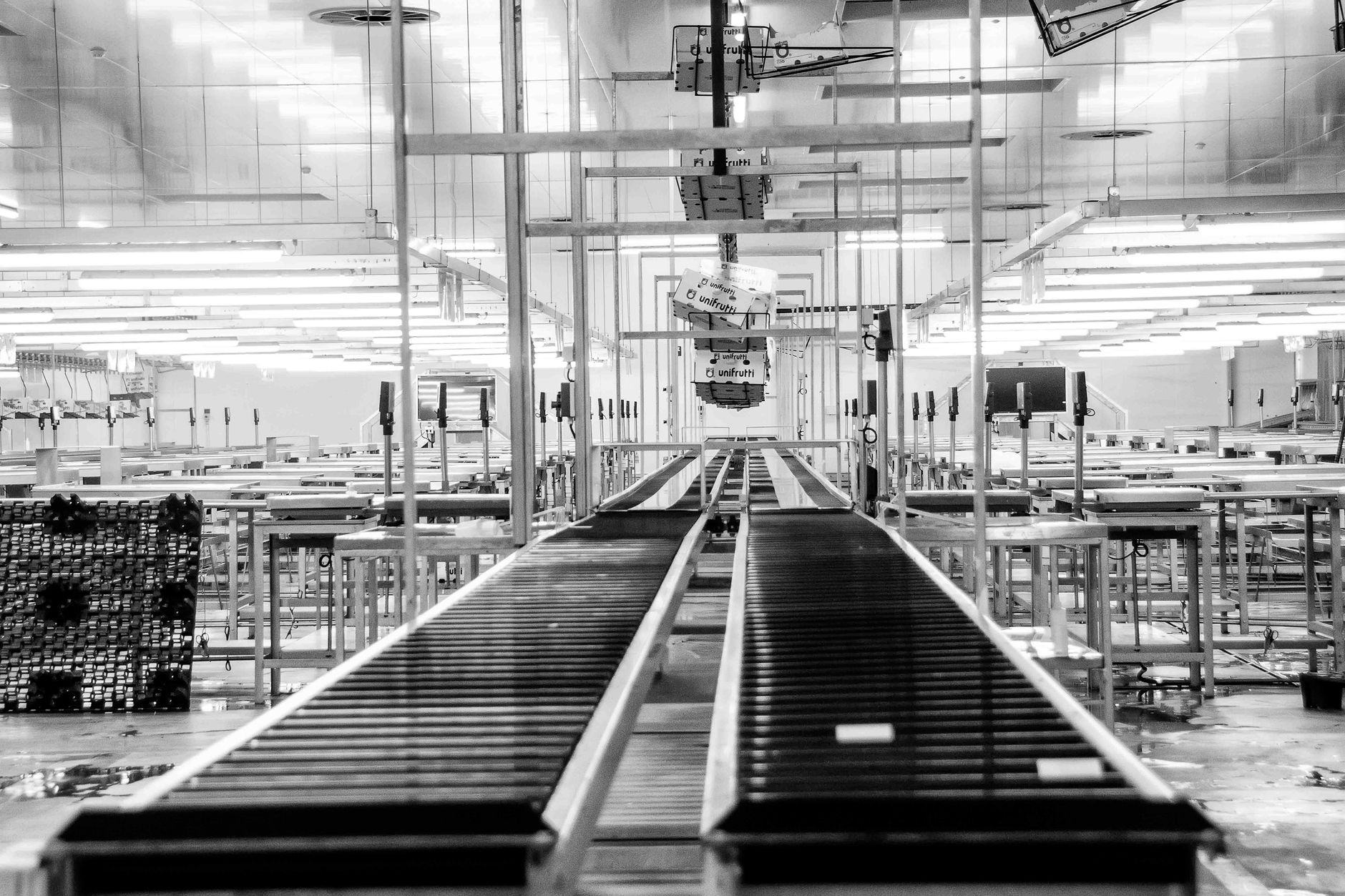
High-Takt Lines Still Relied on Forklift Milk Runs
A large home appliance manufacturing plant in Poland builds a finished dryer roughly every fifteen seconds. That pace demands a steady flow of doors and hardware from preassembly to the main assembly line without tying skilled staff to cart pushes.
Leadership wanted automated loading and unloading between lines while limiting human involvement in transport. Cost, safety, and layout flexibility mattered because the shop reconfigures routes when production zones move.
- Component moves between two production lines
- 15-second finished-dryer takt
- Forklift and tugger traffic near foot traffic
- Need to reroute when layout shifts
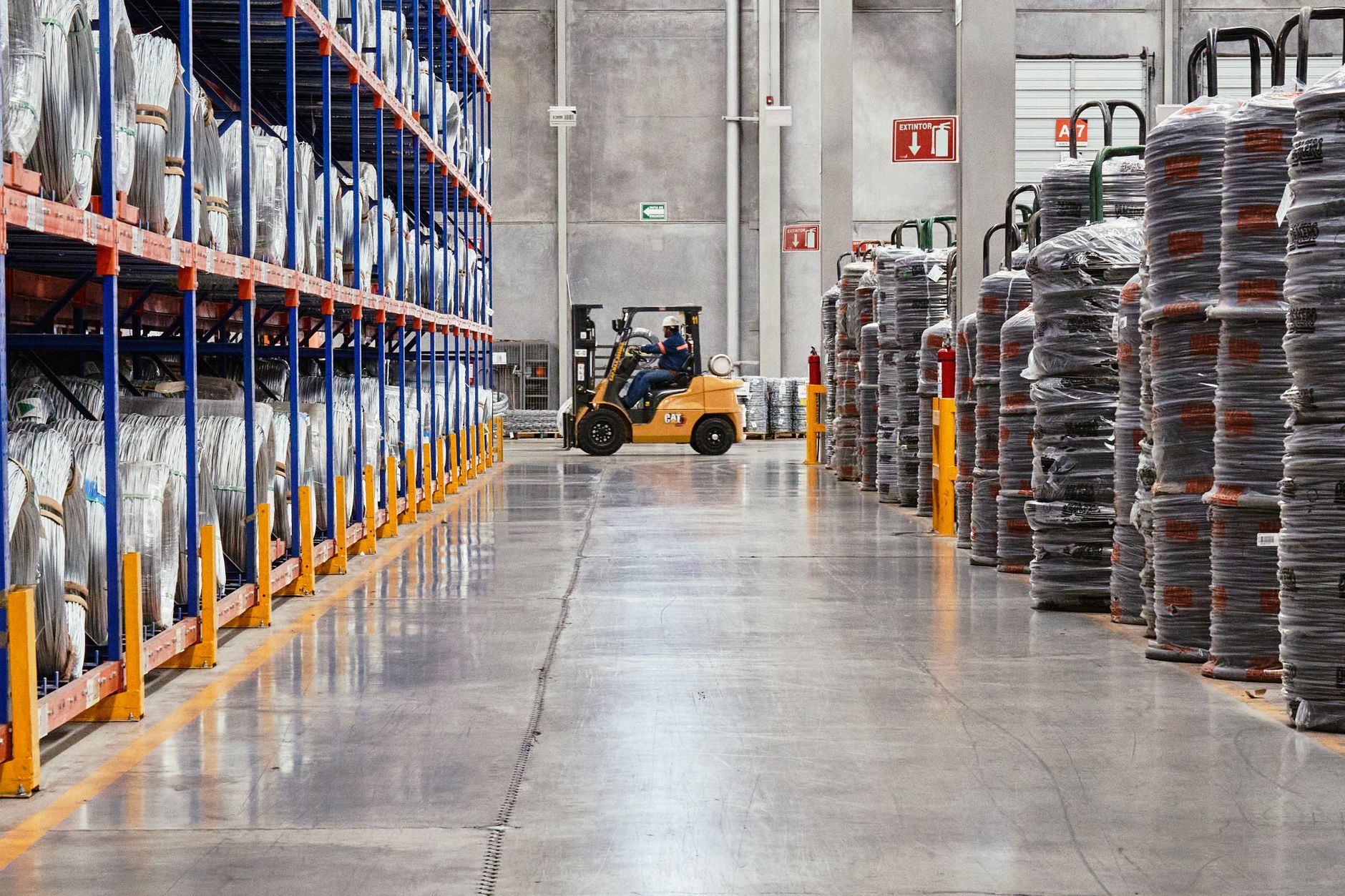
Three AMRs With Fleet Queuing and a Hot Spare
The site tested one autonomous mobile robot in late 2018, then added two more after results looked positive. Each unit hooks under a loaded cart, carries up to twelve doors on the outbound leg, and returns empty packaging on a gravity-fed cart about 130 meters round trip.
A full loop takes about three minutes and fifty seconds. Two robots run missions while a third stays on a charging dock as backup. Fleet software queues line requests and watches battery levels so work stays continuous.
Onboard sensors let units detour around forklifts, tuggers, and people. Staff without programming backgrounds can adjust waypoints when the plant layout changes.
- Pilot one AMR on the door loop
- Scale to three units with fleet software
- Hook carts for twelve-door payloads
- Keep a charged spare robot ready
- Reprogram waypoints after layout moves
Forklift Operators Freed With Under Two-Year Payback
Engineering leadership states three mobile robots can replace one operator-driven forklift or tugger on these milk runs, letting those drivers focus elsewhere. The published case cites maximum two-year return on investment as attractive for the site.
Since go-live, the plant has changed layouts several times and updated robot routes by specifying new travel points. Safety improved by reducing collisions between pedestrians and industrial trucks according to site leadership quotes in the source.
What US Appliance Plants Can Study
Service Robot Co. did not run this deployment. It shows how sub-four-minute loops at high takt can justify AMRs when every fifteen seconds another unit needs parts.
Service Robot Co. gives US businesses one partner for selection, financing, deployment, integration, training, and nationwide service across cleaning, delivery, security, and warehouse robots. High-takt lines should model trip time and spare robots during a site assessment before lease or purchase terms are set.
When three robots can cover one forklift role on a fixed loop, payback math should include freed operator hours and fewer pedestrian-truck interactions.