
a German automotive assembly plant with frequently changing production layouts
How an Auto Assembly Plant Cut Manual Material Handling 60% With AMRs
A German auto assembly plant cut manual line-side material handling about 60% using AMRs with conveyor tops and ERP-driven tasks instead of fixed conveyors.
- 60%
- Less manual moves
- ERP
- Task dispatch
- Flex
- No fixed routes
- JIT
- Line delivery
Based on a documented real-world deployment. Figures are from public reporting; the organization is not named.
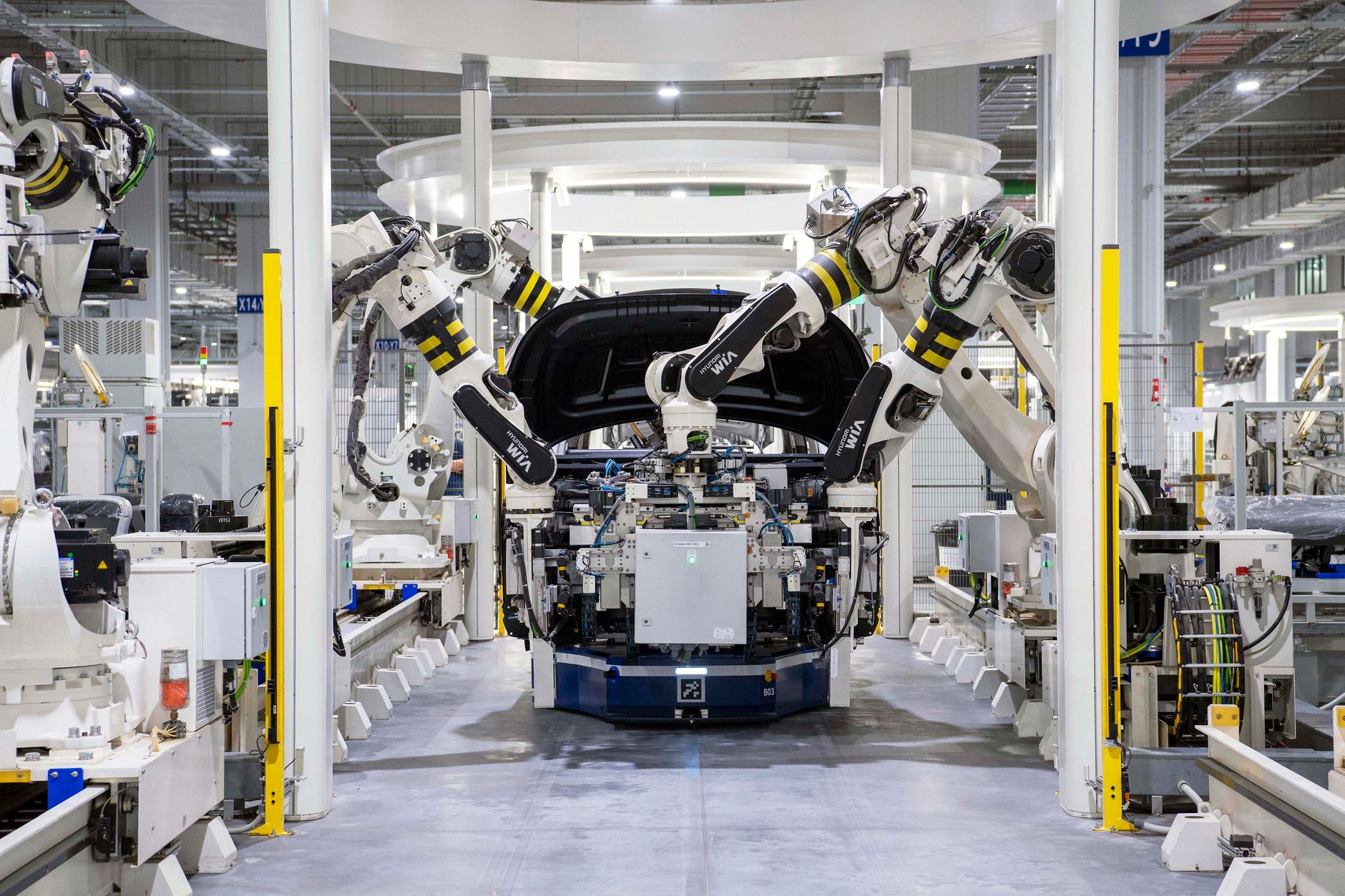
Layout changes outran fixed logistics
A German automotive assembly plant reconfigured lines often, which made traditional conveyor loops impractical. More than half of production team time went to walking components to stations, and legacy automated guided vehicles could not adapt when routes changed.
Leadership needed just-in-time delivery without bolting down new infrastructure every time the floor plan shifted.
- Frequent line layout changes
- High share of staff time on manual transport
- Fixed AGV routes that could not flex
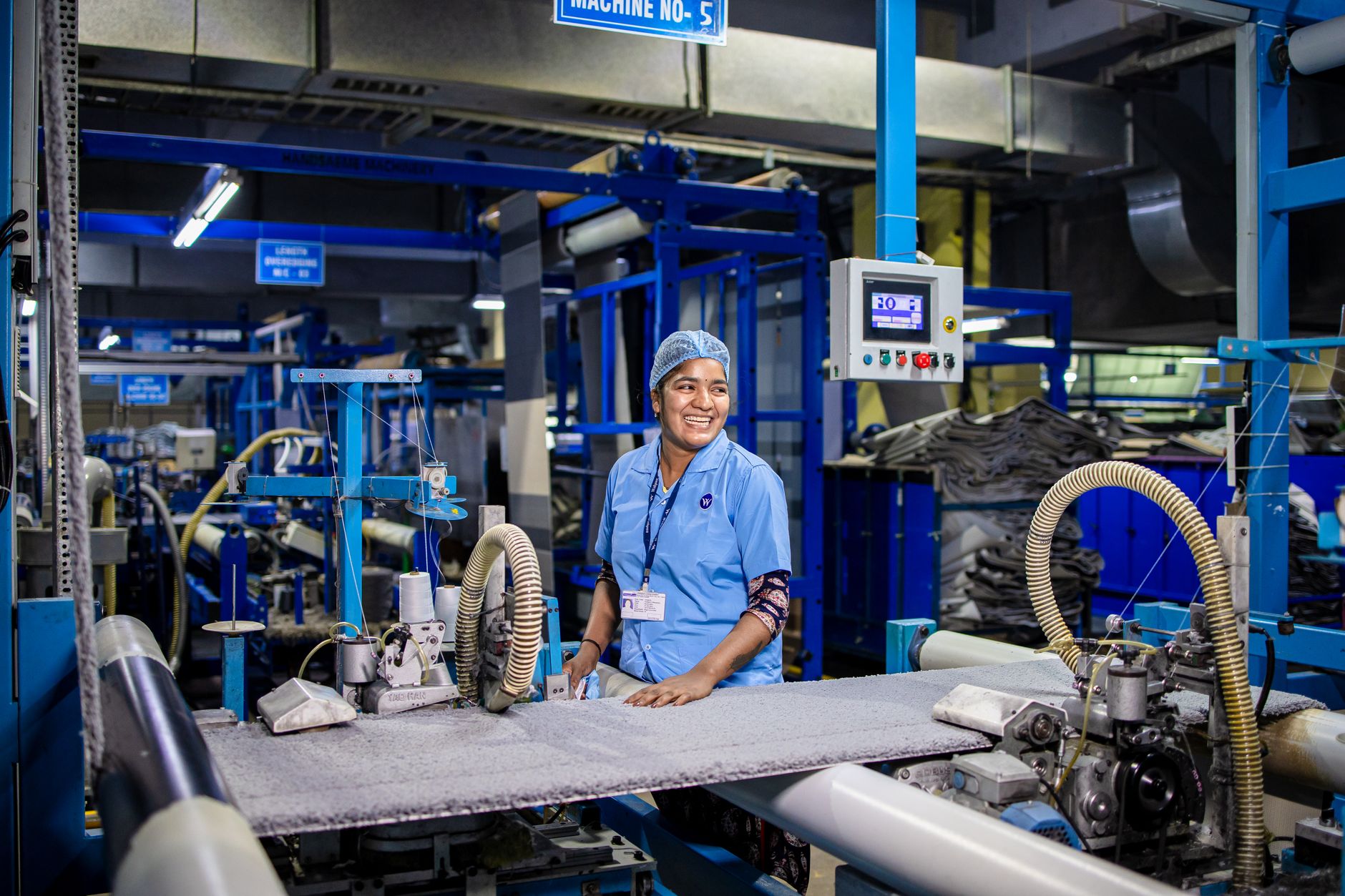
AMRs with conveyor attachments and ERP tasks
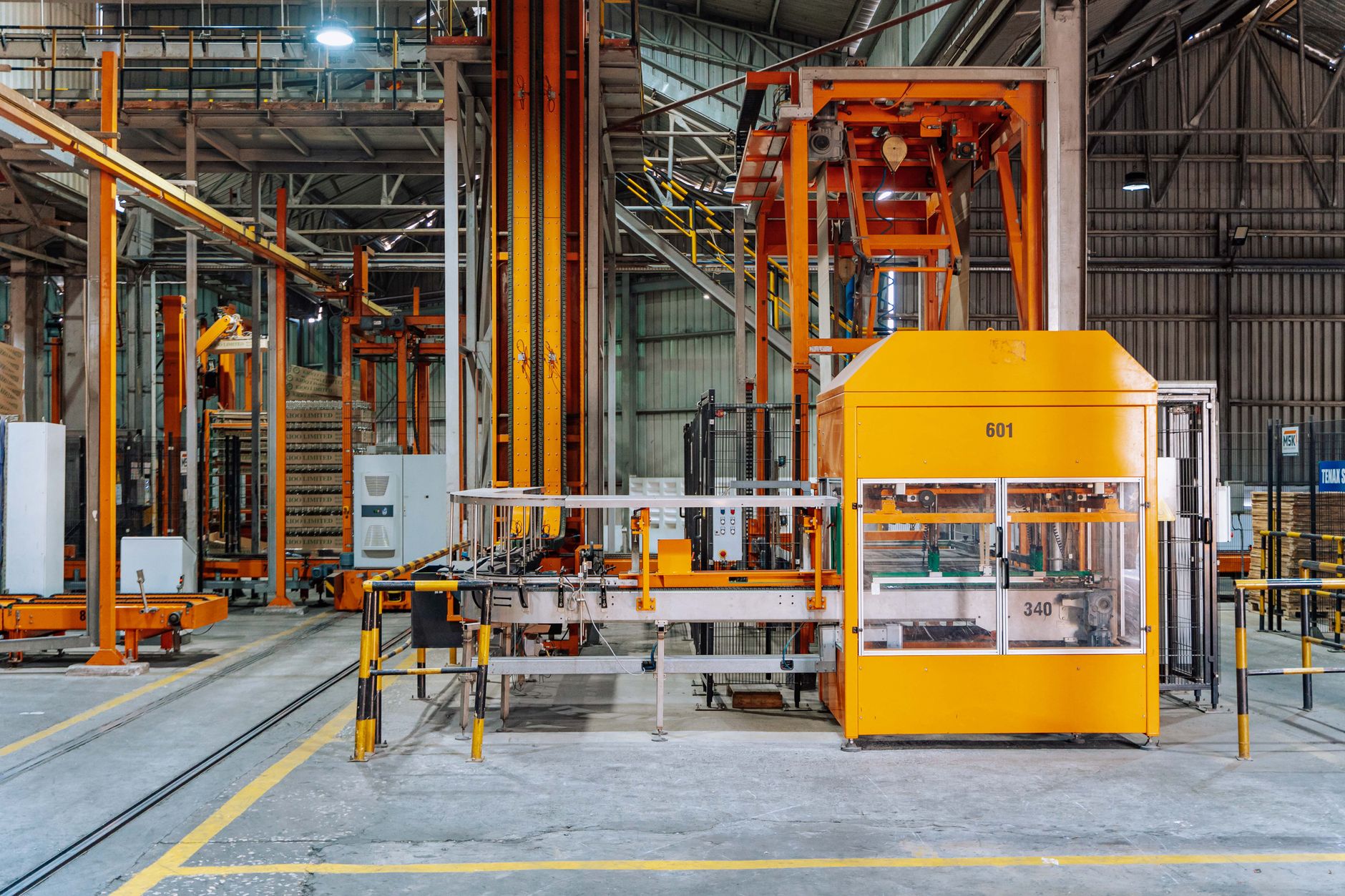
The plant deployed autonomous mobile robots equipped with height-adjustable conveyor modules to move materials directly to the line. Tasks were assigned dynamically from the enterprise resource planning system so routes could change when production needs changed.
Millimeter-accurate delivery in crowded aisles replaced much of the walking-intensive handoff work at assembly stations.
- Conveyor-top AMRs for line-side drops
- ERP-linked task assignment
- Autonomous routing without floor guides
About sixty percent less manual handling
After rollout, the site reported roughly a sixty percent reduction in manual material handling for production teams. Staff could focus on skilled assembly work while robots covered repeatable transport in tight factory spaces.
The approach scaled to additional production sites because it avoided fixed infrastructure and kept logistics traceable through plant systems.
What US auto suppliers can copy
Service Robot Co. helps US manufacturers map the same pattern when conveyors are too rigid but forklifts are too heavy-handed: start with the line segments where walking time is highest.
Buy or lease through financing, integrate with your ERP or MES during deployment, and keep service on RoboCare nationwide. Vendor-neutral selection matters when load size, conveyor height, and aisle width vary by line.