
an automotive interior components plant in Germany
How an Auto Interiors Plant Replaced 8-10 km of Daily Walks With Three AMRs
A German automotive interiors plant automated frame-part moves with three AMRs, sensor-triggered transport orders, and hook-equipped units after staff walked 8-10 km per shift.
- 8-10 km
- Walks before
- 3
- AMRs
- Auto
- Transport orders
- Frames
- Parts moved
Based on a documented real-world deployment. Figures are from public reporting; the organization is not named.
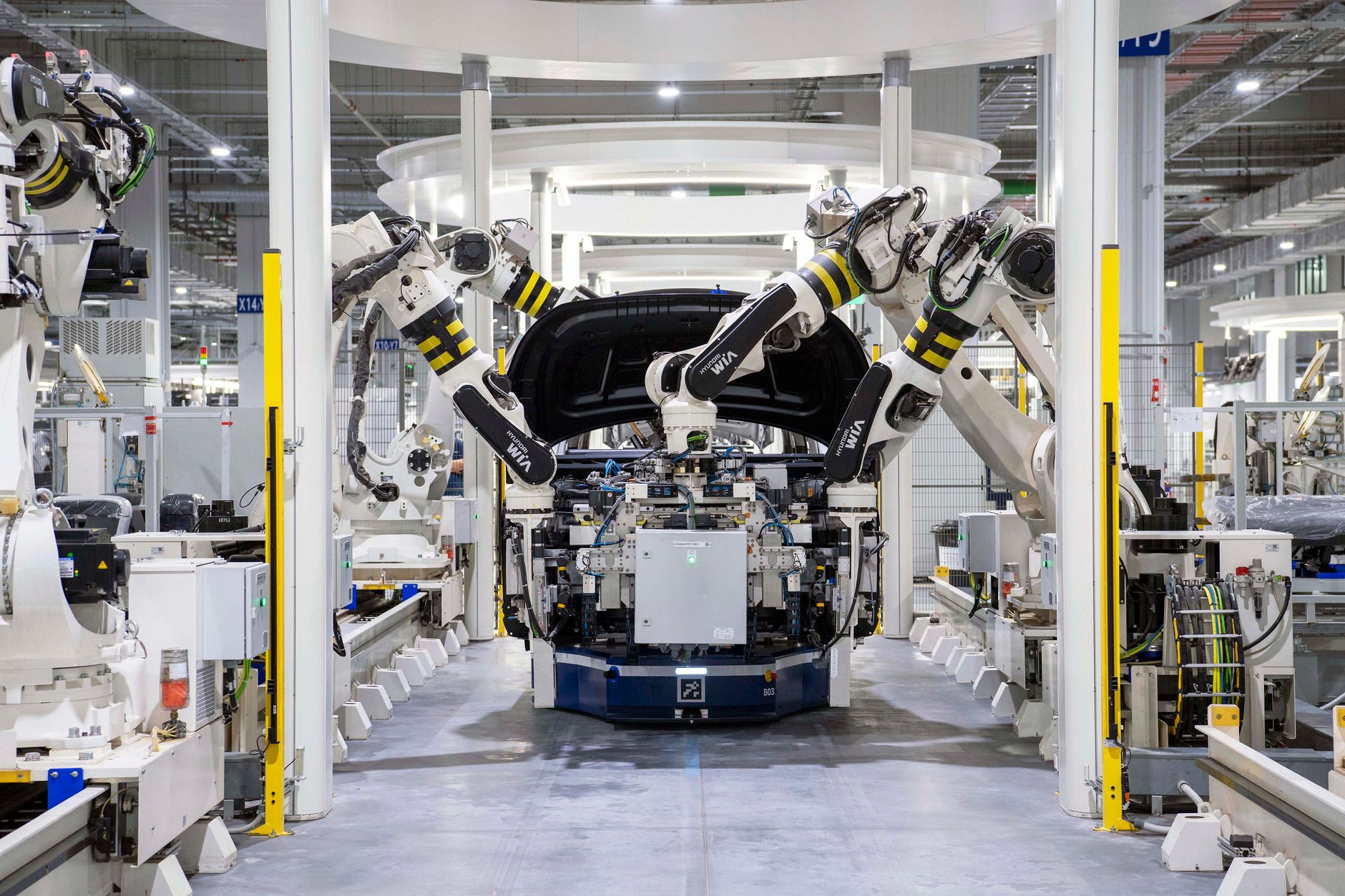
Manual Miles Between Logistics and Production
An automotive interior components plant in Germany builds frame-related parts across logistics and production zones. Before automation, employees moving material by hand often covered eight to ten kilometers each shift on repetitive transport runs.
Leadership wanted digital transformation without locking the floor to magnetic tape or other fixed guidance that breaks every time layouts shift. Frame parts needed reliable moves between loading and unloading points without tying skilled staff to cart miles.
- Eight to ten kilometers walked per shift
- Frame parts between logistics and lines
- Rejected rigid tape-guided AGVs
- Need sensor-driven transport triggers
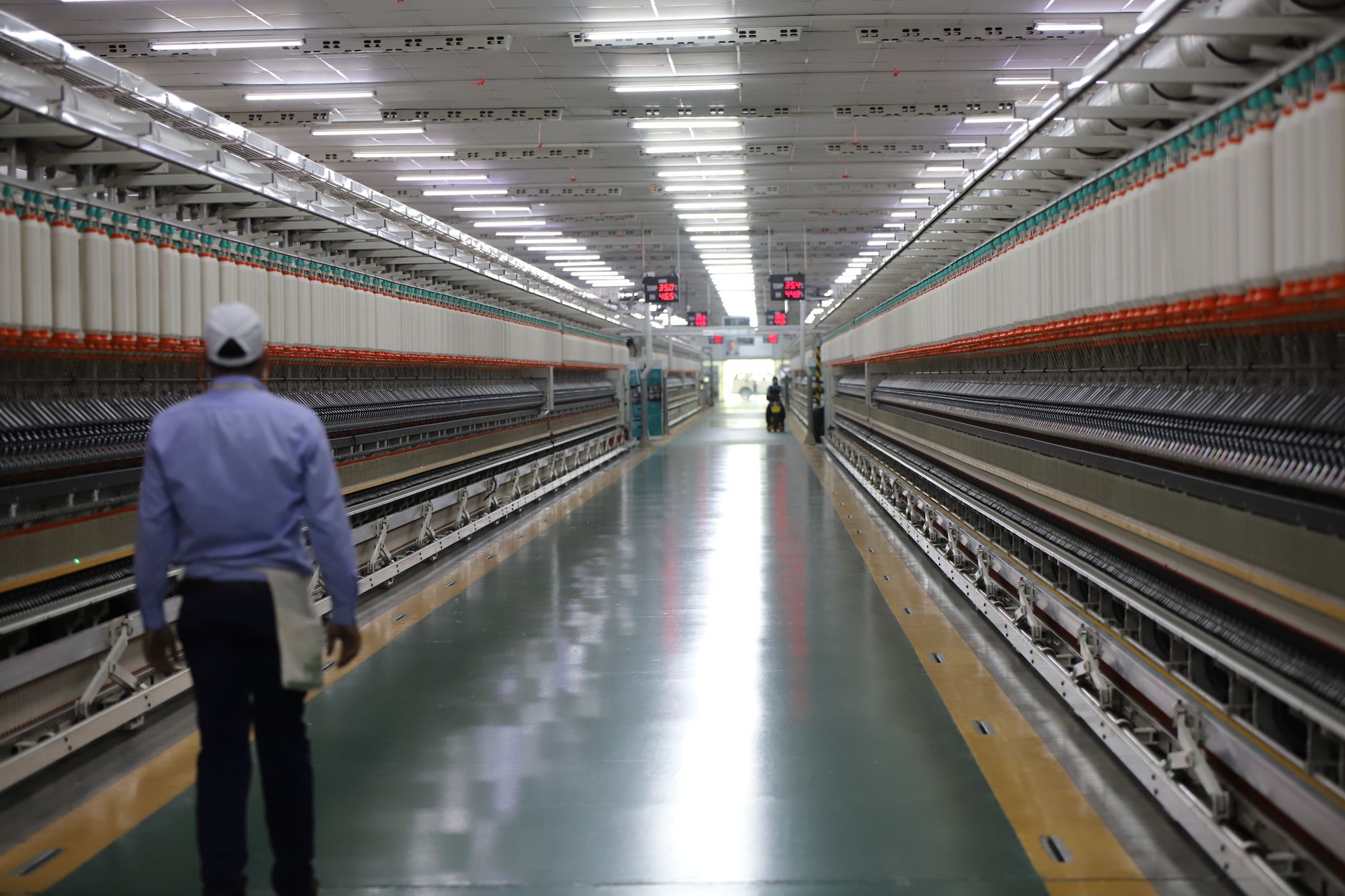
Three AMRs With Custom Top Modules and Hooks
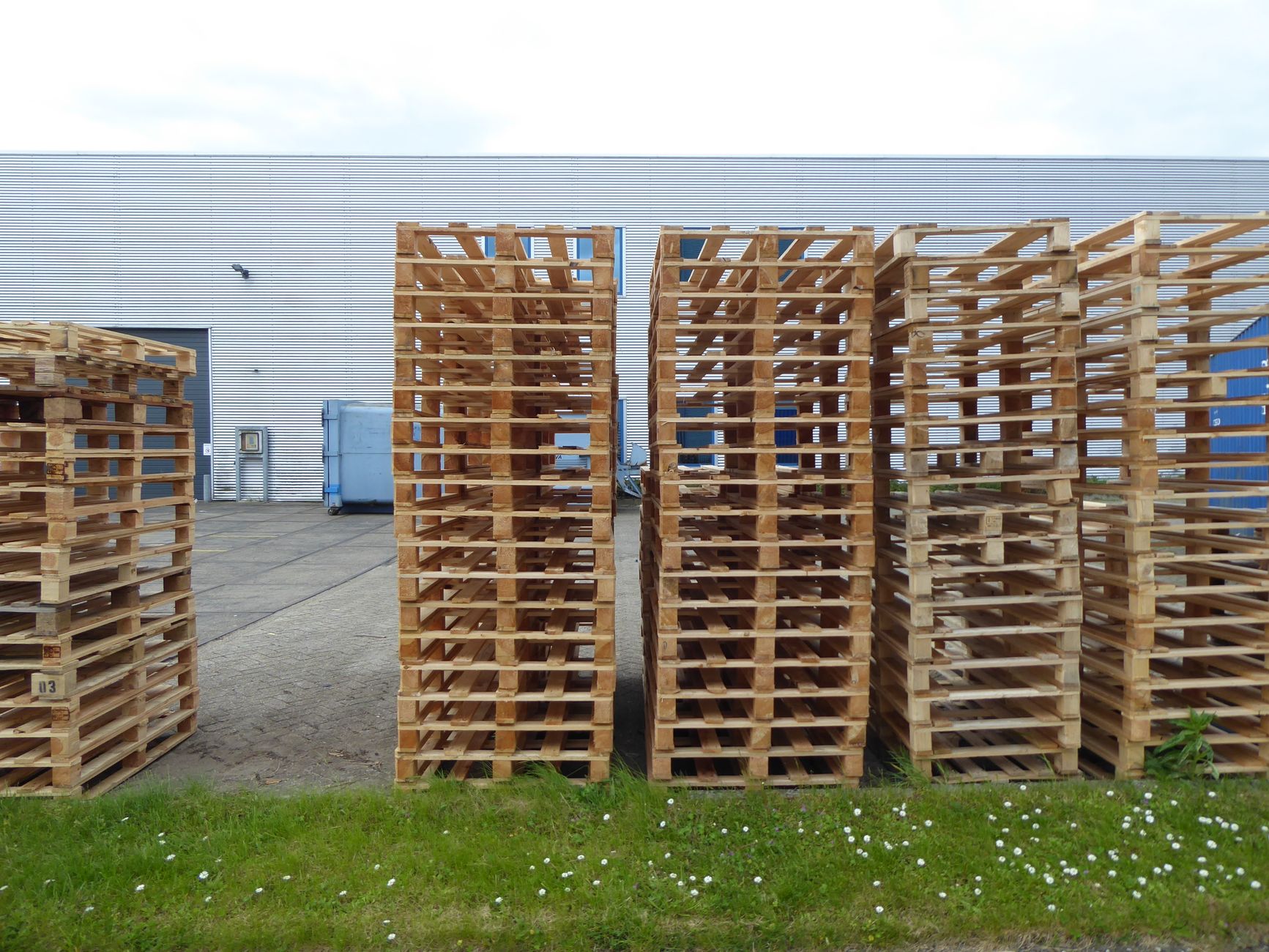
The site deployed three autonomous mobile robots, including heavier-payload units and hook-equipped models, to automate frame-part transportation end to end. Custom top modules handle loading and unloading on the robot platforms.
Sensors at loading and unloading points generate transport orders automatically instead of manual entry. A controller passes those orders to fleet software, which coordinates the three robots across logistics and production areas.
Flexible navigation without magnetic guidance let the plant remap routes as workflows changed. Fleet software distributes jobs and keeps the AMRs synchronized with physical load points.
- Mount custom top modules on AMR bases
- Trigger orders from load/unload sensors
- Route jobs through fleet coordination software
- Use hook units where cart towing fits
Walking Miles Shifted Off Production Staff
Published figures describe eight to ten kilometers of manual transport per shift giving way to automated frame-part moves. Implementation leaders frame the project as a milestone in digital transformation rather than a one-off pilot.
The source does not publish payback months, headcount reductions, or dollar savings. Treat the distance, fleet size, and sensor-driven ordering as site-reported outcomes from one documented deployment.
What US Auto Suppliers Can Study

Service Robot Co. did not run this deployment. It shows how sensor-triggered transport orders plus a small AMR fleet can remove shift-long walking loops between logistics and assembly.
Service Robot Co. gives US businesses one partner for selection, financing, deployment, integration, training, and nationwide service across cleaning, delivery, security, and warehouse robots. Load-point sensors and fleet interfaces should be scoped in a site assessment before lease or purchase terms are set.
When eight to ten kilometers of daily walks sit between warehouse and line, three AMRs with custom top modules may beat adding another manual runner on the same corridor.