
a European automotive remanufacturing plant with high-mix warehouse-to-line component flow
How an Auto Reman Plant Linked MES Orders to Three AMRs Moving Six KLTs per Trip
A European auto reman plant ties MES orders to three AMRs that move up to six KLT bins per trip, removing forklifts from served lines and raising transport throughput.
- 3
- AMRs
- 6
- KLTs/trip
- MES
- Order link
- 0
- Forklifts*
Based on a documented real-world deployment. Figures are from public reporting; the organization is not named.
Manual Milk Runs Lost Visibility
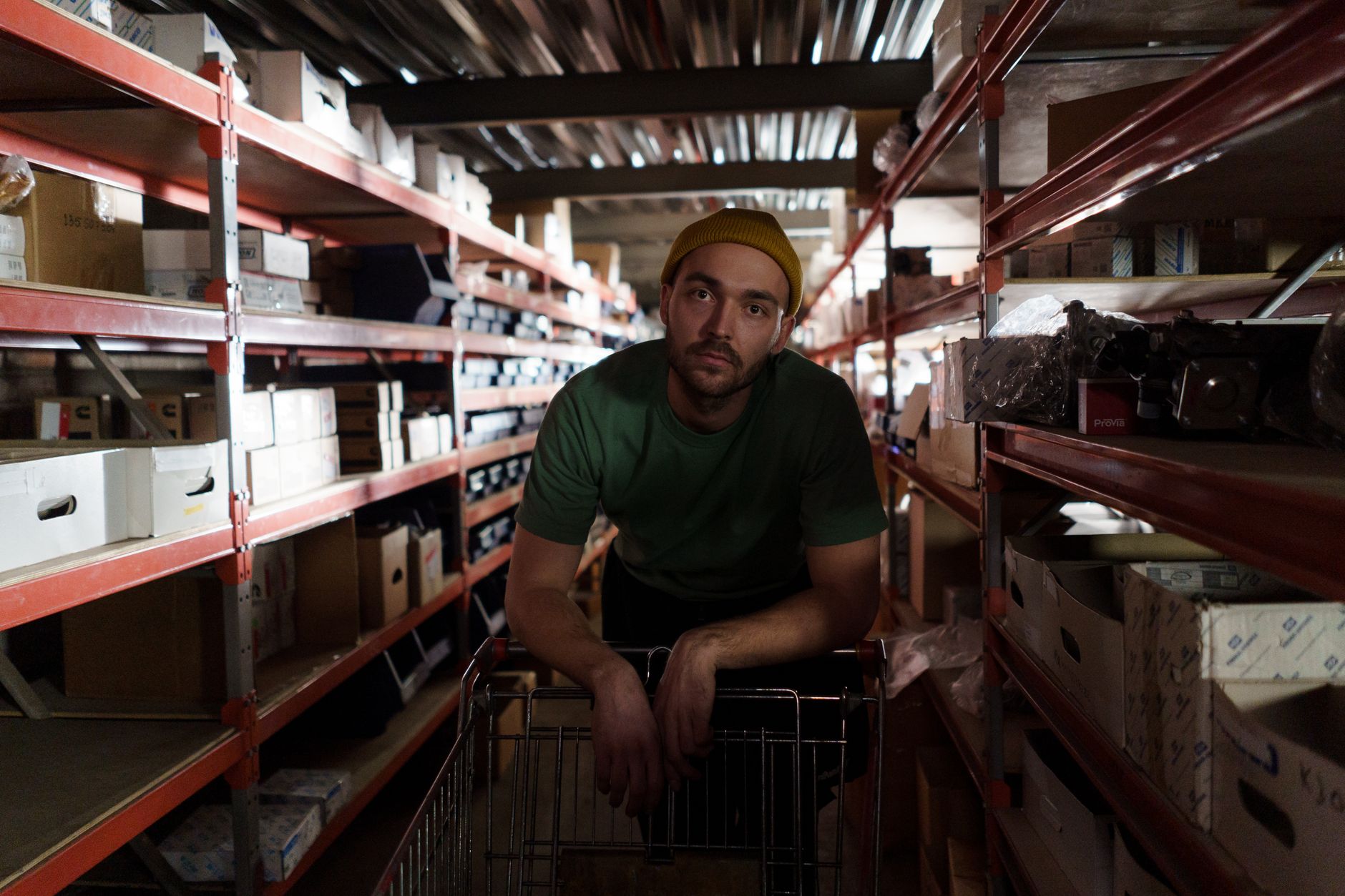
A European automotive remanufacturing plant with high-mix warehouse-to-line component flow moves thousands of parts between warehouse and production daily. Operators once ran manual milk routes with different containers to many delivery points as SKU lists kept changing.
Leadership needed confirmation that every small load carrier reached the right station and that inventory moves were recorded automatically, not only faster cart pushes between aisles.
- High-mix components with shifting SKU lists
- Many production delivery points
- Manual milk-run transport from warehouse
- Need MES-level delivery confirmation
Three AMRs Integrated With MES and Fleet Software
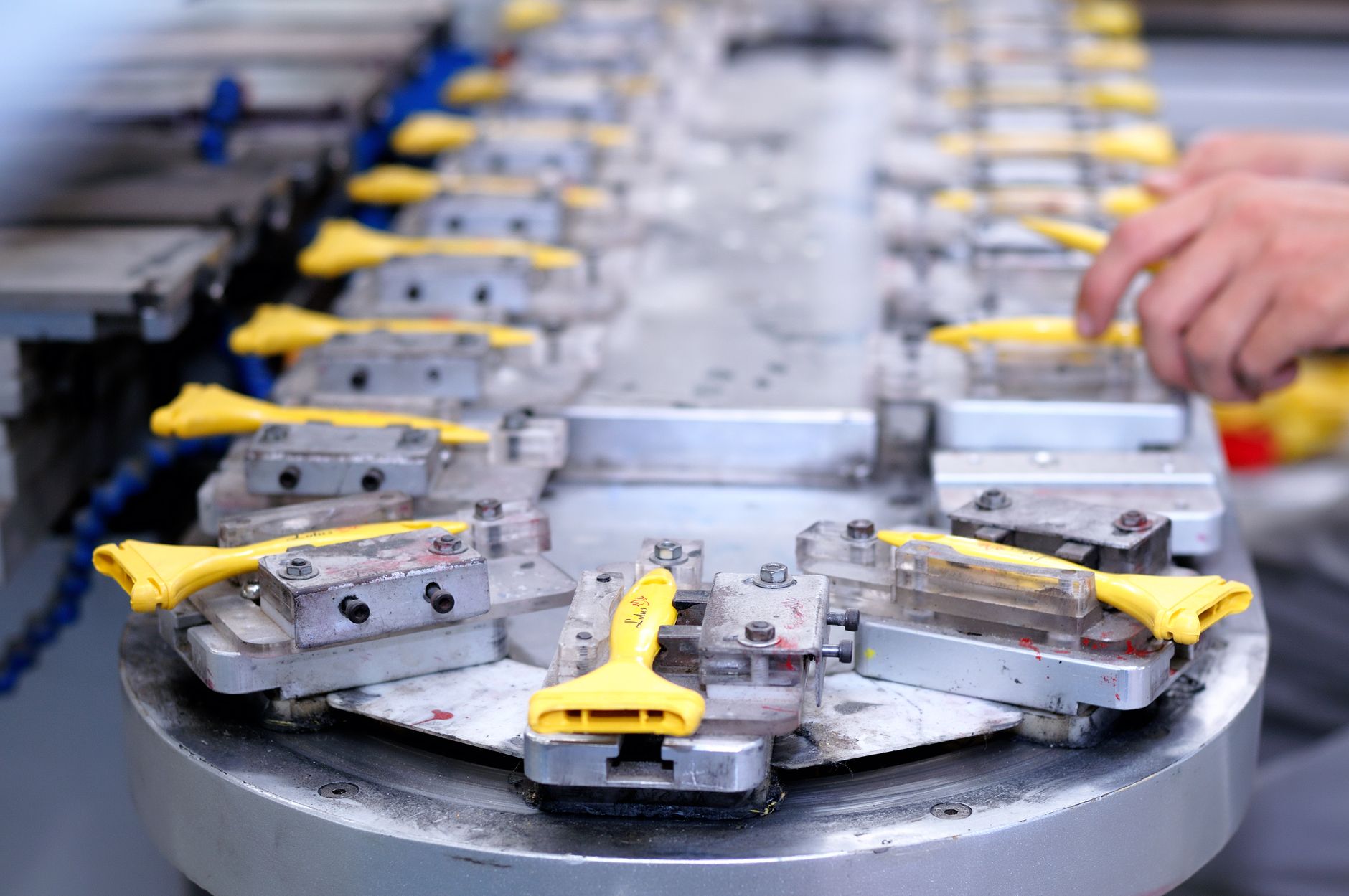
The site deployed three autonomous mobile robots with custom dual-level roller modules that carry up to six KLT containers per mission. Compact units navigate narrow factory aisles while delivering to multiple production locations in one optimized sequence and collecting empties on the return trip.
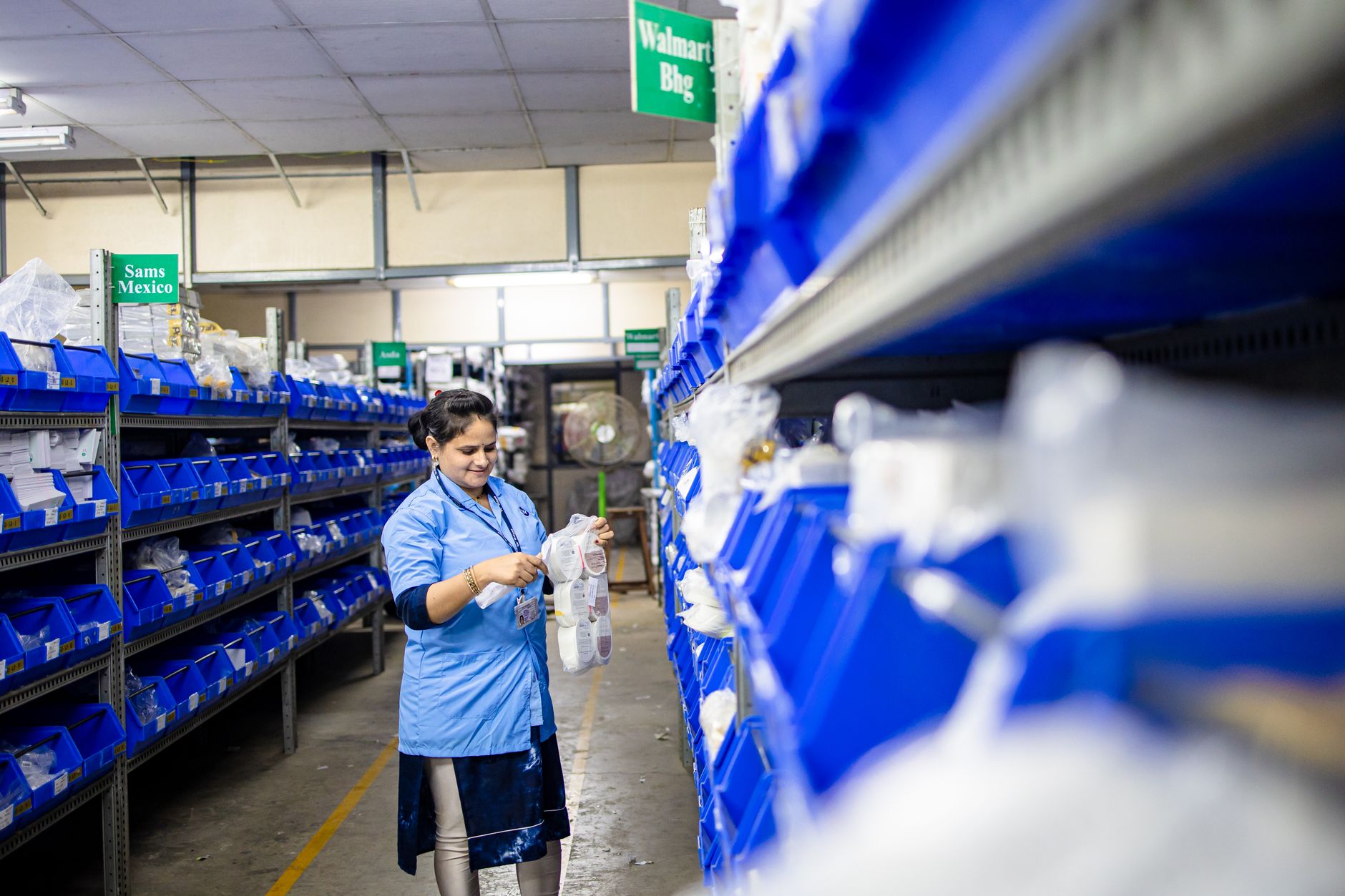
Production operators place orders in the manufacturing execution system. Warehouse teams pick to the list, scan containers onto loading racks, and sensors plus LED guidance verify placement before transport missions generate automatically.
Fleet coordination software assigns tasks, sequences deliveries across production sectors, and confirms completed drops back to MES. The project started in one production area before expanding so hardware, software, and traffic rules could be refined under load.
- Connect MES orders to fleet tasking software
- Use dual-level modules for up to six KLTs
- Pilot in one production zone before scaling
- Add warehouse and line racks with sensor checks
Higher Throughput and Forklift-Free Zones
Warehouse-to-line moves now run automatically after picks are scanned while robots handle delivery, empty return, and confirmation back to MES. Logistics staff report higher internal transport throughput with fewer manual cart activities.
In areas served by the fleet, forklift and pallet truck traffic was eliminated, which leadership cites as a safer, more organized production floor. The source does not publish payback months or dollar savings.
What US Reman and Assembly Plants Can Study
Service Robot Co. did not run this deployment. It shows how tying AMRs to MES confirmations can matter as much as the robots themselves when SKU mix changes weekly.
Service Robot Co. gives US businesses one partner for selection, financing, deployment, integration, training, and nationwide service across cleaning, delivery, security, and warehouse robots. Pick-face scans and narrow-aisle maps should be scoped in a site assessment before lease or purchase terms are set.
When milk runs lose traceability, three AMRs with six-bin modules may beat adding another manual route without MES feedback.