a high-volume consumer electronics plant using cobots for screwing, soldering, and pick-and-place work
Assembly Cobots Cut $80K+ in Annual Costs at an Electronics Plant
A high-volume consumer electronics plant used assembly cobots across screwing, soldering, and pick-and-place work to cut yearly operating costs by more than $80,000.
- $80K+
- yearly cost cut
- 50%
- less time per task
- 7 cobots
- deployed on line
- 30 mos
- reported ROI
Based on a documented real-world deployment. Figures are from public reporting; the organization is not named.
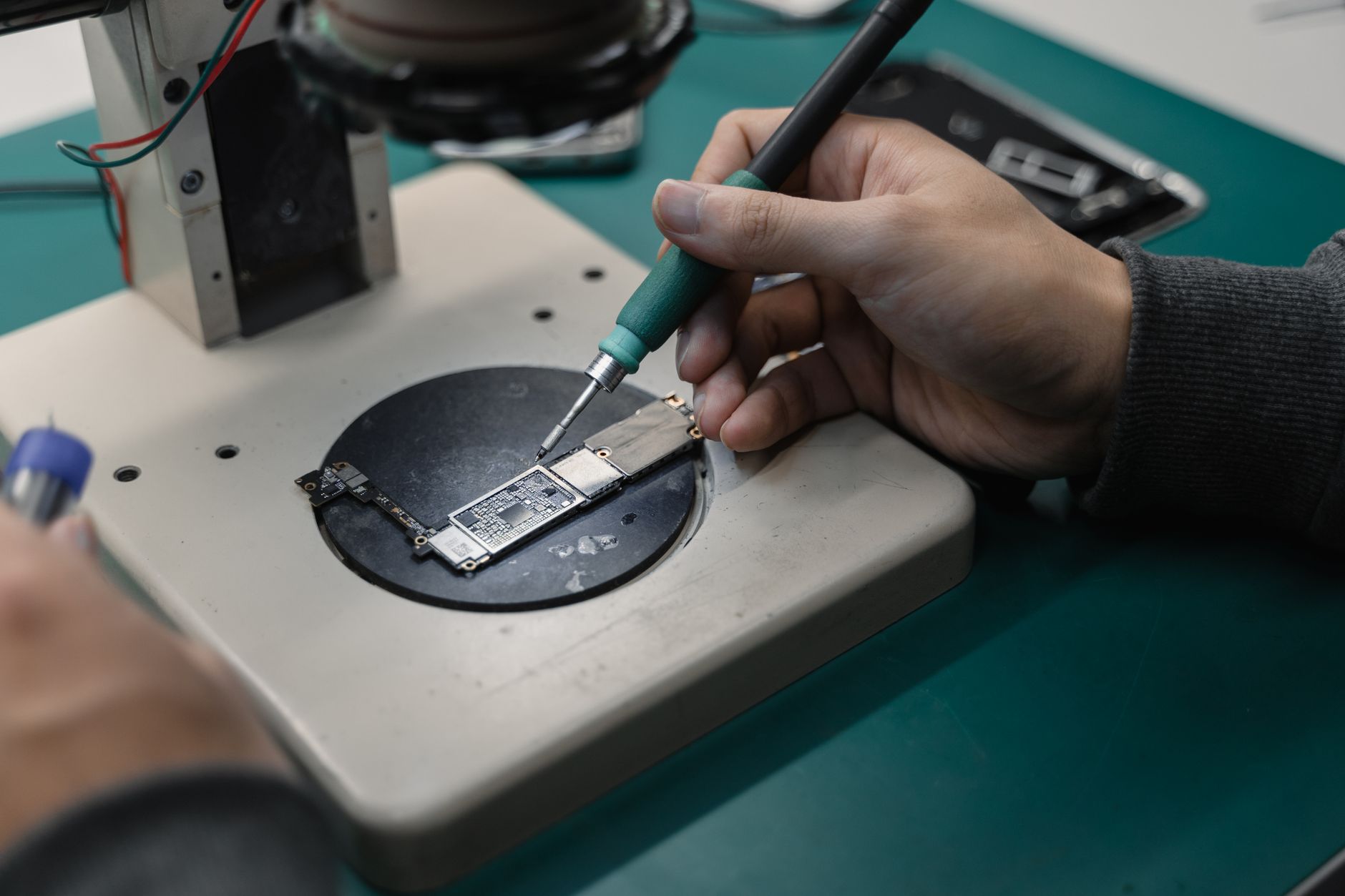
Pressure on throughput and repeatability
This plant was producing more than 400,000 products a month and still leaning heavily on manual work. That put real strain on turnaround time, defect control, and staffing flexibility across repetitive assembly steps.
The work itself was not limited to one narrow motion. Operators were handling screwing, soldering, separating cut PCB sections, and fitting glass displays onto car stereo units. Repetition was constant, and some of the tasks exposed workers to fumes, dust, and other avoidable safety risk.
A second barrier sat inside the factory culture. The source notes that manual processes had been in place for 20 years, so moving into automation meant changing long-set habits without disrupting output.
- More than 400,000 products manufactured each month
- Manual processes had been in place for 20 years
- Repetitive assembly tasks included screwing, soldering, and pick-and-place work
- Some tasks involved hazardous fumes and dust
One cobot program across several assembly tasks
The plant introduced seven assembly cobots and used them across three distinct jobs: screwdriving, soldering, and pick-and-place work. That mattered. Instead of automating one isolated station, the team treated the cobot cell as a flexible labor tool that could be adapted with different end effectors for different steps.
The source describes a deployment path that kept the existing layout largely intact. The cobots fit into a space-constrained production area without major facility changes, which made phased deployment no shutdown far more realistic than a wholesale line rebuild.
Training was notably short. Operators trained on the cobots in 4 days, and the team reported becoming fully familiar with operation within 1 month despite limited prior robotics experience. In practical terms, that is the kind of ramp that makes robot deployment and integration easier to justify on a live assembly floor.
- Seven cobots deployed
- Three task groups automated: screwing, soldering, and pick-and-place
- Installed within existing production space without drastic layout changes
- Training took 4 days
- Operational familiarity reached within 1 month
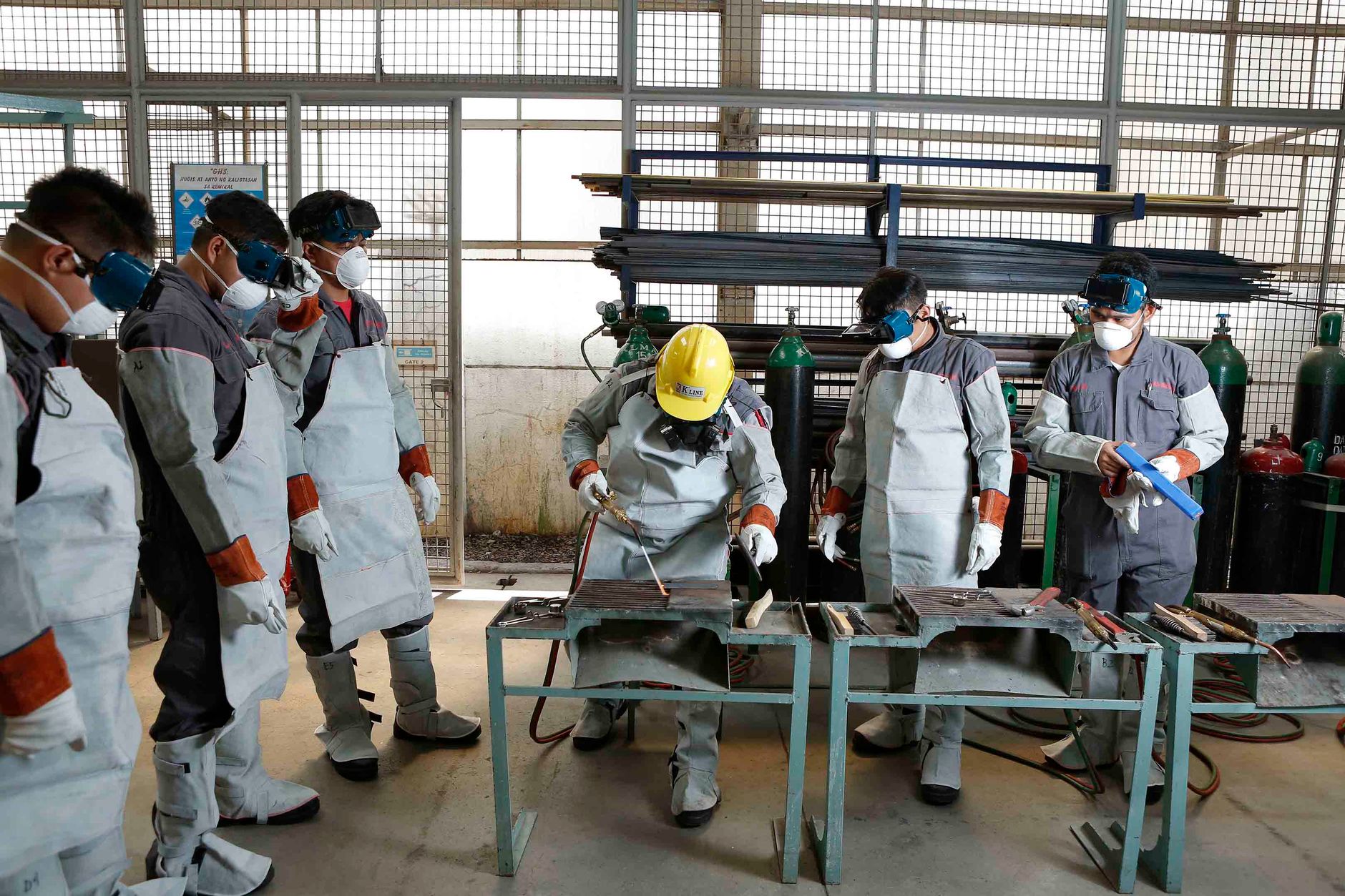
Lower cost, steadier takt time, safer work
The headline result was financial. The plant reported more than $80,000 in yearly operational cost reduction after adopting the cobots. The same source ties that improvement to labor reallocation, with workers moved to other processes once the repetitive assembly work was automated.
Cycle performance improved as well. The cobots stabilized takt time and cut time per task by half, which is a meaningful gain in a high-volume consumer electronics environment where output rhythm and defect control are tightly linked.
Safety improved alongside productivity. The cobots took over high-risk work such as soldering and separating cut PCB parts, reducing operator exposure to hazardous fumes and dust while allowing close-proximity work after risk assessment. The result was not just lower cost, but a steadier and less punishing operation.
What this means for manufacturers evaluating cobots
This example is useful because it shows what assembly automation looks like when the value is spread across several repetitive jobs instead of one hero task. For a manufacturer weighing cobot rental, collaborative robot arm rental, or robot leasing for business, the lesson is that the best fit is often a flexible cell that can cover multiple stations over time, not a one-purpose purchase dropped into a corner.
That is where Service Robot Co. fits. We are a vendor neutral robot integrator for US businesses, and we handle the full path from site assessment and robot deployment and integration through training, financing, and service. If a plant needs lease rental or sale options, monthly payment programs, maintenance included, or one partner one number for nationwide support, that lifecycle model reduces friction long after go live.
For factories trying to automate without betting the whole line at once, a phased approach matters. A pilot, then a measured rollout, is often the practical route for cobot rental for manufacturing, machine tending robot work, or end of line automation. The point is not to copy this exact deployment. It is to recognize the pattern: flexible automation, modest training burden, and service coverage that keeps adoption from stalling.