
a joint-venture electronics components plant in northern China
How an Electronics Plant Cut Internal Transport Labor Costs 80% With Two AMRs
A joint-venture electronics plant replaced two-shift manual material runs with two AMRs, cutting internal transport labor costs 80% on 116-meter loops in ESD areas.
- 80%
- Transport labor cut
- 116 m
- Per round trip
- 2
- AMRs deployed
- 2 shifts
- Manual teams before
Based on a documented real-world deployment. Figures are from public reporting; the organization is not named.
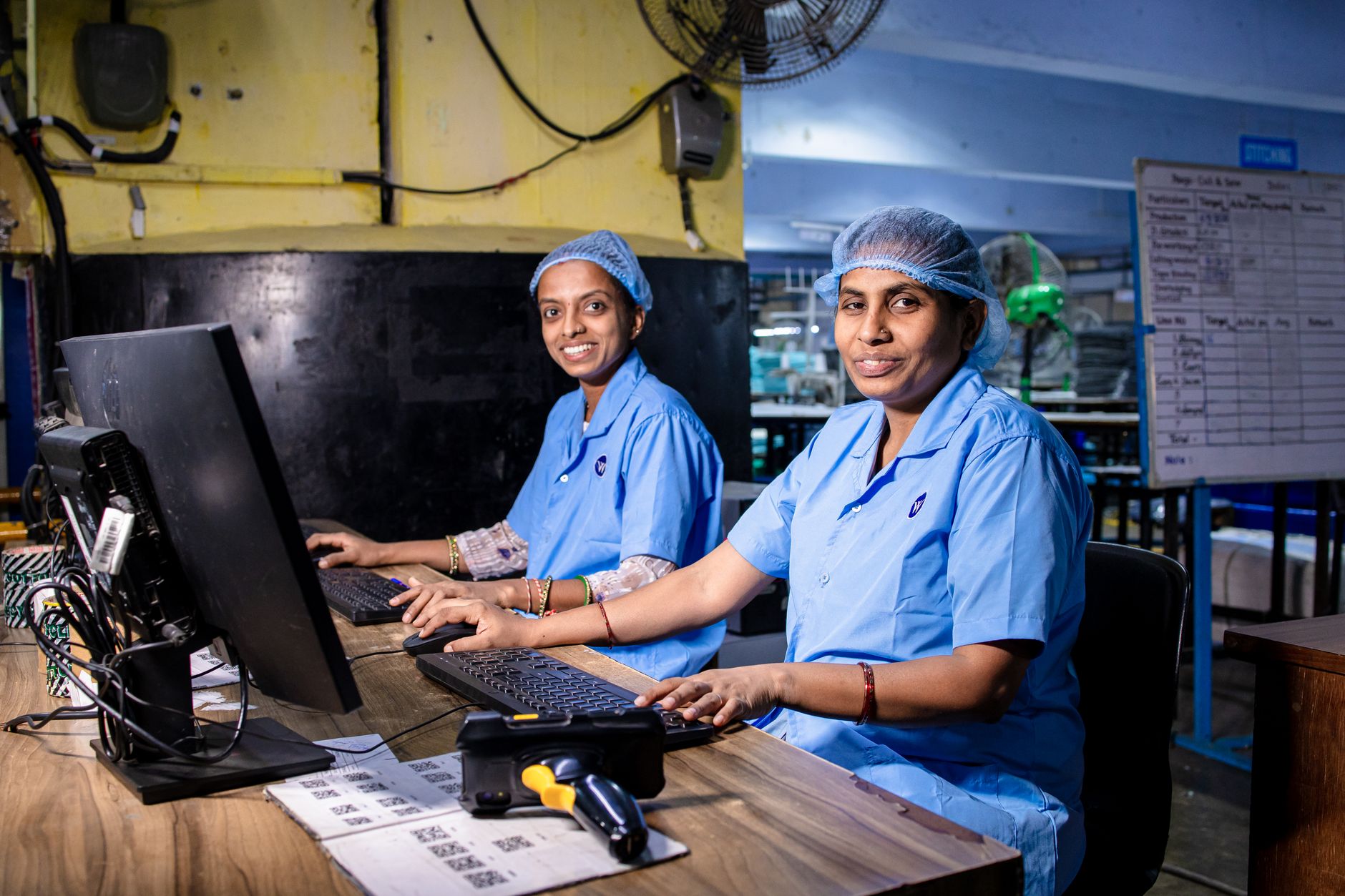
ESD Floors Still Moved by Foot
A joint-venture electronics components plant in northern China builds precision parts under strict electrostatic and micro-pollutant controls. Materials and finished goods still moved on production floors through manual internal transport.
Three teams working two shifts carried loads on repeat paths. One documented round trip covered 116 meters every time a worker moved stock, which tied skilled labor to walking instead of production tasks.
- ESD and cleanliness rules on the production floor
- Two-shift manual transport teams
- Repeat 116-meter internal loops
- Finished goods damaged during hand moves
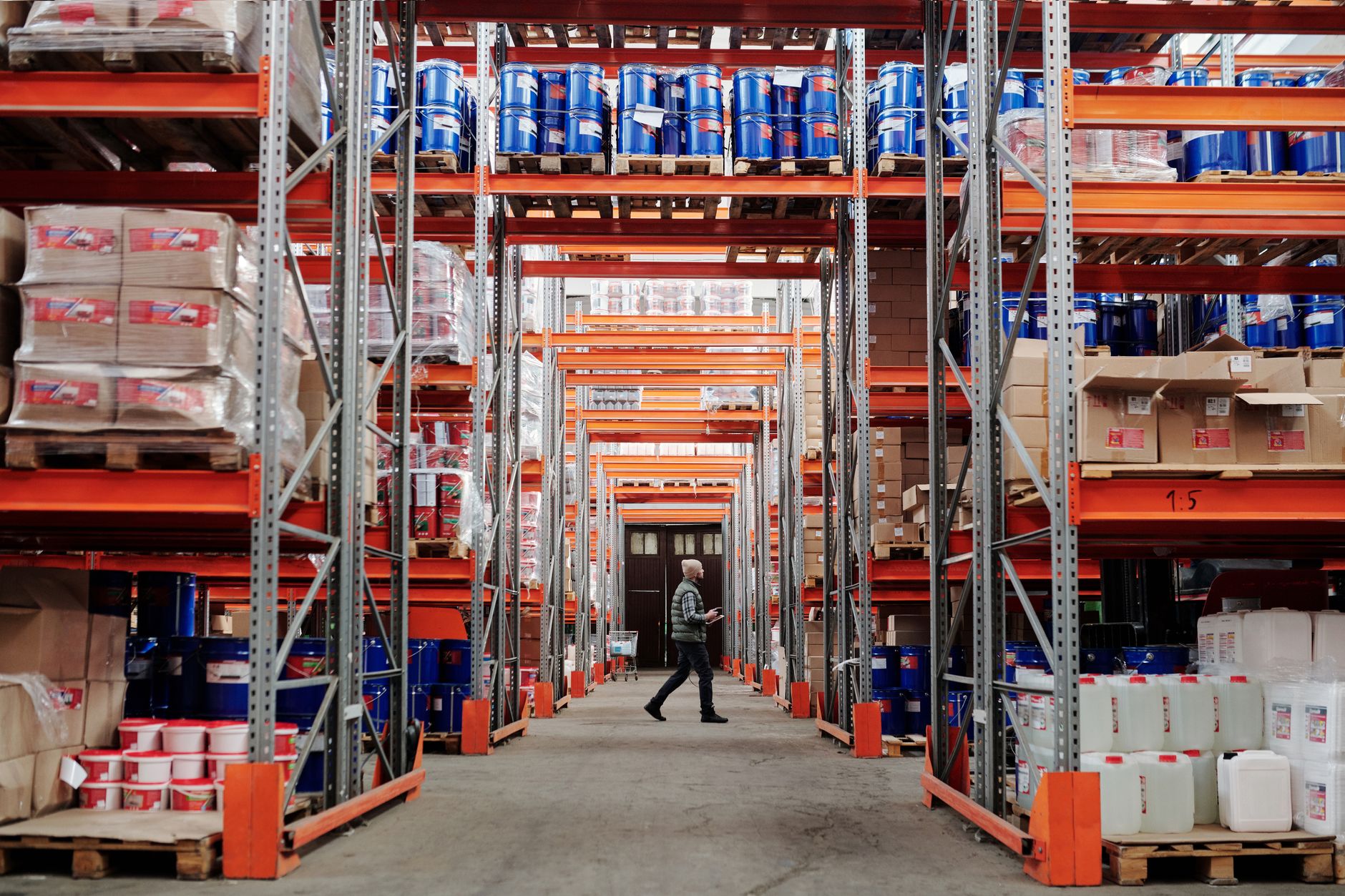
Two Small AMRs on the Production Floor
The plant deployed two small autonomous mobile robots to move materials and finished products within the production area while keeping electrostatic and contamination requirements in view.
The robots took over the repeat transport loops that teams had been walking in shifts. Operators were reassigned to higher-value work while the AMRs handled the predictable aisle traffic.
Leadership planned a follow-on expansion into cleanroom routes after the first deployment proved stable, although the published account does not document that timeline in detail.
- Map ESD-sensitive aisles before first missions
- Start with material and finished-goods loops
- Retrain teams for higher-value station work
- Monitor damage rates during pilot weeks
Documented Labor Savings and Safer Moves
The plant reports an 80% reduction in labor costs tied to internal transport after the AMRs took over the repeat moves. Intralogistics became safer and more consistent on the production floor.
Managers cited less finished-product damage during transit compared with manual carrying, which had been adding hidden production cost. Workers freed from tedious walks moved to tasks that required judgment and skill.
The source describes plans to extend automation into cleanroom production areas next. It provides no payback months, fleet software details, or dollar savings beyond the labor-cost percentage.
What US Electronics and Assembly Plants Can Learn

Service Robot Co. did not run this deployment. It shows how a modest two-robot fleet can attack walking time on short, repeatable loops without rebuilding the whole plant.
Service Robot Co. gives US businesses one partner for selection, financing, deployment, integration, training, and nationwide service across cleaning, delivery, security, and warehouse robots. ESD, aisle width, and handoff height still need a site assessment before lease or purchase terms are set.
For buyers comparing autonomous mobile robot leasing versus purchase, the lesson is to measure the loop first. A 116-meter round trip multiplied across two shifts can justify AMRs even when the fleet count stays at two.