
an endoscopy unit compared against a control room
An Endoscopy Unit Against a Control Room: 93.3% Lower Bioburden
A wall mounted AI enabled UVC device in an endoscopy room cut bioburden 93.3% versus a control room over four weeks. Here is the week by week story.
Deployment at a glance
- 93.3%
- Cumulative bioburden reduction versus the control room
- 99.7%
- Bioburden reduction at week one
- 84.3%
- Bioburden reduction at week two
- 93.8%
- Bioburden reduction at week four
Based on a documented real-world deployment. Figures are from public reporting; the organization is not named.
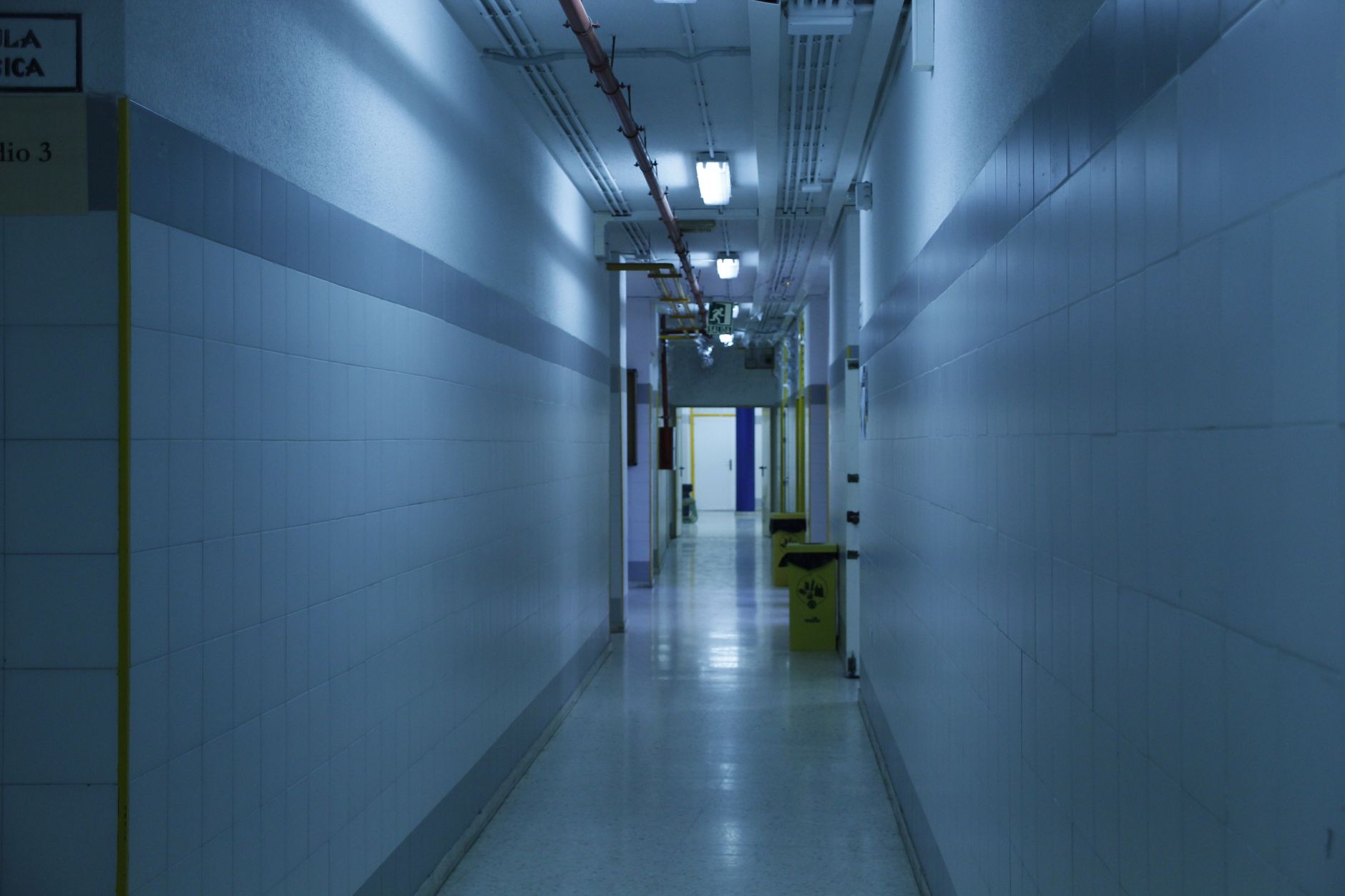
Bioburden that remains after standard cleaning
An endoscopy unit runs on a rhythm of procedures, turnovers and cleaning. Between cases, staff wipe the room down, but high touch surfaces such as handles, switches and equipment faces return to hands all day and can still carry bioburden from one patient to the next. The challenge is rarely a lack of effort. It is the gap between a careful manual clean and what a busy room needs between procedures.
The question this case study follows is whether a fixed, wall mounted UVC device could lower bioburden beyond standard cleaning. Two rooms were set side by side. One stayed on standard cleaning as the control room, and the other was fitted with two wall mounted autonomous UVC devices. Both were measured over four weeks against the same set of surfaces.
- Ten high touch surfaces tracked in each room
- One endoscopy room on standard cleaning as the control
- One room fitted with two wall mounted autonomous UVC devices
- Four weeks of measurement
Two fixed devices, one control room, four weeks of measurement
The deployment was built around fixed placement rather than floor travel. Two AI enabled UVC devices were mounted on the walls of the treated room, so they covered the space without an operator moving them from spot to spot. The control room kept its standard cleaning routine throughout, which gave a fair baseline to read the results against.
Each device inactivated pathogens in 20 to 60 seconds from 6 to 8 feet away. That range matters for room layout, because it sets how far a device can sit from the surfaces it treats. Measurements were taken at weeks one, two and four, so the team could see how the reduction moved over the month.
- Mount two AI enabled UVC devices on the walls of the treated room
- Keep standard cleaning as the routine in the control room
- Measure bioburden at weeks one, two and four
- Compare each week against the control room
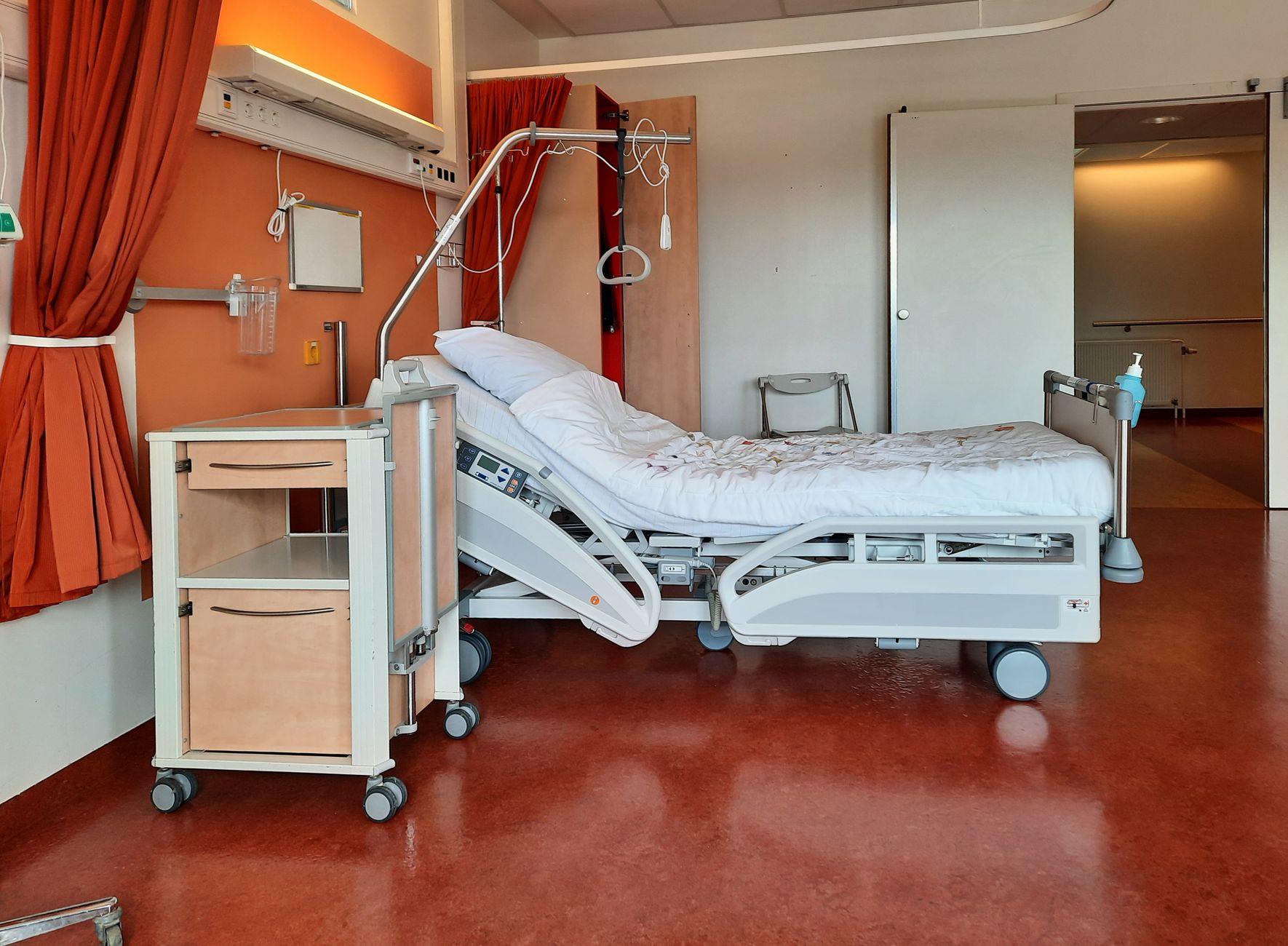
Bioburden fell at every measured point, with a dip at week two
Against the control room, bioburden was 99.7% lower at week one, 84.3% lower at week two and 93.8% lower at week four. Across the full four weeks, cumulative bioburden in the treated room was 93.3% lower than in the control room.
The curve was not a straight climb. The week two reduction of 84.3% sat below both week one and week four, so the effect moved from week to week rather than rising steadily. Anyone reading the cumulative 93.3% should keep that variation in view, since it is a figure over the whole measurement window and not a single weekly number.
The scope was one pair of rooms, with ten high touch surfaces tracked in each. Those boundaries define what was measured. A facility weighing a similar unit should read the results with that scope in mind and test against its own room layout and traffic.
What a fixed disinfection unit asks of a facility
This was not a Service Robot Co. deployment, and it is told here as a documented example. The questions it raises are the ones our clients face with any robot, fixed or mobile: where the unit mounts, how it fits the daily workflow, and who keeps it running after the day it goes in.
Service Robot Co. is an OEM neutral integrator for US businesses. We select the right robots across manufacturers, then lease, deploy, integrate, train and service each unit through a nationwide US engineer network, with one vendor for the whole lifecycle. Our robot leases run on a 3 year term, and the lease is quoted after a site assessment, so layout questions get answered on the floor before any terms are set.
A facility weighing a fixed disinfection unit should start with the same conversation: map the room, train staff on the equipment and agree on service before go live.
Frequently asked questions
Want a robot working for you?
Tell us the job and the site. We will recommend the robot, quote the lease, and keep it serviced.