
two large acute-care hospitals in China with busy multi-floor inpatient logistics
How Two Acute-Care Hospitals Cut 100+ Daily Supply Round Trips With AMRs
Two hospitals automated medicine and sterile supply runs with AMRs, cutting 100+ daily round trips on average while easing cross-contamination risk.
- 100+
- Trips cut daily
- 5
- AMRs deployed
- 1
- Hospital pilot unit
- 4
- Fleet at partner site
Based on a documented real-world deployment. Figures are from public reporting; the organization is not named.
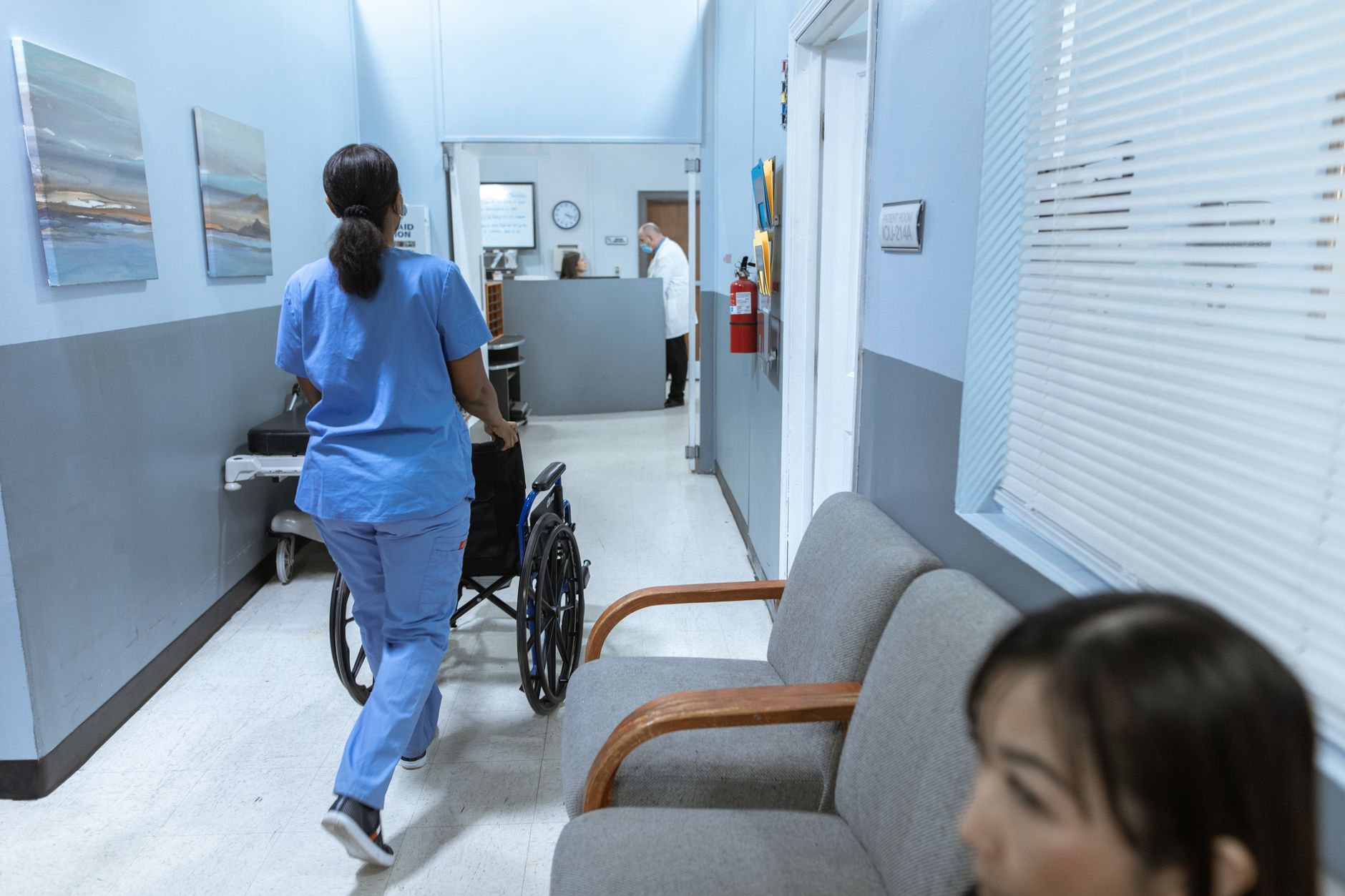
Cart traffic crowded clinical floors
Nurses and support staff at two large acute-care hospitals in China spent large parts of each shift pushing carts for medicines, lab samples, sterile surgical consumables, and other medical materials. Routes crossed busy wards, departments, and elevators, so every delivery tied up staff who could otherwise focus on patient care.
Manual transport also raised consistency and infection-control concerns when sensitive loads moved through public corridors alongside visitors and other clinicians. Leadership wanted logistics that could keep pace without adding headcount or rebuilding the physical plant.
- Hundreds of repetitive non-clinical trips each day
- Multi-floor routes with elevator coordination
- Risk of human error and cross-contamination on manual runs
Closed-loop AMR routes between supply nodes
The hospitals deployed autonomous mobile robots sized for hospital corridors. One site started with a single unit that navigated floors, wards, and departments and used elevators without escorts, while a partner hospital scaled to four robots on complementary loops.
The robots linked storage and clinical endpoints into a closed-loop transportation process that complemented existing logistics rather than replacing every conveyor or pneumatic tube. Powered safety sensors let units operate in dense pedestrian traffic without fixed guides or magnetic tape.
- Autonomous navigation in live hospital traffic
- Elevator integration for multi-floor deliveries
- Fleet coordination across separate inpatient sites
More than 100 daily round trips removed
After rollout, the robot fleet averaged more than one hundred fewer supply round trips per day across the two hospitals. Staff no longer walked the same cart loops for routine medicines and sterile consumables, which freed time for bedside work and patient-facing tasks.
Hospital leaders also cited lower cross-contamination exposure because robots rather than multiple handoffs moved sensitive material on predictable routes. Operations teams reported smoother back-office support even as patient volumes stayed high.

What US hospitals can take from the pattern
Service Robot Co. helps US health systems evaluate hospital delivery AMRs the same way these sites did: start with the trips that are heavy, repetitive, and low clinical value, then expand once elevators, docks, and nurse stations are mapped.
You can buy or lease through financing, deploy with on-site integration, and keep service under RoboCare with a nationwide engineer network. Vendor-neutral selection matters because pharmacy, linen, and lab workflows rarely share one robot form factor.