
a major third-party logistics warehouse handling heavy pet food cartons
Pet Food Warehouse AMRs Raise Pick Rate 50% and Cut Overtime 75%
How a third-party logistics site used cart-towing AMRs in a 40,000 sq ft pick zone to lift units per hour from 65 to 98 while slashing overtime.
- 50%
- Productivity
- 75%
- Less overtime
- 98 UPH
- Pick rate
- 12 AMRs
- Fleet size
Based on a documented real-world deployment. Figures are from public reporting; the organization is not named.
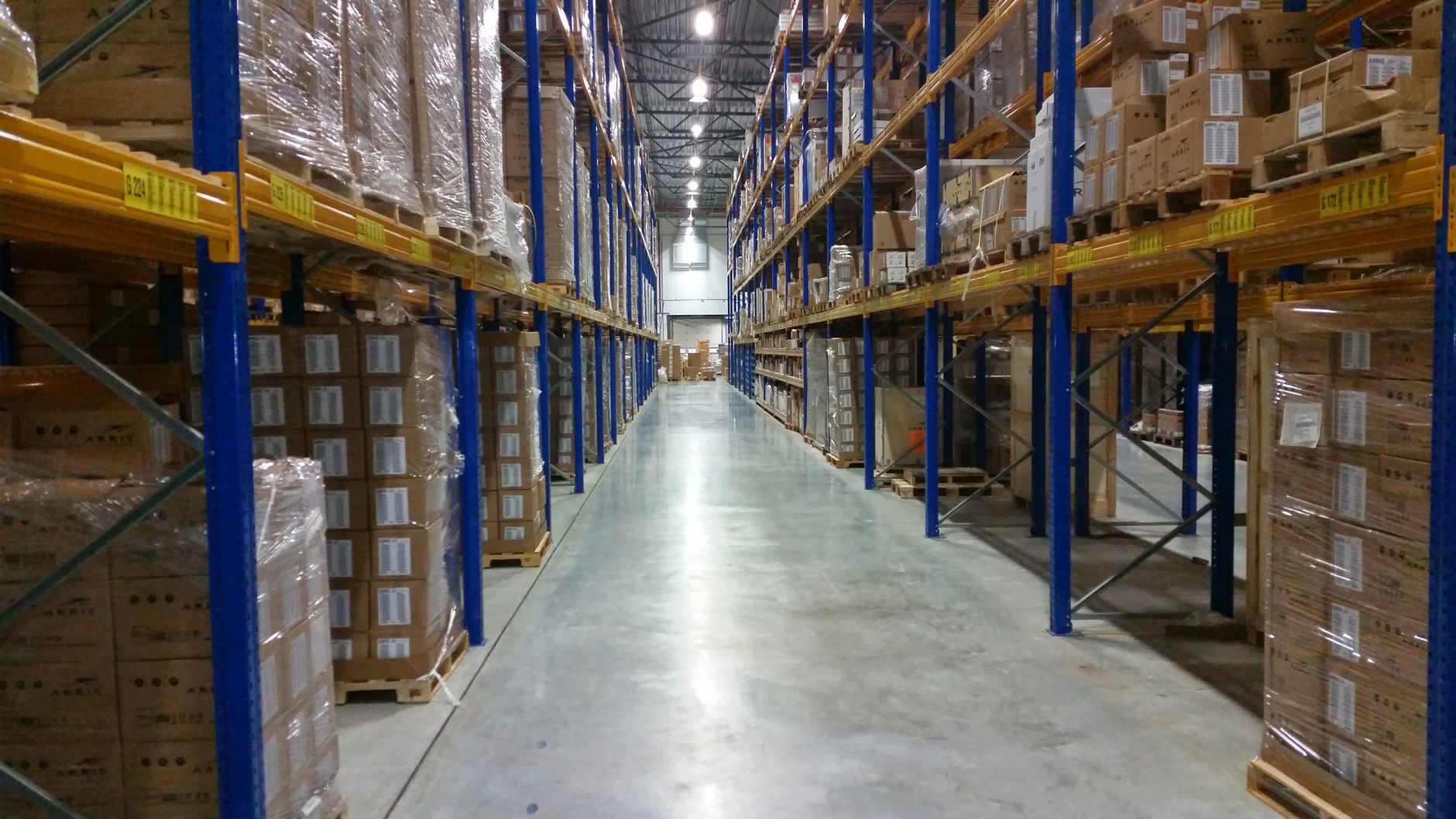
Heavy carts slowed picks
A major third-party logistics warehouse handling heavy pet food cartons needed faster order fulfillment without pushing teammates through long cart pushes. Cartons could weigh up to two hundred pounds, so building and moving pick carts consumed overhead that should have gone to picking and packing.
Leadership wanted to refocus labor on customer KPIs while reducing injury risk from manual travel.
- Manual cart pushes through a dense pick area
- Overtime spikes when volume jumped
- Ergonomics risk on heavy pet-food cases
Cart-towing AMRs across the pick floor
Operations integrated a dozen autonomous mobile robots with cart interfaces across roughly forty thousand square feet of picking area. The units attach to carts so teammates pick to the robot instead of walking loaded carts across the building.
Training stayed short and dashboards gave supervisors real-time throughput views for labor planning.
- Map pick paths and cart handoff points
- Deploy twelve AMRs in the active pick zone
- Shift teammates to pick-and-pack while robots handle travel
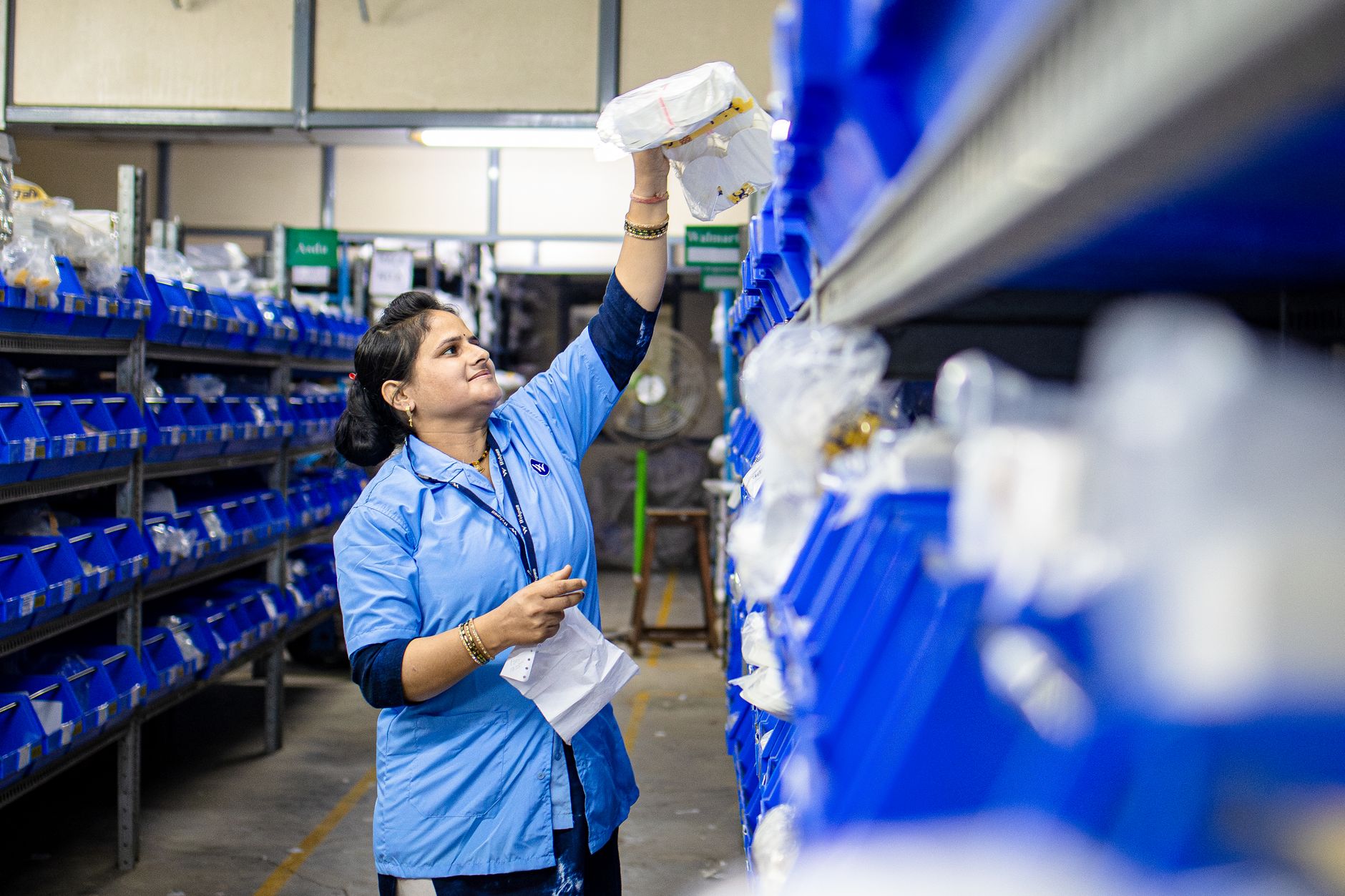
Measured throughput and overtime gains
The operation reported about a fifty percent productivity increase after go-live. Operations leaders cited pick rates moving from about sixty-five units per hour to ninety-eight units per hour in the published results.
Overtime dropped about seventy-five percent as robots absorbed travel while accuracy and engagement metrics improved on the floor.
What US operators can take from this pattern
This is a documented logistics deployment analyzed as an industry example, not a Service Robot Co. project. It shows how an OEM-neutral integrator can size cart-towing AMRs when your bottleneck is travel, not pick skill.
Finance, deploy, integrate, and service the fleet under one partner so WMS handoffs and spare coverage do not land on your warehouse manager alone.