
The short answer
An autonomous forklift makes sense at an appliance distribution center when the work is repeat pallet moves between receiving, storage and staging on fixed routes, especially on night shifts that are hard to staff. A forklift operator still wins for clamp handling of appliances, irregular trailer loading, damaged loads and exceptions that need judgment. For most sites the practical answer is a robot plus fewer people on the floor, never a robot in place of the whole crew.
Key takeaways
- An autonomous forklift fits repeat pallet moves on fixed routes, mostly on nights, not every task in the building.
- A forklift operator still handles appliance clamp work, irregular trailers, damaged loads and exceptions.
- Government data show forklift hiring is mostly replacement hiring, with training usually finished in under a month.
- The sensible model is a robot plus fewer people on the floor, never zero staff.
- Measure your own pallet moves and night vacancies first, then get a lease quote after a site assessment.
Autonomous forklift vs forklift operator: which fits an appliance distribution center?
An autonomous forklift fits an appliance distribution center when the job is repeatable pallet movement: bringing pallets from the dock to storage, pulling them back out, and staging them for outbound trucks, on routes that stay mostly the same from shift to shift. A forklift operator is still the better choice where loads change every few minutes, where appliance clamp handling or damaged goods need judgment, and where trailer loading and unloading is irregular. In practice the most common answer is a mixed setup, with the robot covering steady moves on nights and a smaller crew handling everything else.
A robot makes less sense when the building is mostly one-off moves, when aisles and staging areas change weekly, or when the floor cannot give the vehicle a clear, marked path. It also makes less sense when the staffing problem is short term, because a robot needs mapping, integration and a training period before it earns its place. Treat the decision as a route question first and a labor question second.
What does a forklift operator actually do in a shift at an appliance DC?
A forklift operator at an appliance distribution center does far more than move pallets from one point to another. The shift starts with a pre-use check of the truck, then the operator picks up work from a supervisor or the warehouse system. Most of the day is a loop: take a pallet from receiving or an incoming trailer, put it in a storage position or a lane, then pull product from storage to a staging lane for a truck that is waiting. Appliance freight adds handling on top of that, since large units often need clamp attachments, careful placement and protection from scuffs and dents.
Operators also handle exceptions that never appear in a route plan. A pallet is wrapped badly, a load is leaning, a dock door is blocked, an outbound truck is loaded in the wrong order, or a pallet has to be broken down and rebuilt. The operator reports damage, moves people out of the way and keeps the lane clear for others. Those judgment calls are why the person is hard to replace, and why the job cannot be measured only in pallets per hour.
Which pallet moves can an autonomous forklift take over?
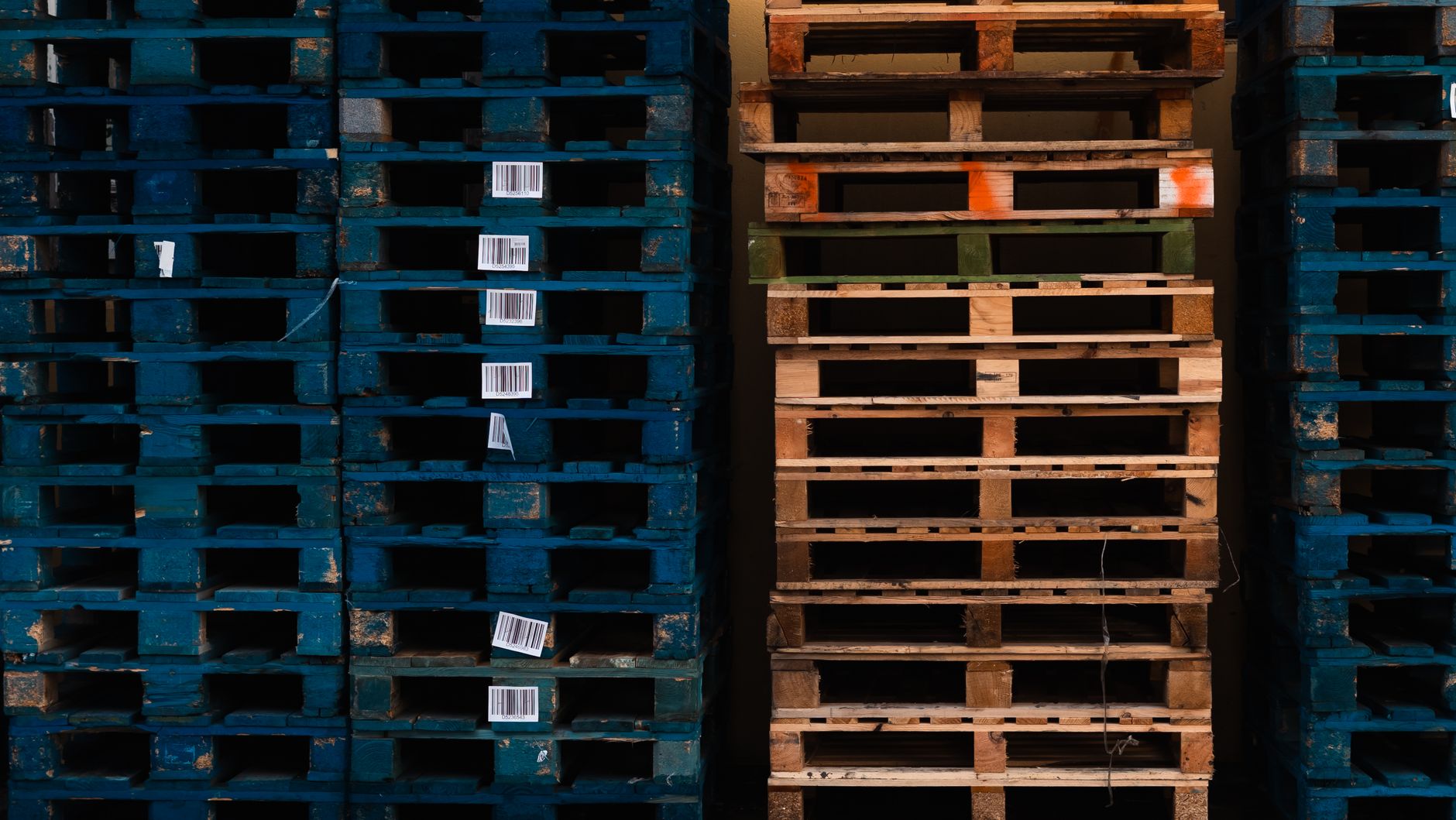
The strongest candidates are repeat moves with standard pallets on predictable paths: receiving staging to storage racks, storage back to outbound staging, and replenishment runs from a reserve area to a pick area. These moves follow the same path many times a shift, and they are where time gets lost when an operator waits for the next task or drives back empty. A robot can be given a fixed set of stops and a schedule that runs through the night, when the building is quieter and the crew is smaller.
A good fit usually means consistent aisle widths, marked lanes, known pallet types and a warehouse system that can release tasks to the vehicle. Staging lanes that hold pallets in predictable positions are especially useful, because the vehicle needs a place where it can set a load down reliably. The fewer surprises on the route, the more useful the vehicle is, which is why site mapping is the first step in any serious study.
Which forklift jobs stay with a person?

At most appliance sites, these jobs should stay with a trained person unless the vehicle and attachment were specifically validated for them:
The useful test is what happens when a route is wrong. If a person can stop, resolve the problem and restart the planned moves, a robot can run the steady work while the crew covers exceptions. If the process stops until someone arrives, the site either needs more people on the night shift or a narrower robot scope.
- Clamp handling of appliances and other unusually shaped or fragile loads.
- Trailer loading and unloading where the dock plate, trailer position and freight mix change every time.
- Damaged, leaning or poorly wrapped pallets that need a judgment call before they move.
- Mixed-pallet builds for outbound trucks, where stacking order depends on the customer.
- Blocked lanes, spills and other conditions where someone has to decide whether a path is safe.
What do the labor and hours numbers say about forklift staffing?
Government data on forklift work is broad and not specific to appliance distribution. The Bureau of Labor Statistics estimated 792,500 industrial truck and tractor operators in 2024, inside a broader group of 867,700 material moving machine operators, according to its Occupational Outlook Handbook. The same source projects 1 percent growth from 2024 to 2034, which is slower than the average for all occupations, and about 83,200 openings a year, mostly from replacement needs rather than new positions. Replacement hiring, not growth, is what keeps forklift crews busy with recruiting.
Training is short. The same handbook says most of these workers are trained on the job, usually in less than a month. That makes turnover costly in supervised time rather than in credentials, since a new hire needs weeks of close watch before handling a busy lane alone.
Turnover is harder to pin down for this exact job. The Bureau's JOLTS release reports a 2025 annual total separations rate of 3.3 percent for all industries, unchanged from 2024, with 62.8 million total separations. We did not verify a published 2025 rate for transportation, warehousing and utilities, so use the all-industry figure only as background. A vendor-published survey, the 2025 State of Warehouse Labor Report from Instawork, named forklift operators among the hardest roles to staff, alongside pick and pack workers and shift leads. Night coverage and sick days should come from your own timekeeping records, because we did not find a current Bureau figure for warehouse night shifts. A jobs blog citing Bureau data puts average warehouse work near 41 hours a week, but it does not separate day and night shifts.
How safe is forklift work, and does a robot change the risk?
Forklift work carries serious risk, and the injury figures show why route design matters. According to an OSHA Region I directive from FY2018, which is dated and should be checked against current OSHA data before publication, roughly 85 forklift fatalities and 34,900 serious injuries occur a year. The same directive says 42 percent of forklift fatalities involve the operator being crushed when the vehicle tips, which points to load height, turning speed and travel on slopes as the hazards to design around.
A Johns Hopkins publication citing Bureau estimates puts the figure at about 100 workers fatally injured a year in powered industrial vehicle incidents. We did not open the Bureau original for that number, so treat it as secondary. Removing routine trips from the floor reduces the number of people exposed to forklift traffic, but a robot adds its own hazards, including people walking into its path. Pedestrian separation, marked lanes and clear stop zones belong in the design from the first day.
How does a team work with a robot in place of some forklift hours?
Think of the robot as a second shift for the steady moves, not a replacement for the whole crew. A typical arrangement keeps one or more trained people on the floor for clamp work, trailer loading, damage checks and exceptions, while the autonomous vehicles run planned pallet loops through the night. Staff roles shift toward supervision, exception handling and vehicle monitoring. We never recommend zero staff on the floor, because someone has to answer alerts, clear the path and handle what the route cannot.
Setup changes how the crew spends its time. Supervisors need to release tasks correctly, check for blocked paths at shift start and log every stop. Operators who know the building well become the people who fix route problems, and that skill takes some training. Plan a run-in period where the robot works the moves while a person watches closely, then widen its scope as the stop rate falls.
- Night coverage
Autonomous Forklift
Runs planned pallet moves through the shift without breaks, once the task list is loaded
Forklift Operator
Needs breaks, relief and cover for absences, which is hard on a thin night crew
- Exception handling
Autonomous Forklift
Stops and alerts a person; cannot judge a leaning or damaged load
Forklift Operator
Makes judgment calls on damage, wrap quality and load order
- Appliance clamp work
Autonomous Forklift
Limited to the loads and attachments the vehicle was validated for
Forklift Operator
Trained operators handle clamps, fragile units and tight placement
- Route consistency
Autonomous Forklift
Follows the same path every time, with no fatigue on a long shift
Forklift Operator
Consistent with training, but fatigue and distraction show up late in a long shift
- Staffing and onboarding
Autonomous Forklift
Reduces the number of people needed for repeat moves on nights
Forklift Operator
New hires need weeks of supervised work, and hard-to-fill shifts can go unstaffed
- Changes to layout
Autonomous Forklift
Route and stop changes need mapping and task-system updates
Forklift Operator
Adapts within minutes to a new layout or a rush trailer
What should you measure before deciding on an autonomous forklift?
Measure before you lease. The point of the study is to find out how much of the night work is repeat moves on stable routes, and how much needs a person's judgment. A sample of several shifts is more useful than one estimate from the supervisor.
Pay attention to the vacancies and absences that drive the decision, and to the variation in your dock and trailer work. Those two numbers decide whether the robot covers a real gap or a rare problem.
How do you get started with autonomous forklift leasing?
Start with a free site assessment. We map the building, record pallet moves by route and shift, and identify which loads and dock conditions the vehicle can and cannot handle. A fixed robot lease payment is quoted after that assessment through lease financing, so the number depends on your routes and scope rather than on a figure published here. Most sites start with one unit on the busiest night route, run it beside the existing crew for an agreed period, then widen the scope based on results.
Deployment and integration follow. We connect the vehicle to the warehouse task system, set routes and stops, train the people who will supervise and fix exceptions, and support go-live. After that, service runs through on-site dispatch and remote triage, with spare unit coverage so one fault does not shut the night lane. A pilot lets your team check the numbers on your own floor before committing to a larger program.
Frequently asked questions
Want an autonomous forklift at your appliance distribution center?
Tell us about your site. We will recommend the robot, quote the lease, and keep it serviced.
Sources
- BLS Occupational Outlook Handbook, Material Moving Machine Operators
- BLS JOLTS release
- Instawork 2025 State of Warehouse Labor Report
- OSHA Region I directive on powered industrial trucks, FY2018
- Johns Hopkins publication on forklift and powered industrial vehicle injuries
- Schneider Jobs blog on warehouse work hours