
The short answer
For an autonomous mobile robot vs material handler in Los Angeles, the route decides it: a robot makes sense when the same loads move between fixed points many times a shift, through aisles that can be mapped. A material handler still fits better when the work is irregular, the loads are heavy or mixed, or one person must load trailers, check goods and solve problems as they arise. Most sites end up with a mix, with a robot on repeat routes and people on exceptions, not a robot in place of the whole crew.
Key takeaways
- A robot fits repeated moves on fixed, mapped routes, while irregular or mixed work stays with people.
- A Q3 2025 Greater Los Angeles industrial report counts 207,000 transportation and warehousing jobs in Los Angeles County, flat year over year.
- Secondary reporting of BLS data gives 4.5 injuries per 100 full-time workers for the sector in 2023.
- Plan a robot plus fewer staff, never zero staff, and start with one leased unit on one route.
- The lease quote follows a free site assessment, so measure your own hours and absence records first.
Autonomous mobile robot vs material handler in Los Angeles: which fits?
The answer depends on the route more than the job title. An autonomous mobile robot fits a Los Angeles site where the same loads move between the same points many times a shift, the aisles are clear enough to map, and the work runs on hours that are hard to staff. A material handler still fits better when the work changes from day to day, the loads are heavy or oddly shaped, or the same person has to unload trailers, check goods and resolve problems on the spot.
The comparison is rarely all or nothing. In most Los Angeles facilities the outcome is a mix: a robot takes the repeat moves on fixed routes while people keep receiving, exception handling and loading. That mix also protects coverage when a shift is short, because the robot keeps moving while staff handle what it cannot.
Decide in this order: route data first, then labor and injury data, then cost. A robot that runs a steady route is a strong candidate even when the labor picture looks mild, because those moves still take time and carry strain. A robot is a poor fit for a route that changes every week.
What does a material handler actually do in a Los Angeles shift?
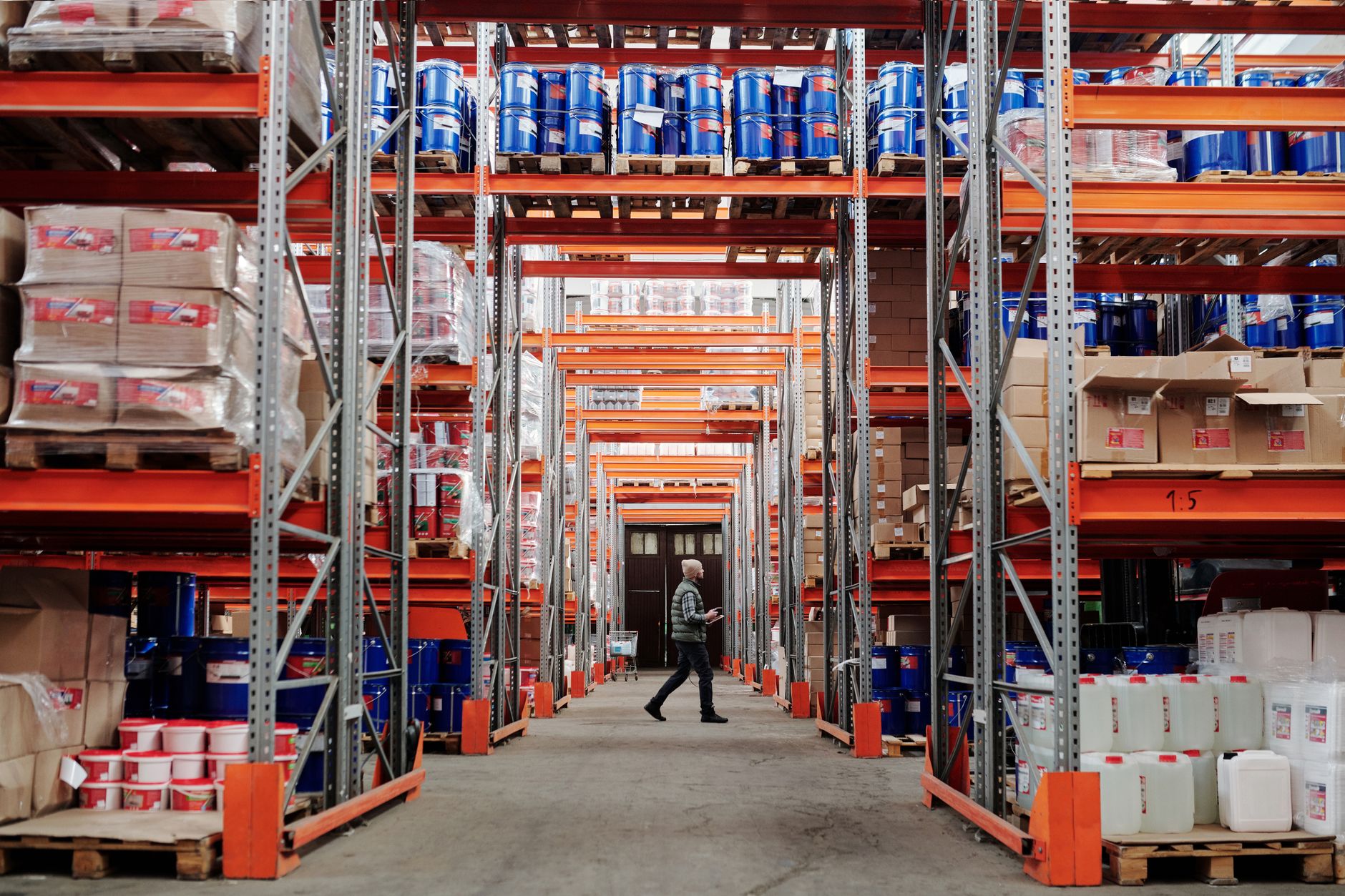
A material handler in a Los Angeles warehouse or distribution center moves goods between receiving, storage, picking, staging and shipping. The work is mostly walking, pushing or pulling carts and pallet jacks, lifting cases and totes, breaking down and rebuilding pallets, and replenishing pick locations. Much of the travel repeats the same path, which is why this job is a common candidate for automation.
Public data does not give a reliable breakdown of hours by task inside a Los Angeles building. The government wage data on this page covers the local wage for this job, but it does not show how much of a shift goes to transport versus other work. You will need to measure that on your own floor, using a few shifts of direct observation and your own pick and move records.
Scale matters too. According to the Bureau of Labor Statistics Occupational Outlook Handbook, hand laborers and material movers as a group held about 6.9 million jobs in 2025, with projected growth of 4% from 2023 to 2033, about average for all occupations. The job is large and steady nationally, so the real question for your site is fit and staffing, not whether the work will still exist.
Median hourly wage, Laborers and Freight, Stock, and Material Movers, Hand
$4,411
Monthly cost of one full-time worker in Los Angeles, CA, at the median wage plus payroll costs (an estimate, not a quote).
- Repeat moves on a fixed route
Autonomous Mobile Robot
Runs the same path all shift and logs each move
Material Handler
Can do it, but travel and fatigue add up over a long shift
- Trailer unloading
Autonomous Mobile Robot
Not a good fit for irregular or mixed freight
Material Handler
Handles mixed freight and makes judgment calls
- Night shift coverage
Autonomous Mobile Robot
Runs during a short shift if scheduled and monitored
Material Handler
Depends on staffing, call-outs and sick days
- Exceptions and damaged goods
Autonomous Mobile Robot
Stops and flags the case for a person
Material Handler
Decides what to do on the spot
- New or changed layouts
Autonomous Mobile Robot
Needs map updates and testing before it runs
Material Handler
Adapts quickly once shown the change
- Consistency late in a shift
Autonomous Mobile Robot
Same route and speed at the end of the shift
Material Handler
Pace and care can vary as the shift wears on
Which parts of the work can a robot take, and which can it not?
A robot does best on repetitive point to point moves along mapped routes: carrying totes or carts from receiving to staging, bringing replenishment from storage to a pick zone, returning empty containers to a return point, and moving a steady flow of pallets between two fixed docks. These moves share a start, an end and a predictable path, which is the pattern that mapped navigation handles well.
A robot cannot carry the whole job. It is not a good fit for unloading irregular trailers, sorting mixed freight, reconciling paperwork or building pallets that need judgment about weight and stability. Several conditions also stop it in practice, and a site assessment should check each one.
The practical split is to give the robot the moves that are the same every time and keep people on the moves that vary. Walk the floor with the person who does the work before you assume a task can be automated, because the handler usually knows which aisle floods and which dock door sticks.
- Unloading or loading trailers with mixed or irregular freight
- Stacking pallets that need judgment about weight and stability
- Moving loads above the rated capacity of the chosen unit
- Working in aisles that are often blocked or rearranged without notice
- Opening doors, reaching racks or using equipment the robot is not integrated with
- Resolving exceptions such as damaged goods, wrong counts or missing labels
How much labor is there in Los Angeles warehousing?
According to a Q3 2025 industrial report for Greater Los Angeles, published by a commercial real estate firm, Los Angeles County had 207,000 transportation and warehousing jobs, flat year over year and up 6.1% over five years. That category is broader than warehousing alone, so treat it as the size of the wider labor pool rather than a count of material handlers.
Federal Reserve Bank of St. Louis data, which draws on BLS figures, shows warehousing and storage employment in the Los Angeles-Long Beach-Glendale metro at 22.2 thousand in 2023, 21.5 thousand in 2024 and 20.5 thousand in 2025. These figures are not seasonally adjusted, and the metro is larger than the county, so read them as a trend in one narrow category. The two-year decline is the point to note.
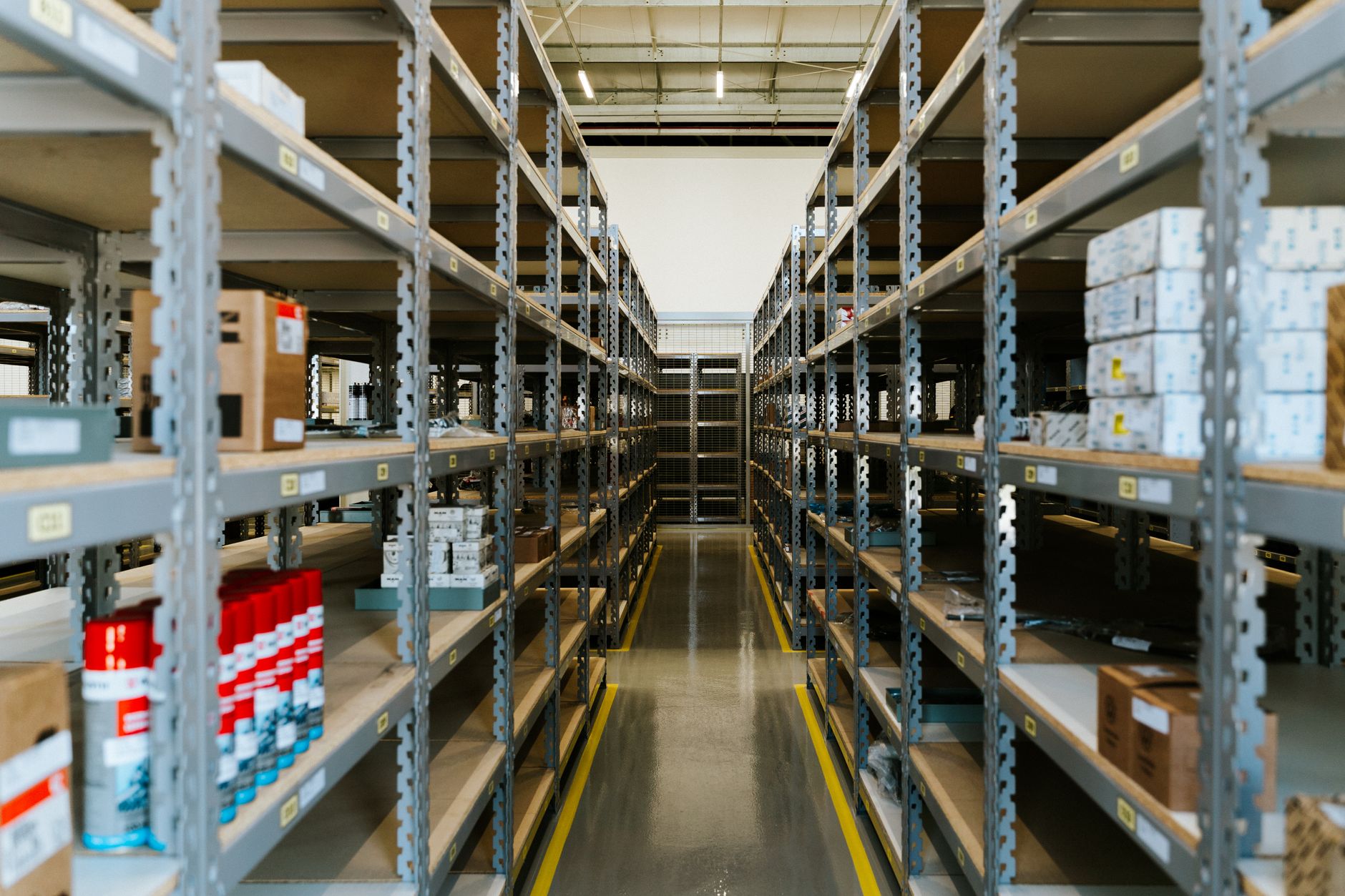
The region's footprint is large. A 2018 study by the Southern California Association of Governments counted about 34,000 warehouses and 1.17 billion square feet of warehouse space across the region. The study is older, but it shows that a single building's staffing sits inside a labor market where many facilities draw on the same workers.
What do injury rates and turnover tell you about hours at risk?
According to a logistics trade publication, citing Bureau of Labor Statistics data for 2023, transportation and warehousing recorded 4.5 injuries per 100 full-time workers, the highest of the 19 industries in that comparison. That is secondary reporting that we have not checked against the BLS table, and we could not load a verified 2024 sector rate. Use it as a direction, not a benchmark for your site.
Turnover is the number most managers ask for, and it is the hardest to source. Several widely repeated warehouse turnover rates trace back to secondary articles with no government table behind them, so we do not use them. A 2025 vendor-reported survey of 600 fulfillment center managers found that 52% ranked finding reliable, quality labor as their top challenge. That is a management view, not a turnover count.
Overtime, sick days and night shift absence vary by building, and we did not find a verified public figure for Los Angeles that would stand in for them. Pull your own payroll and attendance records for the last twelve months. Those records show how many hours a robot must cover before a lease makes sense.
How does a team work with a robot?
The model we recommend is a robot plus fewer staff, never zero staff. The robot takes the repeat moves, which lets a site keep those moves running when a shift is short, while people handle receiving, exceptions, loading and checks. A site that tries to run with no one on the floor usually finds that the first unusual load stops the line.
Staff change roles rather than disappearing. Handlers learn to clear blockages, reload carriers, read the robot's status and resolve the cases it flags. Training is part of deployment, so the people who work beside the robot know how it stops and restarts, when its charging happens, and what to do when it pauses.
On a night shift the change shows up in the timeline below. The robot starts with a route check, runs its scheduled moves and logs each one, while people spend more of the shift on work that needs judgment.
Where does a robot fall short?
A robot is not a fit for every route, and an honest site assessment will say so. Floors need to be reasonably level and clean, doors and lifts need a path the system can use, and the network must reach every area the robot travels. A site with frequent layout changes has to update the map each time, which costs time and can weaken the case for the robot.
The market is more cautious than it was. A robotics market analyst cut its 2025 mobile robot outlook in mid-2025 and trimmed its five-year growth forecast from 26% to 21%, citing tariffs, construction costs and policy uncertainty. The same analyst estimated a 3% decline in warehouse automation orders in 2024, with fulfillment investment expected to return. A slower market is a reason to start small, not a reason to skip the analysis.
Occupation data is not uniform either. The BLS group projection of 4% growth for 2023 to 2033 is a national average, and local conditions in a single building can differ from it. Use national projections for context only, and build your decision on your own route and attendance data.
How do you decide between a robot and a material handler?
Work through this checklist before you request a quote. Each item changes the answer. A site that scores well on most of them is a good candidate for a pilot, and a site that scores poorly on the first two should keep its people on the work.
Once the checklist is done, set the results beside the government wage data on this page and your own payroll records. The comparison should be built on hours covered and strain avoided, not on one headline number, and it should be repeated after the pilot runs for a full season of your own data.
How do you get started with a robot lease in Los Angeles?
Start with a free site assessment. We are a US commercial robot integrator. We pick the robot that fits the site, lease it through financing, deploy and integrate it, train your staff, and service it nationwide. The fixed robot lease payment is quoted after the assessment, once we know the route, the load, the floor and the shift coverage you need.
A practical first step is a pilot with one unit on one route, measured against the hours and injury data you pulled. If the route performs, phase in more units and ask whether spare unit coverage is part of the plan, so one failure does not stop the work. A phased start also gives your handlers time to learn the system before it runs a full shift.
Ask for the service terms in writing before you sign. Confirm dispatch, response times, emergency replacement and what the lease covers, including who answers the phone at 3 am when a unit stops in the middle of a run.
Frequently asked questions
Put a robot to work in Los Angeles.
We walk your site, learn the job, and recommend the unit that fits. Then we quote the lease, deploy it, and keep it serviced.
Sources
- US Bureau of Labor Statistics, Occupational Employment and Wage Statistics (OEWS May 2024)
- Greater Los Angeles industrial figures, Q3 2025
- Federal Reserve Bank of St. Louis warehousing and storage employment series, Los Angeles metro
- Southern California Association of Governments 2018 industrial warehousing study
- Logistics trade publication injury rates report, citing BLS 2023 data
- Bureau of Labor Statistics Occupational Outlook Handbook, hand laborers and material movers
- Mid-2025 mobile robot market outlook report
- 2025 fulfillment workforce survey, vendor-reported