
The short answer
In Knoxville, an autonomous mobile robot makes sense when a material handler spends much of each shift repeating the same moves along fixed routes, and it does not make sense when the work is irregular or the layout changes often. For most sites, the autonomous mobile robot vs material handler in Knoxville decision ends as a split: the robot takes the repeat runs, and people keep the exceptions, the loading and the judgment calls. Either way, the robot is added to a team, not used to replace one.
Key takeaways
- Repeat moves on fixed routes are where a robot earns its place.
- Irregular loads and frequent layout changes keep the work with people.
- According to BLS, transportation and material moving reached 9.7 percent of Knoxville area employment in the May 2025 data.
- Warehousing injury rates make handling risk a real line item in the decision.
- Plan for a robot plus staff, never zero staff, and get the lease quote after a free site assessment.
Autonomous mobile robot vs material handler in Knoxville: which one fits?
The honest split is simple. A robot is strong on repetition and weak on variety, and a material handler is the reverse. A robot makes sense when the same type of move happens many times each shift between the same stations, such as receiving to staging, staging to a packing line, or a dock to a cold room. A material handler is the better choice when every trip is unlike the last, when a person has to check each load, or when the route changes from week to week.
Knoxville is a useful place to test the question. According to the Bureau of Labor Statistics, transportation and material moving occupations made up 9.7 percent of Knoxville area employment in the May 2025 data, up from 9.5 percent in the May 2023 data. The government wage data on this page shows the local wage for the handler role, so you can set that beside any lease quote before you decide.
The rest of this page covers the tasks, the labor picture, the risks, and what a fair test looks like before you commit to anything.
When does an autonomous mobile robot make sense in Knoxville, and when does it not?
A robot fits when the route is predictable. Look for a fixed set of stations, a floor that stays clear enough to map, and volumes steady enough that the robot is working for most of the hours it is on shift. The payoff comes from covering the repeat runs in a shift, not from replacing a whole department in one step.
A robot does not fit when the load mix changes hour to hour, when racking or dock layouts change every few weeks, or when most moves need a lift or a forklift. It also rarely earns its place when volume is so small that a manual cart already covers the work with spare time left over. Be wary of any plan that assumes a clean floor and a fixed layout without checking both on site.
Two local figures frame the labor side. FRED, using BLS metro data that is not seasonally adjusted, shows transportation, warehousing and utilities employment in the Knoxville metro at 22.6 thousand in January 2026 and 23.0 thousand in December 2025. It also shows trade, transportation and utilities at 93.1 thousand in December 2025. The month-to-month move is small enough that seasonality could explain it, so treat these numbers as context for the labor pool rather than a trend.
Two outside sources give the wider picture. According to Material Handling 247, a January 2025 Peerless Research Group survey of supply chain professionals drew 217 respondents directly involved with robotic automation. An ABI Research forecast, which is not a survey and comes from an older release, projected over 4 million commercial robots installed in over 50,000 warehouses by 2025. Use both to judge direction, not to count how many sites like yours have already moved.
Median hourly wage, Laborers and Freight, Stock, and Material Movers, Hand
$4,186
Monthly cost of one full-time worker in Knoxville, TN, at the median wage plus payroll costs (an estimate, not a quote).
- Repeat runs on fixed routes
Autonomous Mobile Robot
Strong, same path every trip
Material Handler
Good, but pace and attention drop over long repeat shifts
- Night and quiet-period runs
Autonomous Mobile Robot
Runs when the floor is clear, without a person on each route
Material Handler
Works well, but each night shift needs a person on it
- Unusual or damaged loads
Autonomous Mobile Robot
Cannot judge condition
Material Handler
Checks, flags and handles it
- Lifting and truck loading
Autonomous Mobile Robot
Cannot load or unload trucks
Material Handler
Does it, with the right equipment
- Changing routes or layout
Autonomous Mobile Robot
Needs remapping when the layout changes
Material Handler
Adapts on the spot
- Sick days and absence
Autonomous Mobile Robot
Keeps its schedule but needs maintenance windows
Material Handler
Absence leaves a gap someone must fill
What does a material handler actually do in a shift?
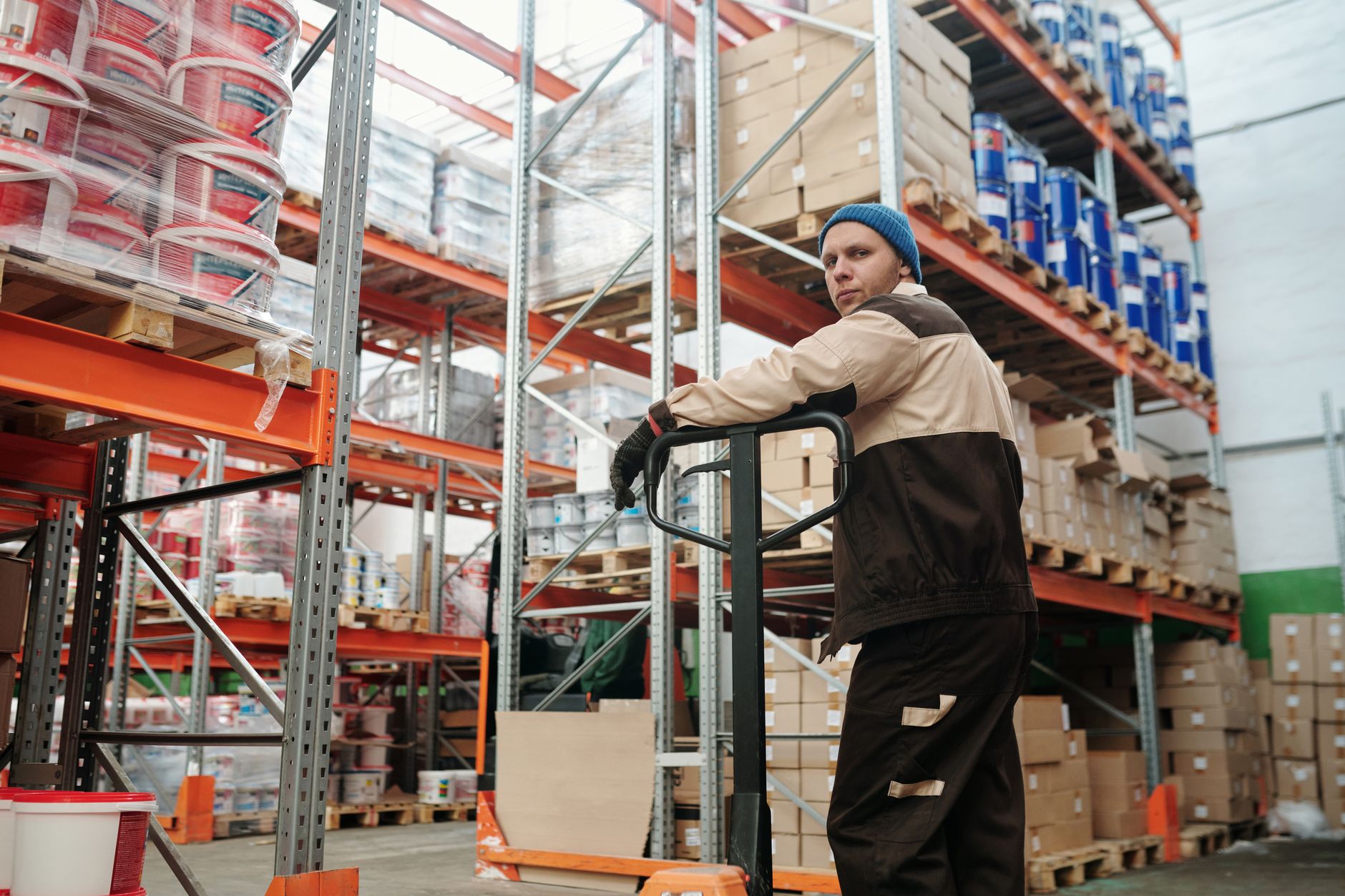
A material handler's shift is rarely one job. The core is moving product between receiving, storage, staging and the line or dock, usually with a pallet jack, hand cart, tugger or forklift depending on the site. Much of the work is short trips: pulling an order, bringing empties back, restocking a pick face, and squaring a staged load so the next person can use it.
Handlers also do work that is hard to write into a job description. They spot a damaged carton, flag a short shipment, move a load that does not fit the usual route, and cover a gap when a colleague calls out. That judgment is why a handler stays necessary even on a site where most repeat moves are automated.
We did not find a verified breakdown of hours per shift for this job in the Knoxville metro, so this page describes the tasks rather than timing them. A site walk with a stopwatch, or a short task log kept by the shift lead over a couple of weeks, gives you the real split. That log will tell you more than any published average.
Which parts of the job can a robot take, and which can it not?
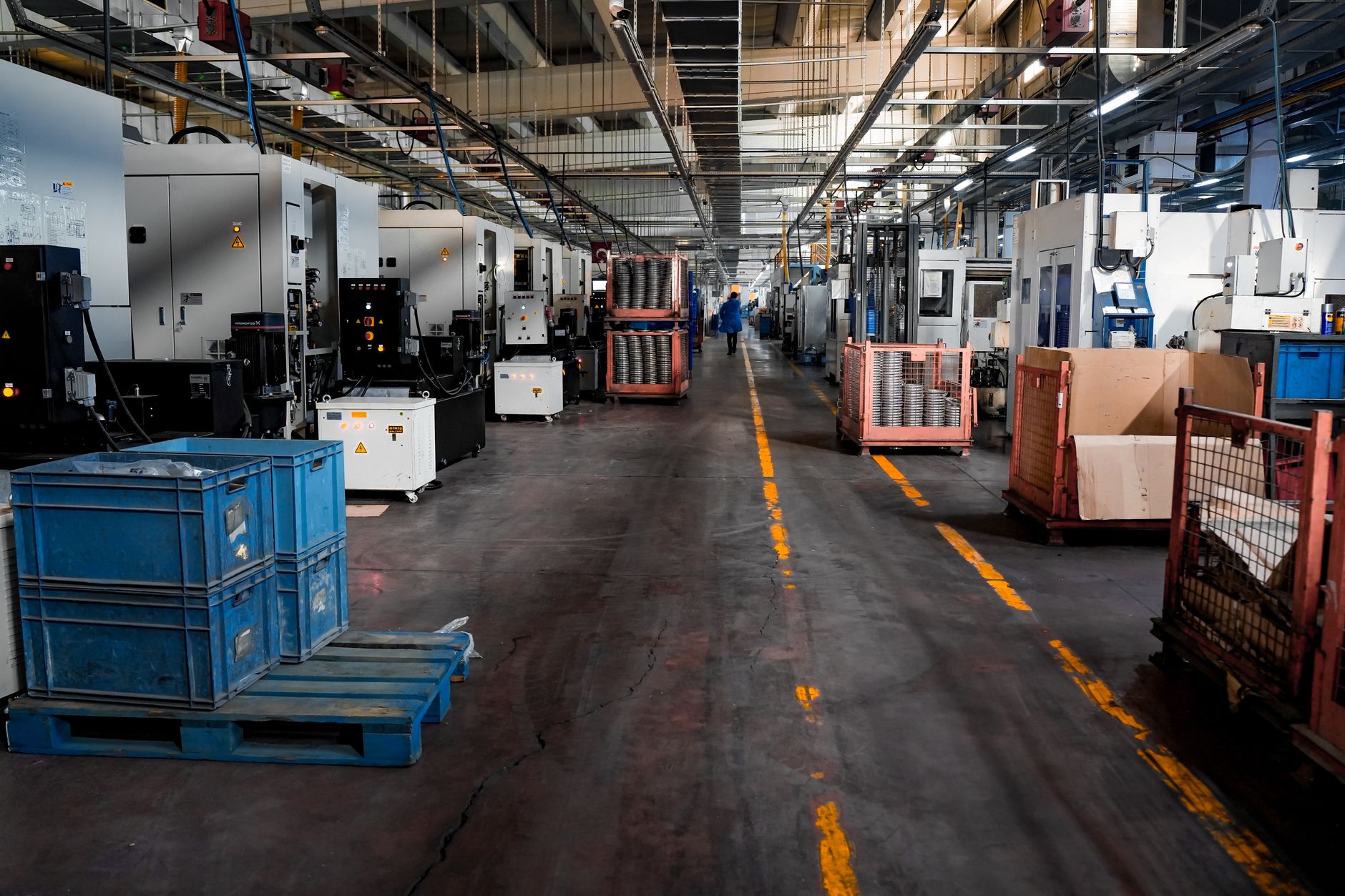
A robot suits the repeat transport part of the shift: moving totes or pallets between fixed points on a mapped route, returning empties to staging, and making runs during quiet periods when the floor is clear. These moves are predictable, and the robot runs them the same way on the fortieth trip as on the first.
A robot cannot load or unload a truck, lift stock from high racks, or judge the condition of a load. It also cannot decide which of two urgent jobs comes first, clear a jam, or work out why a pallet is not where the system says it is. Those tasks stay with people, and they often take the most attention.
Plan by splitting the shift into what repeats and what varies. Put the repeat runs on the robot, keep the variable work with the people you retain, and check that the split leaves handlers with steady work rather than scattered leftovers. A robot that takes the easy runs but leaves the team with fragmented tasks can make the shift feel harder.
What do the labor numbers say about hours, turnover and staffing?
The most useful local labor figure is the size of the production workforce. According to the Bureau of Labor Statistics, Knoxville area production jobs numbered 31,480 in the May 2025 data, or 7.4 percent of local employment, against a 5.5 percent national share. A larger share of production work means more of the local labor market is in roles like this one, which matters when you recruit handlers.
Office and administrative support is still the largest group in the Knoxville release at 12.8 percent, so material moving is one slice of a varied local job market. The same BLS release puts transportation and material moving at 9.7 percent, up from 9.5 percent two years earlier.
We could not verify up to date turnover, overtime, night-shift share or sick-day rates for this job in the Knoxville metro. A widely repeated warehouse turnover figure circulates online, but we could not confirm the original table behind it, so we leave it out. Your own records will serve you better than any national number: overtime hours, open requisitions, time to fill, and absence logs for the past year.
How does a team work with a robot without dropping to zero staff?
The workable pattern is a robot plus fewer people, never zero people. The robot takes repeat runs during the busiest stretches, while staff handle loading, exceptions, path clearing and anything off the route. Fewer handlers means each one covers more of the variable work, so the team needs clear roles, not just a smaller headcount.
Three roles matter in practice. A lead assigns exceptions and watches the robot's queue. A floor person keeps mapped paths clear of pallets, carts and spills. A handler covers off-route loads and takes over when a unit is down. Train each role before go-live, not after the first problem.
We pick the robot for the site, lease it through financing, deploy and integrate it, train the staff, and service it nationwide. A free site assessment comes before any lease quote, so the fixed lease payment reflects your routes, volumes and shift pattern. Training is part of deployment, because a team that cannot hand off an exception will erase much of what the robot gains.
What can an autonomous mobile robot not do?
A robot cannot fix a poor layout. If aisles are blocked, pallets sit in travel lanes, or the floor is uneven or wet, the robot slows or stops, and staff end up doing more work, not less. Mapping and path problems are a common source of disappointing results, so the site assessment checks them first.
It also cannot judge product condition, decide how to handle an unexpected blockage, or reorder priorities mid-shift. It needs power, charging windows, reliable connectivity where it operates, and a maintenance schedule. Running unattended does not mean running without anyone responsible for it.
A robot is not a substitute for supervision. Someone still reviews the queue, handles exceptions, and decides when a unit comes out of service. Set that expectation at the start, because a robot that is assumed to run itself will disappoint.
What do injury and incident rates say about this work?
Handling work carries real injury risk. According to the Bureau of Labor Statistics, warehousing and storage recorded a total recordable injury and illness rate of 4.8 per 100 full-time workers in 2024, a DART rate of 4.1, and days-away cases at 1.5 per 100. Those figures cover the whole subsector rather than handler roles alone, so they set context, not a site benchmark.
The same BLS profile lists 32 fatalities in 2024, up from 28 in 2023. BLS notes a series break from 2023 data because of the NAICS 2022 reclassification, so read the year-to-year change with care. The total is still a reminder that moving equipment and people share the floor, and that risk needs a plan.
A robot will not remove the injury picture on its own. It can take some repeated walking and carrying out of the shift, but staff still need training on how to work around a moving unit. Put safety rules, marked travel lanes and a clear stop procedure into the deployment plan from the first day.
How do you get started with a robot in Knoxville?
Start with the route, not the robot. Write down the repeat moves in one shift, the stations they connect, the floor condition, and the hours when work peaks. Then take an honest look at the labor side: overtime, open requisitions and absence logs for handler roles.
Next, book a free site assessment. We map the floor, check paths, charging and connectivity needs, and pick the robot that fits the site. The lease is quoted after that assessment, through financing, so the fixed lease payment reflects your real routes. Ask for the quote in writing with its assumptions listed.
Deployment and integration follow: we install and integrate the unit, train staff on lead, floor and handler roles, and stay on for go-live support. We service leased robots nationwide, so a site outside the Knoxville area gets the same process. A sensible first step is one leased unit on one route, with a set review date and a decision on more units based on the data it produces.
Frequently asked questions
Put a robot to work in Knoxville.
We walk your site, learn the job, and recommend the unit that fits. Then we quote the lease, deploy it, and keep it serviced.
Sources
- US Bureau of Labor Statistics, Occupational Employment and Wage Statistics (OEWS May 2024)
- Bureau of Labor Statistics, Knoxville occupational employment and wages, May 2025 data
- Bureau of Labor Statistics, Knoxville occupational employment and wages, May 2023 data
- FRED, transportation, warehousing and utilities employment, Knoxville metro
- FRED, trade, transportation and utilities employment, Knoxville metro
- Bureau of Labor Statistics, injuries, illnesses and fatalities profile for warehousing and storage
- Material Handling 247, warehouse robotics adoption trends 2025
- ABI Research, press release on commercial robots in warehouses