
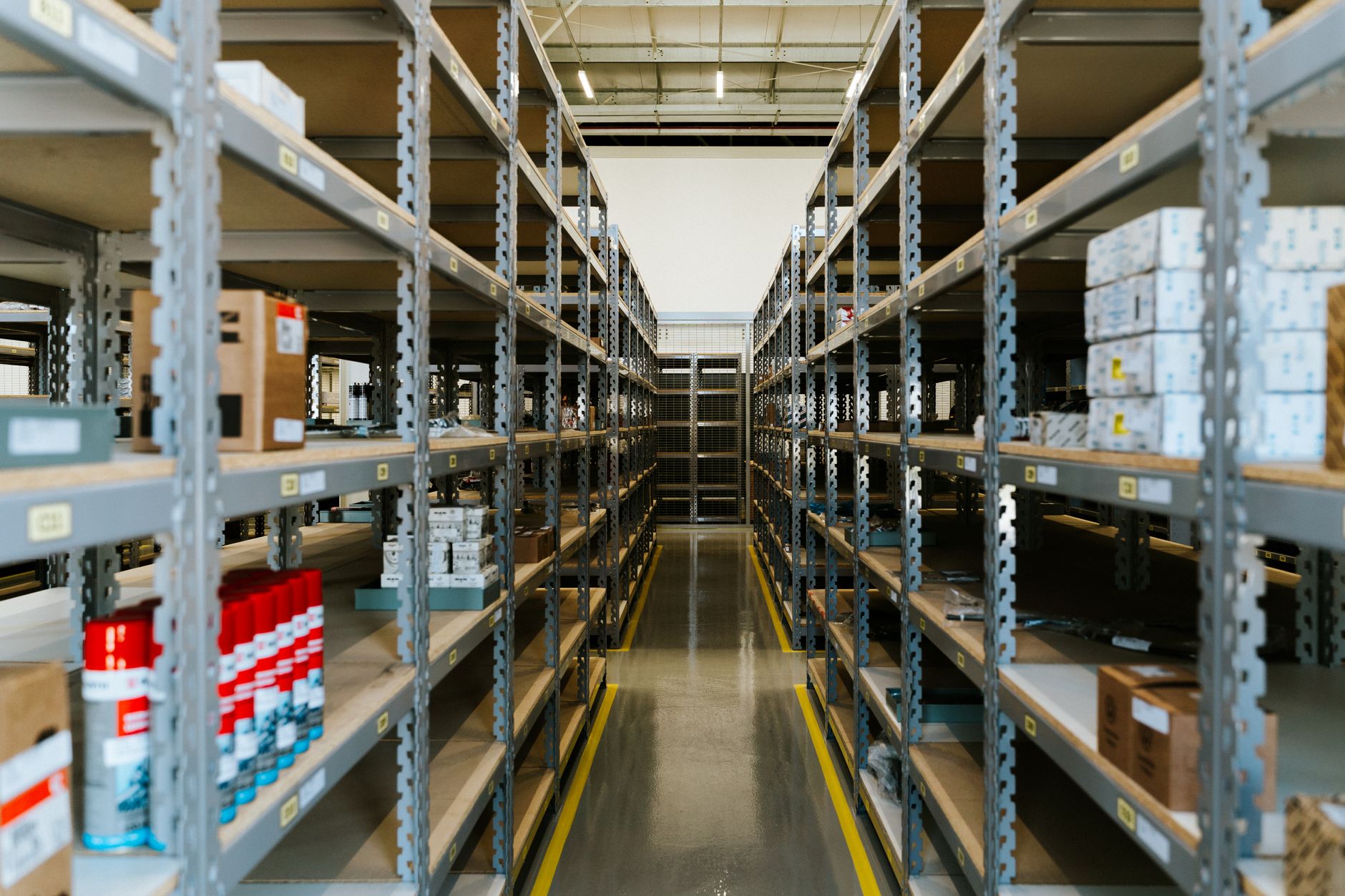
The short answer
For an autonomous mobile robot vs material handler in Madison, WI, the robot makes sense when transport work repeats on a route that stays mapped, such as runs between a dock, storage and a staging lane. It does not fit when most of the shift is hand unloading, mixed picking or unplanned work on a floor that changes often. In most sites the answer is a robot working beside the people already on the team, not a robot in place of them.
Key takeaways
- An autonomous mobile robot fits when the transport legs repeat on a mapped path, and a person still handles the rest of the shift.
- Your own hours by shift, overtime and absence records will decide the case, because published Madison figures for this job were not found.
- National injury data shows this job carries real strain, and a robot reduces only the repeated carries, not the lifting at the dock.
- The government wage data on this page gives the local wage for this job, which frames the labor side of the comparison.
- Start with a free site assessment and one leased unit, with the lease quoted after the assessment is complete.
Autonomous mobile robot vs material handler in Madison: which fits?
If you run a site in Madison, WI and you are weighing an autonomous mobile robot vs material handler in Madison, the honest starting point is the route. A material handler's shift is mostly moving things along paths: from receiving to storage, from storage to a pick area, and from a pick area to a staging lane. Where those paths repeat and stay mapped, a robot can carry the repeatable part of that work. Where the job depends on judgment, on handling odd loads, or on a floor that changes every day, a person is still the better fit.
Madison is the core of the Madison metro, which the Bureau of Labor Statistics defines as Columbia, Dane, Green and Iowa counties. In the BLS Madison release, office and administrative support was the largest occupation group at 11.8 percent of metro employment, with sales and related and food preparation and serving each at 8.2 percent. The release does not break out laborers or material movers, so those top-line shares say little about warehouse labor specifically.
The government wage data on this page gives the local wage for this job, which is the Laborers and Freight, Stock, and Material Movers, Hand occupation from the May 2024 survey. We did not find a Madison employment count for this occupation in the research behind this page, so any staffing ratio here should be measured on your own floor rather than borrowed from a regional number.
What does a material handler actually do in a shift?
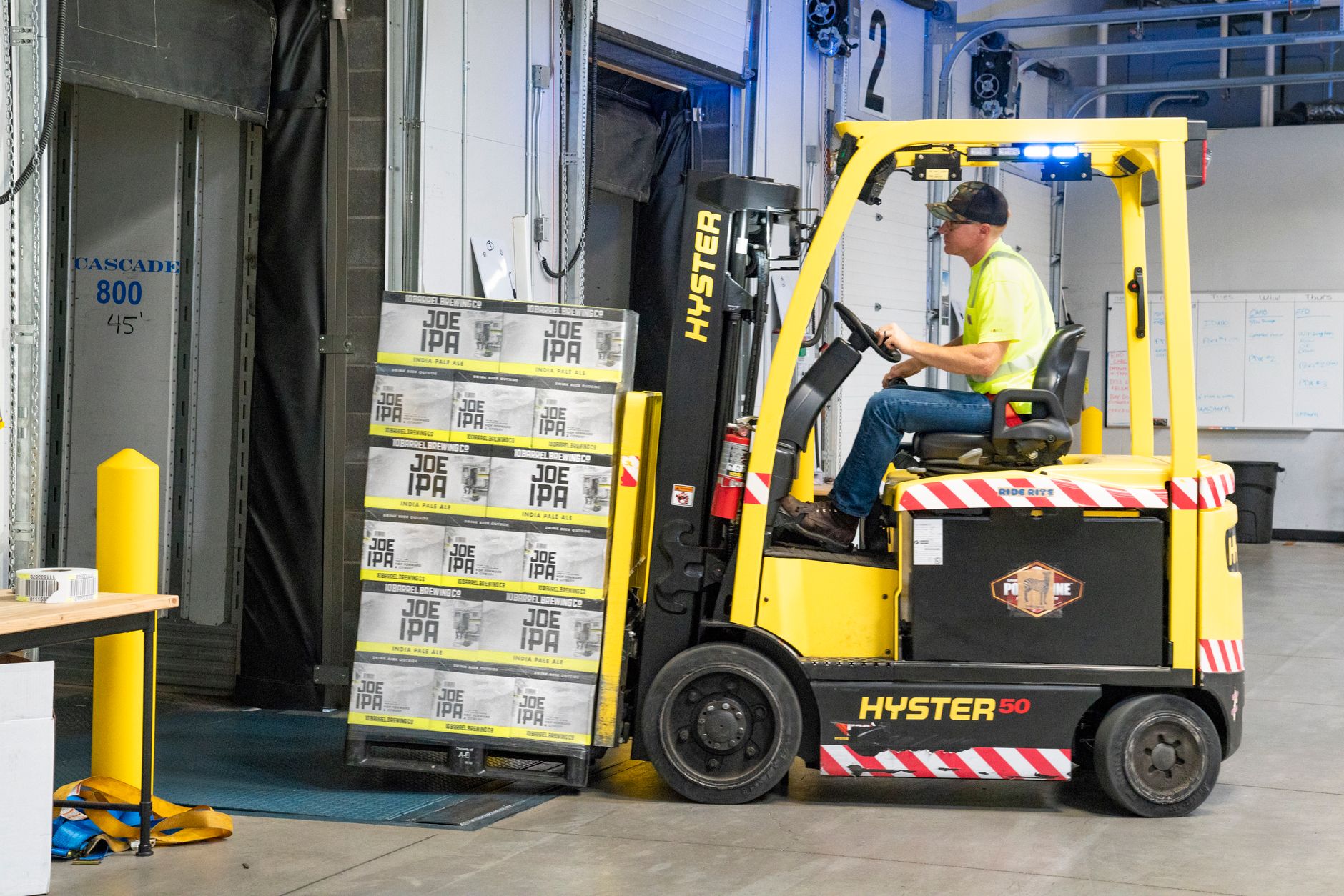
A material handler does a mix of tasks that rarely arrive in a neat order. The work covers unloading inbound freight, moving totes and pallets by hand or with a cart, restocking shelves, staging orders for outbound loads, and clearing packaging and debris from the lanes. The Occupational Outlook Handbook describes the physical side plainly: moving heavy objects around warehouses or onto trucks, or bending while cleaning a vehicle, can cause sprains, strains and overexertion.
Much of a shift is walking, waiting and re-routing, not lifting. A handler who carries a load from receiving to the staging lane, walks back empty, and then gets pulled to sign for a delivery or cover a gap elsewhere has spent the shift in small pieces. Those pieces rarely show up on a schedule, and they are the part worth timing at your site. A mapped robot route can take the repeated transport leg out of the handler's day, but it does not remove the rest of the duties.
The work also differs by shift. On many sites the day crew carries most of the inbound flow and answers questions from the floor, while the night crew runs restocking and staging with fewer people around. That is why the first question is not which person a robot replaces. The first question is which shift has the most repeated legs that run the same way every time.
Median hourly wage, Laborers and Freight, Stock, and Material Movers, Hand
$4,696
Monthly cost of one full-time worker in Madison, WI, at the median wage plus payroll costs (an estimate, not a quote).
Which parts of the job can a robot take, and which can't it?
A mobile robot takes the repeatable transport legs: a fixed run from a dock to a staging lane, a restock route through the same aisles, or a tote run between two zones that stay where they are. These are the moves where the path is known and the load is predictable. Once the route is mapped and the stops are fixed, the robot repeats the same trip at the same speed and does not stop to walk back for something it forgot.
Several parts of the job stay with people. Hand unloading of mixed freight, loads that do not fit the robot's platform, picking from shelves where an item needs a human eye, and any task that involves a door, a lift gate or the bed of a truck are usually not the robot's job. The list below is a practical check to run on your own routes before you assume a robot can take a leg.
- Fixed run from dock to staging on a mapped path: a good fit when the path stays clear all shift.
- Restock runs through the same aisles on a set schedule: a good fit when aisles are cleared before the run.
- Hand unloading of mixed freight from trailers: stays with people.
- Picking mixed items from shelves by sight: stays with people.
- Oversized, irregular or heavy loads that need a lift gate: stays with people.
- Repeated run on a mapped path
Autonomous Mobile Robot
Runs the same leg at the same speed every time once the route is set.
Material Handler
Can adapt the route on the fly, but gets slower and less steady as the shift wears on.
- Night coverage
Autonomous Mobile Robot
Can run a mapped overnight route without a break, provided someone is on call for stops.
Material Handler
Needs breaks, shift coverage and time off, and a short night crew leaves gaps.
- Unplanned work and exceptions
Autonomous Mobile Robot
Stops and reports when a route is blocked or a load is wrong.
Material Handler
Judges the situation, reroutes work and decides what matters first.
- Hand unloading of mixed freight
Autonomous Mobile Robot
Cannot do it in most sites.
Material Handler
Does it, including lifting, bending and sorting by sight.
- Picking from mixed shelves
Autonomous Mobile Robot
Limited to the item types and layouts it is set up for.
Material Handler
Handles varied items and can work around damage or substitutions.
- Repeated carries and strain
Autonomous Mobile Robot
Takes the repeated carry off the person's route.
Material Handler
Still needs training and equipment for the lifts that remain.
What do the hours and labor numbers look like for this job?
The honest limit comes first. The published sources behind this page did not give turnover, overtime, night shift or sick day figures for laborers and material movers in the Madison metro. Those numbers sit in your own payroll and timekeeping records, and they are the numbers that decide the case. Pull twelve months of hours by shift, overtime hours and absence days before you put a value on any robot.
The national picture shows scale and churn. The Occupational Outlook Handbook counts 6,950,000 hand laborers and material movers in 2024, and it projects 4 percent growth for 2024 to 2034, which it describes as an employment change of 258,400. It also gives an average of about 1,059,000 openings a year over the decade. That openings figure says how often this job is hired across the country. It says nothing about your own turnover.
Shift level hours are the number that matters, and they vary a lot from one site to the next. A night crew that is one person short on the dock is a different problem from a day team that is covered but worn out. For each transport task, list the hours per shift it takes and the share a mapped route would cover. The schedule below is illustrative, not measured data, and it shows one way a mapped overnight route can run.
How risky is this job for the people doing it?
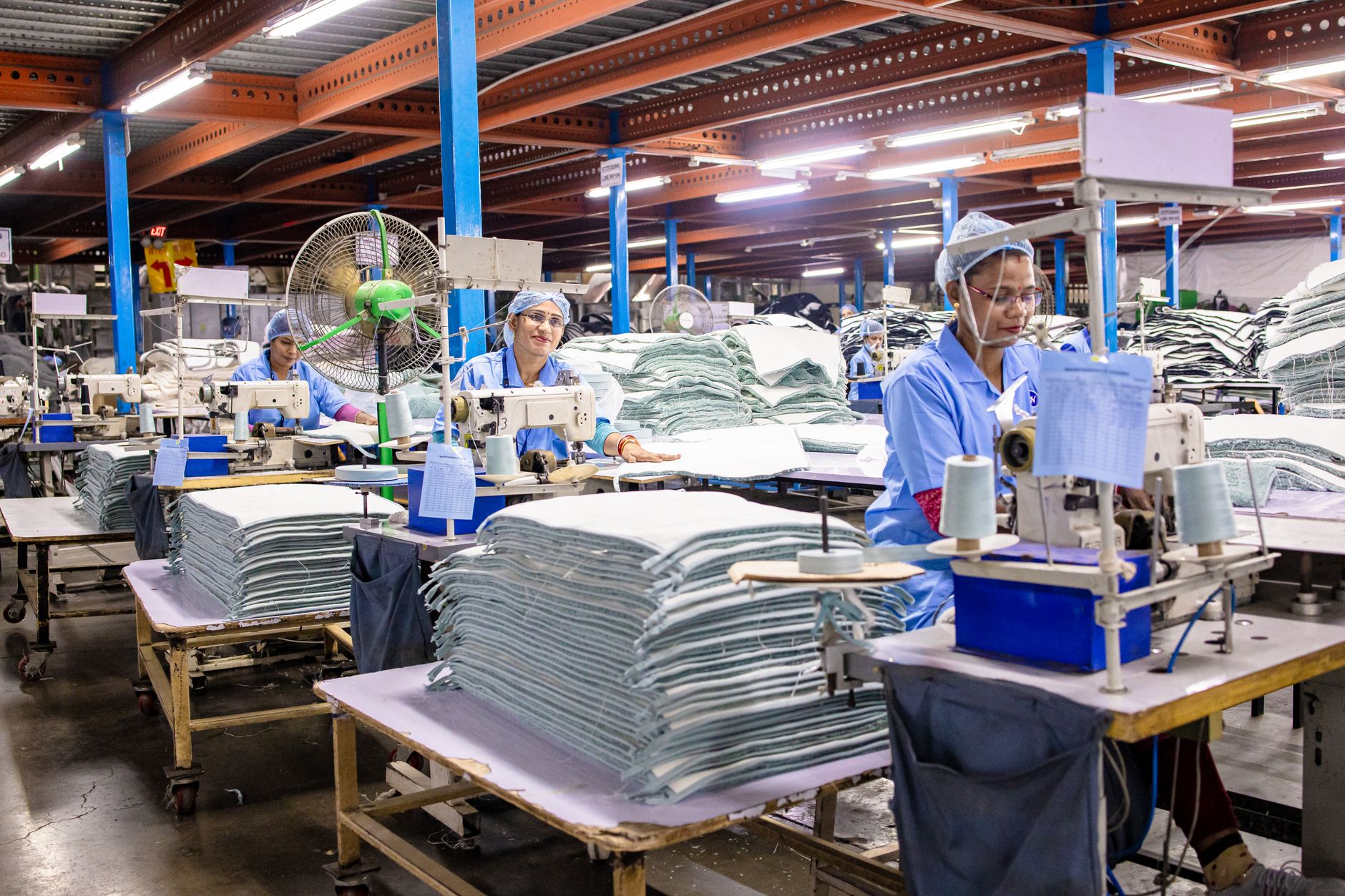
Injury data is the strongest public signal for this job. In the Census of Fatal Occupational Injuries, transportation and material moving recorded 1,391 fatalities in 2024, a rate of 12.5 per 100,000 full-time equivalent workers, down from 13.6 in 2023. That is a group-level rate, not a figure for laborers alone, so use it as direction for the job rather than a forecast for your site.
Nonfatal injuries are the larger everyday cost. A California Department of Industrial Relations table of Survey of Occupational Injuries and Illnesses data reported a nonfatal rate of 233.3 per 10,000 full-time workers for private industry transportation and material moving from 2023 to 2024. A trade news summary of BLS data reported 835,040 nonfatal cases with days away, job transfer or restriction in this group for 2021 and 2022, the highest count among major occupation groups. The national 2024 nonfatal rate was not found, so the California rate is a state figure and should be labeled that way.
The handbook also says this group has some of the highest injury and illness rates of all occupations. A robot that removes repeated carries from a route can reduce the number of trips a person makes with a load. It does not remove the lift at the dock, and it does not replace the lifting and bending training a person still needs.
What are other sites doing with mobile robots?
Adoption is growing, but the surveys do not all ask the same question. A 2025 warehouse and distribution center operations survey, fielded in August 2025 with 101 qualified responses, found that 18 percent of respondents cited autonomous mobile robots and 13 percent cited autonomous forklifts among the materials handling systems they use. Those are shares of survey respondents, not shares of all warehouses.
A warehouse automation survey summarized by a financial news site put current mobile robot use at 39 percent of respondents, with 52 percent planning implementation. That is a summary of a survey, not the primary report, so read it as a direction and not a benchmark. An older study covered by a trade news site reported that 70 percent of companies had never implemented an AMR. That study is older and came from a robotics vendor, so it shows how much room there was earlier, not where adoption stands now.
The practical lesson is that adoption numbers tell you the trend, not the fit. Whether a robot works on your floor depends on the repeated legs, the layout and the staffing plan, and those are the things the site assessment checks.
How does a team work with a robot?
In practice, the robot takes the repeatable leg and people handle everything the robot cannot. The lead handler moves from walking routes to exceptions: a jammed aisle, a load that has to be re-staged, a truck that arrives early or with the wrong paperwork. The people on the floor get fewer repeated carries and more of the decisions that need someone standing there.
The staffing rule is simple: a robot plus the people you already have, never a robot with zero staff. Robots need someone to load them, clear blocked routes, approve exceptions and respond when a run stops. Staff who used to push carts often become the people who manage the route, and that change in role is part of the deployment plan, not an afterthought.
Service Robot Co. is a US commercial robot integrator. We pick the robot for the site, lease it through financing, deploy and integrate it, train the staff who work with it, and service it nationwide, so one partner covers the chain from site assessment to repairs.
What can a robot not do?
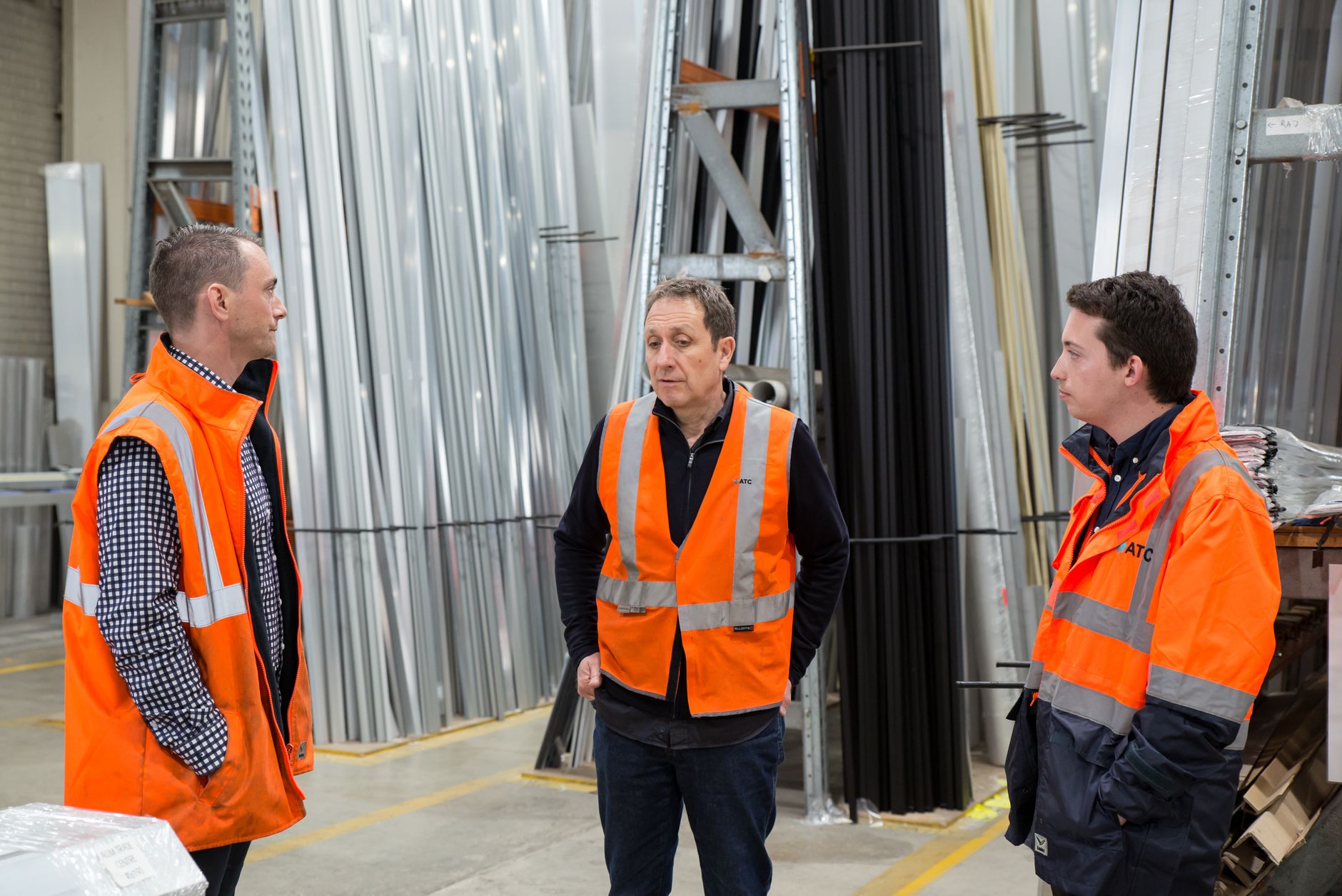
A mobile robot does not work the dock. It does not climb a trailer, lift a mixed load from a truck bed, pick by sight or decide that a pallet is damaged. It cannot judge a shipment that arrives wrong, and it does not replace a lead who knows which order is urgent. If the material handler spends most of the shift on those tasks, a robot will not fix the problem and may add a new one.
The floor matters too. A route needs a clear, mapped path. If aisles are cluttered every afternoon or the layout changes every few weeks, the robot spends time waiting and the people spend time clearing its path. A robot also does not solve a staffing gap by itself. If the night shift is short, the robot can take a route, but someone still has to start it, watch for exceptions and respond when something stops.
Use the checklist below before deciding. Each item changes the answer, and some of them can only be checked with your own records and a walk of the site.
How do you get started with a robot in Madison?
Start with a site assessment. Service Robot Co. maps the route, identifies the legs that repeat, and checks the layout and the loads. The lease is quoted after that assessment, not before, because the route and the number of units set the terms. A practical starting point is one leased unit on one route, so the team learns the workflow before any second unit is added.
Bring your own records to the assessment: hours by shift, overtime hours, absence days and turnover in this job over the last year. Those numbers, together with the mapped route, are what decide whether a robot fits. The government wage data on this page gives the local wage for this job, which is one input to the labor side of the comparison. It does not tell you how many hours your team loses to walking, waiting or re-routing.
Once the robot is live, service is handled nationwide by the same team that deploys it. Ask during the assessment how training, route changes and repairs will be handled for your specific route, and what the staffing plan looks like on each shift.
Frequently asked questions
Put a robot to work in Madison.
We walk your site, learn the job, and recommend the unit that fits. Then we quote the lease, deploy it, and keep it serviced.
Sources
- US Bureau of Labor Statistics, Occupational Employment and Wage Statistics (OEWS May 2024)
- BLS Occupational Outlook Handbook: Hand Laborers and Material Movers
- BLS OEWS Madison metro release, 2024
- BLS Census of Fatal Occupational Injuries, number and rate by occupation
- California DIR, Survey of Occupational Injuries and Illnesses, 2023-2024, transportation and material moving
- Business Insurance, summary of BLS nonfatal injury data
- Peerless Research Group 2025 Warehouse/DC Operations Survey
- UBS Evidence Lab warehouse automation survey, summary
- SDCExec, Vecna Robotics warehouse automation study