
The short answer
The autonomous mobile robot vs parts runner choice at an electronics assembly plant usually turns on route repetition and shift coverage. An autonomous mobile robot makes sense when line-side restock follows a repeatable route from stock to the same assembly stations, especially on second and third shifts when runner coverage thins. A parts runner still wins when kits change often, parts are small or irregular, or the layout shifts, so most plants end up with a robot working beside fewer runners rather than replacing the crew.
Key takeaways
- The robot fits repeatable line-side routes, and the runner fits irregular kits and changing layouts.
- Second and third shift restock gaps are usually where an autonomous mobile robot earns its place first.
- Electronics plants still need people for kitting, exceptions, damage checks, and early warnings.
- Plan for one robot plus fewer runners, with a backup plan for any unit that stops.
- Count repeatable trips from your own station logs before you ask for a lease quote.
Autonomous mobile robot vs parts runner: when does the robot make sense?
The question usually turns on route repetition more than on plant size. A parts runner is flexible. A person can walk to a stock area, read a kit sheet, notice a damaged reel, and ask the line lead what to do next. An autonomous mobile robot does best when the same moves repeat: the same stock area, the same route, the same assembly cells, and the same container at each stop. On a main line with a steady build schedule, that repetition is common, and it is where a robot earns its place.
The robot makes the most sense on lines with predictable kit contents, a stock area close enough to fix the route, and a second or third shift where runner coverage is thin. It makes the least sense in high-mix prototype or engineering areas where the kit list changes often, in plants that rebuild their floor plans regularly, and in cells where most restock is done by hand because nothing is staged in advance. Most electronics plants fall in between, with repeatable main-line restock mixed with irregular rework and engineering requests. In that common case, a robot working beside a smaller runner group tends to work better than either option alone.
Layout matters as much as volume. A plant can have high trip counts and still be a poor fit if aisles are blocked often, if staging points move every week, or if heavy traffic shares the floor without a plan. Those conditions do not rule out a robot, but they change what the site assessment has to fix first. Adoption is rising across industry: according to A3, 10,325 robots were ordered in the fourth quarter of 2025, up from 8,277 in the fourth quarter of 2024, and 7,212 collaborative robots were ordered across 2025. According to IFR coverage of World Robotics 2025, industrial robots installed in 2024 totaled 542,000.
What does a parts runner actually do in an electronics plant shift?
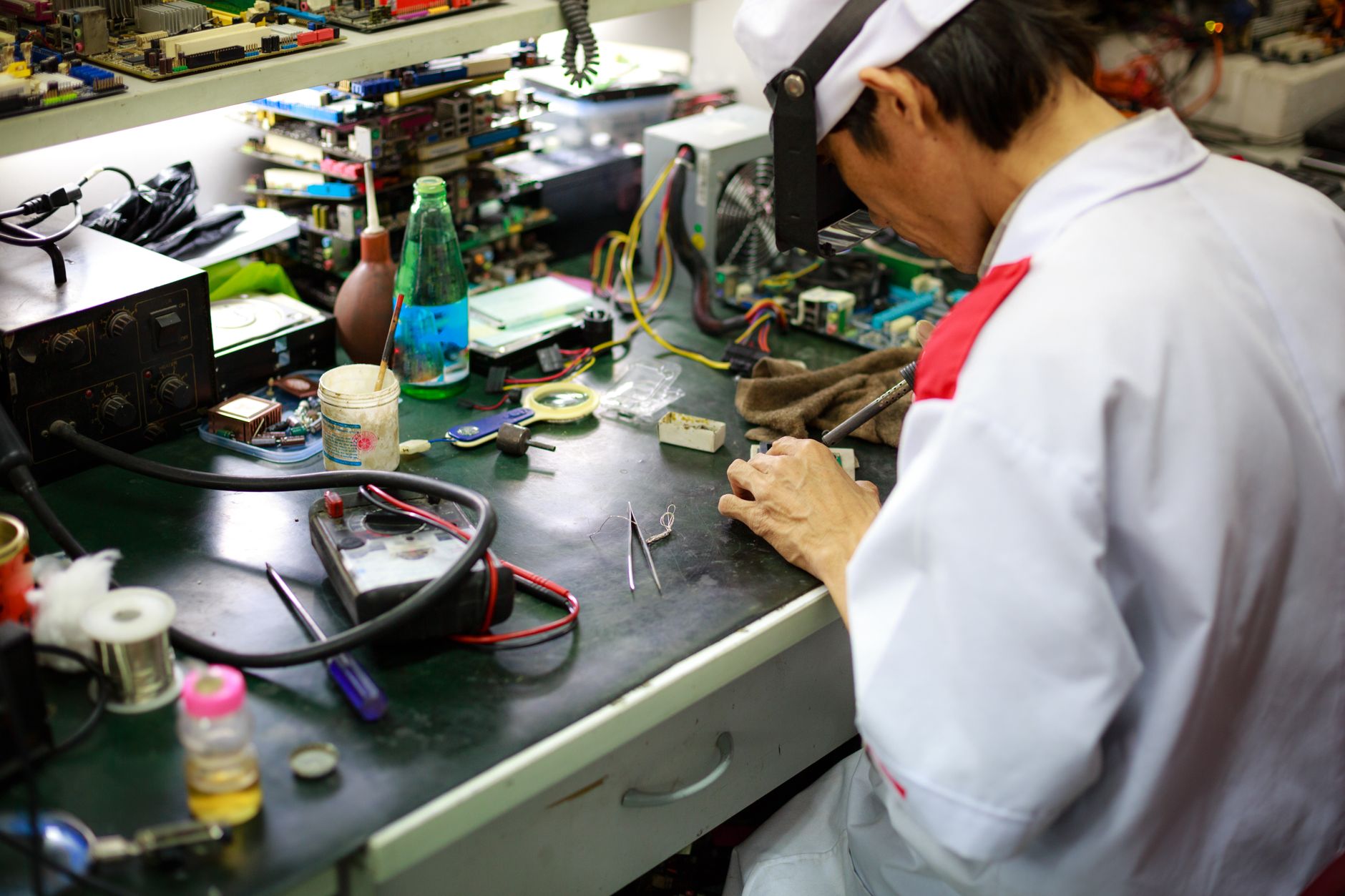
A parts runner pulls components from a stock or kitting area and delivers them to assembly stations before a station runs short. The job depends less on strength than on timing. A runner watches which stations are low, pulls the correct reel, tray, or tote, checks the label against the build sheet, and returns empty containers to the right staging point. Much of the work is short trips with frequent stops, and the job is judged by line stops avoided more than by distance walked.
Runners also cover work that does not fit a route. They flag mislabeled containers, set aside parts that look wrong, call a supervisor when a station is short for reasons the system cannot see, and sometimes restage a cell after a changeover. Those tasks fill the gaps between restock trips, so removing one runner from the rotation affects more than the trip count. It affects who answers when something unplanned happens on the floor.
The shift is uneven. Start of shift tends to bring the first loads and the kit checks for the day. Mid-shift brings changeovers and exception calls. End of shift often means returning empties and handing open items to the next lead. A robot that takes the repeatable part of this loop changes the rhythm of the shift more than it changes the total work.
Which parts can an autonomous mobile robot carry, and which stay with people?
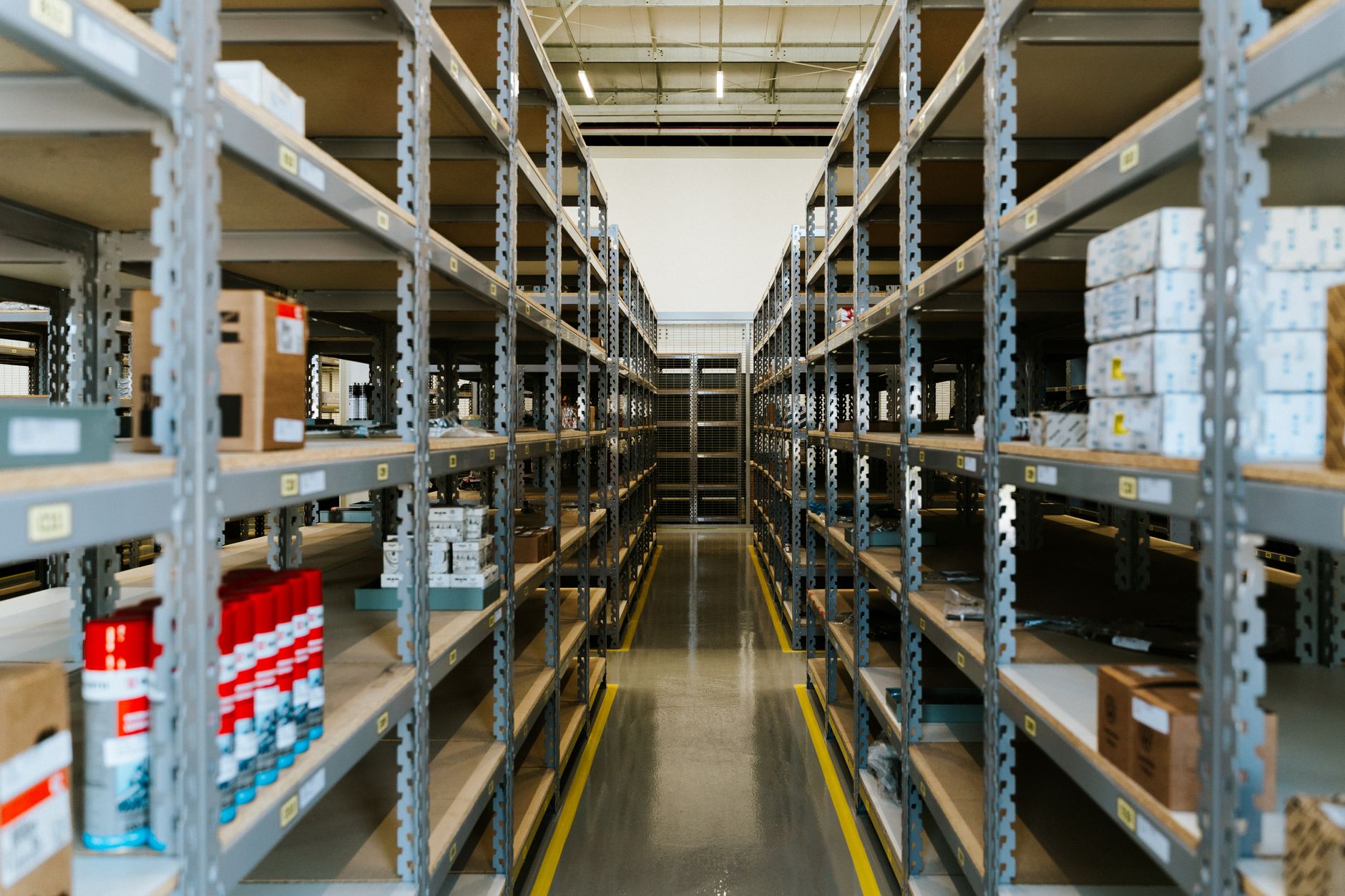
The robot is a carrier. It moves totes, bins, carts, and trays between fixed points, provided each container sits where its load point expects it and the cell has a defined docking or handoff spot. Most electronics restock falls in that group: component trays from a stock area, bins of small parts staged on a shelf, and kit totes that are already built. The container needs to be consistent, labeled so the operator can read it, and sized for the cart or tote interface.
Some work stays with people, and the reasons are practical. Loose parts picked from mixed bins need a hand and an eye. Reels that need inspection, moisture checks, or a quality hold belong with a person who can sign off. Carton opening, counting components at a shelf, and deciding that a kit is incomplete are judgment tasks. Anything sensitive to static or handling should follow a controlled path that the plant owns, and the robot should be scoped around that path rather than asked to cross it.
Many plants find the boundary is set by the container, not the part. A tray that is consistent in size and label can be carried by the robot, while the same part loose in a box cannot. Before you decide, pull a week of restock records and sort them by container type, not by part number. That sort usually shows the share of trips a robot can take.
- Usually suited: totes, bins, carts and trays that dock or tow cleanly on a fixed stock-to-cell route
- Usually kept with people: loose part picking, reels needing inspection or quality holds, carton opening, and kit completeness checks
- Check first: container size, label placement, static or humidity limits, and any cell that needs a person to scan or sign
How many hours does restocking take in an electronics plant?
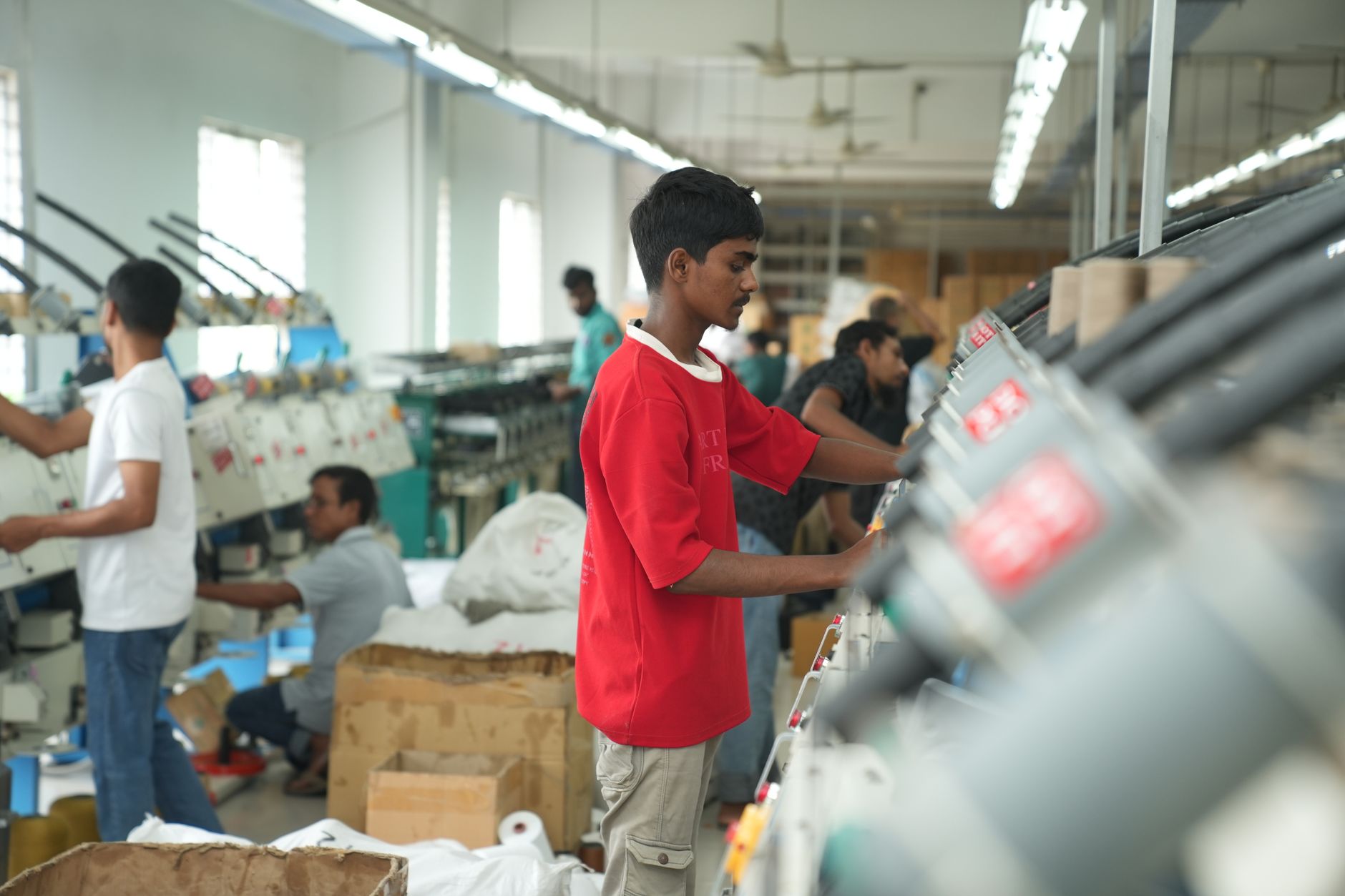
We did not verify restock hour figures for electronics runners in this research, so this page does not give a number of hours per shift. The reliable source is a week of station logs: each restock trip, its start and end time, the station it served, and whether the station ran short. Those logs show how many trips a robot could absorb and how many would still need a person on the same shift.
The hours table below shows the kind of work that moves to the robot and the kind that stays. Fill the today column from your own logs and the withRobot column from the route plan built during a site assessment. Hour math done that way is more useful than any national average, because a plant with long aisles and short takt times has a different picture from one with compact cells.
We did not find occupation-level turnover, overtime, or sick-day figures for electronics assemblers or runners in this search, so treat any turnover claim as something to pull from your own payroll records. That gap matters. Staffing risk on a night shift is often about who is available to cover a trip, not about annual headcount.
What do the labor and injury figures show for electronics plants?
According to BLS Industries at a Glance, computer and electronic product manufacturing had about 613,000 production and nonsupervisory employees in March 2026, seasonally adjusted, with the most recent months preliminary. FRED reports a slightly different all-employee level for the same sector, 984.3 thousand in March 2026, so read the two series for scale rather than for an exact headcount.
The BLS table on the same page lists about 106,980 electrical and electronic equipment assemblers, down from 112,840 in the 2024 figure. The page does not clearly state its estimate year, so use the decline as a direction, not a precise change. Assembler headcount describes the line, while runner headcount describes restock coverage, and the two should not be mixed in a staffing plan.
For the material handling side, the BLS Occupational Outlook Handbook reports about 6.95 million hand laborers and material movers in 2024, a projected change of 258,400 jobs over 2024 to 2034, about 1,008,300 openings per year on average, and projected growth of 4 percent. According to FRED, the unemployment rate for production, transportation and material moving occupations was 5.5 percent in February 2026. The labor pool for material movers is large, but these figures do not describe electronics runners directly.
For the neighboring material moving machine operator group, the Handbook notes that most work full time, some work more than 40 hours a week, and some work overnight shifts. Night coverage is often where restock gaps show up. According to the BLS release on 2024 injury and illness data, all private industry recorded a total recordable case rate of 2.3 per 100 full-time workers. We did not retrieve an electronics-specific injury rate, so set your baseline from the plant's own OSHA log.
How do the robot and the team work together on the floor?
The working model is one robot plus fewer people, never a robot with no one responsible. The robot takes the repeatable restock trips on the fixed route. Runners move to kitting, changeovers, exceptions, and the rework and engineering requests that do not follow a path. Someone still owns the robot, clears blocked aisles, and answers when a unit stops. Staffing goes down in routine trips, not in responsibility.
The change that matters most is the handoff. Under the old model, a runner sees a short station, decides, and acts. Under the new model, the robot reports the call, and a lead or runner sees it on a call screen or page and acts. That handoff has to be designed before go-live. If it is not, the robot becomes one more thing that stops the line.
The side-by-side below shows where the person still wins. In several places it is not a close call, and the plant should expect that.
We pick the robot for the site, lease it through financing, deploy and integrate it, train the staff, and service it nationwide. Training usually covers the routine loop, the stop and recovery steps, and what the team does when a unit is down, so the line runs on a backup plan rather than on improvisation. That is the part most often skipped in a rushed rollout.
- Repeat trips on a fixed route
Autonomous Mobile Robot
Runs the same loop each cycle without drifting from the route
Parts Runner
Repeats well but drifts on long, routine stretches
- Night and second-shift gaps
Autonomous Mobile Robot
Covers the fixed loop without a break, but still needs someone on site
Parts Runner
Covers gaps only as far as headcount allows
- Irregular kits and rework
Autonomous Mobile Robot
Limited to containers it can read and dock with
Parts Runner
Sorts exceptions and decides where parts go
- Damage and quality checks
Autonomous Mobile Robot
Checks scans and labels, not part condition
Parts Runner
Spots damaged reels, trays, and bad labels
- Changing layouts
Autonomous Mobile Robot
Needs a route review and a test run after each change
Parts Runner
Adjusts on the fly as aisles and stations move
- Early warnings
Autonomous Mobile Robot
Reports what its sensors and the call system can see
Parts Runner
Knows a part is short before the system does
What can an autonomous mobile robot not do in an electronics plant?
The honest limit is that the robot follows a route and cannot improvise. It cannot read a handwritten kit change, decide that a reel is damaged, or talk a line lead through a shortage. If an aisle is blocked by a cart or a pallet staged in the wrong place, the robot waits or reroutes only where the plan allows, and someone has to clear the blockage.
Floor conditions matter. Spills, uneven transitions, frequent layout changes, and shared traffic with forklifts or walking staff raise stop rates and need people to manage them. Doors that need a badge or an elevator ride need integration work and a named owner for each opening. Areas with mixed traffic often need lanes, timing rules, or physical separation before the robot can run at full speed.
A runner who knows a part is short before the system does is not replaced by a robot. Some of the most valuable runner work is the early warning that no sensor sees. That is why the first step of any site assessment is to list the trips that are not predictable, and to decide who owns those trips on each shift.
How do you get a lease quote and start a pilot?
A quote starts with a free site assessment. We map the stock area, the cells, the aisles, the staging points, and the container types, then time the restock trips from your logs. The output is a route plan, an estimate of the trips the robot can take, and a list of the trips that stay with people. Nothing is quoted before the route is understood.
Robots are leased through financing. The lease quote comes in writing after the site assessment, once the route, the number of units, the backup arrangement, and the service terms are fixed. Maintenance and service are scoped in the same document, so the plant knows who answers when a unit stops and how that call is handled, including remote triage and on-site dispatch.
A phased start is often the safer path. Begin with one leased unit on the highest-repeat route, measure stops and missed trips for several weeks, and then decide whether to add units or keep runners on the other routes. This keeps the first decision small and gives the team time to learn the handoff before a second route depends on it.
Frequently asked questions
Want a warehouse robot at your electronics assembly plant?
Tell us about your site. We will recommend the robot, quote the lease, and keep it serviced.
Sources
- BLS Industries at a Glance, Computer and Electronic Product Manufacturing (NAICS 334)
- FRED series CEU3133400001, all employees, computer and electronic product manufacturing
- BLS Occupational Outlook Handbook, Hand Laborers and Material Movers
- BLS Occupational Outlook Handbook, Material Moving Machine Operators
- FRED series LNU04032226, unemployment rate for production, transportation and material moving occupations
- BLS news release on occupational injuries and illnesses
- IFR industrial robotics 2025 coverage of World Robotics figures
- A3 Q4 2025 robot orders figures, as reported by industry press